

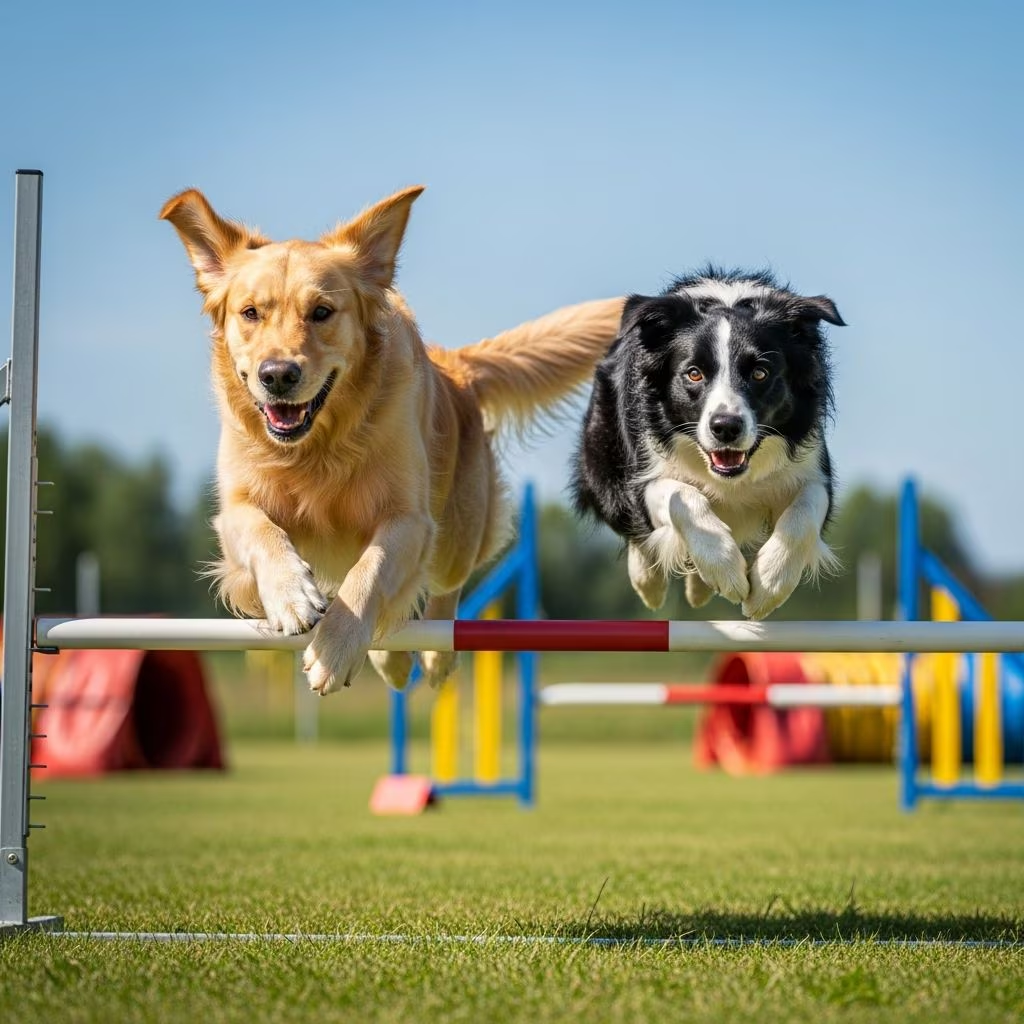
What Is Agility for Dogs?
Agility is the ability to change position quickly and efficiently, requiring balance, coordination, strength, speed, and endurance. When we describe a dog as agile, we’re referring to their capacity to move with grace and precision, running, jumping, and darting about with remarkable fluidity. This athletic capability extends beyond mere physical prowess; it encompasses the dog’s mental acuity and responsiveness to their handler’s guidance.
Dogs that possess strong agility skills demonstrate exceptional body awareness and control. They can navigate complex courses while maintaining focus on their handler, adjusting their movements in real-time based on directional cues. This combination of physical athleticism and mental engagement makes agility one of the most comprehensive forms of canine exercise available today.
Understanding Agility Trials
An agility trial is a competitive canine sporting event where dogs of various breeds navigate specially designed obstacle courses and are judged on both speed and accuracy. These competitions showcase a dog’s athletic ability, level of conditioning, and willingness to work cooperatively with their handler. The sport requires not only physical prowess but also considerable mental concentration from both the dog and the human teammate.
Typical Agility Course Obstacles
Agility courses vary in their design and complexity, but they commonly feature a variety of obstacles that test different aspects of a dog’s abilities:
- Hurdles and jump obstacles of varying heights
- Weaving patterns through upright poles
- A-frame structures that dogs must climb and descend
- Elevated walkways or dog walks
- Tunnels through which dogs must dash
- Teeter-totters or seesaws requiring balance
- Various cones and directional markers
Course Setup and Handler Communication
Since agility courses are set up differently at every trial, the dog must depend entirely on their human teammate to guide them through the route. Well-trained dogs maintain focus on their handlers, who provide directions through hand signals, body language, and verbal prompts. This constant communication between handler and dog is essential for successfully completing the course within the time limit. Dogs run the course off-leash during official trials, responding to these directional cues while navigating obstacles at speed.
Key Benefits of Agility Training
Physical and Mental Exercise
Agility training provides comprehensive exercise that benefits both dogs and their owners. The sport delivers excellent cardiovascular conditioning while building and maintaining strong muscles. Dogs that participate in agility training increase their endurance, maintain healthy body weight, and improve overall coordination. Beyond the physical benefits, navigating an obstacle course requires significant mental stimulation as dogs must concentrate on both the course layout and their handler’s commands simultaneously.
Improved Fitness for Owners
One often-overlooked advantage of agility training is the fitness benefit for the human partner. While you won’t be running through tunnels or weaving around poles yourself, you will keep moving constantly alongside your dog. You’ll navigate the training area, make split-second decisions to help your dog achieve the best time possible, and maintain focus on your dog’s progress. This provides cardiovascular exercise, muscular engagement, and mental stimulation, making agility training a genuinely beneficial activity for your own health and fitness.
Strengthening the Dog-Owner Bond
Dogs are intelligent creatures, but they would find it nearly impossible to successfully complete an agility course without the aid and guidance of their owner or handler. The human member of the team provides essential direction using verbal cues and hand signals, making open and clear communication between canine and human absolutely essential. This level of communication, combined with the time spent training together, creates a special bond between dog and owner that goes far beyond typical pet ownership. As the dog learns to rely on their owner for guidance during training, they also become more obedient and well-behaved in other contexts.
Safety Considerations Before Starting Agility Training
Physical Fitness Assessment
Agility is a demanding sport that involves extensive running and jumping, so your dog must have sound joints and a healthy heart. Before beginning any agility training program, have your veterinarian perform a thorough physical examination to ensure your dog is in good physical condition. This assessment is crucial even for young puppies, as their developing joints can be easily injured if over-stressed during intense activity.
Most agility associations and sanctioning organizations do not allow dogs under 2 years of age to compete in official trials. This restriction exists to protect dogs during the critical period when their bones and joints are still developing. Premature or excessive jumping and impact activities during this developmental phase can cause lasting damage.
Owner Health Considerations
It’s also a good idea for you to see your personal physician and ensure you’re in adequate physical condition before beginning an intensive agility training program. Agility training requires you to be active, make quick movements, and maintain good reflexes, so your own health status matters for the safety of both you and your dog.
Getting Started with Agility Training
Finding Local Resources
The first step in beginning your agility journey is locating local agility groups and instructors in your area. You can search online for agility clubs, ask your veterinarian for recommendations, contact a professional dog trainer, or talk to fellow pet owners at your local dog park. Many communities have established agility clubs that offer classes ranging from beginner to advanced levels.
Testing at Home First
If you want to try agility training yourself before committing to a formal class, you can create a simple homemade course to expose your dog to basic obstacles. A good starter project is to place a long, wide board on two cinder blocks and have your dog walk along the plank. This teaches balance and confidence on an elevated surface. Other homemade obstacles might include cones to weave around, jumps made from PVC pipe, or tunnels fashioned from children’s play tunnels or tubes.
Working with Professional Instructors
If you decide to pursue agility training seriously, look for a group class or private instructor who can provide expert guidance on the rules and techniques of agility trials. A good trainer will work with both you and your dog, teaching you the art of assisting your dog through a course with finesse and precision. Training your own handling skills is just as important as training your dog’s obstacle navigation abilities. With dedication and practice, you and your dog can both exemplify the very definition of agility.
Progressive Training Approach
Starting Slowly
When beginning agility training, avoid jumping in too quickly. A gradual introduction to new exercise is always superior to intense, sudden activity. Start with short walks on leash to build basic fitness. Progress to jogging sessions. Only then should you introduce basic obstacles to your dog’s routine. Gauge your dog’s ability and reset the activity level as needed, working gradually up to a full agility course. Common sense will help you avoid undue fatigue and injury for both you and your pet.
Introducing Obstacles One at a Time
When learning how to run a course, slow is good—even though speed is what matters in actual competition. Introduce your dog to one obstacle at a time. Master that single obstacle completely before moving on to the next. Start with a simpler task, such as a low jump. Once your dog is comfortable and confident with this obstacle, tackle another challenge, perhaps a weave pattern or tunnel. This methodical approach builds confidence and reduces the risk of fear or injury.
Warm-Up and Cool-Down Routines
Always include proper warm-up and cool-down routines in your agility training sessions. Warming up muscles and joints helps prevent injury and engages your dog’s mental focus before entering the agility training area. Begin with a walk, then progress to light jogging to make muscles, tendons, and ligaments more pliable before running the full course. After a rigorous workout, cooling down is equally important. Reverse the warm-up procedure by jogging, then walking to gradually bring your dog’s heart rate and body temperature back to normal.
Session Length and Frequency
Keep individual training sessions relatively short. Dogs have naturally limited attention spans, and long training sessions can become frustrating for both you and your dog, potentially dampening enthusiasm for the sport. Try exercising for 10–15 minute sessions at a time, especially when working with older dogs who tire more quickly. Remember that agility training should be enjoyable for both of you. Incorporate play, offer treats, share hugs, and celebrate successes together. This positive approach ensures both you and your dog will be healthier and happier as a result of your training efforts.
Agility for Senior Dogs
Agility training isn’t exclusively for young, spry dogs. Senior dogs can benefit tremendously from modified agility programs that account for their changing physical capabilities. Obstacles can be adjusted to lower heights and modified designs to reduce impact and increase safety while still allowing the older dog to exercise and compete. Senior agility courses may also be shorter than standard competition courses.
Many dogs and their owners participate in agility trials purely for fun and exercise rather than competitive purposes, making it an excellent activity for senior dogs. The mental stimulation combined with gentle physical activity helps senior dogs maintain muscle tone, joint flexibility, and cognitive sharpness while providing quality time with their owners.
Frequently Asked Questions
Q: At what age can dogs start agility training?
A: While dogs can begin basic agility training at younger ages, most agility associations do not allow dogs under 2 years old to compete in official trials. This protects developing joints and bones from potential injury during the critical growth period.
Q: Do I need to be an athlete to participate in agility training?
A: No, you don’t need to be an athlete or in great physical shape to start agility training. The activity itself helps you get exercise, and you can progress at a pace that suits your fitness level while your dog develops their skills.
Q: How often should my dog train for agility?
A: Training sessions should be kept to 10–15 minutes at a time to maintain your dog’s focus and prevent fatigue. The frequency depends on your goals, but multiple sessions per week are typical for dogs preparing for competition.
Q: Can any dog breed participate in agility?
A: Yes, dogs of various breeds can participate in agility training and competition. However, some breeds are naturally better suited to the sport due to their size, build, and athleticism. Always consult your veterinarian about whether your specific dog is suited for agility activities.
Q: What should I do if my dog seems tired or reluctant during training?
A: Listen to your dog’s cues. Reset activity levels as needed, take more frequent breaks, and never force your dog to continue. Agility training should be enjoyable, so if your dog seems uninterested, try making sessions shorter or more playful.
Q: How do I prevent injuries during agility training?
A: Always perform warm-ups and cool-downs, introduce obstacles gradually, ensure your dog is physically fit with a veterinary checkup, and avoid over-training. Use proper equipment and training surfaces designed for agility work.
Conclusion
Agility training represents one of the most comprehensive and rewarding activities you can share with your dog. By combining physical exercise with mental stimulation, agility builds stronger, healthier dogs while simultaneously improving your own fitness and well-being. More importantly, the sport creates a unique bond between dog and handler based on trust, communication, and mutual cooperation. Whether you’re training for competition or simply seeking a fun way to exercise with your dog, agility offers benefits that extend far beyond the obstacle course. With patience, proper training, and a commitment to keeping the experience enjoyable, you and your dog can both discover the true meaning of agility.
References
- Agility for Dogs — VCA Animal Hospitals. 2024. https://vcahospitals.com/know-your-pet/agility-for-dogs
- Senior Dog Agility — VCA Animal Hospitals. 2024. https://vcahospitals.com/know-your-pet/senior-dog-agility
- Eight Reasons to Try Agility Training With Your Dog—Even Senior Dogs — VCA Animal Hospitals. 2024. https://vcahospitals.com/shop/articles/eight-reasons-to-try-agility-training-with-your-dog
- Dog Behavior and Training – Play and Exercise — VCA Animal Hospitals. 2024. https://vcahospitals.com/know-your-pet/dog-behavior-and-training—play-and-exercise
- Fun Classes to Do With Your Puppy — VCA Animal Hospitals. 2024. https://vcahospitals.com/pediatric/puppy/behavior-training/fun-classes-to-do-with-puppy
- Agility — Vizsla Club of America. 2024. https://vcaweb.org/breed-activities/agility/
- Using Predictability, Scheduling, and Enrichment to Train Your Dog — VCA Animal Hospitals. 2024. https://vcahospitals.com/know-your-pet/using-enrichment-predictability-and-scheduling-to-train-your-dog



