

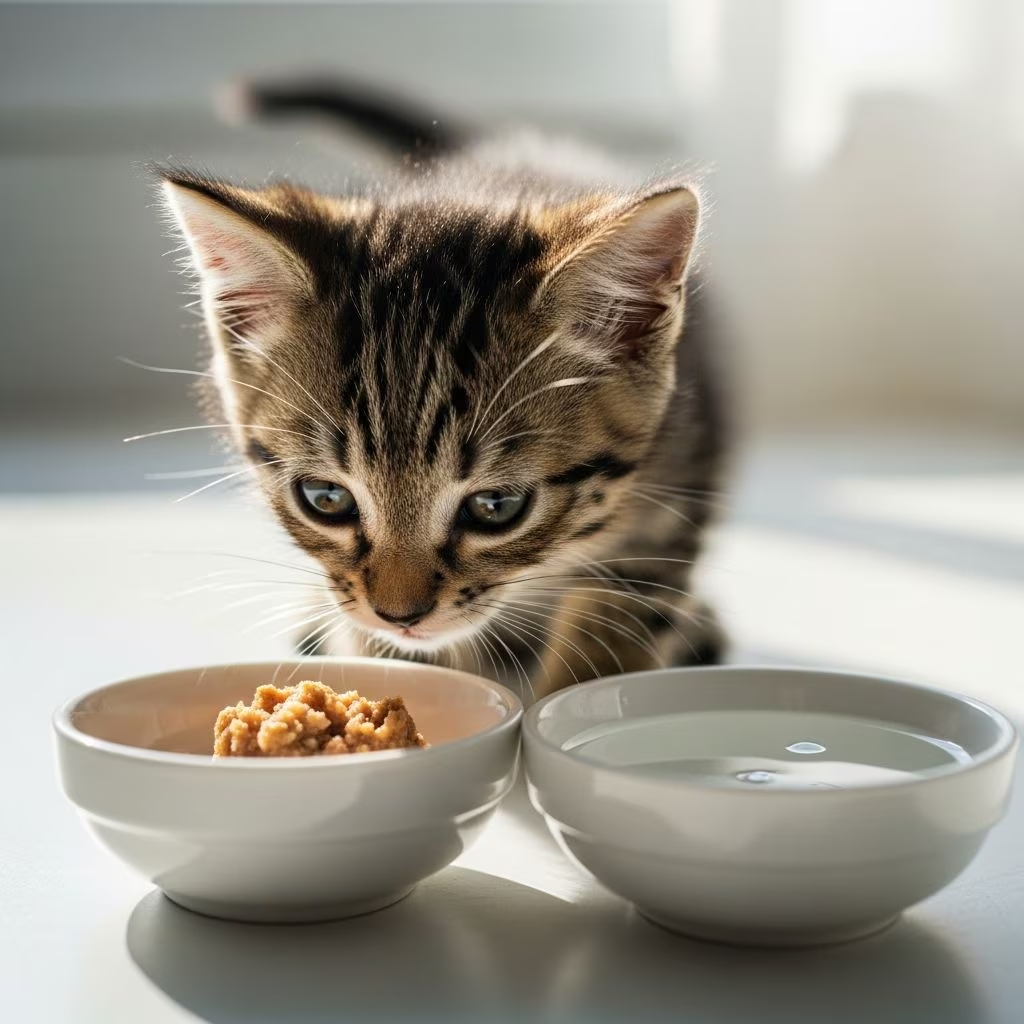
Bringing home a kitten is an exciting journey, but understanding their nutritional needs is crucial for their healthy development. Kittens transition from mother’s milk to solid food and water at specific ages, a process known as weaning. This guide covers the precise timelines, feeding strategies, and hydration milestones based on veterinary recommendations to ensure your furry friend thrives.
What Age Do Kittens Start Eating Food?
Kittens typically begin eating solid food around **4 weeks of age**, marking the start of the weaning process. Newborns rely exclusively on their mother’s milk or kitten formula for the first 3-4 weeks, gaining about 15-20 grams daily. At 4 weeks, their baby teeth emerge, allowing them to lap up softened wet food or gruel—a mixture of kitten formula and wet food blended to a soupy consistency.
By **6-8 weeks**, kittens are in full weaning mode, eagerly consuming wet food with small amounts of dry kibble introduced gradually. This stage is critical as their digestive systems adapt to solids. Offer gruel every 6-8 hours, up to 5 ounces daily, transitioning to 1/4 to 1/3 cup of dry food. From 8 weeks to 5 months, provide a mix of wet and dry kitten food, aiming for 1/3 to 1 cup dry or 3-5 servings of 3-oz wet food every 6-8 hours.
Kitten Feeding Chart by Age
| Age | Weight | Food Type | Amount | Frequency |
|---|---|---|---|---|
| Newborn to 3 weeks | 3 oz to 1 lb | Mother’s milk/formula | 2-15 ml | Every 2-4 hours |
| 4-5 weeks | 1-1.8 lbs | Milk/formula + wet food gruel | 18-22 ml formula | Every 6-8 hours |
| 6-8 weeks | 1.8-2.6 lbs | Wet food primary, intro dry | 1/4-1/3 cup dry; up to 5 oz wet | Every 6 hours |
| 8 weeks-5 months | 1.5-5.75 lbs | Wet/dry combo | 1/3-1 cup dry; 3-5x 3-oz wet | Every 6-8 hours |
| 6 months-1 year | 5.75-12 lbs | Wet/dry combo | 2/3-1¼ cups dry; 1/4-1/2 can/lb body weight | 2+ meals daily |
This chart provides approximate guidelines; always adjust based on your kitten’s growth and consult a vet.
How to Introduce Solid Food to Kittens
Start weaning gently to avoid digestive upset. For 4-week-olds, mix high-quality wet kitten food with warm kitten formula or water to create gruel. Warm it slightly (microwave in 5-second bursts) and offer from a shallow dish or your finger. Encourage lapping by placing a dab on their nose. Gradually reduce milk over 1-2 weeks as they eat more solids.
- Choose AAFCO-approved kitten food: Look for statements ensuring complete nutrition for growth, high in protein (45-50%), fats, DHA for brain development, and essential vitamins/minerals.
- Wet food first: Ideal for tiny teeth; provides hydration and palatability.
- Introduce dry kibble at 6 weeks: Soften initially with formula to ease transition.
- Monitor weight gain: Kittens should double birth weight by 1 month; supplement if needed.
Combination feeding—wet meals plus free-access dry—balances hydration, dental health, and convenience.
What Age Do Kittens Start Drinking Water?
Kittens begin showing interest in water around **4-5 weeks**, coinciding with weaning. They get initial hydration from mother’s milk (87% water), but as solids increase, introduce fresh water in a shallow bowl next to food. By **6 weeks**, most kittens drink independently, though some prefer licking wet food moisture initially.
Encourage water intake with:
- Shallow, wide bowls: Easy access for small mouths; clean daily.
- Running water fountains: Many kittens prefer moving water.
- Flavoring lightly: Add a bit of tuna juice (no salt) temporarily.
Proper hydration supports kidney health and prevents urinary issues. Wet food (70-80% moisture) aids until they drink consistently. By 8 weeks, water should be a staple alongside meals.
Feeding Methods for Kittens
Choose based on your lifestyle and kitten’s needs. Kittens under 6 months need frequent fueling for growth.
Free-Feeding
Leave measured dry kibble available all day. Pros: Mimics natural grazing, suits active kittens. Cons: Risk of overeating; only for dry food to avoid spoilage.
Meal Feeding
Scheduled portions of wet/dry multiple times daily. Pros: Monitors intake, prevents obesity. Ideal for multi-pet homes.
Combination Feeding
2 wet meals + free dry access. Best of both: Hydration from wet, convenience from dry.
Transition to 2 meals/day at 4-6 months, but verify with vet.
What to Avoid Feeding Kittens
- Cow’s milk: Causes diarrhea due to lactose intolerance.
- Raw eggs/meat/fish: Salmonella, parasites, B1 deficiency risks.
- Too many treats: Limit to <10% daily calories.
- Adult cat food: Insufficient protein/calories; feed kitten formula until 1 year.
Nutrition Needs by Age
0-4 Weeks: Milk Only
Formula every 2-4 hours; no solids.
4-8 Weeks: Weaning
Gruel to full wet/dry intro.
2-12 Months: Growth Phase
High-protein kitten food; monitor for spay/neuter adjustments.
Frequently Asked Questions (FAQs)
What if my kitten won’t eat solids at 4 weeks?
Be patient; tempt with warmed gruel on finger/nose. Consult vet if no interest by 5 weeks.
How much water should a kitten drink daily?
Expect 3-4 oz per 5 lbs body weight; more with dry food. Watch urine output.
Can kittens have dry food only?
Not ideal young; wet aids hydration/teeth. Combo preferred.
When to switch to adult food?
After 1 year, or 10-12 months for sterilized kittens.
Signs of poor nutrition in kittens?
Lethargy, poor coat, stalled growth—see vet immediately.
References
- How Much Should You Feed a Kitten? Vet-Approved Chart — Catster. 2023. https://www.catster.com/nutrition/how-much-to-feed-kittens/
- What to Feed a Kitten: Vet-Verified Guide For Each Stage — Catster. 2023. https://www.catster.com/cat-health-care/what-to-feed-kittens/
- Nutrition For Kittens: Complete Vet-Approved Guide — Catster. 2023. https://www.catster.com/nutrition/kitten-nutrition/
- All About Kitten Nutrition — Cat Writers’ Association / Catster. 2023-05-01. https://catwriters.com/wp-content/uploads/wpforms/10412-b834382443defac77398543e515d8acc/A1HealthKittenNutrtition-Arden-Moore-58f27ee7309a416a9249de519e88c896.pdf
- Kitten Nutrition Guidelines — Association of American Feed Control Officials (AAFCO). 2024. https://www.aafco.org/



