

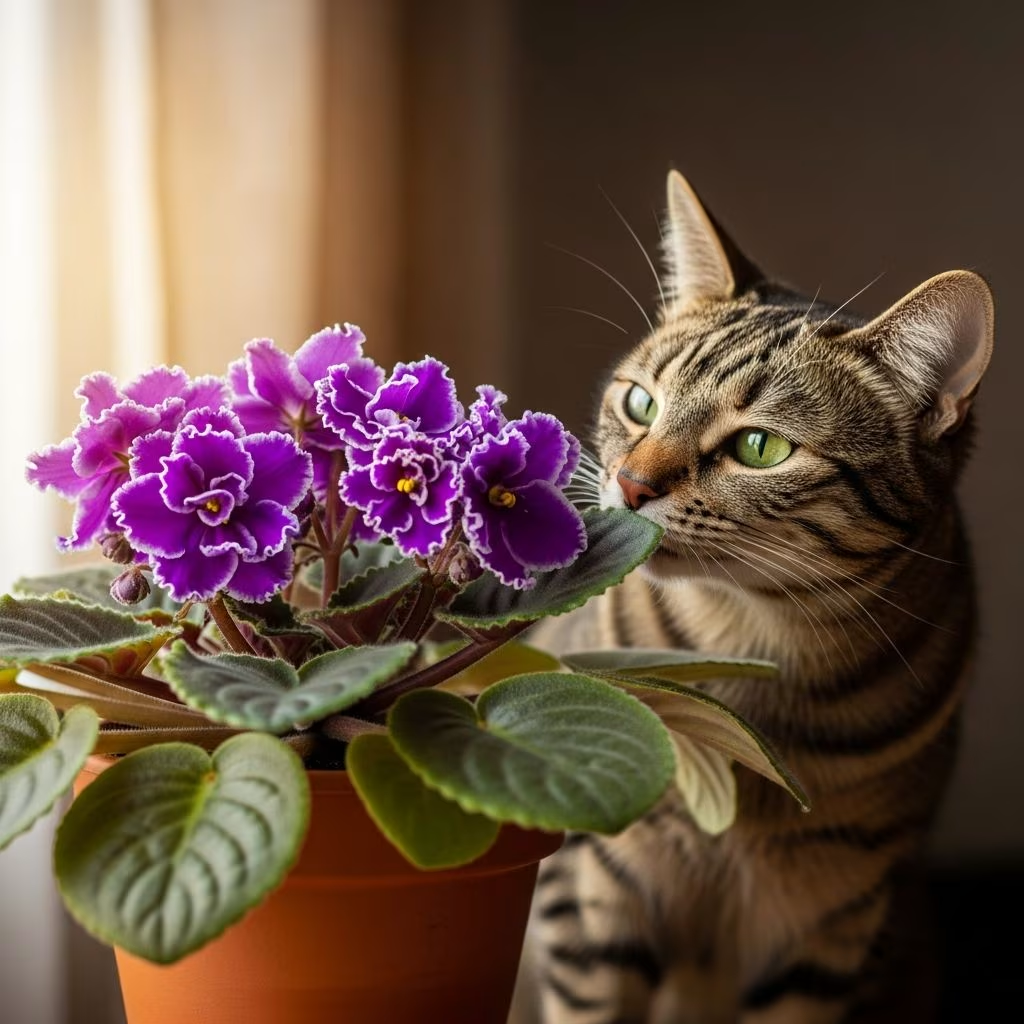
Many cat owners face the dilemma of decorating their homes with beautiful houseplants while ensuring their pets remain safe. African violets, with their vibrant blooms and compact size, are a popular choice for indoor greenery. The good news is that these plants pose no inherent toxicity risk to cats, making them a viable option for multi-pet households.
Understanding the Safety Profile of African Violets
African violets, scientifically known as Saintpaulia species from the Gesneriaceae family, have been evaluated by leading pet health organizations. These plants do not contain harmful compounds that affect cats upon ingestion. Even if a cat chews on the leaves or flowers, it won’t trigger poisoning symptoms associated with truly toxic flora.
Pet owners can confidently introduce African violets into their living spaces without fear of severe health consequences for their cats. However, while the plant itself is harmless, other factors like soil additives or external treatments could introduce mild irritants. Awareness of these nuances allows for informed decisions that prioritize both plant health and feline well-being.
Potential Hidden Dangers Beyond the Plant
Although the foliage and blooms of African violets are safe, vigilance is required regarding maintenance products. Fertilizers formulated for these plants often contain minerals and compounds that, if ingested in quantity, may upset a cat’s digestive system. Symptoms from such exposure are typically mild, resembling temporary gastrointestinal discomfort rather than acute poisoning.
Insecticides used by commercial growers represent another consideration. While most consumer-grade products are low-risk, professional applications might include stronger chemicals. When purchasing from nurseries, inquire about treatment methods to minimize any potential exposure. Opt for organic or pet-safe fertilizers to further safeguard your cat.
- Fertilizer risks: Can cause mild stomach upset if over-ingested.
- Insecticide concerns: Ask growers about usage; prefer untreated plants.
- Soil additives: Choose natural potting mixes without chemical enhancers.
Recognizing Signs of Plant-Related Distress in Cats
Cats are curious creatures prone to exploring their environment with their mouths. Even non-toxic plants like African violets can lead to minor issues if consumed excessively. Monitor for indicators of digestive imbalance, which might occur from any unfamiliar plant material disrupting the gut flora.
General symptoms warranting attention include persistent vomiting, loose stools, reduced energy levels, excessive salivation, or disinterest in food. In rare cases of chemical exposure, more serious signs like tremors could emerge. Immediate veterinary consultation is advised if these persist beyond a few hours.
| Symptom | Possible Cause | Action Needed |
|---|---|---|
| Vomiting | Overeating plant material | Observe; hydrate if mild |
| Diarrhea | Fertilizer residue | Withhold food briefly; vet if ongoing |
| Lethargy | Potential irritant ingestion | Contact vet immediately |
| Drooling | Mouth irritation | Rinse mouth; monitor |
Practical Strategies to Deter Cats from Houseplants
Prevention remains the cornerstone of harmonious plant-pet living. Cats often target plants for their texture or as a play outlet, so strategic placement is key. Elevating African violets to high shelves or hanging baskets exploits cats’ limited climbing access in many homes.
Room division offers another layer of protection. Designate plant-friendly zones like sunlit enclosures inaccessible to pets. Natural repellents leverage felines’ acute sense of smell; scattered citrus rinds or mild pepper flakes discourage nibbling without direct contact hazards. Note that concentrated essential oils should be avoided due to their own toxicity risks.
- Position plants in bright, elevated spots away from climbable furniture.
- Use enclosed spaces or barriers for dedicated plant areas.
- Apply safe scent deterrents like dried herbs or peels.
- Provide alternative feline entertainment such as scratching posts or toys.
Cultivating Thriving African Violets in Cat Households
These perennials flourish under specific conditions mimicking their East African origins: indirect light, moderate warmth, and consistent moisture without sogginess. Well-draining soil prevents root rot, a common pitfall. Regular feeding with balanced, water-soluble formulas promotes year-round flowering in shades of purple, pink, white, and beyond.
Propagation is straightforward via leaf cuttings, allowing expansion of your collection safely. Weekly misting maintains humidity, but avoid direct leaf wetting to prevent spots. Rotate plants for even growth and inspect routinely for pests, addressing them with pet-safe methods like neem oil sprays.
Expanding Your Collection with Other Cat-Safe Greenery
Beyond African violets, numerous options enhance indoor aesthetics without risk. These selections tolerate typical home environments and resist casual feline investigation.
- Spider Plant: Air-purifying with cascading leaves; resilient to occasional chewing.
- Boston Fern: Lush and humidity-loving; adds tropical flair.
- Parlor Palm: Elegant and slow-growing; safe for all pets.
- Orchids: Striking blooms; non-toxic varieties abound.
- Bird’s Nest Fern: Unique texture; thrives in low light.
Consult comprehensive lists from authoritative pet resources to verify safety before adding new plants. Diversity in your indoor garden not only beautifies but also improves air quality.
Frequently Asked Questions About Plants and Cats
Are African violets truly harmless if eaten by cats?
Yes, the ASPCA confirms African violets as non-toxic to cats, though excessive consumption might cause mild tummy upset.
What if my cat vomits after chewing on an African violet?
Monitor closely; if symptoms resolve quickly, it’s likely just adjustment. Seek vet care for persistence.
Can fertilizers make safe plants dangerous?
Certain chemical fertilizers act as irritants; switch to organic alternatives for peace of mind.
How do I propagate African violets safely around cats?
Use isolated workspaces during rooting; mature plants are the main attractors.
Which plants should cat owners strictly avoid?
Steer clear of lilies, poinsettias, and philodendrons, known for severe toxicity.
Long-Term Coexistence Tips for Plant-Loving Cat Owners
Building a balanced environment involves ongoing observation and adaptation. Train cats with positive reinforcement to redirect interest from plants toward approved toys. Invest in sturdy pots that withstand playful paws, and maintain a clean space to discourage soil digging.
Seasonal adjustments help: increase humidity in dry winters with pebble trays, ensuring water levels stay below soil surface. Community forums and extension services offer region-specific advice, but always cross-reference with vet-approved sources.
Ultimately, African violets exemplify how pet owners can enjoy nature’s beauty alongside their companions. With precautions, risks remain minimal, fostering a vibrant, safe home.
References
- African Violet – Toxic and Non-toxic Plants — ASPCA. Accessed 2026. https://www.aspca.org/pet-care/aspca-poison-control/toxic-and-non-toxic-plants/african-violet
- The 411 on African Violets and Cats — African Violet Resource Center. Accessed 2026. https://africanvioletresourcecenter.com/the-411-on-african-violets-and-cats/
- 8 Gorgeous Houseplants that Are Safe for Pets — Walter Knoll Florist. Accessed 2026. https://www.wkf.com/blog/8-gorgeous-houseplants-that-are-safe-for-pets/
- 15 Plants Safe for Cats (and 15 Highly Toxic Plants to Avoid) — Petfolk. Accessed 2026. https://petfolk.com/petfolklore/15-plants-safe-for-cats-and-15-highly-toxic-plants-to-avoid
- Cat-Safe Houseplant Review: The Lovely African Violet — Savannah Gans. Accessed 2026. https://www.savannahgans.com/blog-1/africanviolets



