
African Grey Diet: Complete Nutritional Guide
Comprehensive guide to feeding African grey parrots for optimal health and longevity.
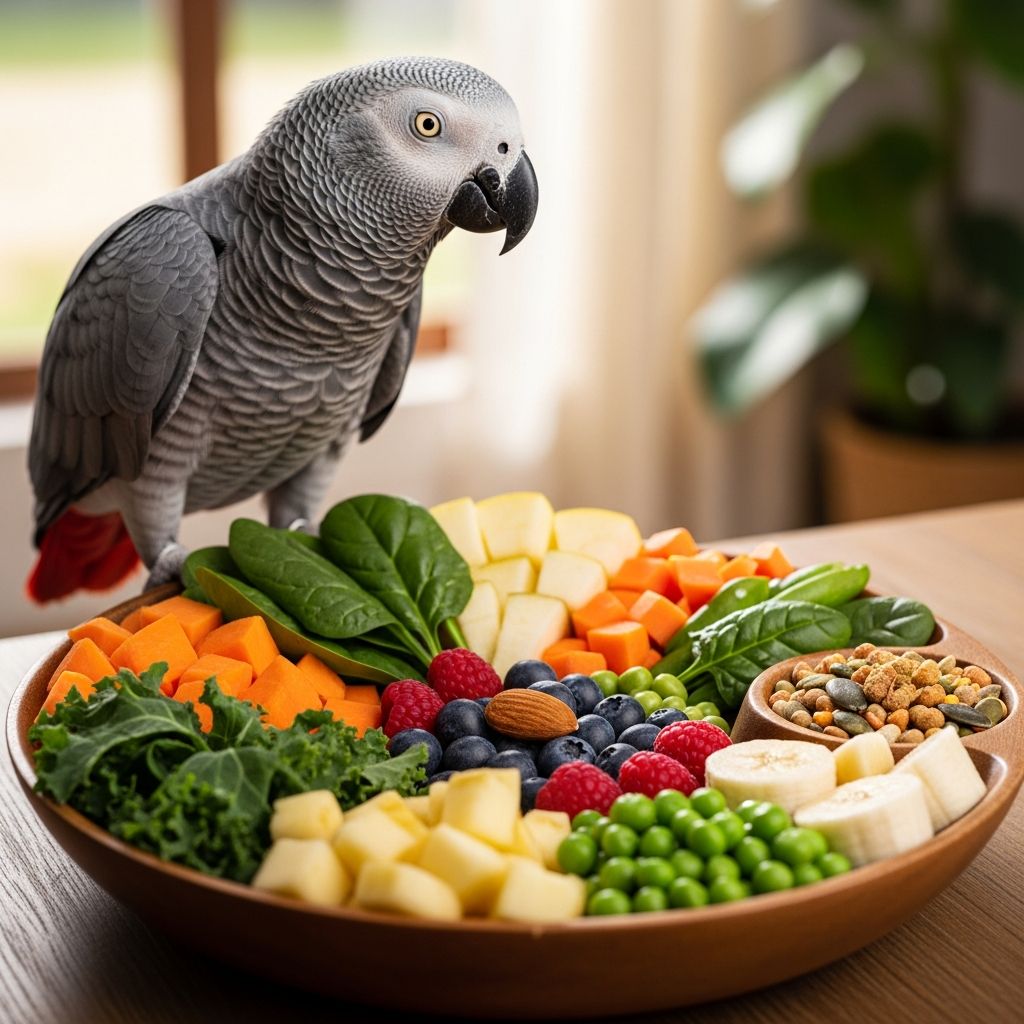
Understanding the African Grey Parrot Diet
African grey parrots are intelligent, long-lived companion birds that require a carefully balanced diet to maintain optimal health and vitality. These remarkable birds can live 40-60 years or longer in captivity, making proper nutrition throughout their lifetime essential for preventing health complications and ensuring behavioral well-being. The foundation of a healthy African grey diet combines high-quality pellets, fresh produce, and nutritious supplements in appropriate proportions.
Unlike wild African greys that forage across diverse landscapes consuming hundreds of plant species seasonally, captive birds rely entirely on their caretakers to provide nutritionally complete meals. Understanding the dietary requirements specific to this species helps prevent common health issues such as calcium deficiency, obesity, and nutritional imbalances that can lead to behavioral problems including feather plucking and aggression.
The Role of High-Quality Pellets
High-quality pellets should form the foundation of your African grey’s daily diet, comprising approximately 60-80% of their total food intake. Pellets are specifically formulated to provide complete and balanced nutrition, containing essential vitamins, minerals, and nutrients in appropriate ratios that are difficult to achieve through fresh foods alone.
Selecting the Right Pellets: Not all pellets are created equal. Look for brands specifically formulated for African greys or large parrots, ensuring they meet nutritional standards established by avian nutritionists. Avoid pellets with artificial dyes, flavors, or excessive fillers. Quality brands often include ingredients like grains, legumes, and vegetables without adding unnecessary preservatives.
When introducing new pellets to your African grey, transition gradually over 7-10 days by mixing increasing amounts of the new pellet brand with their current food. This prevents digestive upset and allows your bird to adjust to different textures and flavors. Store pellets in airtight containers away from moisture and heat to maintain nutritional integrity.
Fresh Fruits and Vegetables: Essential Nutritional Support
Fresh produce should comprise 20-40% of your African grey’s diet, providing essential vitamins, minerals, antioxidants, and fiber that complement the pellet foundation. The variety of fresh foods keeps your parrot mentally stimulated and engaged, mimicking their natural foraging behavior.
Recommended Vegetables
Offer a wide selection of fresh vegetables daily, with leafy greens being particularly beneficial:
- Dark leafy greens: kale, spinach, Swiss chard, and watercress
- Colorful vegetables: red and green bell peppers, carrots, and cooked sweet potatoes
- Cruciferous vegetables: broccoli, Brussels sprouts, and cabbage
- Additional options: celery, courgettes, pumpkin, corn cobs, and seasonal vegetables
Preparation is important: Wash all vegetables thoroughly to remove pesticides and chemicals. Serve raw or lightly steamed for maximum nutrient retention. Remove uneaten vegetables after 2-3 hours to prevent bacterial growth and spoilage. Offer approximately 1.5 kilograms of fresh vegetables daily as part of a varied rotation.
Safe and Nutritious Fruits
Fruits provide important vitamins and enjoyable variety, though they should be offered in moderation due to natural sugar content:
- Apples and pears
- Berries (blueberries, strawberries, raspberries)
- Bananas and melons
- Papayas and grapes (in moderation)
- Dried fruits for convenience
Critical warning: Avoid avocado and chocolate completely, as these are toxic to parrots and can cause serious health complications. Offer fruit in small portions, removing uneaten portions after a few hours to maintain food safety.
Nuts and Seeds: Nutritious Treats in Moderation
While African greys naturally enjoy nuts and seeds, these calorie-dense foods can lead to obesity and nutritional imbalances if offered excessively. Seeds and nuts should comprise no more than 10% of daily food intake, offered 2-3 times weekly.
Appropriate Nuts and Seeds: Unsalted almonds, walnuts, hazelnuts, and fresh seeds provide beneficial nutrients including protein, healthy fats, and minerals. Always ensure nuts and seeds are fresh, unsalted, and free of mold or contamination. Avoid sunflower seeds as a primary seed option due to high fat content, though sprouted sunflower seeds shed much of their fat when sprouted and become valuable nutritional additions.
Sprouting Seeds: Nutritional Powerhouses
Both seed and pellet advocates recognize sprouting seeds as beneficial additions to African grey diets. Sprouted seeds are high in protein, vitamins, minerals, and enzymes while being significantly lower in fat compared to dried seeds.
Simple Sprouting Process: Soak seeds for 24-48 hours, rinse thoroughly, and serve while still moist but not waterlogged. Common sprouting options include alfalfa, mung beans, and other legumes. Sprouted seeds provide superior nutritional bioavailability compared to unsprouted seeds and add textural variety to meals, encouraging natural foraging behaviors.
Grains and Legumes: Additional Nutritional Components
Cooked grains and legumes provide valuable fiber, complex carbohydrates, and plant-based proteins that contribute to digestive health and sustained energy:
- Cooked brown rice and buckwheat
- Cooked quinoa (approximately 100 grams daily)
- Cooked beans and lentils (approximately 100 grams daily)
- Whole grain pasta and oatmeal
Prepare all grains and legumes without added salt, oil, or seasoning. These foods add bulk and satisfaction to meals while providing nutrients that complement pellets and fresh produce in creating comprehensive nutritional profiles.
Calcium and Vitamin Supplementation
African greys are particularly susceptible to calcium deficiency compared to other parrot species, which can result in seizures, feather plucking, and poor overall health. However, supplementation approach depends on your dietary strategy:
If pellets form the primary diet (60-80%): Supplements should not be given, as properly formulated pellets contain balanced calcium and vitamin D3 in appropriate ratios. Over-supplementation can interfere with nutrient absorption and create imbalances.
If using a seed-based diet: Calcium supplementation becomes more critical. Incorporate calcium-rich foods including dark leafy greens (kale and watercress), carrots, almonds, and water-grass. Calcium and magnesium with vitamin D3 supplements can be administered 2-3 times weekly directly in water or sprinkled on fresh food.
Beta carotene, found in vibrant orange and red foods like sweet potatoes, carrots, and red palm fruit, supports eye health and feather coloration. Always consult your avian veterinarian before implementing any supplementation program.
Protein and Special Foods
While primarily herbivorous, African greys benefit from occasional protein sources prepared without salt or seasonings:
- Hard-boiled eggs with shells (providing protein, vitamins A, D3, and calcium)
- Chicken breast (protein and zinc)
- Turkey breast (protein and zinc)
- Plain yogurt (calcium, protein, and beneficial bacteria)
These foods should be offered occasionally as dietary variety rather than dietary staples, used in moderation to avoid nutritional imbalances.
Portion Control and Feeding Guidelines
Determine daily food portions based on your bird’s body weight. Feed approximately 10% of your bird’s body weight daily. For example, an African grey weighing 450 grams should receive approximately 45 grams of food daily. Monitor your bird’s weight regularly and adjust portions to maintain healthy body condition—you should be able to feel their breastbone without excessive pressure, and they should maintain active, alert behavior.
Establish consistent feeding schedules, offering fresh food in the morning and removing uneaten portions within 2-3 hours to maintain food safety. Water should be fresh and changed daily, with careful attention to cleanliness to prevent bacterial contamination.
Creating Dietary Variety and Mental Enrichment
Variety prevents boredom and ensures comprehensive nutrient intake across different food categories. Rotate fruits and vegetables seasonally, offer different nut varieties weekly, and introduce new foods gradually while monitoring your bird’s acceptance and digestive response.
Foraging opportunities enhance mental stimulation and mimic natural behaviors. Offer whole grains, unsalted popcorn, and small fruit and vegetable pieces in foraging toys. This encourages problem-solving, promotes physical activity, and prevents behavioral issues associated with boredom.
Frequently Asked Questions
Q: What percentage of my African grey’s diet should be pellets?
A: High-quality pellets should comprise 60-80% of your African grey’s daily diet, providing the nutritional foundation with essential vitamins and minerals in balanced proportions. The remaining 20-40% consists of fresh produce, nuts, seeds, and other foods.
Q: Which foods are toxic to African grey parrots?
A: Avocado and chocolate are toxic to African greys and should never be offered. Additionally, avoid foods with added salt, seasonings, caffeine, and high-fat processed foods that can harm your bird’s health.
Q: How often should I offer nuts and seeds?
A: Nuts and seeds should be limited to 10% of daily diet intake, offered 2-3 times weekly. While your African grey likely enjoys these foods, excessive consumption leads to obesity and nutritional imbalances due to their high fat content.
Q: Can African greys eat fresh fruits and vegetables daily?
A: Yes, fresh fruits and vegetables should be offered daily as part of the 20-40% non-pellet portion of their diet. Wash all produce thoroughly, remove uneaten portions after 2-3 hours, and rotate varieties to ensure comprehensive nutrient intake.
Q: Do African grey parrots need calcium supplements?
A: African greys are susceptible to calcium deficiency. If your bird’s diet is primarily pellet-based, supplements are unnecessary as pellets contain balanced calcium and vitamin D3. For seed-based diets, incorporate calcium-rich foods and consult your avian veterinarian about supplementation needs.
Q: What should I do if my African grey refuses to eat pellets?
A: Transition gradually by mixing small amounts of new pellets with existing food over 7-10 days. Try different pellet brands and textures to find options your bird accepts. Never force-feed, but persist patiently while ensuring adequate nutrition through other whole foods during the transition.
Q: How much food should I feed my African grey daily?
A: Feed approximately 10% of your bird’s body weight daily. Monitor weight regularly and adjust portions to maintain healthy body condition. Most African greys thrive on 40-50 grams of food daily, but individual needs vary based on activity level and metabolism.
References
- African Grey Feeding Guide — Northern Parrots. 2024. https://www.northernparrots.com/blog/african-grey-parrot-feeding-guide/
- The Best Food for African Grey Parrots: A Complete Guide — Parrot Essentials. 2024. https://parrotessentials.co.uk/blog/the-best-food-for-african-grey-parrots-a-complete-guide
- What Can African Grey Parrots Eat? — ExoticDirect. 2024. https://exoticdirect.co.uk/news/what-can-african-grey-parrots-eat/
- A Healthy Diet — The World of African Greys. https://theworldofafricangreys.weebly.com/a-healthy-diet.html
- Feeding Tips for African Greys: Improve Your Parrot’s Diet — BirdSupplies.com. 2024. https://birdsupplies.com/pages/feeding-your-african-grey-parrot
Similar Articles








Read full bio of Sneha Tete


