

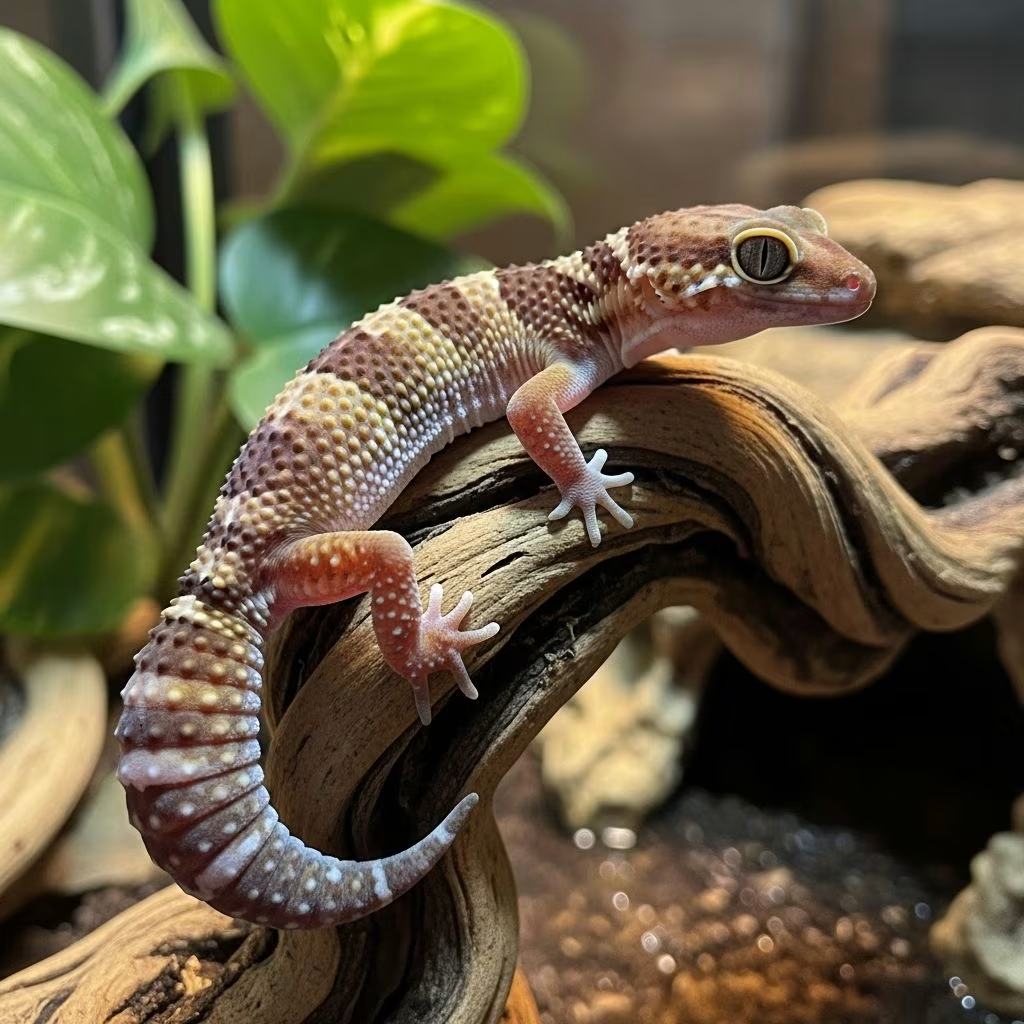
The African fat-tailed gecko (Hemitheconyx caudicinctus) stands out as a captivating nocturnal reptile pet, prized for its docile nature and distinctive fat-storing tail. Native to the arid savannas and rocky regions of West Africa, these geckos have adapted well to captivity when provided with appropriate conditions. This guide draws from established reptile care practices to help you create an optimal environment that supports their natural behaviors, promotes health, and extends lifespan up to 15-20 years.
Selecting the Right Enclosure
Choosing an enclosure is the foundation of successful African fat-tailed gecko care. These geckos require spacious setups to accommodate burrowing, climbing, and exploring, mimicking their wild habitats.
- Minimum Dimensions: For a single adult, use a 36x18x18-inch terrarium (90x45x45 cm) or larger. Front-opening PVC or glass enclosures work best for secure containment and easy access.
- Substrate Depth: Layer naturalistic substrate at least 4 inches deep to enable digging. Options include a mix of 40% organic topsoil, 40% play sand, and 20% excavator clay for a bioactive setup without drainage layers, as humidity is moderate.
- Enrichment Features: Incorporate low branches, cork bark hollows, ledges, vines, and live or artificial plants for hiding and climbing. Clutter the space to encourage natural nocturnal activity.
Avoid wire cages that can cause toe entrapment. For juveniles under 6 months, start with paper towels for easy cleaning and monitoring health before transitioning to deeper substrates.
Maintaining Optimal Temperature Gradients
African fat-tailed geckos are ectothermic, relying on environmental heat to regulate body temperature. Establish a clear gradient across the enclosure to allow thermoregulation.
| Zone | Temperature Range (°F) | Heating Method |
|---|---|---|
| Warm Side (Basking) | 88-92 | Overhead halogen or ceramic heat emitter |
| Cool Side | 75-82 | Ambient room temperature or low-watt mat |
| Nighttime Drop | 70-78 | Turn off all heat sources |
Use thermostats to prevent overheating. Overhead heating promotes natural belly heat absorption, unlike under-tank mats that can cause burns. Monitor with digital thermometers and infrared temp guns for accuracy.
Humidity and Hydration Essentials
These geckos hail from regions with distinct wet and dry seasons, so replicate this cycle for hormonal health and shedding success.
- Seasonal Humidity: 70-80% during ‘wet’ season (April-October) via nightly misting; 50% in ‘dry’ season (November-March).
- Humid Hide: Provide a cave on the cool side filled with moist substrate (not standing moss) maintaining 85-100% humidity for shedding and hydration.
- Water Access: Shallow dish with fresh water daily, conditioned with ReptiSafe to remove chlorine. Clean weekly with veterinary disinfectant like F10SC.
Mist enclosure evenings using a pressure sprayer, selecting drought-tolerant plants like pothos or haworthia for bioactive setups.
UVB Lighting: Necessary or Not?
Debate exists on UVB for nocturnal species like fat-tails, but evidence supports low-level exposure for vitamin D3 synthesis, bone health, and welfare.
- Recommendation: 6-7% UVB T5 HO bulb (e.g., Arcadia Forest 6%) over warm side, 8-12 inches from substrate. Photometric distance: UVI 2.0-3.0 at perch level.
- Photoperiod: 12 hours on/off; extend to 13 summer hours, shorten to 11 winter for natural cycles.
- Alternatives: If no UVB, rely on dietary vitamin D3, but UVB enhances overall vitality.
Replace bulbs every 6-12 months, as UVB output degrades invisibly. No heat from lights at night.
Nutrition and Feeding Schedule
Insectivores by nature, fat-tailed geckos thrive on varied prey to meet nutritional demands.
- Feeding Amount: 2 insects per inch of gecko length, or all they eat in 15 minutes. Juveniles daily; adults every 2-5 days based on tail fat (fatter than neck = less frequent).
- Variety List:
- Crickets
- Dubia/discoid/red runner roaches
- Black soldier fly larvae
- Mealworms/superworms (treats)
- Hornworms/silkworms
Prey size: No wider than head. Gut-load insects 24-48 hours with high-protein mixes (cereal, greens, fish flakes). Dust every feeding with calcium; multivitamin 1-2x weekly. Repashy Calcium Plus LoD offers balanced supplementation for UVB users. Remove uneaten insects to prevent injury.
Health Monitoring and Common Issues
Regular observation prevents problems. Quarantine new geckos 3 months.
- Shedding: Whole skin sheds; incomplete? Boost humid hide. Never pull.
- Metabolic Bone Disease: Lethargy, swollen jaws from poor Ca/D3. Fix with supplements/UVB.
- Parasites: Daily spot-clean feces; full substrate change 3-6 months.
- Respiratory Issues: Wheezing from high humidity—ventilate.
Annual vet check with reptile specialist.
Safe Handling and Taming Techniques
Generally docile, fat-tails tame with patience. Tail autotomizes—never grab.
- Quarantine 2 weeks post-setup.
- Hand in enclosure nightly for scent familiarization.
- Start 5-minute sessions every other day, evenings. Let climb on voluntarily; bribe with tong-fed insects.
- Support body fully, slow moves. Handle over soft surfaces.
Consistency builds trust; avoid during sheds.
Bioactive Setups for Advanced Keepers
Elevate care with bioactive terrariums fostering self-sustaining ecosystems.
- Base Mix: Topsoil, ReptiSoil, sand with leaf litter, moss, cleanup crew (springtails/isopods).
- Plants: Moisture-tolerant like ferns, ficus.
- Benefits: Natural enrichment, reduced maintenance.
Ideal after quarantine.
Breeding Considerations
Adults breed post-35g females. Cool to 65°F 2 months winter for cycling, then warm. Females lay 2 eggs clutches; incubate 80°F/80% RH 45-60 days. Sex via pre-anal pores.
Frequently Asked Questions (FAQs)
Do African fat-tailed geckos need UVB?
Low-level UVB is recommended for optimal health, though not strictly required if diet is supplemented.
How often should I feed my gecko?
Daily for juveniles; every 2-5 days for adults.
Can I house multiple geckos together?
Solitary preferred; cohabiting risks fights, especially males.
What if my gecko drops its tail?
Regrows thinner; provide extra nutrition during regrowth.
Ideal beginner pet?
Yes, hardy and low-maintenance with proper setup.
References
- African Fat-Tailed Gecko Care Sheet — The Bio Dude. 2023. https://www.thebiodude.com/blogs/gecko-caresheets/african-fat-tailed-gecko-hemitheconyx-caudicinctus-care-sheet-and-bioactive-terrarium-maintenance
- African Fat-Tailed Gecko Care Sheet — ReptiFiles. 2023. https://reptifiles.com/african-fat-tailed-gecko-care-sheet/
- African Fat-Tailed Gecko Care Sheet — Reptiles Magazine. 2023. https://reptilesmagazine.com/african-fat-tailed-gecko-care-sheet/
- African Fat Tail Gecko — Zoo Med Laboratories, Inc. 2023. https://zoomed.com/african-fat-tail-gecko/
- African Fat Tail Gecko Care guide for beginners — South Coast Reptiles (YouTube). 2023-11-07. https://www.youtube.com/watch?v=G3G4mE0CIdk



