

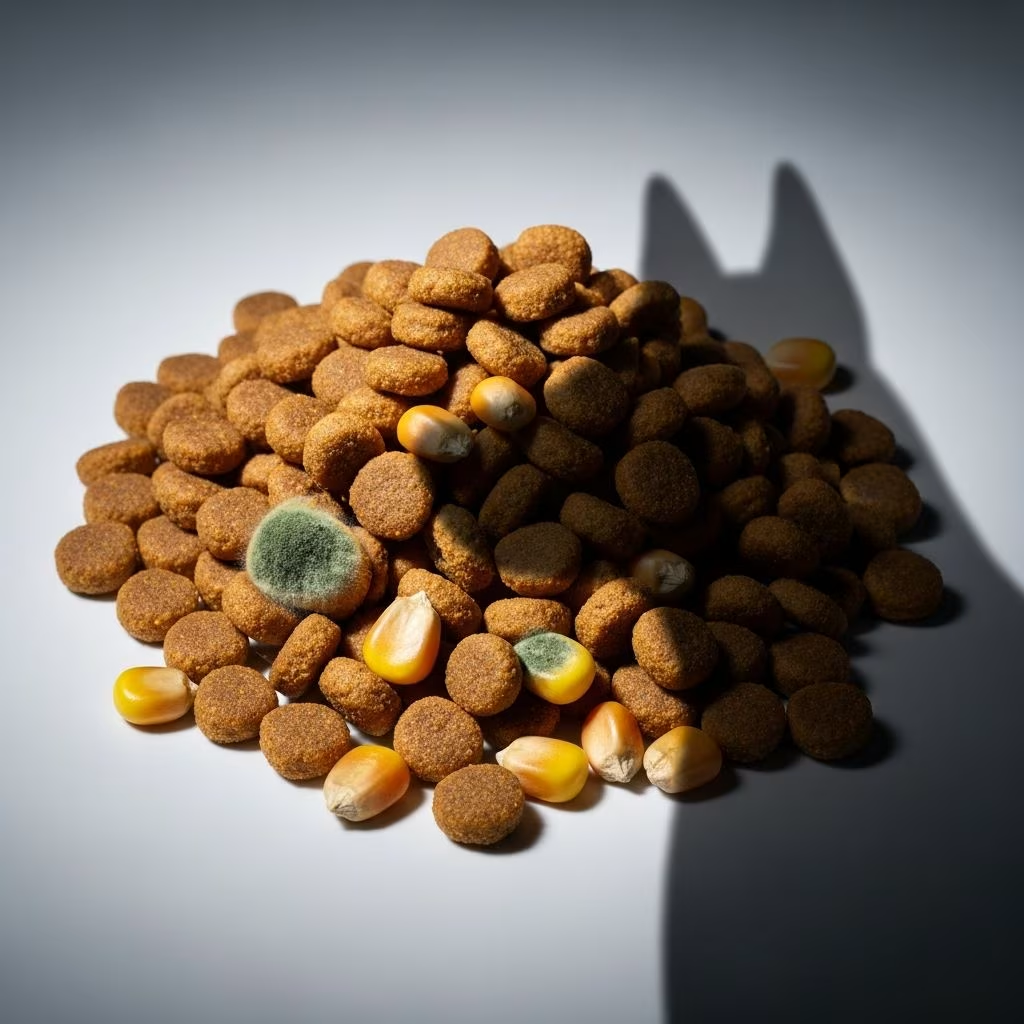
Aflatoxins, potent toxins produced by molds such as Aspergillus flavus and Aspergillus parasiticus, pose serious threats to dogs consuming corn-inclusive kibble. These carcinogens thrive in stressed grains, especially corn damaged by drought or heat, making many commercial dog foods vulnerable.
The Science Behind Aflatoxin Formation
Aflatoxins emerge from fungal metabolism on grains, particularly when kernels crack under environmental stress. Unlike general mold, these specific fungi generate highly carcinogenic compounds that resist breakdown during processing. Corn’s vulnerability stems from its thin seed coat, which cracks easily in hot, dry conditions, allowing invasion.
Other grains like wheat, sorghum, and soy carry lower risks, but corn dominates as the primary concern due to its prevalence in budget formulas. Distillers’ byproducts, such as corn gluten meal and corn germ meal, amplify dangers because they concentrate toxins from lower-grade corn unfit for human use.
FDA Regulations and Safety Thresholds
The U.S. Food and Drug Administration (FDA) enforces strict action levels for aflatoxins in pet foods at 20 parts per billion (ppb) for complete feeds and ingredients destined for pets. This limit matches standards for immature animals and dairy cattle but contrasts sharply with higher allowances for finishing beef cattle (300 ppb) or finishing swine (200 ppb).
| Intended Use | Action Level (ppb) |
|---|---|
| Pet foods (dogs, cats, etc.) | 20 |
| Immature animals | 20 |
| Breeding beef cattle, swine, mature poultry | 100 |
| Finishing swine >100 lbs | 200 |
| Finishing beef cattle | 300 |
This table illustrates FDA tolerances, highlighting pets’ heightened sensitivity. Even one contaminated kernel in a 5-pound sample can exceed limits, underscoring testing challenges. Human foods demand zero tolerance, funneling riskier corn to animal feeds.
Health Impacts on Canines
Dogs exhibit aflatoxicosis symptoms at 60 micrograms per kilogram (ppb equivalent) in feed, far above FDA thresholds. Chronic low-level exposure damages livers, leading to lethargy, appetite loss, vomiting, orange urine, and jaundice. Acute high doses, like 558 ppb in recalls, cause rapid death.
Aflatoxins target the liver, inhibiting enzymes and promoting cancer. Dogs metabolize these toxins inefficiently, amplifying harm compared to other species. Detection occurs via urine, blood, or tissue analysis, but prevention remains key.
Notable Recalls and Outbreaks
History reveals recurring crises. In late 2020, Midwestern Pet Foods recalled Sportmix products after aflatoxin levels hit 558 ppb, linking to 28 dog deaths and illnesses since October. Sunshine Mills followed with recalls for contaminated corn batches.
Earlier incidents involved pet foods exceeding 100 ppb, causing widespread aflatoxicosis. High-volume, low-cost producers face greater risks due to lax ingredient scrutiny. These events emphasize vigilance in supply chains.
- 2020 Midwestern recall: Nationwide, all corn-based products from Chickasha plant.
- Sunshine Mills: Triggered by September tests showing unsafe levels.
- FDA inspections: Prompted by illness reports and deaths.
Why Corn Poses Unique Risks
Premium corn goes to human consumption (No. 1/2 grades), leaving damaged, mold-prone batches for pet food. Heat and drought, like 2012 Midwest crops, fissure kernels, inviting Aspergillus. Storage exacerbates issues if humidity rises.
Corn gluten and germ meals, common in treats, derive from ethanol production waste, concentrating mycotoxins. A single toxic kernel skews averages dangerously in blends.
Identifying and Avoiding Risks
Scan labels: Avoid corn high on lists, especially in economy brands. Opt for grain-free or corn-low formulas from reputable makers with rigorous testing. Watch for recalls via FDA sites.
Monitor pets: Sudden lethargy, vomiting, or yellowing gums signal trouble. Seek vet care immediately, providing diet history. Transition gradually to new foods to prevent digestive upset.
Safer Feeding Alternatives
Prioritize fresh, whole ingredients over fillers. Novel proteins (duck, venison) with veggies reduce grain reliance. Home-prepared meals under vet guidance offer control, but balance nutrients carefully.
- Grain-free kibble from tested sources.
- Fresh or frozen raw diets (pathogen risks noted).
- Air-dried or gently dehydrated options.
Quality trumps cost; invest in transparency via company lab reports.
Manufacturer Responsibilities
Pet food firms must implement Hazard Analysis and Critical Control Points (HACCP) for mycotoxins. Routine grain screening prevents slip-ups. FDA urges compliance to safeguard animals. High-output plants demand extra diligence.
Broader Contamination Sources
Beyond kibble, aflatoxins lurk in moldy treats, peanuts, or scavenged corn. Pastured poultry may carry residues via contaminated feed. Comprehensive diets minimize exposure.
FAQs
What is aflatoxin?
A group of carcinogenic mycotoxins from Aspergillus molds on grains like corn.
Is all corn dog food dangerous?
No, but corn-heavy, low-end products from stressed harvests carry higher risks.
What are aflatoxin symptoms in dogs?
Lethargy, vomiting, jaundice, orange urine, liver failure.
How to check for recalls?
Visit FDA pet food recall page regularly.
Can aflatoxins affect humans?
Yes, highly carcinogenic, but pets face acute risks from diets.
Preventive Strategies for Pet Owners
Educate networks: Share label-reading tips. Demand accountability from brands. Support policies tightening feed standards. Annual vet liver panels catch early issues.
In summary, while not all corn spells doom, awareness empowers choices. Prioritize tested, minimal-grain diets amid volatile harvests.
References
- Corn-Containing Dog Food at Increased Risk of Aflatoxin — Whole Dog Journal. 2012. https://www.whole-dog-journal.com/food/corn-containing-dog-food-at-increased-risk-of-aflotoxin/
- 9 Facts about Corn Ingredients in Pet Food — Truth about Pet Food. N/A. https://truthaboutpetfood.com/9-facts-about-corn-ingredients-in-pet-food/
- Pet Food Related Aflatoxicosis: What You Need to Know — Animal Medical Center New York. 2021-01-27. https://www.amcny.org/blog/2021/01/27/pet-food-related-aflatoxicosis-what-you-need-to-know/
- Hidden Risk: Aflatoxins in Pet Food — Ontario Veterinary College Pet Nutrition. 2021-05-19. https://ovcpetnutrition.uoguelph.ca/2021/05/19/hidden-risk-aflatoxins-in-pet-food/
- FDA Warning after Aflatoxins Found in Dog Food — BioRex Food Diagnostics. N/A. https://biorexfooddiagnostics.com/fda-warning-after-aflatoxins-found-in-dog-food/
- Aflatoxins and Animal Food Safety — NC State Extension. N/A. https://content.ces.ncsu.edu/aflatoxins-and-animal-food-safety-hazards
- Aflatoxin Poisoning in Pets: What You Need to Know — Michigan Department of Agriculture & Rural Development. N/A. https://www.michigan.gov/mdard/animals/feed-safety/feedrecalls/aflatoxin-poisoning-in-pets-what-you-need-to-know



