
Undefined Aflatoxicosis In Poultry: 5 Preventive Measures
Understanding the dangers of aflatoxin poisoning in birds, from symptoms and causes to prevention and management strategies for flock health.
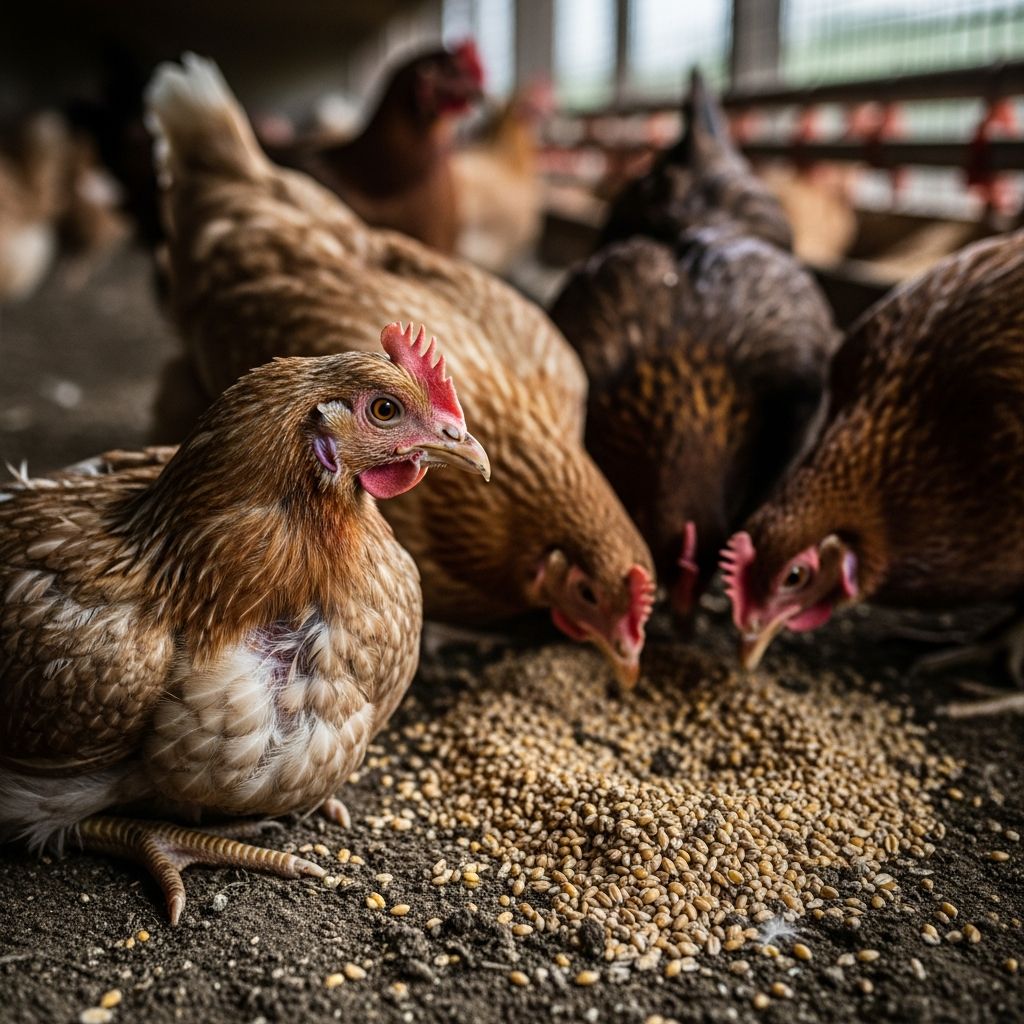
Aflatoxicosis represents a critical challenge in poultry farming, stemming from potent toxins produced by certain molds that infiltrate feed supplies. These mycotoxins, primarily aflatoxin B1, disrupt vital physiological processes, leading to reduced productivity and heightened disease vulnerability in birds. Poultry producers must grasp the nuances of this condition to implement timely interventions and protect their operations.
Origins and Production of Aflatoxins
Aflatoxins arise from secondary metabolites of Aspergillus flavus and Aspergillus parasiticus fungi, which flourish in warm, humid environments common in grain storage and feed production. These toxins contaminate corn, peanuts, cottonseed, and other feed ingredients, especially under poor storage conditions with moisture levels above 13%. In poultry settings, young birds like ducklings and turkey poults prove particularly susceptible due to their rapid growth demands, which amplify the toxin’s interference with protein synthesis.
Among the variants, aflatoxin B1 stands as the most toxic and prevalent, capable of persisting through processing and persisting in tissues at low levels. Factors such as high temperatures (25-40°C) and humidity accelerate mold growth, making tropical and subtropical regions hotspots for outbreaks.
Mechanisms of Toxicity in Birds
At the cellular level, aflatoxins bind to DNA and RNA, halting protein synthesis and enzyme production essential for growth and detoxification. The liver bears the brunt, undergoing necrosis, fibrosis, and bile duct proliferation, which manifest as enlarged hepatocytes and megalocytosis under microscopic examination. This hepatic assault impairs nutrient metabolism, coagulation, and immune responses.
Immunosuppression occurs as aflatoxins diminish antibody production and white blood cell activity, rendering birds prone to secondary infections like coccidiosis, salmonellosis, and Marek’s disease. Reproductive impacts include suppressed spermatogenesis, reduced fertility in males, and lower egg hatchability, with doses above 0.5 mg/kg feed triggering these effects.
Recognizing Clinical Manifestations
Symptoms vary by exposure level and bird age. Acute high-dose cases (>10 ppm) cause rapid death following inappetence, weakness, and hemorrhage, often with icterus (jaundice). Subacute or chronic low-level contamination (0.5-2 ppm) leads to more insidious signs: stunted growth, poor feed conversion, uneven flock development, and decreased egg production.
- Reduced weight gain and feed efficiency, especially in broilers.
- Immunosuppression increasing mortality from concurrent diseases.
- Lower egg output, shell quality, and hatchability in layers.
- Male infertility with testicular atrophy.
- Laboratory indicators: elevated liver enzymes (AST, ALT), hyperbilirubinemia, hypoalbuminemia.
Ducklings and turkey poults exhibit heightened sensitivity compared to chickens, while laying hens show greater resilience but still face productivity losses.
Susceptible Poultry Species and Variations
| Species | Sensitivity Level | Key Impacts |
|---|---|---|
| Turkey Poults | High | Growth retardation, high mortality. |
| Ducklings | High | Immunosuppression, liver damage. |
| Broiler Chickens | Moderate | Reduced feed efficiency, poor gains. |
| Laying Hens | Low | Decreased egg production, quality issues. |
| Male Breeders | Moderate-High | Fertility decline, sperm abnormalities. |
Males generally suffer more severely than females, and fast-growing strains amplify risks.
Diagnostic Approaches
Diagnosis combines history, clinical observation, and lab confirmation. Feed analysis via HPLC or ELISA detects aflatoxin levels, with thresholds like 20 ppb for broilers and 100 ppb for layers guiding assessments. Necropsy reveals pale, enlarged livers with hemorrhages, bile duct hyperplasia, and occasionally kidney degeneration.
Blood tests show liver enzyme spikes, prolonged clotting times, and protein deficits, supporting presumptive diagnosis when paired with moldy feed history. Differential diagnoses exclude infectious hepatitis or nutritional deficiencies.
Management and Therapeutic Strategies
No antidote exists; primary action involves removing contaminated feed immediately and supplying high-quality, nutrient-dense rations rich in proteins, vitamins (especially E and selenium), and minerals to support liver recovery. Supportive care includes hydration, electrolytes, and stress minimization.
Emerging aids include binders like activated charcoal, which adsorbs toxins in the gut, and antioxidants such as N-acetylcysteine (NAC) at 800 mg/kg body weight to mitigate oxidative damage. Probiotics enhance gut health and toxin sequestration.
Other natural modifiers:
- Grape seed extract (250-500 mg/kg): Hepatoprotective against AFB1.
- Turmeric (222 mg/kg powder): Improves serum proteins and enzymes.
- Milk thistle extract (0.5-1% diet): Shields liver function.
- Black cumin (1% diet): Alleviates production losses.
For immunosuppressed flocks, antibiotics target secondary infections, bolstered by enhanced biosecurity.
Preventive Measures for Flock Protection
Proactive strategies focus on feed quality control. Key practices include:
- Harvesting grains at optimal moisture (<13%) and drying promptly.
- Storing feed in cool, dry, ventilated facilities to inhibit mold.
- Regular testing of ingredients and finished feeds for mycotoxins.
- Using mold inhibitors and toxin binders (e.g., bentonites) in rations.
- Diversifying feed sources to dilute potential contaminants.
Regulatory limits vary: FDA advises 20 ppb for immature poultry, 100 ppb for breeders. Visual inspections for musty odors or discoloration prompt immediate rejection.
Economic Implications for Poultry Operations
Aflatoxicosis inflicts substantial losses via condemned carcasses, reduced yields (up to 20-30% growth drop), and veterinary costs. In layers, egg production can fall 10-15%, with hatchability losses compounding breeder impacts. Global estimates link mycotoxins to billions in annual poultry industry damages, underscoring prevention’s ROI.
Research Frontiers and Future Directions
Ongoing studies explore genetic resistance in breeds, advanced binders, and fungal biocontrol agents like non-toxigenic Aspergillus strains. Vaccine development against aflatoxigenic molds shows promise for dairy but warrants poultry trials. Climate change may exacerbate risks, necessitating adaptive storage tech.
Frequently Asked Questions (FAQs)
What causes aflatoxicosis in poultry flocks?
It results from ingesting feed contaminated with aflatoxins from Aspergillus molds, thriving in humid grains.
How do I spot aflatoxin poisoning early?
Watch for poor growth, uneven flock size, reduced feed intake, and secondary disease spikes.
Can birds recover from aflatoxicosis?
Yes, with prompt feed removal and supportive nutrition; moderate cases resolve, but severe liver damage may persist.
Are there safe aflatoxin levels in poultry feed?
Guidelines suggest <20 ppb for broilers, <100 ppb for layers to avoid clinical effects.
What natural remedies help against aflatoxins?
Options like turmeric, grape seed extract, and probiotics offer protective benefits per studies.
References
- Aflatoxicosis — Queensland Government Department of Agriculture and Fisheries. 2023. https://www.business.qld.gov.au/industries/farms-fishing-forestry/agriculture/biosecurity/animals/diseases/guide/aflatoxicosis
- Aflatoxicosis in Animals – Toxicology — Merck Veterinary Manual. 2023-10-15. https://www.merckvetmanual.com/toxicology/mycotoxicoses/aflatoxicosis-in-animals
- Animal Health and Welfare Knowledge Hub – Aflatoxicosis — Farm Health Online. 2022. https://www.farmhealthonline.com/disease-management/poultry-diseases/aflatoxicosis/
- Effect of Aflatoxins on Poultry Production and Control — Engormix. 2020-05-12. https://en.engormix.com/mycotoxins/aflatoxins/effect-aflatoxins-poultry-production_a43176/
- Aflatoxicosis in Chickens: Signs, Treatment & Prevention — PoultryDVM. 2025. https://poultrydvm.com/condition/aflatoxicosis
- Aflatoxicosis in Poultry — MSD Veterinary Manual. 2023. https://www.msdvetmanual.com/poultry/mycotoxicoses-in-poultry/aflatoxicosis-in-poultry
- Be aware of aflatoxins — Wageningen University & Research. 2006. https://edepot.wur.nl/9074
Similar Articles








Read full bio of Sneha Tete


