

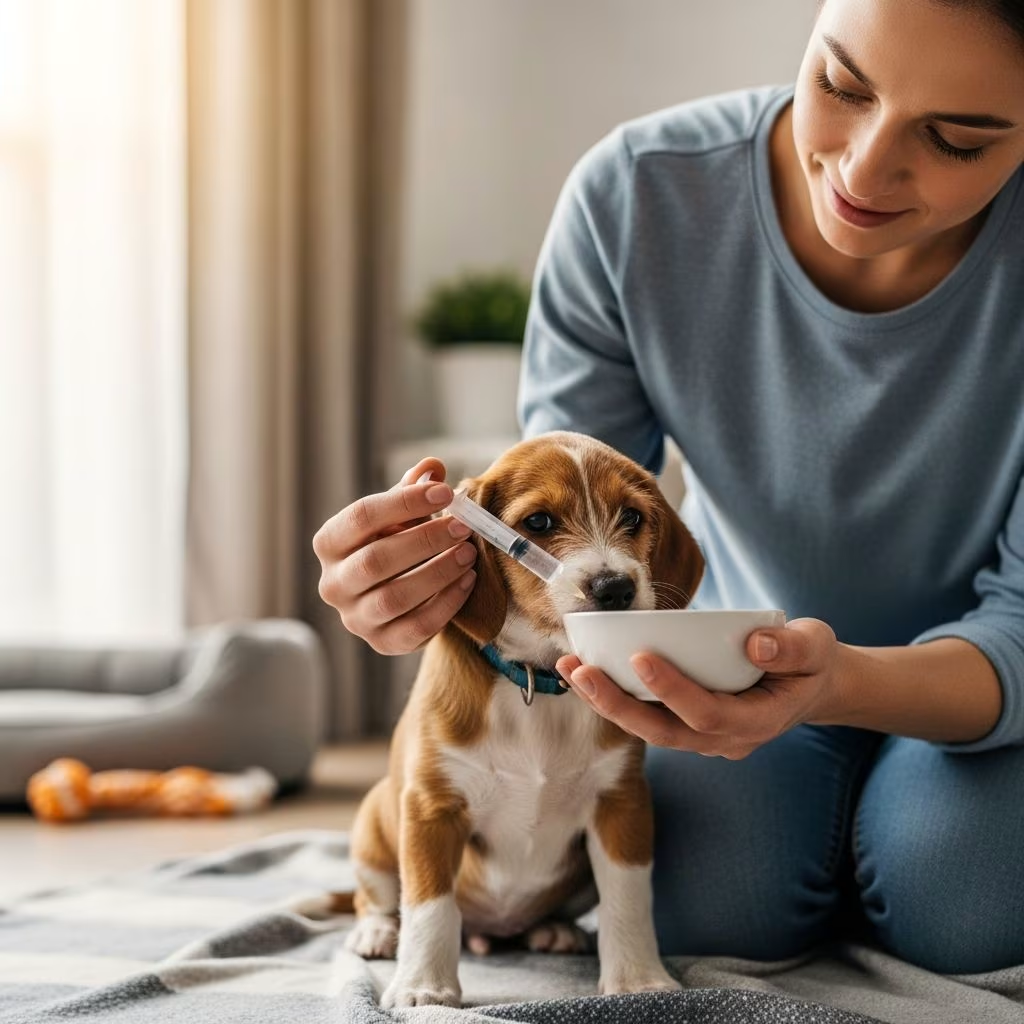
Canine parvovirus, commonly known as parvo, remains one of the most dreaded diseases among dog owners due to its rapid onset and high treatment costs. While professional veterinary intervention is crucial, emerging home-based supportive strategies can complement care, potentially preventing the heartbreaking decision of economic euthanasia.
Understanding the Parvovirus Threat
Parvovirus targets rapidly dividing cells in a dog’s bone marrow and intestinal tract, leading to immune suppression and severe gastrointestinal damage. Dogs exhibit symptoms like profuse bloody diarrhea, relentless vomiting, high fever, extreme lethargy, and rapid dehydration. Without prompt action, mortality rates can exceed 90% in untreated cases.
The virus spreads easily through contaminated feces, surviving in environments for months or even years. Puppies under six months and unvaccinated dogs are most vulnerable. Diagnosis typically involves a fecal antigen test, confirming infection quickly at a vet clinic.
Why Costs Spiral and Economic Euthanasia Looms
Hospitalization for parvo often requires 5-7 days of intensive care, including IV fluids, monitoring, and medications, with bills ranging from $3,000 to $10,000 or more. For many families, this price tag forces tough choices, leading to “economic euthanasia” where owners opt to end suffering due to unaffordable care.
Supportive care forms the backbone of treatment since no direct antiviral exists. Key elements include fluid replacement, electrolyte balancing, anti-nausea drugs, and antibiotics to fend off secondary infections. Recent advancements offer hope for more accessible options.
Breakthrough in Parvo Management: Monoclonal Antibodies
In 2023, the FDA approved Canine Parvovirus Monoclonal Antibody (CPMA), a game-changer administered as a single IV injection. This lab-engineered protein binds to the virus, blocking its entry into cells and reducing symptom severity. Studies show it markedly improves outcomes when given early, often shortening hospital stays.
CPMA doesn’t repair prior damage but neutralizes ongoing viral activity, allowing the dog’s immune system to recover. Vets report faster resolution of diarrhea and vomiting, potentially cutting costs by enabling earlier discharge. Owners should request this at diagnosis for optimal results.
Core Supportive Treatments Explained
| Treatment Type | Purpose | Common Options | Delivery Method |
|---|---|---|---|
| IV Fluids & Electrolytes | Combat dehydration, restore balance | Lactated Ringer’s, supplements | Hospital IV drip |
| Antibiotics | Prevent secondary infections | Metronidazole, Amoxicillin | IV or injection |
| Anti-Nausea | Control vomiting | Maropitant (Cerenia), Ondansetron | IV or injection |
| Monoclonal Antibodies | Neutralize virus | CPMA | Single IV dose |
These interventions, when combined, boost survival to 85-95% with aggressive care. Plasma transfusions may be needed in severe cases for clotting factors and proteins.
Home-Based Support: Bridging the Gap
While hospitalization is ideal, some owners manage milder cases or post-discharge care at home under vet guidance. Key strategies include:
- Hydration Monitoring: Subcutaneous fluids (if vet-trained) using lactated Ringer’s solution. Administer 50-100 ml/kg daily, warmed to body temperature.
- Electrolyte Solutions: Oral rehydration with unflavored Pedialyte, diluted 50/50 with water, in small frequent doses.
- Nutrition Management: Fast for 12-24 hours, then introduce bland diet: boiled chicken/rice or prescription recovery food. Feed small amounts every 2-4 hours.
- Comfort Measures: Keep dog warm with blankets, in a quiet, clean space. Use heating pads on low, monitored to avoid burns.
- Medication Adherence: Follow vet-prescribed antiemetics and probiotics to support gut flora.
Daily weigh-ins and fecal checks are essential. Watch for worsening signs like sunken eyes or prolonged lethargy, warranting immediate vet return.
Emerging Home-Friendly Therapies
Research funded by the AKC Canine Health Foundation explores gelatin tannate (Tasectan), a compound forming a protective intestinal biofilm. It reduces toxin leakage, inflammation, and bacterial adhesion, potentially speeding recovery when added to standard protocols. Early trials show good tolerability.
Probiotics and prebiotics are gaining traction for restoring gut microbiome balance disrupted by parvo. Products with Lactobacillus and Enterococcus strains may shorten diarrhea duration. Always consult a vet before starting.
Prevention: The Ultimate Cost-Saver
Vaccination remains the cornerstone, effective since 1981. Puppies need a series starting at 6-8 weeks, with boosters. Core vaccines protect against parvo strains.
- Clean environments with 1:32 bleach solution (10 minutes contact).
- Avoid dog parks until fully vaccinated.
- Quarantine new dogs for 2 weeks.
Annual titer tests can confirm immunity in adults, reducing unnecessary boosters.
Step-by-Step Home Care Protocol
- Confirm Diagnosis: Vet test immediately upon symptoms.
- Initiate Fluids: Hospital IV first, transition to sub-Q if approved.
- Medicate Precisely: Anti-nausea q8-24h, antibiotics as prescribed.
- Monitor Vitals: Temperature 101-102.5°F normal; heart rate 60-160 bpm.
- Reintroduce Food: Day 3-5, bland diet escalating slowly.
- Follow-Up: Vet recheck at 7-10 days; fecal test negative.
Risks and When to Escalate
Home care suits stable, improving dogs but risks sepsis or shock if mismanaged. Red flags: blood in vomit, no urine output >12 hours, seizures, or temperature >104°F. Untreated, parvo leads to multi-organ failure. Survival hinges on action within 24-48 hours of symptoms.
Financial Planning for Parvo Emergencies
Pet insurance covering wellness and illness prevents financial ruin. High-deductible plans or micro-insurance apps offer affordability. Crowdfunding via platforms like GoFundMe has saved many pets. Community vet funds or payment plans ease burdens.
FAQs
Can parvo be treated at home without a vet?
No, initial diagnosis and monoclonal antibody require professional care. Home support follows vet direction only.
How long does parvo recovery take?
5-10 days with treatment; full strength in 2-4 weeks. Puppies recover slower.
Is CPMA available everywhere?
Yes, since 2023 approval; most clinics stock it.
Can vaccinated dogs get parvo?
Rarely, but possible if immunity wanes or exposed to new variants.
What disinfects parvo best?
Bleach (1:30-50 dilution), accelerated hydrogen peroxide products.
Long-Term Outlook and Breed Considerations
Survivors develop lifelong immunity but may have sensitive guts. Rottweilers, Dobermans, and Pit Bulls face higher risks. Annual wellness checks ensure early detection.
By blending vet expertise with informed home care, owners can navigate parvo affordably, preserving bonds without economic despair.
References
- Progress Treating Parvo — AKC Canine Health Foundation. 2023. https://www.akcchf.org/research-progress/progress-treating-parvo/
- Canine Parvovirus: Prevention and Treatment Options — PetNest Animal Hospital. 2024-05-22. https://petnestanimalhospital.com/2024/05/22/canine-parvovirus-prevention-and-treatment-options/
- Parvovirus in Dogs: Symptoms, Causes, and Treatments — GoodRx. N/A. https://www.goodrx.com/pet-health/dog/parvovirus-in-dogs
- Parvovirus: Transmission to Treatment — Cornell University College of Veterinary Medicine. N/A. https://www.vet.cornell.edu/departments-centers-and-institutes/riney-canine-health-center/canine-health-topics/parvovirus-transmission-treatment
- Treatment of Severe Parvoviral Enteritis (Proceedings) — dvm360. N/A. https://www.dvm360.com/view/treatment-severe-parvoviral-enteritis-proceedings
- Parvovirus in Dogs — VCA Animal Hospitals. N/A. https://vcahospitals.com/know-your-pet/parvovirus-in-dogs
- Canine Parvovirus — American Veterinary Medical Association. N/A. https://www.avma.org/resources-tools/pet-owners/petcare/canine-parvovirus



