

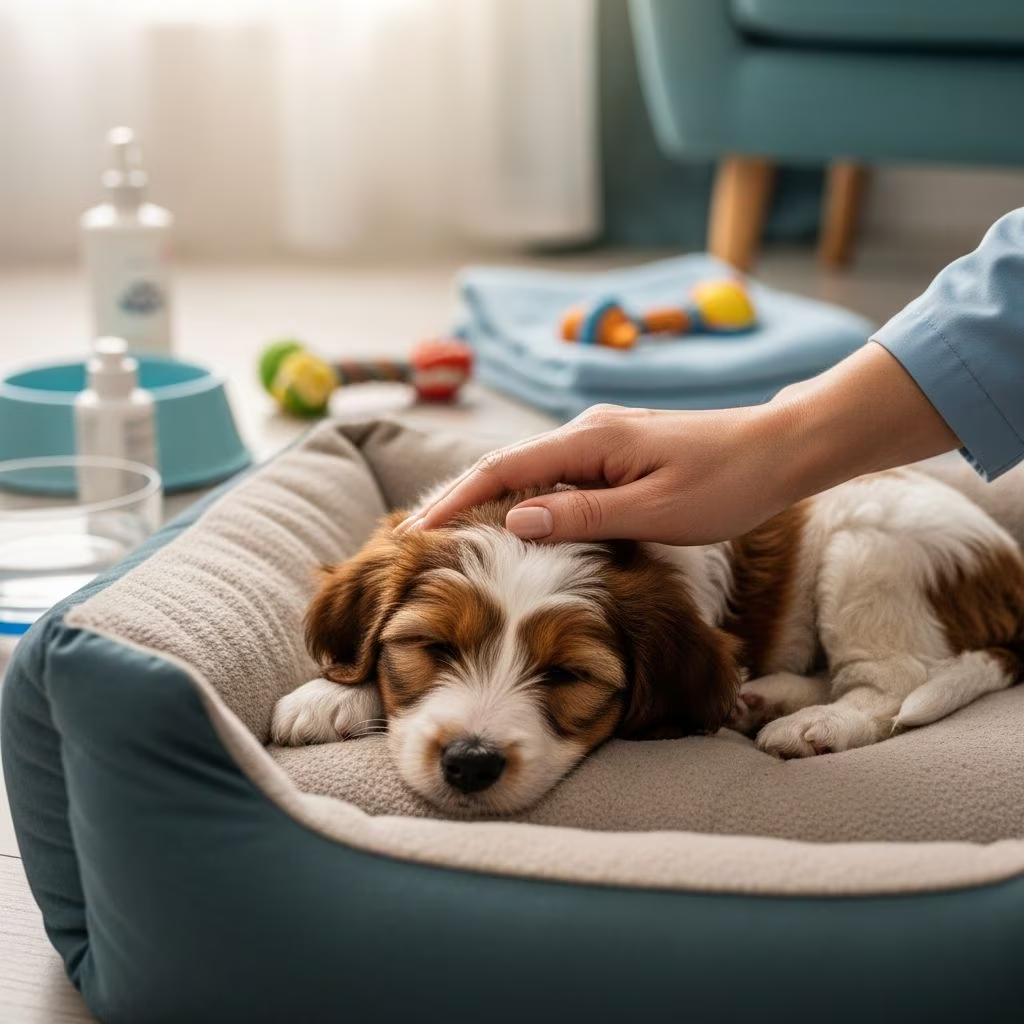
Canine parvovirus, commonly known as parvo, remains one of the most devastating diseases affecting dogs, particularly unvaccinated puppies. While traditional treatment demands intensive veterinary hospitalization, recent advancements offer promising home-based alternatives that can drastically cut costs and prevent heartbreaking decisions like economic euthanasia. This article delves into these innovations, providing dog owners with actionable insights grounded in veterinary science.
Understanding the Parvo Threat
Parvovirus targets rapidly dividing cells in a dog’s bone marrow and intestinal lining, leading to a weakened immune system and severe gastrointestinal damage. Symptoms emerge quickly: profuse bloody diarrhea, relentless vomiting, high fever, extreme lethargy, and rapid dehydration. Without prompt intervention, mortality rates can exceed 90% in severe cases.
The virus spreads through contaminated feces, surviving in environments for months or even years due to its resilience against many disinfectants. Puppies under six months and certain breeds like Rottweilers, Dobermans, and Labrador Retrievers face heightened risks. Early detection via fecal antigen testing is crucial, confirming infection within minutes at most clinics.
Breakthrough in Parvo Therapy: Monoclonal Antibodies
In 2023, the veterinary world welcomed a game-changer: Canine Parvovirus Monoclonal Antibody (CPMA). This lab-engineered treatment mimics the dog’s natural antibodies, binding directly to the virus to block its entry into intestinal cells. Administered as a single intravenous injection at diagnosis, CPMA significantly reduces symptom severity and boosts survival odds.
Unlike broad-spectrum supportive care, CPMA targets the virus precisely, potentially shortening recovery time and minimizing hospitalization needs. Studies show it lessens clinical signs when given early, making it ideal for outpatient or home-managed cases under vet supervision. Cost-wise, it’s more affordable than multi-day ICU stays, opening doors for owners facing financial hurdles.
Supportive Care Essentials: Building a Home Recovery Plan
While no antiviral cures parvo outright, supportive measures address dehydration, secondary infections, and nutrient loss—key to survival. Hospitalization remains gold standard, but elements can adapt for home use with veterinary guidance.
- Fluid Therapy: Intravenous fluids combat dehydration from vomiting and diarrhea. At home, veterinarians may teach subcutaneous fluid administration using needles under the skin, a technique many owners master quickly.
- Anti-Nausea Medications: Drugs like maropitant (Cerenia), ondansetron (Zofran), or metoclopramide prevent vomiting, allowing nutrient retention. These are often injectable or oral post-stabilization.
- Antibiotics: Metronidazole or amoxicillin curb bacterial overgrowth from gut leakage. Administered via IV or pills, they prevent sepsis.
- Nutritional Support: Electrolyte solutions and bland diets (boiled rice and chicken) reintroduce food gradually once vomiting subsides.
Monitor vital signs: aim for hydration checks (skin tenting test), temperature (normal 101-102.5°F), and stool consistency. Daily vet check-ins via phone or telehealth ensure progress.
Emerging Home Adjuvants: Tannate Gels and Beyond
Ongoing research explores gelatin tannate (Tasectan), a compound blending tannic acid and gelatin. It forms a protective intestinal biofilm, reducing inflammation, bacterial toxins, and fluid loss. Funded by the AKC Canine Health Foundation, trials at Koret School of Veterinary Medicine show good tolerability and potential to hasten recovery when added to standard protocols.
Other adjuncts include probiotics to restore gut flora, de-wormers for concurrent parasites, and plasma transfusions in clinics for severe cases. These tools empower owners to manage milder infections at home, slashing bills from thousands to hundreds.
| Treatment Type | Administration | Benefits | Cost Impact |
|---|---|---|---|
| CPMA | Single IV injection | Neutralizes virus directly | Reduces hospital days |
| SubQ Fluids | Home needle injections | Manages dehydration | Low-cost supplies |
| Antiemetics | IV/Oral | Stops vomiting | Affordable generics |
| Gelatin Tannate | Oral | Protects gut lining | Experimental savings |
Cost Barriers and Economic Euthanasia Realities
Intensive parvo care often exceeds $2,000-$5,000 for 5-7 day hospitalizations, pricing out many families. “Economic euthanasia”—putting down treatable dogs due to costs—affects countless pets yearly. New options like CPMA and home support shift this paradigm, with survival rates climbing to 85-95% under aggressive care.
Owners report success combining vet-prescribed home kits: fluids, meds, and monitoring apps. Charities like pet assistance funds or breed rescues can bridge gaps, but prevention trumps cure.
Prevention: The Ultimate Defense
Vaccination series starting at 6-8 weeks, with boosters, confers near-total protection since 1981. Core vaccines target parvo effectively, yet lapses in puppy protocols fuel outbreaks. Disinfect with accelerated hydrogen peroxide or bleach (1:32 dilution), avoiding steam-cleaning myths.
- Quarantine new dogs 2 weeks.
- Avoid dog parks until fully vaxxed.
- Clean environments rigorously.
Step-by-Step Home Care Protocol
- Confirm Diagnosis: Vet fecal test immediately.
- Administer CPMA: If available, single dose at clinic.
- Hydrate: SubQ fluids 50-100ml/kg/day.
- Medicate: Antiemetics, antibiotics per vet Rx.
- Feed Blandly: Small meals post-24hr vomit-free.
- Monitor: Weight, temp, hydration daily; return if worsening.
Prognosis improves with intervention before day 3; breeds like Rottweilers need extra vigilance.
FAQs: Parvo Home Treatment Essentials
Q: Can parvo be treated at home without a vet?
A: No—initial diagnosis and CPMA require professional oversight, but support can continue home.
Q: How long does recovery take?
A: 5-10 days with good care; full immunity follows natural infection.
Q: Is CPMA safe for puppies?
A: Yes, approved for all ages, reducing severity effectively.
Q: What if my dog worsens at home?
A: Rush to ER for IV escalation; don’t delay.
Q: How to prevent spread?
A: Isolate, disinfect, vaccinate household pets.
Real Owner Stories and Vet Insights
Vets note CPMA’s role in outpatient success: one clinic reported 90% recovery without admission. Owners share triumphs of home fluid kits saving litters, emphasizing early action. Research from Cornell and AAHA underscores combined therapies’ promise.
While challenges persist, these strategies democratize parvo care, ensuring more dogs beat the odds affordably.
References
- Progress Treating Parvo — AKC Canine Health Foundation. 2023. https://www.akcchf.org/research-progress/progress-treating-parvo/
- Canine Parvovirus: Prevention and Treatment Options — PetNest Animal Hospital. 2024-05-22. https://petnestanimalhospital.com/2024/05/22/canine-parvovirus-prevention-and-treatment-options/
- Parvovirus in Dogs: Symptoms, Causes, and Treatments — GoodRx. N/A. https://www.goodrx.com/pet-health/dog/parvovirus-in-dogs
- Parvovirus: Transmission to treatment — Cornell University College of Veterinary Medicine. N/A. https://www.vet.cornell.edu/departments-centers-and-institutes/riney-canine-health-center/canine-health-topics/parvovirus-transmission-treatment
- Treatment of severe parvoviral enteritis (Proceedings) — dvm360. N/A. https://www.dvm360.com/view/treatment-severe-parvoviral-enteritis-proceedings
- Parvovirus in Dogs — VCA Animal Hospitals. N/A. https://vcahospitals.com/know-your-pet/parvovirus-in-dogs
- Canine parvovirus — American Veterinary Medical Association. N/A. https://www.avma.org/resources-tools/pet-owners/petcare/canine-parvovirus



