

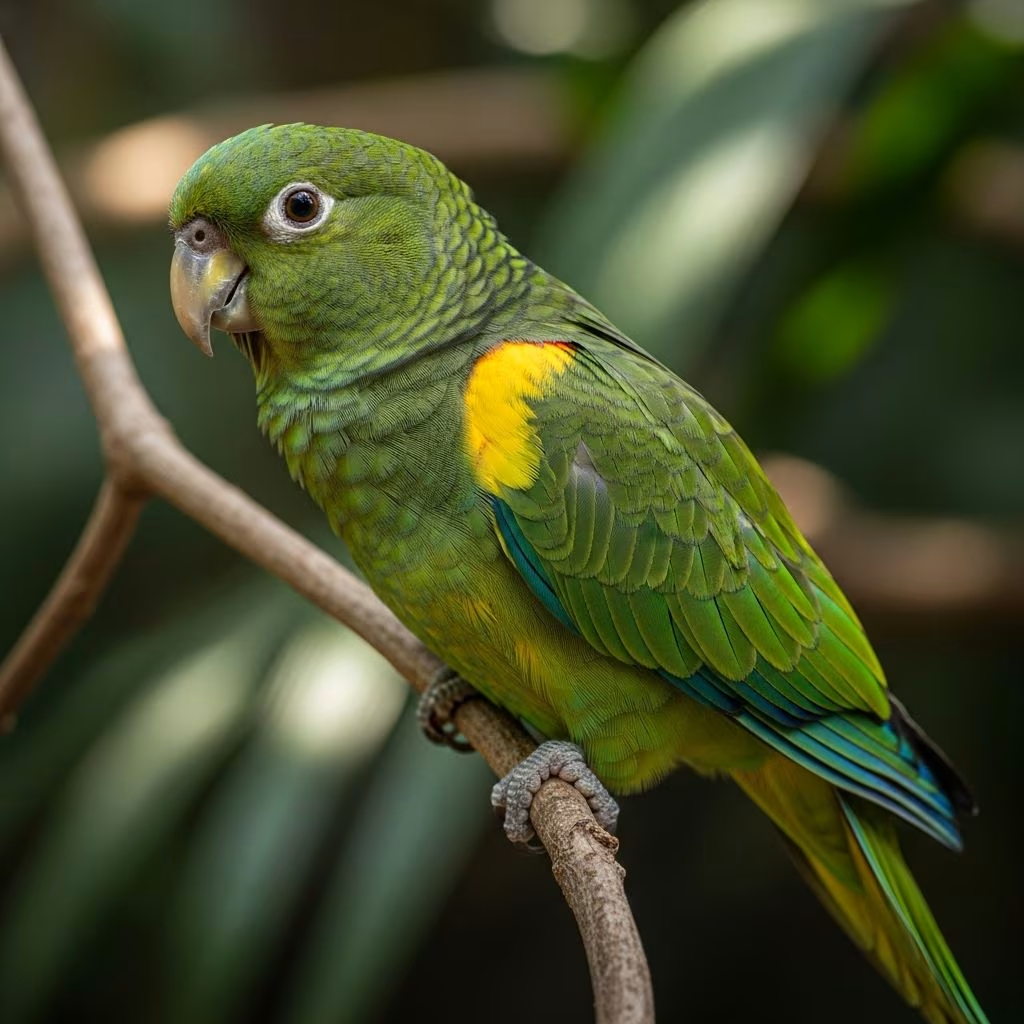
The Affectionate Canary-Winged Parakeet: A Complete Care Guide
Canary-winged parakeets, scientifically known as Brotogeris versicoluris, are small South American parakeets that have captured the hearts of bird enthusiasts worldwide. Members of the genus Brotogeris, these engaging little birds were among the most sought-after pets during the 1970s and ’80s, when they were imported by the tens of thousands. Their gentle temperament, coupled with their charming personalities, made them instantly popular among bird lovers. However, since the implementation of the 1992 Wild Bird Conservation Act, canary-winged parakeets are no longer imported from the wild. Instead, domestically raised birds have become the standard, and hand-raised babies are truly a joy to own. Owners consistently describe these delightful companions as affectionate, intelligent, playful, and bold little parakeets that bring endless entertainment and companionship to their households.
Understanding Canary-Winged Parakeet Characteristics
These small parakeets possess distinctive physical features that make them easily recognizable. Canary-winged parakeets are primarily olive-green in color, with striking white patches on their wings that are most visible when the bird is in flight. At rest, the wings display a beautiful band of yellow edging, which is how they earned their common name “canary-winged.” They are also sometimes referred to as white-winged parakeets, and affectionately called “bee bee” parakeets due to their small size combined with their quick, darting flight patterns that resemble bees buzzing around.
In terms of size, canary-winged parakeets are slightly larger than budgies and lovebirds but considerably smaller than cockatiels. These diminutive parrots are considered “pocket parrots” by some enthusiasts, making them suitable for owners with limited space who still desire the companionship of a parrot. Their manageable size, combined with their engaging personalities, makes them an excellent choice for both first-time bird owners and experienced aviculturists.
Personality and Behavioral Traits
Social and Affectionate Nature
Active, inquisitive, and outgoing, canary-winged parakeets seem to genuinely enjoy spending time with their owners and can be remarkably affectionate with all members of the family. One owner from New York shared their experience: “I have two canary wing girls that have been with me for five years now. They are wonderful companion birds. They will give you as much affection and attention as you give them, so if you’re looking for a bird to do everything with you, you’ve found the one.”
These charming birds often develop close relationships with their human handlers and enjoy spending time in physical contact with their owners. They frequently ride around on shoulders or nest comfortably in their owner’s hair, displaying a level of trust and affection that is truly endearing. In the wild, canary-winged parakeets form lifelong monogamous pairs and are known for their strong bonds with their mates, a characteristic that translates to their ability to bond deeply with human caregivers.
Social Dynamics with Other Birds
Canary-winged parakeets are inherently social birds. In their natural habitat, they are often seen in flocks of up to 100 individuals, communicating with one another through a variety of vocalizations including chirps, whistles, and screeches. In captivity, they can be social with other Brotogeris species, provided patience and care are used when introducing the birds. Importantly, they do not lose their bonding with their human owners if they receive daily one-on-one attention.
Intelligence and Trainability
These intelligent little parakeets can learn a variety of tricks and respond well to training. While not known for being the most proficient talkers, canary-winged parakeets excel at whistling and can learn to mimic an impressive array of tunes. Some owners report that their canary wings have even learned to imitate human speech. Their cognitive abilities make them engaging and entertaining companions that continue to surprise and delight their owners.
Housing and Environmental Needs
Cage Requirements
A canary-winged parakeet requires a spacious cage, flight cage, or aviary that allows plenty of room to exercise. These birds are active and energetic, and inadequate space can lead to behavioral problems and poor health. Multiple perches of varying diameters and materials should be provided to help maintain foot health and provide comfort. The cage should be constructed from bird-safe materials and regularly inspected for any hazards.
Enrichment and Mental Stimulation
Canary-winged parakeets are playful and inquisitive by nature, making enrichment essential for their well-being. Plenty of toys and climbing opportunities are must-haves for maintaining mental stimulation and creating an enriching environment. These birds enjoy toys designed for much larger birds, but owners must take care to provide only the highest quality, well-made toys because their strong beaks easily destroy flimsy or poorly made bird toys. Toys should be rotated regularly to prevent boredom, and checked frequently to ensure there are no broken pieces or sharp edges that could injure the bird.
Out-of-Cage Time
Supervised out-of-cage time is crucial for these active birds. Allowing your canary-winged parakeet to fly and explore helps with exercise, bonding, and mental stimulation. Always supervise your bird during free-flight or playtime, and keep them indoors during these sessions to prevent escape or injury.
Nutrition and Feeding Guidelines
Dietary Foundation
Canary-winged parakeets fed a wide variety of parrot bird food during weaning usually become good eaters. They do best on a good basic diet of seed or pellet mixture formulated for cockatiels or small parrots. The foundation of their diet should consist of high-quality pellets combined with nutritious seeds, providing the necessary vitamins and minerals for optimal health.
Fresh Foods and Supplements
Daily supplementation with fresh foods is essential for maintaining your bird’s health and preventing nutritional deficiencies. Feed your canary wing fresh fruits, vegetables, greens, grains, and legumes on a daily basis. Excellent vegetable options include chard, spinach, and bok choy. Additionally, offer sprouted seeds, nuts (in moderation, as they are high in fat), and whole-grain breads. If your bird is molting, provide protein-rich foods such as cooked egg, bits of cheese, and cooked chicken to support feather growth and overall health.
Nutritional Considerations
It is important to note that canary-winged parakeets are prone to certain health issues, including vitamin deficiencies if fed a poor diet, particularly Vitamin-A deficiency. Ensuring a varied and nutritious diet helps prevent these conditions and promotes long-term health and vitality.
Vocalizations and Sound Levels
Like other parakeets, canary-winged parakeets produce vocalizations that potential owners should be aware of. These birds produce loud, shrill calls, particularly when not within sight of their “flock” or when seeking attention. Single pet canary wings typically make less noise than several birds housed together. However, with lots of appropriate attention from their owners, large and roomy bird cages, interesting bird toys, and a healthy, nutritious diet, canary wings generally don’t engage as much in constant, loud calls. Owners have described canary-winged parakeets as being more vocal compared to budgies and cockatiels, possessing a wide range of vocalizations that can sometimes be shrill and loud. Planning for these noise levels is important, particularly if you live in an apartment or have neighbors in close proximity.
Health Considerations
Like other pet birds, canary-winged parakeets are prone to certain health issues. Common conditions include Psittacosis, vitamin deficiencies (particularly Vitamin-A deficiency when fed an inadequate diet), Aspergillosis, and Psittacine Beak and Feather Disease (PBFD). Regular veterinary check-ups, a balanced diet rich in vitamins and minerals, and proper cage hygiene can help prevent many of these conditions. Canary-winged parakeets typically live up to 20 years when provided with proper care, making them a long-term commitment.
Natural Habitat and Wild Populations
In the wild, canary-winged parakeets are found in the Amazon Basin, ranging from southeast Colombia, eastern Ecuador, eastern Peru, northern Bolivia, and Brazil. They inhabit various types of forests, including rainforests, secondary growth, and forest edges. In their natural environment, they feed primarily on fruits, seeds, nuts, berries, and blossoms. They are known to forage in flocks and can sometimes be seen feeding on cultivated crops, which has led some farmers to view them as pests in certain regions.
Interestingly, there are now established feral populations of canary-winged parakeets in California, Florida, and Puerto Rico. These populations are believed to have originated from escaped or released captive birds. Feral populations are said to consume blossoms and nectar and feed at bird feeders, adapting remarkably well to their non-native environments. This adaptability demonstrates the species’ resilience and flexibility in dietary preferences.
Cage Maintenance and Hygiene
Maintaining a clean living environment is crucial for your canary-winged parakeet’s health and well-being. Replace the habitat liner as needed—daily if soiled with droppings or food debris. Clean food and water dishes every single day to prevent bacterial growth and contamination. Perform a deep-clean of the cage, perches, and toys on a weekly basis to remove accumulated dirt, debris, and potentially harmful bacteria.
Why Canary-Winged Parakeets Make Excellent Companions
The combination of their affectionate nature, intelligence, playful demeanor, and manageable size makes canary-winged parakeets exceptional companion birds. They form genuine bonds with their owners and actively participate in household activities. Their gentle temperament, coupled with their engaging personalities, means they adapt well to family environments. With proper care, attention, and a stimulating environment, these charming parakeets provide years of companionship, entertainment, and genuine affection that enrich the lives of their owners.
Frequently Asked Questions
Q: What is the lifespan of a canary-winged parakeet?
A: Canary-winged parakeets typically live up to 20 years when provided with proper care, diet, housing, and veterinary attention. This makes them a significant long-term commitment for potential owners.
Q: Are canary-winged parakeets good talkers?
A: While not known for being the most proficient talkers, canary-winged parakeets excel at whistling and can learn to mimic an impressive array of tunes. Some individuals even learn to imitate human speech, though this is less common than their whistling abilities.
Q: How loud are canary-winged parakeets?
A: These birds produce loud, shrill calls, particularly when seeking attention or not within sight of their “flock.” However, with proper care, attention, enrichment, and a spacious cage, they engage in less constant loud vocalization. Single birds typically make less noise than multiple birds.
Q: Can canary-winged parakeets be housed with other birds?
A: Yes, canary-winged parakeets can be social with other Brotogeris species when patience and care are used during introductions. They do not lose their bonding with human owners if they receive daily one-on-one attention.
Q: What are common health problems in canary-winged parakeets?
A: Common health issues include Psittacosis, vitamin deficiencies (especially Vitamin-A deficiency), Aspergillosis, and Psittacine Beak and Feather Disease (PBFD). A balanced diet, proper care, and regular veterinary check-ups help prevent these conditions.
Q: How much space does a canary-winged parakeet need?
A: Canary-winged parakeets require a spacious cage, flight cage, or aviary that allows plenty of room to exercise. Multiple perches of varying diameters and materials should be provided to maintain foot health and provide comfort.
Q: What should I feed my canary-winged parakeet?
A: Feed a basic diet of quality seed or pellet mixture for cockatiels or small parrots, supplemented daily with fresh fruits, vegetables, greens, grains, legumes, sprouted seeds, nuts in moderation, and whole-grain breads. During molting, provide protein-rich foods like cooked egg, cheese, and cooked chicken.
References
- Canary-Winged Parakeet Personality, Food & Care — Lafeber Company. 2024. https://lafeber.com/pet-birds/species/canary-winged-parakeet/
- The Affectionate Canary-Winged Parakeet — Chewy Education. 2024. https://www.chewy.com/education/bird/parakeet/the-affectionate-canary-winged-parakeet
- White-Winged Parakeet Behaviour and Characteristics — Wikipedia Foundation. 2024. https://en.wikipedia.org/wiki/White-winged_parakeet
- Canary Wing Parakeet Care Guide — PetSmart Learning Center. 2024. https://www.petsmart.com/learning-center/bird-care/canary-wing-parakeet-care-guide



