

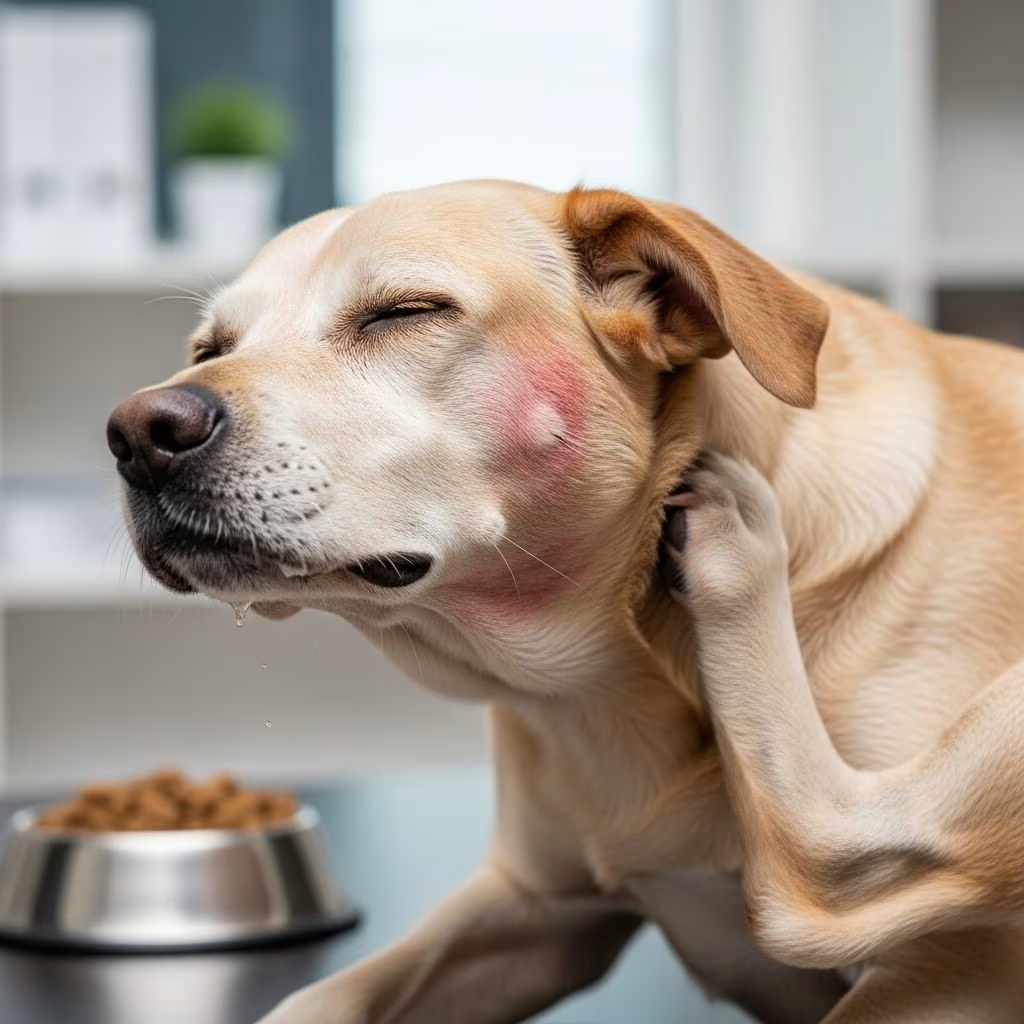
Understanding Adverse Reactions to Food in Dogs
Adverse food reactions in dogs are a common concern for pet owners and veterinarians alike. Dogs can experience various types of negative responses to food, ranging from mild digestive upset to severe allergic reactions. Understanding the differences between food intolerance, food poisoning, and food allergies is essential for providing appropriate care and relief to your canine companion. While these conditions often present similar symptoms, they have distinct causes and require different management approaches.
What Are Adverse Food Reactions?
Adverse food reactions (AFRs) encompass a broad category of abnormal responses that dogs may have to food or food components. These reactions do not always involve the immune system, which is an important distinction when diagnosing and treating them. The term “food intolerance” is more accurate than “food allergy” when describing most adverse food reactions in dogs, as many dogs experience reactions that are not immunologically based.
Food intolerance covers a large category of adverse food reactions that do not involve the immune system. One characteristic feature of food intolerance is that it occurs upon initial exposure to a problematic food or food additive. In contrast, reactions regulated by the immune system, such as food allergies or sensitivities, generally require several exposures before symptoms become apparent.
Types of Adverse Food Reactions
Dogs can experience several different types of adverse food reactions. Understanding each category helps pet owners and veterinarians identify the cause of symptoms and develop appropriate treatment strategies.
Food Poisoning
Food poisoning is an adverse reaction caused by the direct action of a food on the dog. This is a frequent cause of gastrointestinal disease in dogs and can result from various sources. Common causes of food poisoning in dogs include:
- Ingestion of excessive amounts of specific nutrients, such as vitamin A or vitamin D
- Scavenging of spoiled food
- Ingestion of specific problematic foods, such as chocolate
- Ingestion of plants that can cause gastrointestinal irritation, such as rhubarb
Food poisoning typically presents with acute gastrointestinal symptoms that appear shortly after consuming the offending substance.
Reactions to Food Additives
Adverse reactions to food additives are frequently reported in humans and include compounds like sulfites, monosodium glutamate, and certain spices. However, evidence to support that food additives cause problems in dogs is largely lacking. One notable exception is disulfides, which are found in onions and can cause damage to red blood cells in dogs.
Drug-Like Reactions to Food
Some foods can trigger drug-like reactions in dogs. Histamine, which can cause severe clinical reactions in humans including flushing, diarrhea, sweating, nausea, vomiting, and facial swelling, may not be a significant issue for most dogs. However, occasional individual dogs may experience reactions to histamine-containing foods.
Carbohydrate Intolerance
While there are several important disorders of carbohydrate intolerance recognized in humans, carbohydrate intolerance in dogs is less frequently diagnosed. One fairly common carbohydrate reaction in dogs is lactose intolerance, which results in diarrhea, bloating, and abdominal discomfort after ingesting cow’s or goat’s milk.
Dietary Indiscretion
Dogs are famous for eating things they should not, including articles of clothing, garbage, and other non-food items. Gluttony and garbage ingestion are frequent causes of adverse dietary reactions. The gastrointestinal signs that result may stem from bacterial contamination, high fat or grease content, or from foreign objects such as bones, wood, plastic, or aluminum foil.
Food Allergies vs. Food Intolerance
It is crucial to distinguish between a dog’s adverse reaction to something consumed versus involvement of the immune system and a potential food sensitivity. Food allergies represent a true immune-mediated response to specific food proteins, whereas food intolerance does not involve the immune system.
When a dog with food allergies encounters a specific food they are allergic to, their immune system sees that protein as a foreign substance and mounts an immune system attack. This commonly causes skin signs like itching, redness, and swelling, and occasionally causes gastrointestinal signs such as vomiting, diarrhea, and gas. Food allergies in dogs develop over time and typically require multiple exposures to manifest symptoms.
In contrast, food intolerance symptoms can appear immediately upon first exposure to the offending food. Additionally, dog food allergies are less common than environmental allergies, such as seasonal allergies and flea or tick allergies, with only 0.2% of dogs actually affected by food allergies.
Common Food Allergens
The most common dog food allergens are proteins. Historically, chicken was believed to be the protein most likely to cause food allergy, but today research shows that allergens include beef, dairy, wheat, and lamb. Studies also show canine allergic reactions to soybean, eggs, corn, and walnuts. Among these, beef, chicken, and dairy are considered the most common food allergies seen in dogs.
It is important to note that food allergen sensitivity can vary by individual dog, and some dogs may react to multiple protein sources.
Symptoms of Adverse Food Reactions
Symptoms of adverse food reactions in dogs can manifest in multiple ways, affecting either the skin, gastrointestinal system, or both. Recognizing these symptoms is the first step toward identifying a potential food-related problem.
Skin Symptoms
Symptoms of a food allergy include very itchy feet, abdomen, face, and anal area that causes the dog to scratch, chew, lick, and rub themselves. As a result, dogs often develop skin lesions, bacterial infections, or yeast infections. Additional skin-related symptoms include:
- Itchy and/or red skin
- Frequent ear infections and skin infections
- Hair loss
- Licking and chewing feet (veterinarians often look at the underside of the paws for brown staining)
- Redness and swelling
Ear infections occur in about 50% of dogs with food allergies and sometimes are the only symptom present.
Gastrointestinal Symptoms
Gastrointestinal symptoms of adverse food reactions include:
- Diarrhea
- Vomiting
- Excessive gas (flatulence)
- Weight loss
- Decreased energy (lethargy)
About 30% of dogs with food allergies may suffer from diarrhea or vomiting, especially puppies.
Severe Reactions
In rare cases, more severe symptoms can occur, including bronchitis or anaphylaxis. Anaphylaxis, while uncommon, represents a medical emergency and may manifest as hives and facial swelling.
Breeds Predisposed to Food Allergies
Certain dog breeds appear to have a genetic predisposition to food allergies. Breeds with increased susceptibility include:
- Boxer
- Labrador Retriever
- Pug
- Rhodesian Ridgeback
- West Highland White Terrier
- German Shepherd Dog
- Golden Retriever
- Cocker Spaniel
While allergies and intolerances can occur in any breed of dog at any age, these breeds may be at an increased risk.
Diagnosis and Management
Proper diagnosis of adverse food reactions requires a comprehensive veterinary evaluation. Your veterinarian will check on your dog’s diet, including treats and table scraps, to consider a food sensitivity. Understanding your dog’s feeding schedule, nutrient profile, and the timing and severity of any signs and symptoms will help your veterinarian distinguish between a one-time adverse food reaction and a food hypersensitivity.
Response to a dietary elimination trial and recurrence of signs during dietary provocation remain the centerpiece of diagnosis and management of dogs with adverse food reactions. During a food trial, if the diet is working, infections should not return, and itchiness should diminish over approximately 2 to 8 weeks to a minimal point.
When a food that a pet is allergic to is reintroduced, symptoms of itching or infection should appear within a week, and most typically within 1 to 3 days after introducing even a small amount of the offending food.
Distinguishing Food Sensitivity from Other Conditions
There is no way to tell on physical examination alone if a pet has food allergies because the symptoms often look the same as symptoms of environmental allergies, such as those to pollen, dust, or mold, and often resemble many other diseases.
Food sensitivity is a chronic condition rather than an immunological response to a specific ingredient. For example, a dog may react with diarrhea and vomiting to foods with high-fat content. Some veterinarians do not differentiate between food sensitivities and allergies because in both cases a change in diet is required to relieve the symptoms.
Treatment and Dietary Management
The primary treatment for adverse food reactions involves dietary management. Once a problematic food is identified, the solution typically involves feeding a diet that eliminates the offending ingredient or switching to a novel protein source that the dog has not previously consumed.
For dogs with documented food allergies or intolerances, a carefully selected elimination diet can significantly improve symptoms over several weeks. Working with your veterinarian to identify suitable alternative protein sources and ensuring the new diet meets all nutritional requirements is essential for your dog’s health and well-being.
Frequently Asked Questions
Q: What is the difference between a food allergy and food intolerance?
A: Food allergies involve an immune system response to specific food proteins, while food intolerance does not involve the immune system. However, both conditions produce similar symptoms and may require dietary changes to manage.
Q: How long does it take to see improvement with a new diet?
A: Symptoms typically diminish over approximately 2 to 8 weeks when following a diet that eliminates the offending food. However, individual dogs may show improvement at different rates.
Q: Can food allergies develop suddenly in older dogs?
A: Yes, while allergies and intolerances can occur in any breed of dog at any age, they may develop at various points throughout a dog’s life. However, food allergies typically require multiple exposures before symptoms become apparent.
Q: What should I do if my dog shows signs of anaphylaxis?
A: Anaphylaxis is a medical emergency. Seek immediate veterinary care if your dog experiences severe symptoms such as hives, facial swelling, difficulty breathing, or collapse.
Q: Are grain-free diets better for dogs with food sensitivities?
A: While some people advocate for grain-free diets based on inflammation concerns, evidence in dogs is limited. Non-grain carbohydrate sources such as potatoes may have a higher glycemic index than whole grains, potentially causing inflammation due to insulin spikes. Consult your veterinarian about the best dietary choice for your individual dog.
Q: Is there a test to confirm food allergies?
A: There is no definitive physical examination test for food allergies. Diagnosis relies on dietary elimination trials and observing symptom response and recurrence during dietary provocation.
References
- Everything You Need to Know About Dog Food Allergies — American Kennel Club. https://www.akc.org/expert-advice/nutrition/dog-food-allergies/
- Food Allergies and Intolerances in Dogs — PetMD. https://www.petmd.com/dog/conditions/digestive/food-allergies-dogs
- Food Intolerance in Dogs — VCA Animal Hospitals. https://vcahospitals.com/know-your-pet/adverse-reactions-to-food-in-dogs
- Adverse Food Reactions in Dogs and Cats — PubMed Central. 2011. https://pubmed.ncbi.nlm.nih.gov/21486641/
- Food Allergens — Pet Dermatology Clinic. https://www.petdermatologyclinic.com/food-allergens



