

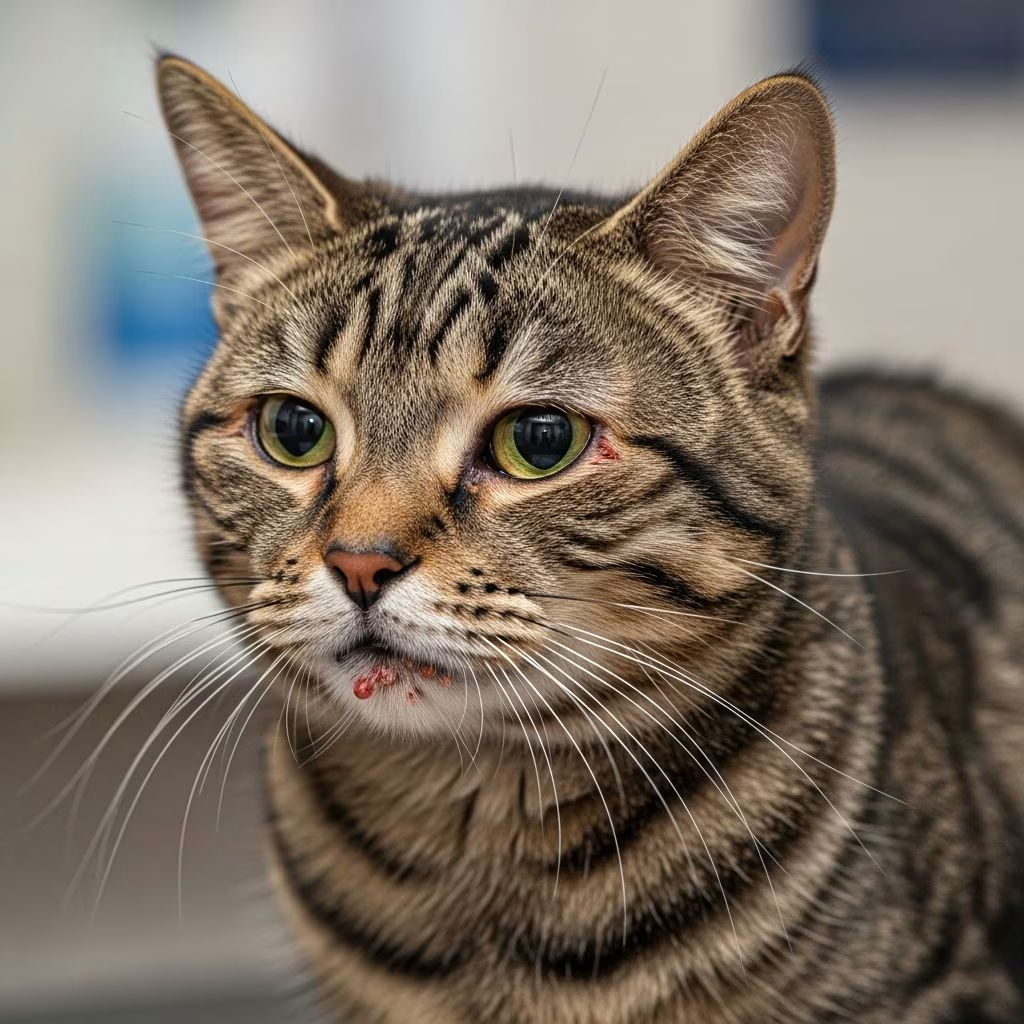
Adverse Reactions to Food in Cats
Cats can experience various adverse reactions to food, and understanding the differences between these reactions is crucial for pet owners and veterinarians alike. While food allergies receive considerable attention, food intolerance is actually a far more accurate term to describe the majority of adverse food reactions in cats. Food intolerance encompasses a large category of reactions that do not involve the immune system and are generally digestive issues. One key characteristic of food intolerance is that it occurs on the initial exposure to that food or food additive, whereas immune-system regulated reactions (allergies or sensitivities) generally require several exposures before signs become apparent.
Understanding Adverse Food Reactions
Adverse food reactions in cats often present similarly to food allergies because the body has limited ways to demonstrate a problem with food. However, the underlying mechanisms can differ significantly. It is important to distinguish whether a cat’s reaction to something they have eaten involves an immune system reaction or whether it is purely a gastrointestinal issue. Either type of reaction requires a comprehensive approach to restore the body to a state of balance. Knowing the cat’s feeding schedule, nutrient profile, and the timing and severity of any signs and symptoms will help your veterinarian distinguish between a one-time adverse food reaction and a chronic food allergy or hypersensitivity.
Types of Adverse Food Reactions
Several general categories of food reactions may occur in cats, each with distinct characteristics and causes:
Food Poisoning
Food poisoning is an adverse reaction caused by the direct action of a food on the cat. Common causes include:
– Ingestion of excessive amounts of specific nutrients like vitamin A or vitamin D- Scavenging of spoiled food- Ingestion of plants that can cause gastrointestinal irritation, such as rhubarb
Food Additives
Adverse reactions to food additives are frequently reported in people and include compounds like sulfites, monosodium glutamate, and certain spices. Despite an impression that food additives can cause problems in cats, evidence to support this is largely lacking. However, one food additive that can cause problems is disulfides, which are found in onions and can cause damage to red blood cells in cats.
Drug-Like Reactions to Food
Histamine, which can sometimes cause severe clinical reactions in humans including flushing, diarrhea, sweating, nausea, vomiting, and facial swelling, may not be an issue in cats except for the occasional idiosyncratic reaction. This type of response is relatively uncommon in felines.
Carbohydrate Intolerance
While there are several important disorders of carbohydrate intolerance in humans, recognized carbohydrate intolerance in cats is less frequent. One fairly common carbohydrate reaction in cats is lactose intolerance. The signs include diarrhea, vomiting, bloating, and abdominal discomfort after ingesting cow’s or goat’s milk. Many cats lack the enzyme lactase, which is necessary to digest lactose properly, making dairy products problematic for these animals.
Common Allergens in Cats
When examining food allergies specifically, certain ingredients appear more frequently as culprits. The most common food allergens for cats include beef, fish, chicken, and dairy products. It is important to note that a cat must have been exposed to a food ingredient before developing an allergy. Interestingly, even an ingredient a cat has consumed for a long time can still cause an allergy at some point in its life. Research in this area is limited, and there may be other allergens that have not yet been identified. Some cats may also develop allergic reactions to wheat, corn, lamb, egg, barley, and rabbit, though these are less common.
Symptoms of Food Allergies and Intolerance
The clinical signs of adverse food reactions can vary widely depending on the type of reaction and the individual cat. Understanding these symptoms is essential for early detection and management.
Skin-Related Symptoms
Itching is the most prevalent symptom of a food allergy in cats, often manifesting anywhere on the body, with the head and neck being particularly common areas. The itching is caused by the eruption of small, pale, fluid-filled lumps on a cat’s skin, which form in response to the presence of an allergen. Because of the constant itching, various skin lesions may develop, including:
– Small crusts (miliary dermatitis)- Redness and inflammation- Papules (small raised bumps)- Self-induced trauma from biting, scratching, or licking- Self-induced hair loss- Ulcerations- Plaques (raised circular nodules)
Additional skin-related symptoms may include frequent scratching or hair loss, red and inflamed skin, dryness of skin, increased dandruff, oily skin and hair coat, and repeated ear infections and inflammation.
Gastrointestinal Symptoms
Less commonly than skin symptoms, cats may suffer from gastrointestinal upset, which can manifest as:
– Diarrhea- Vomiting- Flatulence- Bloating and abdominal discomfort- Scooting- Increased frequency of bowel movements- Soft stools
Studies have shown that an estimated 10 to 15 percent of cats with food allergies also exhibit gastrointestinal signs such as vomiting and diarrhea.
Other Associated Symptoms
Beyond skin and digestive symptoms, cats with food allergies or intolerance may experience:
– Over-grooming or excessive grooming behavior- Poor growth in young cats- Weight loss- Poor coat condition- Watery eyes or other eye discharge- Coughing, wheezing, and sneezing
It is important to note that some symptoms of food allergies or intolerance are similar to those of other serious conditions, so consultation with a veterinarian is essential if you notice any of these signs.
Factors Contributing to Food Reactions
Several factors can influence a cat’s susceptibility to developing food allergies or intolerance:
Age and Development
Food allergies and food intolerance can occur at any age. The most visible signs of a food allergy do not develop overnight. Instead, they tend to become evident and intensify over extended periods of time—months or even longer—as the animal’s immune system gradually mounts a defense against certain protein and carbohydrate molecules present in most standard cat foods. A cat of any age can be affected, and it can occur in a cat that has been on the same diet for years.
Breed Predisposition
While there is no definitive evidence of a strong link between breed and food allergies in cats, some cat breeds appear more likely to develop food allergies or food intolerance, including Siamese cats. However, any cat regardless of breed can potentially develop these conditions.
Digestive System Damage
Inflammation, infection, surgery, and some medications can damage the digestive system and may lead to food allergies or food intolerance. This damage can compromise the gut barrier and increase sensitivity to certain food components.
Diagnosis of Food Reactions
Diagnosing food allergies and intolerance in cats requires a systematic approach. Since chronic itching caused by food allergies may mimic symptoms of external parasites, bacterial or yeast infections, or other allergies, your veterinarian may recommend further testing to determine the underlying cause of your cat’s condition.
The diagnostic process typically involves:
– Comprehensive history taking, including feeding schedule and nutrient profile- Physical examination- Timing and severity assessment of signs and symptoms- Elimination diet trials- Food challenge testing
One important diagnostic tool is the food challenge. This involves conducting a food trial by introducing a novel or limited ingredient diet for a period of time, then reintroducing the cat’s old food. If symptoms improve after the diet change but return within one week after returning to their old food, a food allergy has likely been identified.
Management and Treatment Considerations
Managing adverse food reactions in cats requires understanding the specific type of reaction affecting your pet. For food allergies, the primary management strategy involves identifying and eliminating the offending allergen from the diet. This often requires working with your veterinarian to select appropriate alternative protein sources or specialized prescription diets.
For food intolerance, particularly lactose intolerance, simply avoiding the problematic food component is usually sufficient to resolve symptoms. In cases where food additives or specific nutrients are causing reactions, selecting foods without these components is the key to management.
Supporting digestive health through probiotics, digestive enzymes, or omega-3 fatty acids may help some cats with food sensitivities. Additionally, addressing any secondary infections that may have developed from self-trauma due to itching is important for complete recovery.
Frequently Asked Questions (FAQs)
Q: What is the difference between food allergy and food intolerance in cats?
A: Food allergies involve the immune system producing an abnormal reaction to a food component, while food intolerance is a digestive issue that does not involve the immune system. Food intolerance can occur on initial exposure to a food, whereas allergies typically require multiple exposures to develop.
Q: How common are food allergies in cats?
A: Food allergies are actually relatively rare in cats, affecting only about 1% of all cats. Food allergies are the third most common type of feline allergy overall, after flea bite allergies and inhaled allergens.
Q: Can a cat develop a food allergy to something it has eaten for years?
A: Yes, cats can develop allergies to foods they have consumed for a long time. It takes time for a cat’s immune system to build antibodies against certain proteins or carbohydrates, so an allergy can develop at any point in a cat’s life.Q: What should I do if I suspect my cat has a food allergy?
A: Contact your veterinarian for a proper evaluation. Your vet can perform diagnostic tests, recommend an elimination diet, and help identify the specific cause of your cat’s symptoms. They can also rule out other conditions that may mimic food allergies.
Q: Can food additives cause problems in cats?
A: While adverse reactions to food additives are common in people, evidence to support this in cats is largely lacking. One exception is disulfides found in onions, which can cause damage to red blood cells in cats.
Q: Is lactose intolerance common in cats?
A: Lactose intolerance is fairly common in cats. Many cats lack sufficient lactase enzyme to digest lactose, leading to symptoms like diarrhea, vomiting, bloating, and abdominal discomfort after consuming cow’s or goat’s milk.
References
- Adverse Reactions to Food in Cats — VCA Animal Hospitals. 2024. https://vcahospitals.com/know-your-pet/adverse-reactions-to-food-in-cats
- Food Allergies — Cornell University College of Veterinary Medicine. 2024. https://www.vet.cornell.edu/departments-centers-and-institutes/cornell-feline-health-center/health-information/feline-health-topics/food-allergies
- Most Common Cat Food Allergies — Family Pet Hospital Clovis. 2024. https://www.fphclovis.com/site/blog/2024/04/15/most-common-cat-food-allergies
- Cat Food Allergies and Intolerance — Hill’s Pet Nutrition. 2024. https://www.hillspet.com/cat-care/healthcare/cat-food-allergies-and-intolerance
- Does My Cat Have Food Allergies? — MedVet. 2024. https://www.medvet.com/food-allergy-cat/



