

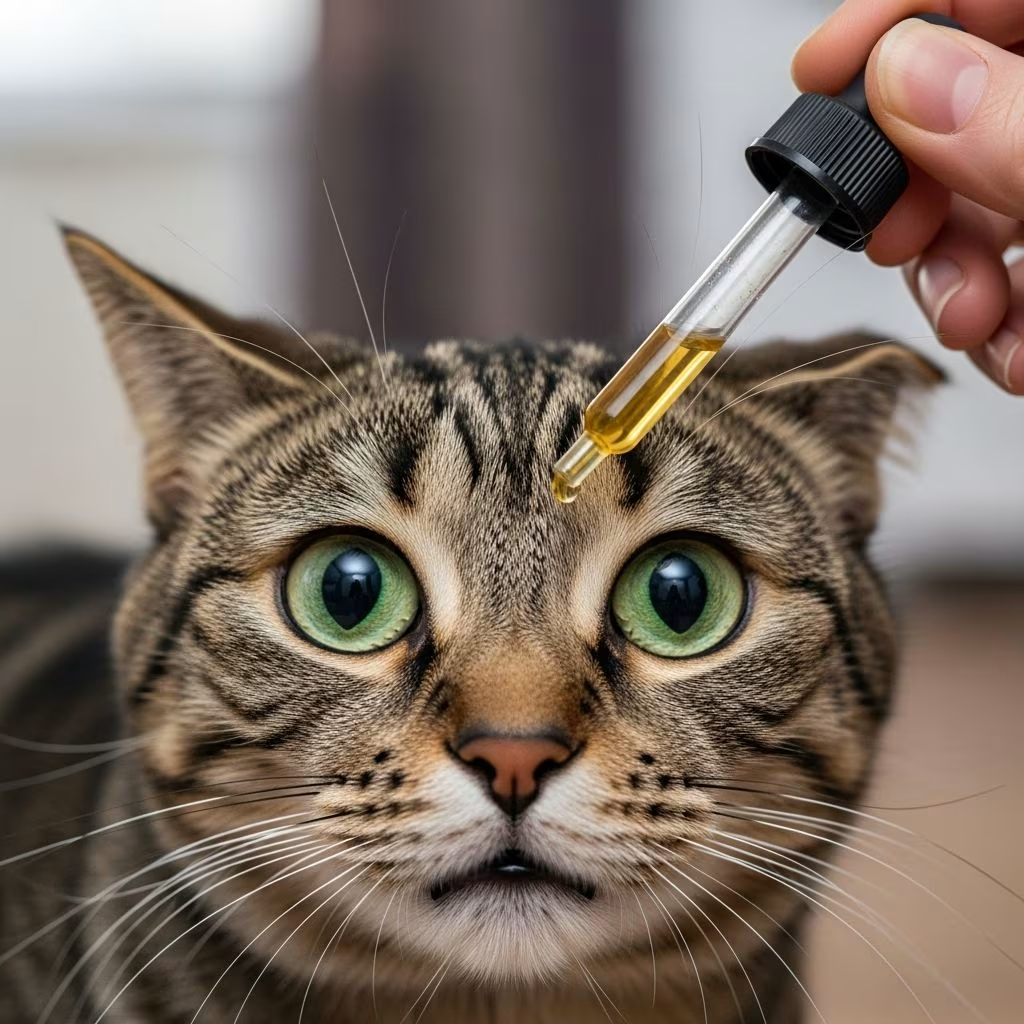
Advantix, a topical flea and tick treatment formulated exclusively for dogs, contains permethrin, which is highly toxic to cats and can lead to life-threatening reactions even from minimal exposure. This guide explains the risks, symptoms, emergency responses, and safer feline-specific options to protect cats in homes with dogs.
Understanding Advantix and Its Dog-Specific Design
Advantix combines imidacloprid, which targets fleas by disrupting their nervous system, with permethrin, a pyrethroid insecticide that repels and kills ticks, mosquitoes, and biting flies. Applied monthly to a dog’s skin, it spreads through the coat via natural oils, killing fleas within 12 hours and providing up to 28 days of protection against various parasites.
While effective for canines over 7 weeks old weighing more than 4 pounds, this product explicitly warns against use on cats, as felines lack the liver enzymes needed to metabolize permethrin safely. Exposure occurs if a cat grooms a recently treated dog before the solution dries, typically within 24-48 hours.
Why Permethrin Poisons Cats: The Biological Mechanism
Cats process pyrethroids like permethrin inefficiently due to deficient glucuronyl transferase enzymes in their livers, leading to prolonged toxin buildup. This causes hyperexcitation of the nervous system, manifesting as tremors, seizures, and potentially death.
Even small doses from residue on a dog’s fur can trigger reactions, as cats are meticulous groomers. Studies and veterinary reports confirm permethrin toxicity as a common emergency in multi-pet households.
Recognizing Symptoms of Advantix Toxicity in Cats
Signs appear within hours of exposure and escalate rapidly. Early detection is critical for survival.
- Mild initial symptoms: Excessive salivation, vomiting, diarrhea, and hyperactivity.
- Neurological escalation: Tremors, twitching (especially ears and face), ataxia (wobbly gait), and sensitivity to touch.
- Severe progression: Full-body seizures, high body temperature (hyperthermia), rapid breathing, and coma.
If untreated, mortality rates can exceed 10-20% in severe cases, per veterinary toxicology data.
Emergency Response: What to Do If Your Cat Is Exposed
Act immediately—do not wait for symptoms to worsen. Isolate the cat from the dog and contact a veterinarian or animal poison control hotline.
| Step | Action |
|---|---|
| 1. Remove exposure | Wipe cat’s fur with mild dish soap (e.g., Dawn) and lukewarm water to remove residue. Avoid bathing if seizures occur. |
| 2. Seek professional help | Rush to an emergency vet. Provide product details and exposure time. |
| 3. Supportive care | Vets may administer activated charcoal, anti-seizure meds (diazepam), IV fluids, and muscle relaxants. |
| 4. Monitoring | Hospitalization for 24-72 hours to manage hyperthermia and neurological effects. |
Prognosis is good with prompt treatment; most cats recover fully within days.
Safe Flea and Tick Prevention Alternatives for Cats
Opt for cat-specific products to avoid cross-species risks. Never use dog formulations.
Topical Treatments
- Advantage II or XD for Cats: Imidacloprid-based (Advantage II) or spinetoram (XD) kills fleas via contact without permethrin. XD lasts 2 months, starting in 30 minutes. Safe for cats over 8 weeks/1.8 lbs.
- Advantage Multi: Adds moxidectin for heartworm and intestinal parasite control.
Oral Options
- Prescription chewables like Comfortis or Bravecto, which target fleas without topical residue risks.
Environmental Controls
Vacuum daily, wash bedding in hot water, and use insect growth regulators (IGRs) like methoprene in the home.
| Product | Active Ingredient | Duration | Species |
|---|---|---|---|
| Advantage XD Cat | Spinetoram | 2 months | Cats only |
| K9 Advantix II | Imidacloprid + Permethrin | 1 month | Dogs only |
| Advantage II Cat | Imidacloprid + Pyriproxyfen | 1 month | Cats only |
Best Practices for Multi-Pet Households
Prevent accidents with strict protocols.
- Separate dogs and cats for 48 hours post-application until fully dry.
- Apply treatments in a cat-free room; wear gloves.
- Monitor interactions and groom pets separately.
- Consult vets for household parasite plans tailored to all animals.
Year-round prevention is ideal in warm climates, as fleas thrive indoors.
Common Myths About Flea Treatments Debunked
- Myth: “A little won’t hurt cats.” Even trace permethrin is dangerous.
- Myth: “Cats won’t lick dogs.” Grooming behavior makes exposure likely.
- Myth: “Natural remedies suffice.” Many lack efficacy; vet products are proven.
Frequently Asked Questions (FAQs)
Can I use Advantix on my cat if it’s diluted?
No. Any amount of permethrin is unsafe for cats due to their metabolism.
How long after applying Advantix to a dog can cats be around them?
Wait at least 24-48 hours or until the dog’s coat is dry and odorless.
What if my cat shows mild symptoms like drooling?
Seek vet care immediately; symptoms can progress quickly to seizures.
Is Advantage safe to use interchangeably between dogs and cats?
No—always match species and size. Cat products lack permethrin.
How effective is Advantage XD for cats?
It kills fleas in 30 minutes to 4 hours and protects for 2 months.
Long-Term Parasite Management Strategies
Integrate vet checkups, fecal tests, and combo preventives. In flea hotspots, treat the environment monthly. Educate all household members on product labels to prevent mishaps.
Flea control protects against diseases like Bartonella (cat scratch fever) and tapeworms, improving pet quality of life.
References
- The Side Effects of Advantix Parasite Treatment — PetBucket. 2023. https://www.petbucket.com/blog/62862/the-side-effects-of-advantix-parasite-treatment.html
- Advantage® XD for Cats: Two Month flea treatment — Elanco. 2025. https://yourpetandyou.elanco.com/us/our-products/advantage-xd/advantage-xd-cats
- Advantage®, Advantage® XD Cat, K9 Advantix® II, and Advantage Multi® — PetMD. 2024-10-15. https://www.petmd.com/pet-medication/advantage-k9-advantix-ii-and-advantage-multi
- K9 Advantix Is Not Safe for Cats: Our Vet Explains Why — Catster. 2024. https://www.catster.com/ask-the-vet/k9-advantix-for-cats/
- What You Should Know About Flea Product Toxicity in Dogs and Cats — MedVet. 2023. https://www.medvet.com/know-flea-product-toxicity-dogs-cats/
- Flea and tick prevention — Cornell University College of Veterinary Medicine. 2025-01-10. https://www.vet.cornell.edu/departments-centers-and-institutes/riney-canine-health-center/canine-health-topics/flea-and-tick-prevention



