

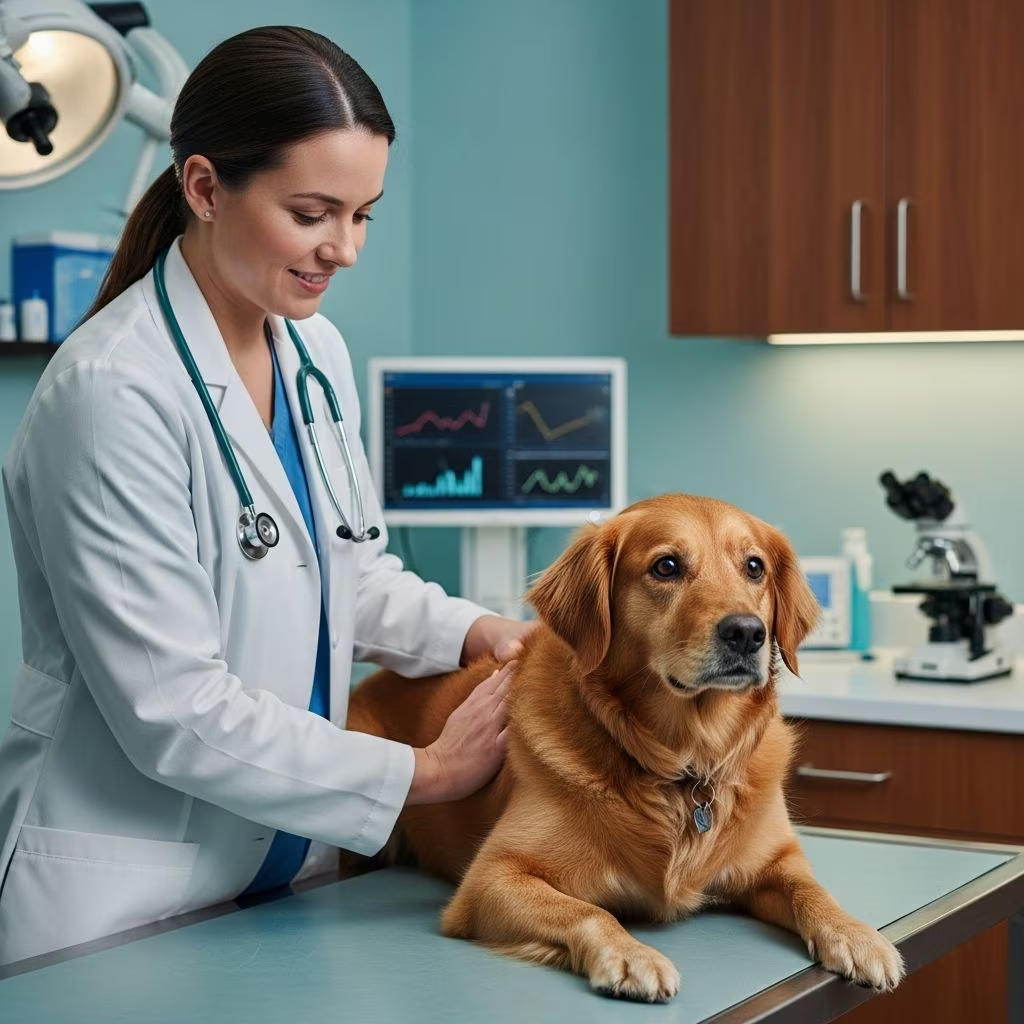
Canine cancer remains one of the leading health challenges for dogs, particularly those over 10 years old, affecting nearly half of senior pets. However, 2026 brings transformative progress in veterinary oncology, with treatments emphasizing precision, minimal side effects, and sustained quality of life. This article delves into the newest therapies, drawing from authoritative guidelines and clinical advancements to empower pet owners with informed choices.
Understanding the Landscape of Dog Cancer
Cancer in dogs manifests in diverse forms, from mast cell tumors (MCTs) to osteosarcoma and lymphoma. Early detection through routine exams, imaging, and biopsies is crucial for staging and tailoring therapies. The American Animal Hospital Association’s (AAHA) 2026 Oncology Guidelines stress that primary care vets play a pivotal role in initial diagnosis, recommending standardized protocols for physical checks, bloodwork, and tumor-specific imaging.
Key factors influencing treatment include tumor type, location, metastasis status, and the dog’s overall health. For non-metastatic cases, curative intent is feasible; otherwise, palliative approaches focus on comfort and longevity.
Surgical Interventions: The Foundation of Treatment
Surgery remains the cornerstone for localized tumors, aiming for complete excision with clean margins. When feasible, it offers the highest cure rates, especially for soft tissue sarcomas and MCTs. Advances in imaging, like CT-guided procedures, enhance precision, reducing recurrence risks.
Post-surgical challenges, such as incomplete margins, often necessitate adjunct therapies. Minimally invasive techniques, including laparoscopic approaches, benefit older dogs or those with comorbidities by shortening recovery times.
Chemotherapy: Balancing Efficacy and Comfort
Chemotherapy targets systemic or multi-site cancers like lymphoma, hemangiosarcoma, and bladder tumors. Unlike human protocols, canine doses are lower, resulting in fewer severe side effects—most dogs experience only mild fatigue, nausea, or appetite loss, manageable with supportive care.
AAHA guidelines prioritize quality-of-life metrics, advising proactive owner education on side effect management, such as anti-nausea meds and nutritional support. Protocols span weeks to months, with regular monitoring to adjust for tolerance.
- Common Protocols: CHOP for lymphoma; single-agent options for mast cell tumors.
- Side Effect Mitigation: Dose adjustments, hydration therapy, and appetite stimulants.
- Outcomes: Extended survival with minimal disruption to daily life.
Radiation Therapy Evolutions
Radiation destroys tumor cells via high-energy beams, ideal for inoperable or recurrent cancers. Traditional external beam requires multiple anesthetized sessions over weeks, but 2026 innovations shift toward precision.
Targeted and Stereotactic Radiation
Stereotactic radiotherapy, including TomoTherapy and CyberKnife systems, delivers intense doses in fewer sessions (often 1-5), using real-time imaging for accuracy. This spares healthy tissue, reducing side effects like skin irritation or organ damage.
Image-Guided Radiation Therapy (IGRT) employs CT scans per session to refine targeting, proving effective for nasal, brain, and spinal tumors.
Injectable Radiotherapy Breakthroughs
Injectable therapies, like those placing radioactive agents directly into tumors, represent a game-changer. Administered in one session without prolonged anesthesia, they emit radiation internally, minimizing systemic exposure. Suitable for tumors in sensitive areas (e.g., limbs, face), these options expedite recovery and preserve function.
Clinical data shows high efficacy for local control, often used post-surgery to address microscopic disease.
Emerging Local Therapies
FDA-approved tigilanol tiglate offers a non-surgical injection for non-metastatic MCTs, inducing tumor necrosis within days. Applicable to cutaneous tumors body-wide, it avoids excision scars and anesthesia, with low recurrence when combined with monitoring.
Ongoing studies, funded by organizations like Morris Animal Foundation, explore novel agents for 2026, promising broader applications.
Holistic Treatment Strategies
No single modality suffices; multimodal plans optimize outcomes. For instance:
| Tumor Type | Primary Treatment | Adjuncts | Expected Benefit |
|---|---|---|---|
| Mast Cell Tumor | Surgery or Tigilanol | Radiation/Chemo | Local control, QOL |
| Lymphoma | Chemotherapy (CHOP) | Radiation if localized | Remission 12-18 months |
| Osteosarcoma | Amputation/Surgery | Chemo + Radiation | Prolonged survival |
| Soft Tissue Sarcoma | Surgery + Radiation | Targeted injectables | Cure potential |
Personalization considers age, comorbidities, and owner goals—e.g., aggressive cure vs. palliative care.
Supportive Care and Monitoring
AAHA recommends structured follow-ups: exams every 3-6 months, serial imaging, and labs to catch recurrences early. Pain management, nutrition, and integrative therapies (acupuncture, supplements) bolster resilience.
Owner involvement is key—tracking appetite, mobility, and behavior ensures timely adjustments.
FAQs on Canine Cancer Therapies
What are the signs of cancer in dogs?
Persistent lumps, weight loss, lethargy, lameness, or bleeding warrant vet evaluation.
Is chemotherapy painful for dogs?
Rarely; side effects are mild and managed effectively.
How effective is radiation for dog tumors?
High for local control, especially stereotactic methods (80-95% response rates).
Can older dogs tolerate cancer treatments?
Yes, with tailored, minimally invasive options.
What’s new in 2026 guidelines?
AAHA emphasizes QOL-focused systemic therapy and post-treatment protocols.
Future Directions in Veterinary Oncology
Research pipelines include immunotherapy, targeted drugs, and AI-driven diagnostics. Morris Animal Foundation’s 2026 grants fund trials on novel therapies, signaling a shift toward personalized medicine.
Pet owners should consult board-certified oncologists for cutting-edge access, often via referral centers.
References
- New Cancer Treatments for Dogs in 2026: What Pet Owners Should Know — IsoPet. 2026. https://isopet.com/new-cancer-treatments-for-dogs-in-2026-what-pet-owners-should-know/
- Pet Cancer Treatment & Therapy Options — UW Veterinary Care. Accessed 2026. https://uwveterinarycare.wisc.edu/pet-cancer-treatment-therapy-options/
- Morris Animal Foundation Funds New Canine Health Studies for 2026 — Morris Animal Foundation. 2026. https://www.morrisanimalfoundation.org/article/new-canine-health-studies-2026
- Key takeaways from AAHA’s 2026 oncology guidelines — DVM360. 2026-01-07. https://www.dvm360.com/view/key-takeaways-from-aaha-s-2026-oncology-guidelines
- Section 2: What’s New in Veterinary Oncology — AAHA. 2026. https://www.aaha.org/resources/2026-aaha-oncology-guidelines-for-dogs-and-cats/section-2-whats-new-in-veterinary-oncology/
- 2026 AAHA Oncology Guidelines for Dogs and Cats — AAHA. 2026-01-01. https://www.aaha.org/resources/2026-aaha-oncology-guidelines-for-dogs-and-cats/



