

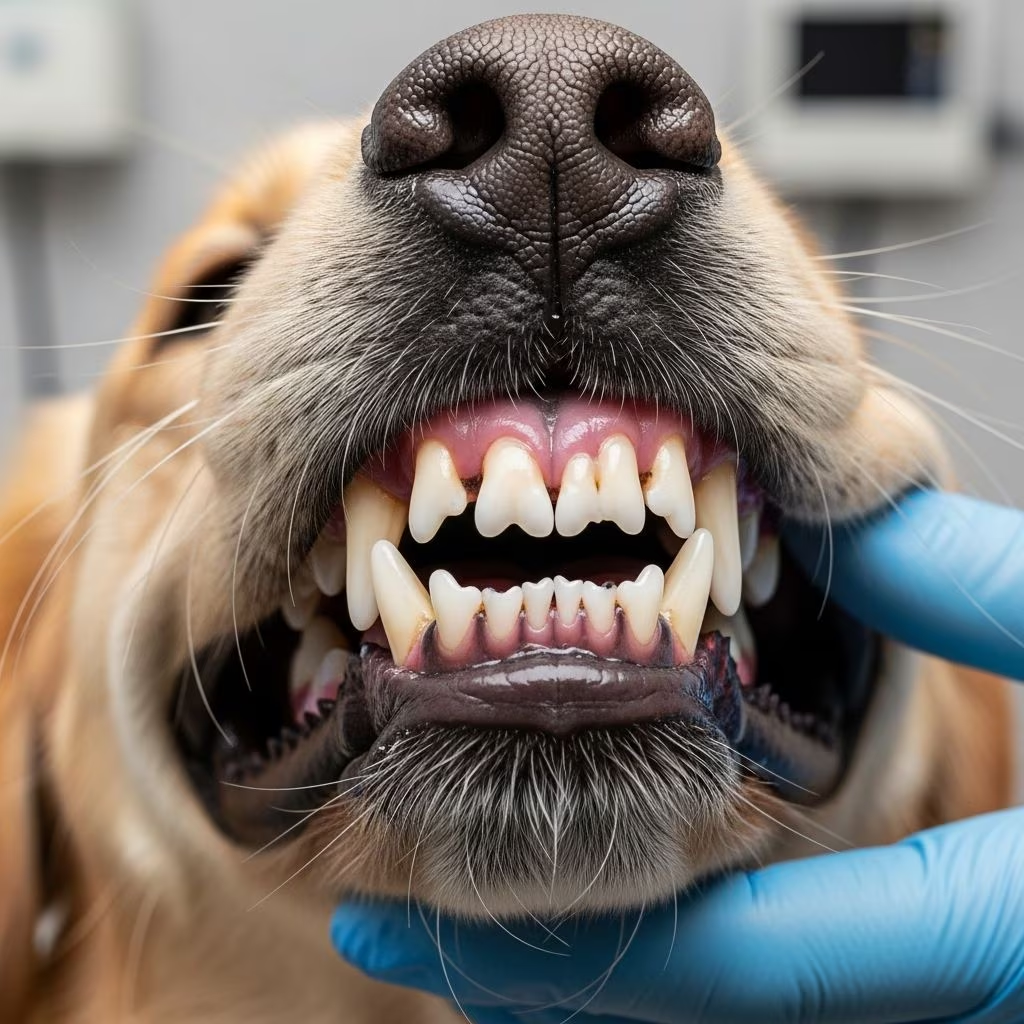
Discovering that your adult dog is missing a tooth can be concerning for any pet owner. Unlike puppies, who naturally shed their baby teeth between six and nine months of age, adult dogs should retain their permanent teeth throughout their lives. When an adult dog loses a tooth without an obvious injury, it signals an underlying health issue that requires attention. Understanding the causes of tooth loss in mature dogs and implementing preventive measures can help ensure your canine companion maintains a healthy smile and avoids serious complications.
The Primary Culprit: Periodontal Disease in Canines
The leading cause of tooth loss in adult dogs is periodontal disease, a progressive condition affecting the structures that support and anchor teeth. Studies show that between 80-90% of dogs aged three years and older experience some degree of this dental condition. Understanding how periodontal disease develops helps pet owners recognize warning signs and seek timely intervention.
How Plaque and Tartar Damage Teeth
The journey toward tooth loss typically begins with plaque accumulation. Plaque is a sticky biofilm composed of saliva, food particles, and bacteria that naturally forms on teeth after eating. When plaque remains on teeth without regular removal through brushing, it undergoes mineralization within days, hardening into tartar (also called calculus). Unlike plaque, tartar cannot be removed through brushing alone and adheres firmly to the tooth surface, extending below the gumline where it becomes increasingly problematic.
The bacteria harbored in tartar deposits irritate the gum tissue, initiating the inflammatory response known as gingivitis. Affected gums become red, swollen, and may bleed during eating or brushing. While gingivitis is technically reversible with prompt professional intervention, many cases progress unnoticed in dogs because owners cannot easily visualize gum inflammation without close examination.
Progression to Advanced Periodontal Disease
When gingivitis goes untreated, it evolves into periodontitis, a destructive stage where bacteria penetrate deeper into the gumline. At this advanced stage, harmful microorganisms attack the periodontal ligament—the specialized tissue connecting teeth to bone—and the alveolar bone itself. Inflammation and infection gradually destroy these critical supporting structures. Research indicates that when alveolar bone loss exceeds 50%, teeth begin to loosen and may fall out spontaneously.
Periodontal disease poses risks beyond dental health. Bacteria from infected mouth tissue can enter the bloodstream and affect vital organs, potentially causing systemic health complications. Additionally, the process of the body rejecting a severely decayed tooth is uncomfortable and painful for the affected dog.
Secondary Causes of Tooth Loss in Adult Dogs
While periodontal disease accounts for the majority of tooth loss cases, several other factors can result in missing teeth in adult canines.
Traumatic Injury and Tooth Fractures
Younger adult dogs more frequently lose teeth due to traumatic events rather than disease. Trauma can occur through various mechanisms, including inappropriate chewing habits, falls, or mouth injuries. Certain objects pose particular risk to dental integrity. Dense materials like beef bones and pork bones are common culprits causing fractures and tooth damage due to their hardness. When dogs chew on these materials, the excessive force can crack or shatter teeth, sometimes causing immediate loss or requiring veterinary extraction.
If your dog loses a tooth following an injury, examine the mouth for excessive bleeding, swelling, or visible damage. Some fractures extend below the gumline, which may not be immediately obvious but can lead to pain, infection, and eventual extraction if left untreated.
Retained Baby Teeth and Genetic Factors
A condition called retained deciduous teeth occurs when puppy teeth fail to shed and remain in the mouth alongside adult teeth. This issue is primarily genetic and occurs more frequently in small breed dogs. Retained baby teeth create crowding, which can lead to abnormal positioning of adult teeth and accelerate the onset of periodontal disease through increased tartar formation. Most veterinarians recommend extracting persistent baby teeth to prevent these complications and allow proper alignment of adult dentition.
Other Contributing Factors
Beyond periodontal disease and trauma, other causes of adult dog tooth loss include:
- Tooth infections or root canal problems
- Oral tumors or growths affecting tooth stability
- Genetic predisposition to weak enamel or bone density
- Severe nutritional deficiencies affecting bone health
Recognizing Advanced Periodontal Disease Symptoms
Pet owners should watch for specific clinical signs indicating their dog may have progressed to advanced stages of periodontal disease:
- Visible thick tartar deposits on tooth surfaces
- Pus around teeth and gums (visible when gums are gently pressed)
- Noticeably receding gumlines
- Loose teeth or gaps where teeth have fallen out
- Swelling around the mouth or face from tooth root abscesses
- Reluctance to eat or chew due to oral pain and sensitivity
- Bad breath that worsens over time
It’s important to note that the severity of periodontal disease may not be fully visible through external examination alone. Dental X-rays performed under general anesthesia allow veterinarians to assess bone loss and the true extent of disease progression.
Preventive Strategies for Maintaining Canine Dental Health
The encouraging news is that most tooth loss in adult dogs is preventable through consistent dental care. A multifaceted approach combining home care and professional intervention provides the most effective protection.
Daily Tooth Brushing at Home
Regular brushing removes plaque before it mineralizes into tartar, making it the most effective preventive measure available. Pet owners should use a dog-specific toothbrush and toothpaste, as human toothpaste can be toxic to pets. Ideally, brushing should occur daily or at minimum several times weekly. While establishing a brushing routine requires patience and positive reinforcement, the long-term benefits to your dog’s oral health are substantial.
Professional Dental Cleanings
Even with diligent home brushing, some tartar buildup is inevitable. Annual or biannual professional dental cleanings performed under veterinary anesthesia allow complete removal of tartar, thorough cleaning below the gumline, and comprehensive assessment of tooth and gum health. During these procedures, veterinarians can identify early-stage dental disease and recommend treatment before irreversible damage occurs.
Specialized Dental Products
Dental chews, treats, and specialized dog foods formulated for oral health can complement brushing routines by helping reduce plaque and tartar accumulation. These products work through mechanical action as dogs chew, combined with active ingredients designed to support gum health. While not replacements for brushing and professional care, they provide additional protective benefits.
Routine Veterinary Examinations
Regular veterinary visits are crucial for early detection of dental issues. During wellness examinations, your veterinarian can identify initial signs of gingivitis or periodontal disease and recommend appropriate interventions. Early treatment of gum disease is far more effective and less costly than managing advanced periodontal disease or tooth loss.
Why Tooth Loss in Adult Dogs Differs from Normal Aging
An important misconception exists that tooth loss represents a normal part of aging in dogs, similar to aging in humans. This is fundamentally incorrect. While some older people lose teeth, this typically indicates an underlying problem requiring professional dental intervention—not a routine consequence of aging. The same principle applies to dogs. Tooth loss in adult and senior dogs should be viewed as a sign of disease requiring veterinary attention, not an inevitable aspect of growing older.
With appropriate preventive care and treatment, many adult dogs can maintain their full complement of healthy teeth throughout their lives, regardless of age.
What to Do If Your Dog Loses a Tooth
If you discover your adult dog is missing a tooth, take the following steps:
- Examine the mouth for bleeding, swelling, or visible damage
- Schedule a veterinary appointment promptly to assess the cause
- Mention whether the tooth loss followed any known injury or trauma
- Inform your veterinarian if you’ve noticed other symptoms like bad breath, difficulty eating, or behavioral changes
- Request dental X-rays if periodontal disease is suspected
- Discuss whether extraction of the remaining portion is necessary if the tooth fractured below the gumline
Early veterinary evaluation prevents complications and allows for timely treatment of underlying conditions.
Treatment Options for Dental Disease
Treatment depends on the disease stage and extent of damage. For early-stage gingivitis, professional cleaning and improved home care may reverse the condition. In cases of advanced periodontitis with significant bone loss, extraction may be the most appropriate option to eliminate pain and prevent infection. For isolated broken teeth without extensive gum disease, root canal therapy might preserve the tooth while addressing underlying issues.
Your veterinarian will recommend the most suitable treatment approach based on individual assessment of your dog’s oral health status.
Frequently Asked Questions
At what age should I start caring for my dog’s teeth?
Dental care should begin early in puppyhood. Start brushing teeth gently when puppies are young to establish positive associations with oral care. Once adult teeth are fully erupted (around 6-7 months), maintain a consistent brushing routine.
How can I tell if my dog has periodontal disease?
Look for red or swollen gums, bad breath, reluctance to eat, visible tartar, or loose teeth. However, early-stage disease may not show obvious external signs, which is why regular veterinary examinations are essential.
Is anesthesia necessary for professional dog dental cleanings?
Yes, general anesthesia allows veterinarians to thoroughly clean below the gumline and take necessary X-rays. Without anesthesia, proper assessment and treatment of periodontal disease is not possible.
What dog-safe chewing alternatives can help prevent tooth problems?
Soft dental chews, rubber toys, and specially formulated dental treats are safer alternatives to hard bones. Ask your veterinarian for specific recommendations suitable for your dog’s size and chewing habits.
Can periodontal disease be reversed?
Early-stage gingivitis can be reversed with professional cleaning and improved home care. However, advanced periodontitis with significant bone loss is irreversible, though progression can be halted with appropriate treatment.
References
- Why Do Dogs Lose Teeth as They Age: The Main Reason Why — Veterinary Dentistry Wisconsin. https://vetdentistwi.com/why-do-dogs-lose-teeth-as-they-age/
- 5 Things You Should Know About Dog Teeth Loss — Dogtopia. https://www.dogtopia.com/blog/5-things-you-should-know-about-dog-teeth-loss/
- Dog Lost a Tooth | My Dog’s Teeth are Falling Out, Understanding Loose, Broken, or Chipped Teeth — Embrace Pet Insurance. https://www.embracepetinsurance.com/waterbowl/article/loose-broken-or-chipped-teeth
- How Many Teeth Do Dogs Have, and Can They Lose Them? — PetMD. https://www.petmd.com/dog/general-health/how-many-teeth-do-dogs-have-and-can-they-lose-them
- Older Dog Losing Teeth? What You Can Do About Tooth Loss — Toe Grips. https://toegrips.com/older-dog-losing-teeth/



