

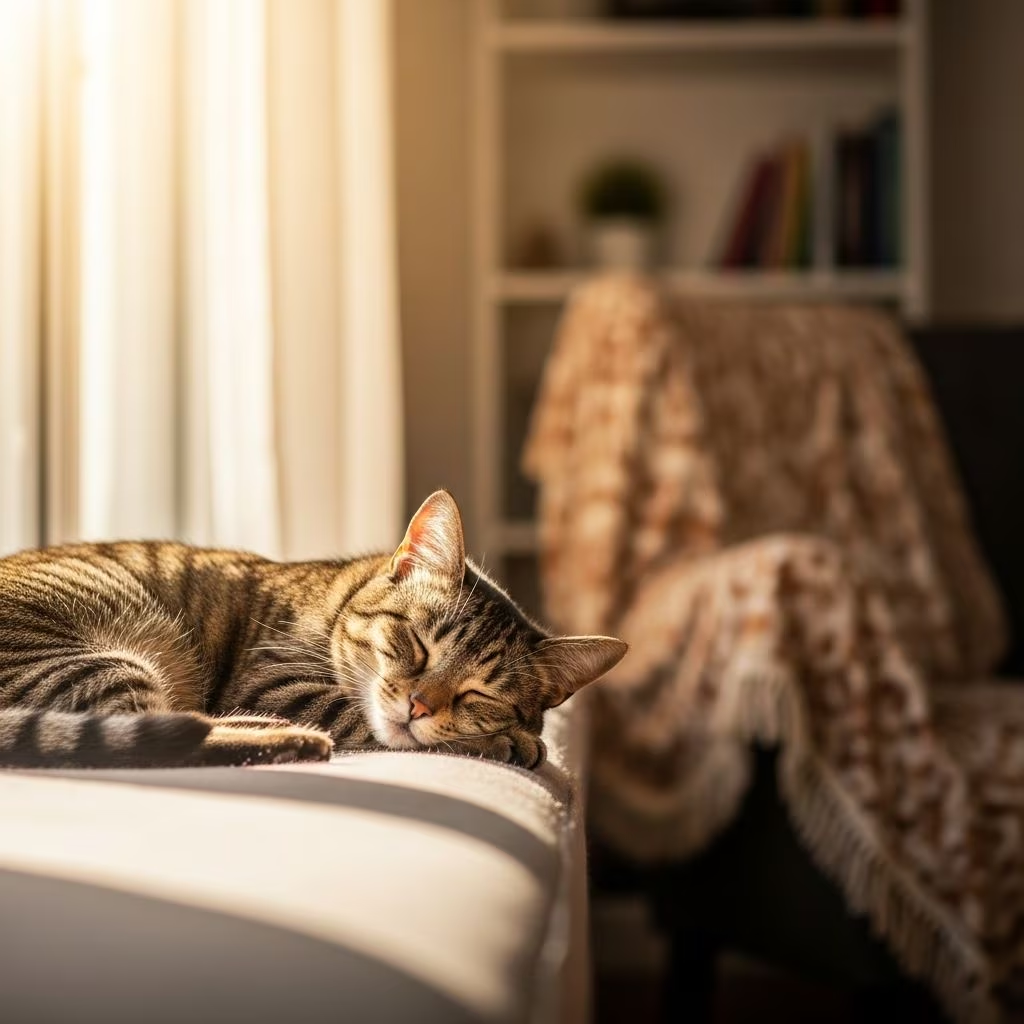
Senior cats, generally defined as those aged 7 years and older, offer unique companionship that rivals any younger feline. These mature pets bring stability, affection, and gratitude to households ready for their gentle presence.
The Urgent Need for Senior Cat Homes
Shelters nationwide grapple with overcrowding, where senior cats linger longest. Approximately 3.2 million cats enter U.S. shelters each year, but older ones remain 6-12 months on average, far outpacing kittens’ 1-3 months. Surrenders often stem from owners facing high vet costs for chronic conditions, leaving these cats vulnerable to stress and health decline.
Prolonged shelter stays disrupt routines vital for geriatric felines, exacerbating issues like weakened immunity from poor nutrition or hyperthyroidism. Rescue groups prioritize younger cats due to demand and expenses, underscoring the need for direct adoptions to prevent euthanasia.
Compelling Advantages of Choosing a Mature Companion
Opting for a senior cat yields immediate lifestyle perks absent in energetic kittens.
- Laid-Back Temperament: These cats exhibit calm, composed behaviors, ideal for busy or quiet homes. They self-entertain during work hours without mischief.
- Pre-Trained Habits: Litter-trained and socialized, they adapt quickly, skipping the destructive phases of youth.
- Known Medical Background: Shelters provide full exams, bloodwork, and histories, offering transparency over kittens’ hidden issues.
- Profound Attachments: Studies show seniors purr, knead, and seek closeness as much as younger cats, forming loyal bonds fueled by past hardships.
- Space-Saving Impact: Adoptions free resources, creating a ripple effect that aids other animals.
Navigating Health Considerations Thoughtfully
Age brings predictable concerns, but modern care makes them manageable. Common issues include arthritis, dental disease, kidney problems, vision changes, and thyroid imbalances.
| Condition | Symptoms | Management Strategies |
|---|---|---|
| Arthritis | Limping, reluctance to jump | Joint supplements, laser therapy, orthopedic beds |
| Dental Issues | Bad breath, drooling | Regular cleanings, dental diets |
| Kidney Disease | Increased thirst, weight loss | Prescription diets, hydration aids |
| Hyperthyroidism | Weight loss despite appetite | Medication, specialized food |
| Vision/Hearing Loss | Bumping into objects | Consistent home layout, gentle approaches |
Expect twice-yearly vet visits, but shelters often subsidize initials, and insurance like Trupanion sees rising senior enrollments. Indoor lifespans reach 12-18 years, with many exceeding 20 under good care, prioritizing quality time.
Addressing Common Concerns Head-On
Prospects worry about costs and lifespans, yet data reassures. While treatments add up, incentives like reduced fees or “Senior Cat September” programs boost adoptions by 15%. Shorter years mean intense, grateful love, as experts note quality trumps quantity.
Socialization challenges arise from ingrained habits or shelter stress, but patience and positive reinforcement like clicker training build confidence. Unlike kittens needing constant oversight, seniors demand less, fitting minimalist lives.
Essential Steps for a Seamless Transition
Prepare your space and mindset for success.
- Senior-Proof Your Home: Add ramps, low litter boxes, heated beds, and quiet zones to ease mobility and reduce anxiety.
- Initial Vet Visit: Schedule within a week for baselines on diet, meds, and conditions.
- Gradual Introduction: Allow sniffing under doors before full access; respect their pace.
- Nutrition Focus: Switch to senior formulas high in antioxidants, digestible proteins to combat weight loss and immunity dips.
- Enrichment Routine: Use toys, perches, and training for mental stimulation.
Monitor for adjustment signs like hiding or appetite changes, offering affection on their terms.
Real-Life Transformations and Broader Impacts
Adopters report unmatched loyalty; seniors thrive post-shelter, repaying love manifold. For older adults, they combat loneliness per 2024 psychology research.
Societally, this choice promotes sustainability amid 2025 trends, easing shelter burdens and modeling compassion. Fosters and social media amplify reach for hard-to-place seniors.
Frequently Asked Questions
Are senior cats affectionate?
Yes, they form strong bonds, showing attachment via purring and closeness comparable to youth.
How much do vet costs rise with age?
Manageable via preventives; insurance and shelter aid offset chronic care.
Can senior cats learn new tricks?
Absolutely, clicker training enhances confidence and interaction.
What’s the best diet for them?
Antioxidant-rich, easy-digest formulas targeting age-specific needs.
Do they get along with kids or dogs?
Many do, given their calm nature; supervised intros key.
Why Wait? Embrace the Golden Years
Adopting a senior cat delivers instant companionship, ethical impact, and heartfelt rewards. Shelters brim with deserving souls awaiting your home—consider one today.
References
- Why Senior Cats Deserve Loving Homes and Bring Unexpected Joy — RSHPets. 2025. https://rshpets.com/blogs/cat-adoption-rescue/why-senior-cats-deserve-loving-homes-and-bring-unexpected-joy
- Senior Cats in Shelters — IAABC Journal. 2017-2024 (relevant studies cited internally). https://journal.iaabcfoundation.org/senior-cats-in-shelters/
- Reasons to Adopt a Senior Cat — MAARC Adopt. 2024. https://maarcadopt.org/adopt-a-senior-cat/
- The Benefits and Challenges of Adopting a Senior Pet — Pet Supplies Plus. 2024. https://www.petsuppliesplus.com/resources/learning-center/articles/challenges-and-benefits-of-adopting-senior-pets
- Benefits Of Adopting A Senior Pet — The Corner Vet Bellaire. 2024. https://thecornervetbellaire.com/blog/benefits-of-adopting-a-senior-pet/
- Adopting Senior Cats: Pros and Cons — Cat Wisdom 101. 2024. https://catwisdom101.com/adopting-senior-cats/



