

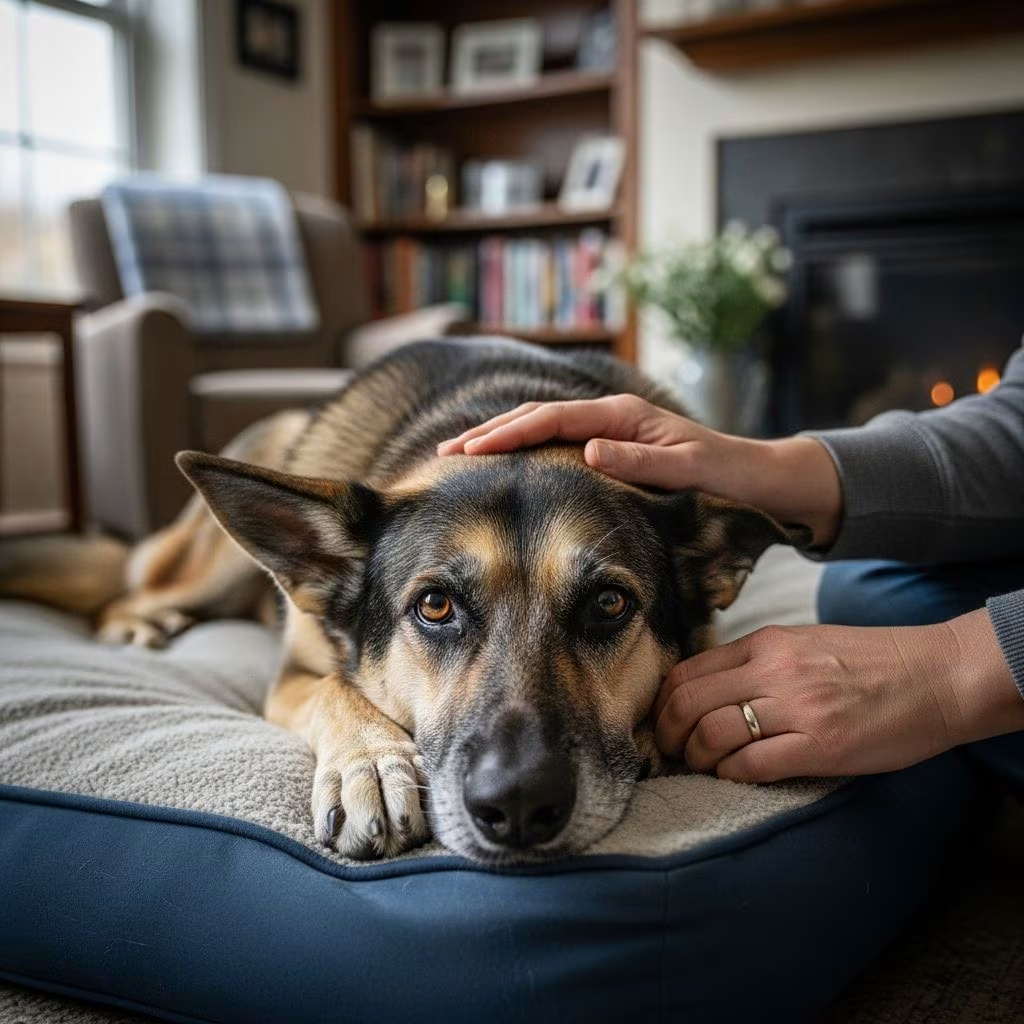
Retired police dogs offer unique companionship, combining discipline, intelligence, and unwavering loyalty honed through rigorous training. These canines, often released after years of service due to age, injury, or program completion, deserve loving homes that match their high-energy needs. Adopting one involves a structured process to ensure compatibility, rewarding dedicated owners with an exceptional pet.
Understanding the Background of Retired Police Dogs
Police dogs, typically breeds like German Shepherds, Belgian Malinois, or Labrador Retrievers, undergo intense training for detection, patrol, or search tasks. Retirement occurs around 8-10 years old or earlier if health issues arise. Handlers often get first adoption rights; if not, dogs enter programs via nonprofits or departments. “Failed” dogs—those not completing training—share similar traits: high drive, trainability, and energy, making them ideal for active households.
These dogs bond deeply but may face adjustment challenges post-service, including separation anxiety or heightened alertness. Organizations prioritize placements to prevent mismatches.
Finding Organizations and Programs for Adoption
Start by researching dedicated groups. Nonprofits like Mission K9 Rescue handle retired police dogs alongside military working dogs, offering unpredictable but occasional availability. Warrior Dog Foundation prefers law enforcement, veterans, or experienced handlers, requiring home ownership, fenced yards, and no HOA restrictions.
Local police departments maintain waiting lists, sometimes years long, as handlers take priority. TSA’s Canine Adoption Program rehomes detection dogs not meeting standards, requiring travel to sites like San Antonio. K9 training facilities release “failed” candidates needing active homes. Contact directly for current listings.
- Mission K9 Rescue: Focuses on working dogs; case-by-case reviews.
- Warrior Dog Foundation: Veteran/law enforcement preference; strict criteria.
- TSA Program: Travel required; high demand.
- Local PDs: Inquire about nearing retirees.
Navigating the Application and Screening Process
Expect a rigorous vetting to match dogs’ needs. Submit detailed forms covering lifestyle, home setup, dog experience, and finances. Provide vet references, undergo background checks, and agree to follow-ups.
Key requirements include:
- Household: Fewer than 3 dogs; members over 12.
- Home: Secure fencing; stable environment.
- Finances: Ability to cover vet care.
- Lifestyle: Daily exercise commitment.
Home visits assess suitability for high-drive dogs, probing routines, training plans, and stimulation. Interviews (virtual/in-person) follow, potentially multiple. Approval isn’t guaranteed; patience is essential amid high demand.
Meeting and Selecting Your New Companion
Post-screening, meet candidates. Observe energy, command response, and temperament. Handlers disclose training failure reasons, health history, behavioral notes, and needs. Test compatibility with your family/pets.
| Factor | What to Evaluate | Red Flags |
|---|---|---|
| Energy Level | Matches your activity | Overly hyper for sedentary home |
| Health | Up-to-date records | Untreated injuries |
| Temperament | Relaxed yet alert | Aggression toward people/pets |
| Training | Basic obedience | Ignores commands |
Multiple visits help; transport may be adopter’s responsibility.
Preparing Your Home and Lifestyle
Secure a quiet retreat space with crate, bedding, and familiar scents to ease transition. Child-proof if needed, as high-drive dogs suit homes without young kids. Fencing must prevent escapes.
Stock high-protein food, toys for mental stimulation (puzzles, agility), and leads for daily 1-2 hour walks/runs. Identify a working-dog-savvy vet beforehand.
Health and Veterinary Care Essentials
Schedule a full exam within days of adoption. Check for service-related issues like joint strain or hearing loss. Update vaccines, discuss diets transitioning from working rations, and plan joint supplements.
Regular exercise prevents obesity; mental games sustain sharpness. Monitor for PTSD-like symptoms: hypervigilance or noise sensitivity.
Daily Care and Training Routines
Maintain structure with scheduled feeds, walks, and training. Use positive reinforcement to reinforce skills; enroll in advanced obedience or sports like Schutzhund. Provide 60-90 minutes daily activity to channel drive.
Socialize gradually; these dogs thrive with routine but adapt well to calm pet life.
Costs and Long-Term Financial Planning
Adoptions are often donation-based ($0-500), but budget $1,000+ yearly for vet, food, training. Foundations like Retired Police Canine Foundation aid with bills. Factor travel, fencing upgrades.
| Expense Category | Estimated Annual Cost |
|---|---|
| Veterinary Care | $500-1,500 |
| High-Quality Food | $800-1,200 |
| Training/Toys | $300-600 |
| Insurance | $300-500 |
Success Stories and Real-World Insights
Adopters report profound bonds; one video details a family’s multi-year wait yielding a loyal protector. Organizations note high success with prepared owners, emphasizing commitment.
Frequently Asked Questions (FAQs)
Can anyone adopt a retired police dog?
No, applicants must pass screenings for experience, home suitability, and stability. Priority to handlers/veterans.
How long is the wait?
Months to years; lists are common.
Are they good with kids?
Often not ideal for under-12s due to drive; case-by-case.
What if the dog has health issues?
Disclosures provided; vet checks recommended immediately.
Do they need special training?
Ongoing stimulation yes, but basic pet obedience suffices.
Challenges and How to Overcome Them
High energy may overwhelm novices; counter with routines. Adjustment periods test patience—crate training helps. Noise sensitivity? Gradual desensitization. Success hinges on matching drive to lifestyle.
Legal note: Some areas restrict breeds; verify locally.
References
- How to Adopt Failed Police Dogs: A Step-by-Step Guide — DogingtonPost. 2023. https://www.dogingtonpost.com/how-to-adopt-failed-police-dogs-a-step-by-step-guide/
- How To Adopt Retired Police Dog? – CountyOffice.org — YouTube/County Office Law. 2025-02-23. https://www.youtube.com/watch?v=QoOfVRAUcHI
- Adoption – The Warrior Dog Foundation — Warrior Dog Foundation. 2025. https://warriordogfoundation.org/adoption/
- Working Dog Adoption Forms – Mission K9 Rescue — Mission K9 Rescue. 2025. https://missionk9rescue.org/working-dog-adoption-forms/
- Retired Police Canine Foundation — PoliceK9Help. 2025. https://www.policek9help.com



