

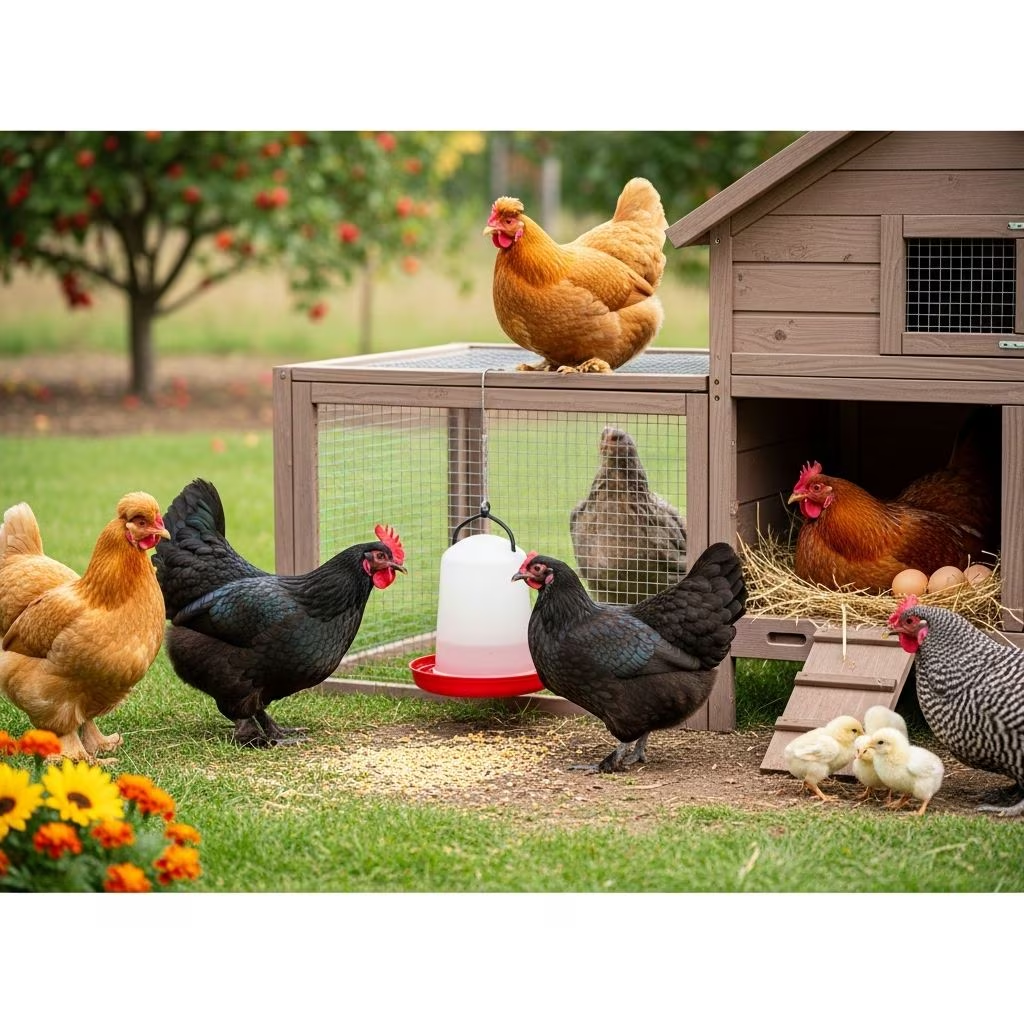
Starting Your Chicken Keeping Journey
Raising chickens in your backyard offers numerous benefits, from fresh eggs to pest control and garden composting. Whether you live in an urban, suburban, or rural setting, chickens can thrive with proper planning and care. Before bringing home your first flock, it’s essential to understand the commitment involved and prepare your space accordingly. This comprehensive guide will walk you through every aspect of chicken adoption and care.
Assessing Your Readiness and Local Regulations
Before acquiring chickens, verify that local zoning laws permit backyard poultry in your area. Many municipalities have specific regulations regarding flock size, coop placement, and whether roosters are allowed. Contact your local agricultural extension office or city planning department for detailed requirements. Additionally, evaluate your available space, time commitment, and budget. While chickens don’t demand excessive attention, they require consistent daily care and proper infrastructure investment.
Choosing the Right Chickens for Your Situation
When selecting chickens, consider whether you want chicks, pullets (young hens), or adult birds. Chicks require specialized brooding conditions and intensive care for 6 to 8 weeks before transitioning outdoors. Pullets and adult hens integrate into existing flocks more easily and begin laying eggs sooner. Popular beginner-friendly breeds include Rhode Island Reds, Wyandottes, and Sussex chickens, known for reliability and egg production.
Sources for obtaining chickens vary:
- Hatcheries offering mail-order chicks with guaranteed health and breed selection
- Local farm supply stores stocking seasonal chicks and occasionally pullets
- Established breeders specializing in specific chicken varieties
- Rescue organizations rehoming retired laying hens seeking second homes
Designing and Building an Adequate Coop
Your chicken coop serves as a secure shelter protecting birds from predators, extreme weather, and disease. Proper coop design significantly impacts flock health and productivity. The structure should provide adequate ventilation to prevent moisture accumulation and ammonia buildup, which causes respiratory issues. Windows or vents positioned high on walls allow air circulation while maintaining security.
Sizing requirements depend on your flock. Plan for at least 3 to 4 square feet per bird inside the coop and 8 to 10 square feet per bird in outdoor run areas. Crowded conditions stress chickens, suppress egg production, and increase disease transmission. Larger coops allow birds to establish comfortable social hierarchies and exercise regularly.
Roosts accommodate chickens during nighttime roosting. Install flat roosts (such as 2×4 lumber positioned on its wide side) rather than round dowels, as flat surfaces prevent foot problems and frostbite. Allow approximately 8 inches of roosting space per hen, positioning roosts 12 inches away from walls to prevent soiling bedding below.
Nesting boxes provide private, comfortable spaces for egg-laying. Standard specifications include one box per 2 to 3 hens, filled with soft bedding material. Darker interior spaces encourage hens to use boxes rather than roosting or sleeping in them, which maintains egg cleanliness.
Predator-Proofing Your Chickens
Predators present constant threats regardless of your geographic location. Urban and suburban areas host raccoons, opossums, and neighborhood pets, while rural settings face hawks, foxes, coyotes, and snakes. Multi-layered defense strategies provide the best protection.
Your outdoor run (also called a chicken yard) must feature secure fencing at least 4 feet tall to prevent larger predators from entering. Extend fencing underground at least 12 inches to prevent tunneling beneath barriers. Inspect fencing regularly for gaps, damage, or areas where animals have attempted entry.
Hardware cloth provides superior predator protection compared to standard chicken wire. While costlier, hardware cloth’s smaller openings prevent raccoon paws from accessing birds. Cover all openings, including roof areas, as predators climb and dig from multiple directions.
Incorporate dense vegetation, shrubs, and mature trees throughout your run. Chickens instinctively seek cover for security and shade during hot weather. Dense areas provide refuge from aerial predators like hawks and eagles.
Daily Care and Maintenance Routines
Successful chicken keeping requires establishing consistent daily routines. Morning responsibilities involve opening the coop, visually assessing each chicken’s health and activity level, and refreshing food and water. This 10 to 15-minute routine ensures birds have necessary resources and identifies any illness or injury early.
Midday checks allow you to collect eggs, refill feeders and waterers as needed, and provide treats or supervised free-range time. Spending time observing and interacting with your flock builds trust, resulting in friendlier, more docile birds.
Evening responsibilities include collecting remaining eggs, ensuring adequate food and water for overnight roosting, and securing the coop against nighttime predators. Automated coop doors simplify this process by opening at dawn and closing at dusk, reducing manual labor and ensuring consistent protection.
Comprehensive Coop Cleaning Schedules
Regular cleaning maintains flock health and reduces disease and parasite transmission. Daily spot cleaning involves removing visible droppings and wet bedding from nesting boxes. This 5 to 10-minute task prevents pathogen accumulation and keeps eggs clean.
Weekly deep cleaning includes removing caked bedding, raking out the coop floor, and replacing soiled materials with fresh bedding. Monthly intensive cleaning involves scrubbing roosts, nesting boxes, and walls with diluted bleach solution. Several times yearly, completely empty the coop and perform thorough disinfection, including cobweb removal and structural inspection.
Never place feed and water inside the coop, as this attracts rodents, flies, and other pests while adding excessive moisture to the air. Keep food and water in external areas near the coop entrance for easy refilling and reduced contamination.
Nutrition and Feeding Guidelines
Providing age-appropriate nutrition supports chicken growth, health, and productivity. Different life stages require specific feed compositions:
| Chicken Stage | Feed Type | Protein Content | Duration |
|---|---|---|---|
| Chicks (0-6 weeks) | Starter feed | 18-24% | Until 6 weeks old |
| Pullets (6-16 weeks) | Grower feed | 14-18% | Until point of lay |
| Laying hens (16+ weeks) | Layer feed | 16-18% | Throughout laying years |
When transitioning between feed types, gradually mix new feed with existing feed over 7 to 10 days to prevent digestive upset. Fresh, clean water must be available at all times, particularly during warmer months when chickens require additional fluids to maintain body temperature through panting.
Water containers should prevent contamination from droppings and algae growth. Empty and clean waterers regularly, or consider nipple watering systems designed to maintain water purity. Algae and bacteria accumulation makes water unsafe and reduces chicken consumption.
Supplementation and Treats
Once chickens begin laying eggs, provide free-choice calcium sources such as crushed oyster shells or baked crushed eggshells. Calcium availability prevents serious health complications like egg-binding and ensures strong eggshell development. Keep calcium sources separate from primary feed.
While foraging provides natural nutrition through insects and plants, resist treating your flock like a compost system. Excessive kitchen and garden scraps disrupt nutritional balance and cause digestive issues. Limit treats to 10 percent of total feed consumption, focusing on nutritious options like vegetables, grains, and mealworms.
Avoid feeding chickens avocado, chocolate, salt, moldy feed, or uncooked beans, which contain toxic compounds. Treats should supplement, not replace, balanced commercial feeds.
Health Monitoring and Disease Prevention
Maintain a basic chicken first aid kit including antiseptic ointment, bandages, electrolyte powder, and antibacterial spray. Regularly observe your flock for signs of illness such as lethargy, reduced appetite, abnormal droppings, respiratory symptoms, or lameness. Early identification of health issues improves treatment outcomes.
Parasite prevention includes managing external parasites like lice and mites through dust baths and coop cleanliness, plus internal parasites through regular fecal examinations. Establish relationships with veterinarians experienced in poultry medicine for serious health concerns.
Quarantine new birds for 2 to 4 weeks before introducing them to established flocks, preventing disease transmission. Maintain separate housing, food, and water containers during the quarantine period.
Egg Production Expectations and Management
Once pullets reach approximately 14 to 15 weeks old, block nesting boxes to prevent sleeping in them, which results in soiled eggs. Place wooden dummy eggs or golf balls in boxes to encourage proper laying behavior. Remove fake eggs once natural laying begins.
Egg production depends on breed, age, nutrition, daylight hours, and stress levels. Most breeds produce 3 to 5 eggs weekly during peak laying years, declining with age. Hens typically lay actively for 3 to 4 years before production substantially decreases.
Free-Ranging and Exercise Opportunities
Supervised free-ranging allows chickens to exercise, forage naturally, and benefit from sunlight exposure essential for vitamin D synthesis and strong eggshell production. If you release chickens in late afternoon, they instinctively return to the coop at dusk for roosting, eliminating the need to physically round them up.
Mitigate predation risks during free-ranging by remaining outside with your flock. Chickens grazing unsupervised are vulnerable to aerial predators and other threats. Even brief periods of supervised outdoor time significantly enhance chicken welfare and contentment.
Managing Flock Social Dynamics
Chickens establish social hierarchies requiring adequate space to reduce aggression and pecking disputes. Providing multiple feeding stations, water sources, and roosting areas reduces competition and allows submissive birds access to resources. Introducing new birds to existing flocks requires careful management to prevent serious injuries during dominance establishment.
Seasonal Considerations
Winter care focuses on preventing frostbite through adequate ventilation (which removes moisture without creating drafts) and providing dry, comfortable roosting spaces. Increase bedding depth for insulation and supplement lighting to maintain egg production, as reduced daylight naturally suppresses laying.
Summer management emphasizes heat stress prevention through shade provision, additional water access, and frozen treats. Ensure excellent ventilation and consider temporary run modifications to maximize shaded areas during peak heat.
Understanding the Time Commitment
Daily chicken care typically requires 15 to 30 minutes, depending on your setup and flock size. Weekly tasks including deeper cleaning add 1 to 2 hours. Monthly and seasonal maintenance tasks spread across the year. This modest time investment is manageable for most households and becomes routine once established.
Long-Term Flock Management
Plan for retirement of older, non-laying hens. Some keepers provide sanctuary for retired birds, while others process them for meat or rehome through rescue organizations. Maintain flock renewals by raising replacement pullets every few years to sustain egg production and compensate for natural mortality.
Frequently Asked Questions
How many chickens should I start with?
Most experts recommend starting with 3 to 5 chickens for beginners. This size allows manageable daily care while providing sufficient flock dynamics and consistent egg production without overwhelming newer keepers.
Do I need a rooster?
Roosters are not necessary for egg production. Hens lay eggs regardless of rooster presence. Roosters become relevant only if you wish to produce fertile eggs for breeding or hatching chicks.
What’s the lifespan of backyard chickens?
Most chickens live 5 to 10 years, with egg-laying productivity declining after the first 2 to 3 years. Proper care, nutrition, and predator protection support longevity.
How often should I collect eggs?
Collect eggs at least daily, preferably twice daily in very hot weather. Regular collection encourages continued laying and prevents brooding behavior where hens stop laying to incubate eggs.
Can chickens live in urban environments?
Yes, chickens adapt well to urban settings when local regulations permit and proper housing is provided. Noise from roosters remains the primary urban concern, making hens-only flocks more appropriate for many urban locations.
References
- The Beginners Guide to Raising Backyard Chickens — Fresh Eggs Daily. 2020. https://www.fresheggsdaily.blog/2020/03/the-beginners-guide-to-raising-backyard.html
- Raising Backyard Chickens 101: Beginner’s Guide — Homestead and Chill. https://homesteadandchill.com/raising-backyard-chickens-101-beginners-guide/
- How to Raise Chickens: Chicken Care Guide for Beginners — Tractor Supply Co. https://www.tractorsupply.com/tsc/cms/life-out-here/the-coop/chick-care/how-to-care-for-chickens
- How to Raise Backyard Chickens: Guide for Beginners — FBFS. https://www.fbfs.com/learning-center/your-guide-to-raising-backyard-chickens
- Beginners Guide to Keeping Chickens — Poultry Keeper. https://poultrykeeper.com/keeping-chickens/beginners-guide-to-keeping-chickens/



