

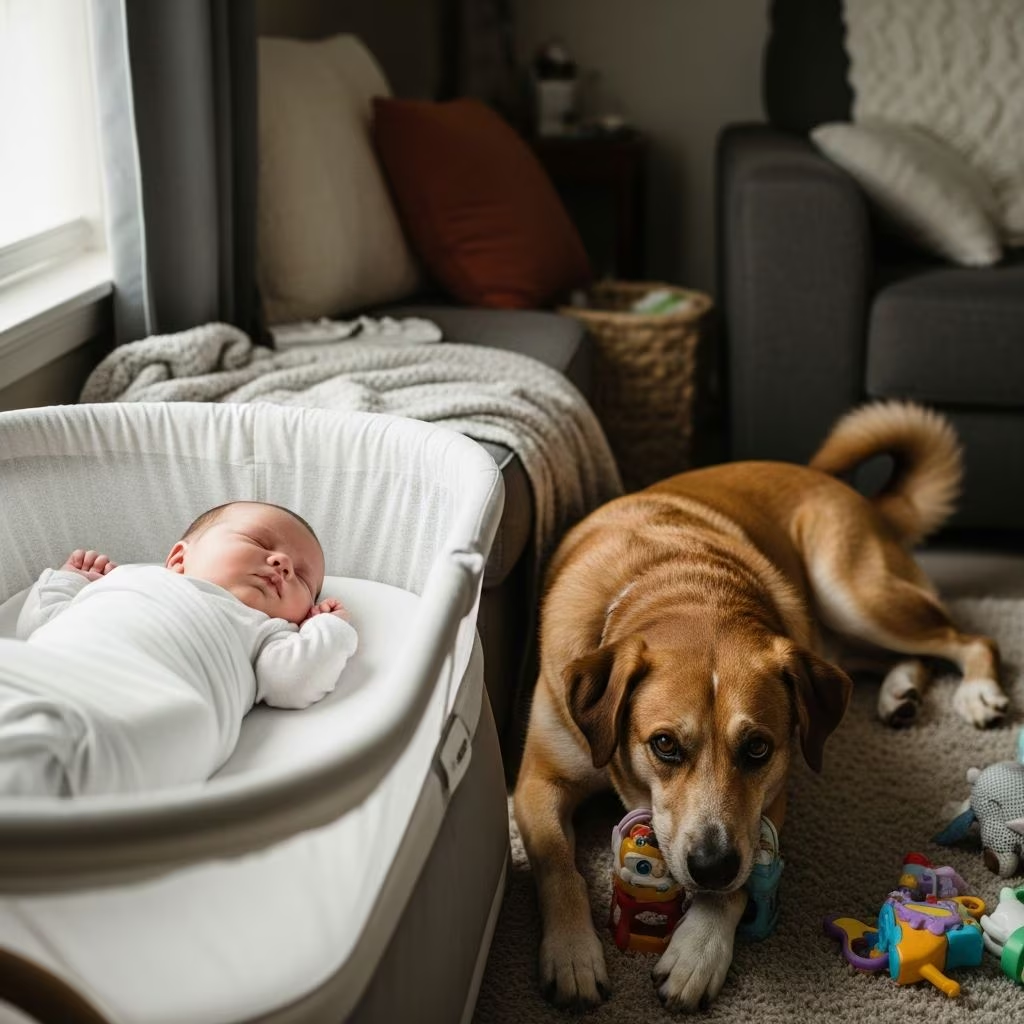
Bringing a dog into a home with a newborn requires careful planning to ensure safety and harmony. While many families successfully integrate pets and infants, success hinges on preparation, realistic expectations, and ongoing supervision.
Evaluating Your Family’s Readiness
Before welcoming a dog, assess your household dynamics. New parents often face sleep deprivation and unpredictable schedules, which can complicate pet care. Dogs demand daily exercise, feeding, and training, potentially overwhelming busy caregivers. Consider your support network—partners, family, or friends—who can assist with walks or playtime during exhausting newborn phases.
Financial readiness matters too. Adoption fees, supplies like crates and toys, and veterinary costs add up. Puppies require intensive potty training and socialization, while adult shelter dogs might bring behavioral histories needing professional intervention.
- Review your daily routine: Can you commit 1-2 hours daily to dog care?
- Check space: Does your home allow safe separation zones for pet and baby?
- Gauge energy levels: Pregnancy fatigue or postpartum recovery may limit capacity.
Benefits of Dogs in Early Family Life
Dogs offer emotional support during pregnancy and infancy. Regular walks promote maternal health, reducing stress and boosting mood through endorphins. Children exposed to pets early may develop fewer allergies, as studies link prenatal and infant pet contact to stronger immune responses.
Pets teach empathy and responsibility. Toddlers learn gentle handling, fostering compassion. Loyal companions provide security, alerting to unusual sounds, and create joyful family memories through play.
| Benefit | Impact on Family |
|---|---|
| Allergy Protection | Early exposure cuts risk by up to 30% per research. |
| Emotional Support | Reduces isolation; encourages daily activity. |
| Child Development | Builds nurturing skills and social awareness. |
| Home Security | Barks deter intruders; adds vigilance. |
Potential Drawbacks and Risks
Challenges abound. New dogs need consistent training, but parental fatigue can lead to lapses, resulting in issues like jumping or resource guarding. Unsuitable dogs may react poorly to baby cries or grabs, posing safety risks despite rare incidents.
Shelters see returns of pets adopted amid life changes, including newborns. High-energy adolescents overwhelm sleep-deprived homes, while puppies demand crate training amid midnight feedings. Zoonotic risks, like parasites, require vigilant vet care, especially for infants.
- Time strain: Dual demands stretch resources thin.
- Behavior gaps: Untrained pets may nip or knock over baby gear.
- Health concerns: Ensure vaccinations and flea prevention.
Choosing the Ideal Dog Breed and Age
Select breeds known for patience, like Labrador Retrievers or Golden Retrievers, which tolerate children’s unpredictability. Avoid high-strung or guarding breeds without experience. Adult dogs (2+ years) from shelters often arrive house-trained with known temperaments, easing integration over puppies.
Prioritize history: Seek dogs with child exposure via foster reports or trainer evaluations. Temperament tests confirm calm responses to noises and pokes, mimicking infant behaviors.
| Dog Type | Pros | Cons |
|---|---|---|
| Puppy | Molds to family; long companionship. | Intense training; teething chaos. |
| Adult Shelter Dog | Known habits; often trained. | Possible trauma history. |
| Senior Dog | Calm demeanor; low energy. | Health issues; shorter lifespan. |
Pre-Adoption Preparation Steps
Start months ahead. Enroll in obedience classes to reinforce commands like ‘sit,’ ‘stay,’ and ‘leave it.’ Desensitize to baby sounds using recordings of cries and coos, rewarding calm reactions.
Implement boundaries: Train off-furniture rules and ignore jumping. Stock safe zones with baby gates and crates. Practice routines with doll simulations, mimicking feeding while walking the dog.
- Gather supplies: Leash, bowls, bedding.
- Consult professionals: Behaviorists assess compatibility.
- Update home: Secure cords, chemicals out of reach.
Safe Introduction Techniques
First meetings set the tone. Hold baby securely; let dog sniff feet from a leash, praising neutrality. Keep sessions short, ending positively with treats. Never leave unsupervised—use barriers initially.
Gradual exposure builds trust. Walk together using strollers; feed dog during baby calm times, associating infant presence with rewards. Watch body language: Yawns or lip licks signal stress; intervene promptly.
Ongoing Management for Harmony
Supervision remains eternal. Teach older toddlers boundaries: No hugging sleeping dogs or tail pulls. Daily enrichment prevents boredom-induced mischief.
Enlist help: Dog walkers or daycare for tough days. Annual behavior check-ins ensure adjustments as baby grows mobile.
- Positive reinforcement: Treats for gentle interactions.
- Exercise routine: 30-60 minutes daily prevents frustration.
- Family involvement: Kids help with simple tasks like filling water.
Timing: Before, During, or After Pregnancy?
Pre-pregnancy adoption allows adjustment sans newborn stress. During pregnancy risks energy dips, but motivated parents succeed with support. Post-birth waiting eases focus on baby first, introducing pets when routines stabilize around 6-12 months.
Animal behavior experts advocate delay for novices, prioritizing child-led pet education.
Frequently Asked Questions
Is it safe for dogs to lick a baby’s face?
No—bacteria risks and accidental scratches make it unwise. Limit to supervised foot sniffs.
How do I train my dog not to jump on the baby?
Use ‘four on the floor’ drills pre-baby, rewarding grounded behavior amid distractions.
What if my dog shows jealousy?
Maintain routines; give undivided attention daily. Professional trainers resolve persistent issues.
Can adopting help my baby’s health?
Yes, early pet exposure may lower allergy and asthma risks via microbiome benefits.
Should I get pet insurance?
Recommended for covering unexpected vet bills amid family expansions.
Real Family Success Stories
Families report thriving bonds when prepared. One parent walked daily with new pup during pregnancy, crediting it for fitness and allergy-free kids. Another adopted a senior dog post-birth, enjoying calm companionship without training hassles.
Failures teach too: Rushed adoptions led to returns, underscoring vetting importance.
References
- Should You Adopt a Dog Before Having a Baby? — Purina. 2023. https://www.purina.com/articles/dog/getting-a-dog/can-you-adopt-a-pet-with-a-new-baby
- Should You Adopt A Dog While Pregnant? Experts Weigh The Pros & Cons — Romper. 2019-10-15. https://www.romper.com/p/should-you-adopt-a-dog-while-pregnant-experts-weigh-the-pros-cons-8287616
- Dogs and Babies — ASPCA. 2024. https://www.aspca.org/pet-care/dog-care/dogs-and-babies
- Pros and Cons of Adopting a Pet — Bedford South Veterinary Hospital. 2022-06. https://www.bedfordsouthvet.ca/blog/june-2022/pros-and-cons-of-adopting-a-pet



