

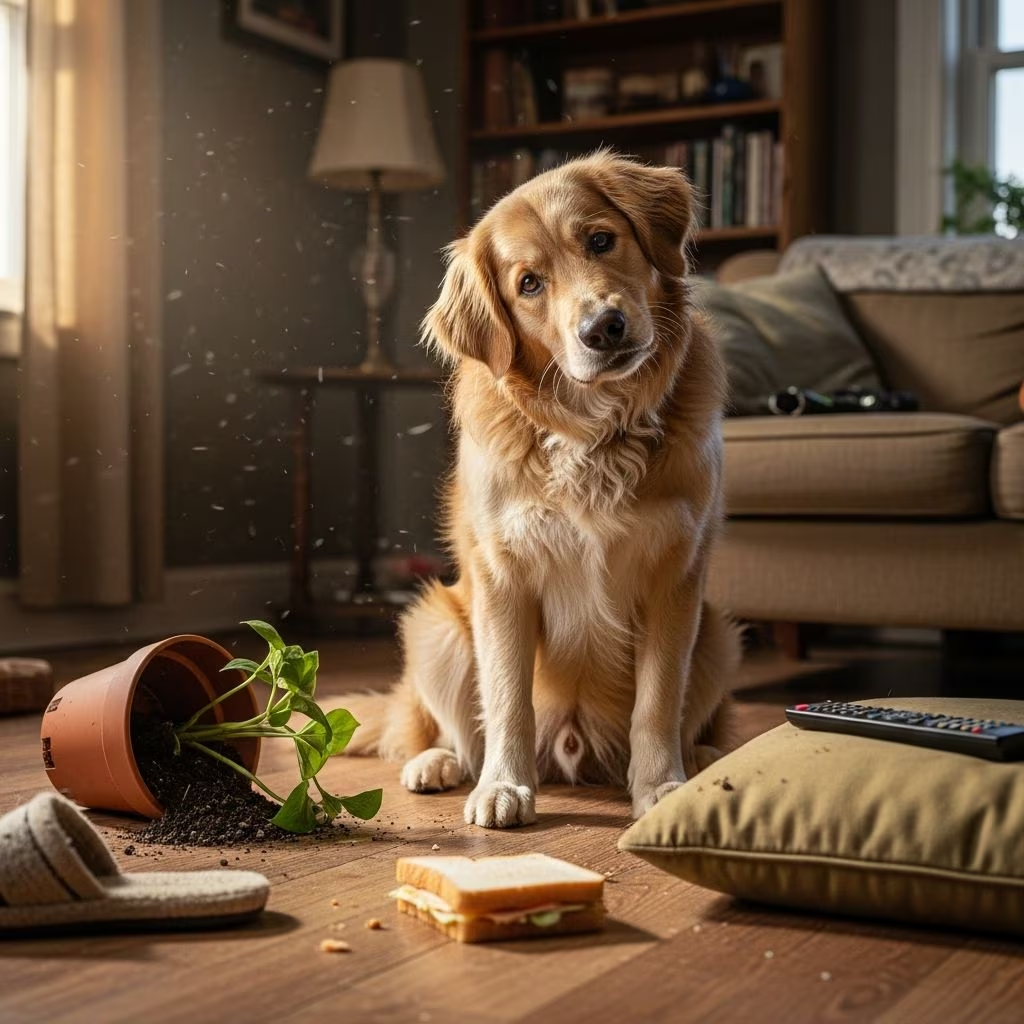
Just like human teenagers, adolescent dogs experience a dramatic transformation that can puzzle and frustrate pet owners. This critical developmental phase, typically occurring between six months and two years of age, marks a significant transition from puppyhood to adulthood. During this period, your once-obedient puppy may suddenly seem to have forgotten everything you taught them, display increased independence, and exhibit behaviors that range from endearing to exasperating. Understanding what drives these changes can help you navigate this challenging yet crucial stage of your dog’s life.
What Is Adolescence in Dogs?
Adolescence in dogs is a distinct developmental stage characterized by rapid physical growth, hormonal fluctuations, and significant brain development. While the onset and duration vary depending on breed size—with smaller breeds maturing faster than larger breeds—most dogs enter this phase around six months of age. This period typically extends until approximately 18 months to two years, though some dogs, particularly large breeds, may experience adolescence into their second year.
During this time, your dog undergoes profound physical and neurological changes. Their body grows rapidly, hormones surge as they approach sexual maturity, and their brain undergoes significant remodeling—particularly in areas governing impulse control and decision-making. These biological transformations directly influence behavior, explaining why your well-trained puppy may suddenly seem defiant or overly reactive.
Understanding Adolescent Dog Brain Development
The Emotional Brain: Big Feelings and Limited Control
One of the most important factors influencing adolescent dog behavior is incomplete brain development. Your adolescent dog’s amygdala—the brain region responsible for emotional processing—is fully functional, but the inhibitory neurons that help regulate these emotions are not yet fully developed. This neurological gap means your dog experiences emotions intensely: excitement, fear, joy, and anxiety are all felt to the maximum without adequate emotional regulation.
Simultaneously, the prefrontal cortex, which governs impulse control, decision-making, and rational thought, is undergoing significant remodeling during adolescence. This creates a challenging combination: your dog has powerful emotions but limited ability to control their responses to those feelings. The result is impulsive behavior, sudden emotional reactions, and seemingly unpredictable responses to situations they previously handled calmly.
Sensitivity to New Experiences
Adolescent dogs become increasingly sensitive to unfamiliar stimuli and experiences. Your previously confident puppy may suddenly develop fears of things that never bothered them before—a fear period is a normal developmental occurrence. This heightened sensitivity stems from their brain’s shifting approach to self-preservation as they begin asserting independence. The same exploratory mindset that drives curiosity also activates protective instincts.
Common Behavioral Changes During Adolescence
Increased Energy and Hyperactivity
Perhaps the most noticeable change during adolescence is a dramatic surge in energy levels. Your calm puppy may suddenly seem possessed by boundless energy, displaying bursts of hyperactivity that seem out of proportion to their exercise routine. This energy spike is directly related to rapid physical growth and hormonal changes occurring during this developmental stage. Without adequate outlets for this excess energy, adolescent dogs are more likely to engage in destructive behaviors.
The “Selective Hearing” Problem
One of the most frustrating aspects of adolescence is when your dog suddenly appears to ignore commands they previously knew well. This isn’t malicious behavior or a sign that your dog has forgotten their training—it’s a neurological reality. Adolescent dogs have increased distractibility and impulsivity, making it difficult for them to focus on your commands when their attention is pulled toward novel stimuli. This phase is temporary, and consistent training reinforcement will pay off.
Testing Boundaries and Independence
Adolescent dogs naturally begin testing boundaries as part of establishing their independence. Your dog may ignore rules previously followed, wander off during walks, or display what appears to be stubborn defiance. This is a normal developmental process where dogs learn about their place in their environment and social hierarchy. Rather than viewing this as regression, understand it as a sign of healthy development and maturation.
Destructive Behaviors
Chewing, digging, and destructive behavior often intensify during adolescence. These behaviors serve multiple purposes: they help relieve pent-up energy, allow exploration of their environment, and can indicate insufficient mental and physical stimulation. Managing destructive behaviors requires addressing the underlying need—exercise and enrichment—rather than punishment alone.
Hormonal Changes and Physical Development
Sexual Maturity and Hormone-Driven Behaviors
As adolescent dogs approach sexual maturity, hormonal surges significantly influence behavior. In males, increased testosterone can lead to marking behaviors, roaming tendencies, and increased territoriality. Females may experience mood swings and changes in social behavior. Importantly, these behaviors can occur even in spayed and neutered dogs, though neutering or spaying can help mitigate them.
Sexual maturity can also manifest through increased mounting and humping behaviors, unusual playfulness with other dogs, or conversely, decreased tolerance for play that may escalate to aggression. Some adolescent dogs become more anxious and jumpy as they adjust to hormonal shifts, requiring patient management and appropriate redirection.
Physical Growth Spurts
Alongside hormonal changes, adolescent dogs experience rapid physical growth. They become larger and stronger, sometimes seemingly overnight. Your dog may not yet understand their growing size and strength, leading to accidental knockdowns or overly enthusiastic play. Managing this physical development involves ensuring adequate space, appropriate outlets for physical activity, and gentle guidance during play interactions.
Social Development and Behavioral Challenges
Changes in Social Interactions
Adolescence marks a significant shift in how dogs interact socially. Research shows that adolescent dogs engage in more frequent social exploration and may test social hierarchies with other dogs. While this can result in strengthened bonds with humans and more confident social behavior, it can also lead to increased aggression toward other dogs or reactivity in social situations. Close supervision of social interactions during this period helps prevent conflicts and guides appropriate social development.
Fear-Based Behaviors and Anxiety
Adolescence frequently brings a “fear period” where previously confident dogs become anxious or fearful. Additionally, adolescent dogs are more prone to separation anxiety and possessive behaviors as they navigate increasing independence while still needing security. Understanding these behaviors as developmental rather than permanent helps owners respond with patience rather than frustration.
Why Adolescence Is Critical for Long-Term Behavior
Adolescence is more than just a challenging phase to endure—it’s a critical window for shaping your dog’s adult behavior. Research indicates that early and consistent training during adolescence significantly reduces the likelihood of behavior problems in adulthood. The habits, behaviors, and responses your dog develops during this period establish patterns that often persist throughout their life.
This is why maintaining consistent training, boundaries, and positive reinforcement during the teenage phase is so important, even when your dog seems to have forgotten everything they learned.
Training and Mental Stimulation Strategies
Maintaining Consistent Training
Training becomes even more crucial during adolescence, despite your dog’s apparent regression. Consistent reinforcement of commands and good behavior is essential, even when your dog seems unresponsive. Rather than abandoning training during this phase, increase consistency and patience. Short, focused training sessions work better than lengthy ones for the easily distracted adolescent brain.
Mental Stimulation and Enrichment
Mental stimulation is equally vital as physical exercise during adolescence. Puzzle toys, interactive games, and obedience exercises keep your dog’s sharp teenage mind engaged and help reduce unwanted behaviors. The combination of physical exercise and mental enrichment helps channel excess energy into positive activities, creating a more balanced and focused dog at home.
Appropriate Physical Exercise
Regular exercise helps burn the excess energy characteristic of adolescence. A well-exercised dog is more focused, responsive to training, and less likely to engage in destructive behaviors. However, avoid excessive jumping and high-impact activities that could stress developing joints, particularly in large breeds.
Key Behavioral Management Tips
- Maintain puppy-proofing: Secure hazards and remove tempting items, as adolescent dogs have renewed interest in exploring their environment.
- Provide appropriate chewing outlets: Offer durable chew toys to satisfy the increased chewing drive during this phase.
- Use positive reinforcement: Reward good behavior consistently to build strong associations with obedience.
- Manage socialization carefully: Continue controlled exposure to new experiences while supervising interactions with other dogs.
- Consider spaying or neutering: If not already done, discuss timing with your veterinarian to help manage hormone-driven behaviors.
- Stay patient and consistent: Remember that adolescence is temporary; consistency now pays dividends in adult behavior.
Frequently Asked Questions (FAQs)
Q: When does the adolescent phase end?
A: Most dogs complete their adolescent phase between 18 months and 2 years of age, though larger breeds may take longer. Each dog’s timeline varies based on breed, size, and individual development.
Q: Will my dog’s training stick, or do I need to restart?
A: Your dog hasn’t forgotten their training; they’re experiencing neurological changes affecting impulse control and focus. Consistent reinforcement during adolescence ensures your training holds through adulthood—you don’t need to restart from scratch.
Q: Is aggression during adolescence normal?
A: Some increase in assertiveness or dominance behaviors can occur during adolescence as dogs establish social hierarchies. However, significant aggression warrants consultation with a veterinary behaviorist to address underlying issues and prevent pattern development.
Q: How much exercise does my adolescent dog need?
A: Most adolescent dogs benefit from daily vigorous exercise combined with mental stimulation. However, avoid excessive jumping and impact activities that strain developing joints. Consult your veterinarian for breed-specific exercise recommendations.
Q: Should I spay or neuter my adolescent dog?
A: Spaying or neutering can help mitigate hormone-driven behaviors during adolescence. Discuss optimal timing with your veterinarian, as timing recommendations vary by breed and size.
Q: My adolescent dog developed new fears. Is this permanent?
A: Fear periods during adolescence are normal developmental occurrences and are often temporary. Patient, consistent exposure to feared stimuli in controlled, positive contexts helps your dog overcome these fears.
References
- Adolescent Dogs: What to Expect During Their Teenage Phase — Express Vets North Canton. 2024. https://www.expressvetsnorthcanton.com/blog/adolescent-dogs-what-to-expect-during-their-teenage-phase
- Tips for Managing the Teenage Dog Phase With Your Puppy — Preventive Vet. 2024. https://www.preventivevet.com/dogs/teenage-puppy-behavior
- From Cute to Chaos: Understanding Your Adolescent Dog — Vet Behavior Minnesota. 2024. https://vetbehaviormn.com/adolescentdogs/
- Your Adolescent Puppy and Changes to Expect — American Kennel Club. 2024. https://www.akc.org/expert-advice/health/adolescent-puppy-changes/
- The teenage years: Puppy-proofing and training tips — Cornell University College of Veterinary Medicine. 2024. https://www.vet.cornell.edu/departments-centers-and-institutes/riney-canine-health-center/canine-health-topics/teenage-years-puppy-proofing-and-training-tips



