
Administering Medication to Dogs: Complete Guide
Master safe and effective techniques for giving your dog oral medications
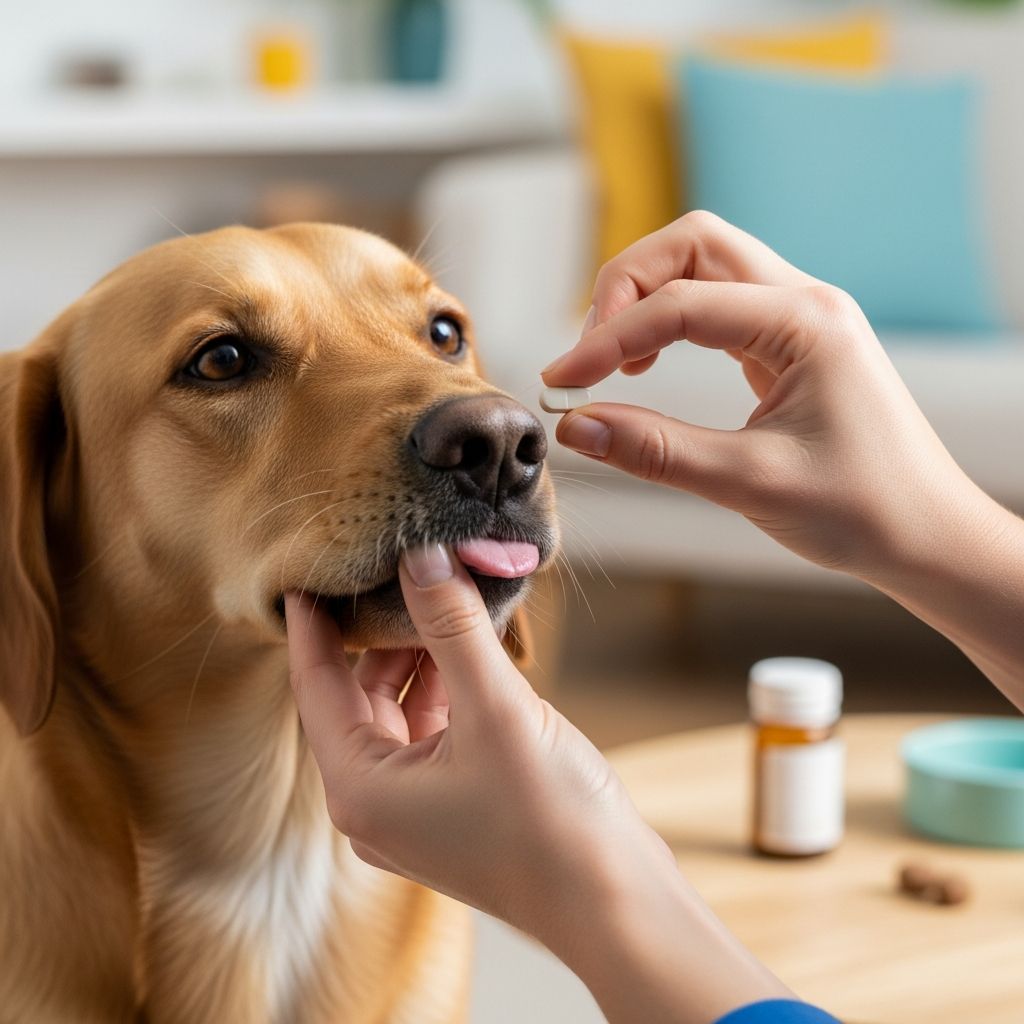
Pet owners often face significant challenges when their veterinarians prescribe oral medications for their dogs. Whether dealing with antibiotics, pain relievers, or chronic condition treatments, the process of getting your dog to take their medicine can transform into a daily struggle if approached incorrectly. Understanding the various methods available and knowing which technique works best for your individual dog can transform medication time from a source of anxiety into a manageable routine.
Understanding Your Dog’s Medication Needs
Before implementing any medication administration strategy, it’s essential to thoroughly understand your dog’s specific prescription requirements. Read the prescription label carefully and confirm the exact dosage, frequency, and any special instructions from your veterinarian. Some medications require administration with food, while others must be given on an empty stomach. Certain medications cannot be crushed or broken apart, as doing so may destroy protective coatings designed for extended release or render the medication ineffective.
Take time to discuss medication administration with your veterinary team before leaving the clinic. Ask whether the medication can be mixed with food, if it has any taste or smell that might make it unappealing, and whether your dog should eat before or after taking the medication. This advance preparation prevents mistakes that could compromise treatment effectiveness.
The Food-Hiding Method: Simplicity and Effectiveness
The most straightforward approach to medication administration involves disguising the pill within a food item your dog finds irresistible. This method works best as your first choice because it eliminates stress and requires minimal handling.
Selecting Appropriate Food Vehicles
Various foods can effectively conceal medications, though some options prove more reliable than others. Common choices include:
- Canned dog food formed into small meatballs
- Commercial pill pockets or pill wraps designed specifically for this purpose
- Peanut butter (creamy varieties work best)
- Cheese pieces or cheese spread
- Cooked sweet potato
- Lunch meats rolled tightly
- Marshmallows
- Liverwurst or other strongly flavored meats
When using your dog’s regular wet food, form a small ball around the medication and hand-feed it to ensure consumption. However, this strategy can backfire with discerning dogs that excel at detecting hidden pills. If your dog possesses an uncanny ability to locate and spit out medications hidden in food, avoid using their regular meal food, as they may develop negative associations with mealtimes.
Timing and Presentation Strategies
Present the medicated treat when your dog is hungry, typically before regular meals. Hand-feed the pill-containing food item rather than simply placing it in the bowl to ensure your dog actually swallows it. Watch your dog after administration, as some clever pets deposit pills behind furniture or under cushions for later investigation.
For dogs with specific dietary restrictions or allergies, commercial pill pocket products offer a safe alternative. These treats are formulated to disguise medication effectively while maintaining nutritional appropriateness for various dietary needs.
Understanding Pill Composition and Crushing Concerns
Many pet owners assume that crushing pills into powder and sprinkling them over food represents a viable shortcut. This approach carries significant risks and should be avoided in most circumstances. Pharmaceutical manufacturers coat many pills with protective layers that serve multiple purposes: masking bitter tastes that would be immediately obvious if crushed, and controlling where in the digestive system the medication releases.
Extended-release formulations contain special coatings that allow gradual medication release throughout the day or specifically in different sections of the intestines. Crushing these pills destroys the coating entirely, potentially converting a medication meant to work over twelve hours into one that releases all at once, causing unpredictable effects or reduced efficacy.
Always consult your veterinarian before attempting to alter medication form. If your dog truly cannot swallow pills, ask whether the medication is available in liquid form or whether the veterinarian can recommend alternative treatments.
Direct Oral Administration: The Step-by-Step Process
When food-hiding methods fail or the medication cannot be mixed with food, direct administration into the mouth becomes necessary. This technique, commonly called “pilling,” requires patience, proper technique, and a calm demeanor.
Preparing for Direct Administration
Begin by washing and drying your hands thoroughly to prevent the pill from slipping. If your dog experiences anxiety around mouth handling, spend several days desensitizing them to the process. Simply lift their lips gently and touch their mouth area to acclimate them to this sensation. This preparation dramatically improves success rates and reduces stress during actual medication administration.
The Pilling Technique
Follow these sequential steps for safe and effective pill administration:
- Hold the pill between your thumb and index finger on your dominant hand
- With your other hand, gently grasp your dog’s muzzle from above, placing your thumb behind the canine teeth on one side of the upper jaw
- Tilt your dog’s head back slightly, pointing the nose upward until the jaw drops open naturally
- Use your little finger and ring finger to gently press on the lower lip and front teeth, opening the mouth further
- Quickly place the pill as far back over the tongue as possible, ideally beyond the hump of the tongue at the back of the mouth
- Close your dog’s mouth immediately and hold it closed while returning the head to normal position
- Gently rub the throat or blow lightly on the nose to stimulate swallowing
- Watch for nose licking, which typically indicates successful swallowing
- Immediately provide positive reinforcement through treats, petting, or play
Critical Safety Considerations
Avoid placing your hand or fingers too far back in the mouth, as this triggers a gag reflex and can cause choking. The back of the throat is the target location, not the deepest recesses of the mouth. If your dog shows significant resistance or fear during this process, consult your veterinarian about alternative methods or professional assistance from a veterinary technician.
Administering Liquid Medications
Liquid medications present different challenges than solid pills and require distinct handling techniques. Draw the correct dose into an oral syringe before beginning the process. Position a towel under and around your dog to catch any drips or spills.
Never tilt your dog’s head backward when administering liquids, as this position can cause aspiration into the lungs. Instead, insert the soft plastic syringe tip into the side of your dog’s mouth, just past the lower teeth. Gently squeeze small amounts of medication at a time, pausing between squirts to allow your dog to swallow without gagging.
This slower approach prevents your dog from spitting out the medication and reduces the risk of aspiration, a serious complication where medication enters the lungs instead of the stomach. Even if your dog appears reluctant, never warm liquid medication in a microwave, as this can damage the medication’s effectiveness and potentially cause burns.
Troubleshooting Common Challenges
When Your Dog Consistently Spits Out Pills
Some dogs prove exceptionally skilled at ejecting pills despite your best efforts. If this occurs repeatedly, try lubricating the pill with a soft treat before direct administration, which improves swallowability. Alternatively, consult your veterinarian about pill-dispensing devices designed to safely deposit medication in the back of the throat while protecting your fingers from being bitten.
Managing Anxious or Nervous Dogs
Shy or nervous dogs may respond poorly to forceful pilling attempts and might hide for days afterward, damaging your relationship and making future medication administration even more difficult. For these animals, invest time in gradual desensitization. Start by simply touching their mouth during calm moments, then progress to opening their mouth gently, and finally to pill administration only after they’re comfortable with previous steps.
Maintain calm confidence during medication time, as dogs readily sense and mirror human anxiety. Your relaxed demeanor encourages your dog to remain calm as well.
Addressing Food Aversion
If your dog begins showing reluctance toward foods previously containing medication, discontinue using those foods for pill hiding. Some dogs develop aversions to specific foods after experiencing multiple medications hidden within them. Rotate through different food vehicles to prevent this association, and reserve certain favorite foods exclusively for regular meals, never for medication delivery.
Professional Assistance and When to Seek Help
If you feel uncomfortable administering medication or fear being bitten during direct pilling attempts, contact your veterinarian or a veterinary technician for guidance or assistance. Many veterinary clinics can demonstrate proper technique or even administer medications during office visits if necessary. Some clients arrange for veterinary staff to administer medications once or twice weekly, while the owner handles other doses independently.
Numerous online video tutorials demonstrate pilling techniques with real dogs, which can provide valuable visual learning opportunities before attempting the procedure yourself.
Frequently Asked Questions
Can I mix crushed medication with my dog’s food?
Only with veterinary approval. Many pills have protective coatings that are destroyed by crushing, rendering them ineffective or altering their release pattern. Always ask your veterinarian first.
What if my dog refuses all food-hiding methods?
Direct oral administration becomes necessary. If your dog is particularly anxious or aggressive, ask your veterinarian about whether the medication is available in liquid form or alternative treatments.
How can I tell if my dog actually swallowed the pill?
Dogs typically lick their noses immediately after swallowing pills. Additionally, watch for the pill not appearing in spilled food or hidden under furniture later.
Is it safe to warm liquid medication?
Never use a microwave to warm medication, as this can destroy its effectiveness and potentially cause burns. Ask your veterinarian about proper storage and administration temperature requirements.
Building a Sustainable Medication Routine
Whether your dog requires short-term antibiotics or long-term chronic condition management, establishing a consistent routine minimizes stress for both you and your pet. Select a consistent time each day when your dog is calm and receptive. Pair medication administration with positive experiences to build positive associations. Never chase or corner your dog to administer medication, as this creates fear and resistance.
Keep all medications stored as directed, typically in a cool, dry location away from children and other pets. Maintain a medication log to ensure you don’t accidentally double-dose or miss doses. Set phone reminders during the first week of any new medication to establish the habit.
Remember that your veterinarian is your partner in your dog’s health. If medication administration proves consistently difficult, ask about alternative formulations, administration schedules, or professional options that might work better for your specific situation.
References
- Giving Pills to Dogs — VCA Animal Hospitals. Accessed 2026. https://vcahospitals.com/know-your-pet/giving-pills-to-dogs
- How to Give a Dog a Pill Using Foods That Are Safe — PetMD Editorial. https://www.petmd.com/dog/care/how-give-dog-pill-using-foods-are-safe
- How to Give a Dog a Pill — Best Friends Animal Society. https://bestfriends.org/pet-care-resources/how-give-dog-pill
- Giving Your Dog Oral Medications — Cornell University College of Veterinary Medicine. https://www.vet.cornell.edu/hospitals/pharmacy/consumer-clinical-care-guidelines-animals/giving-your-dog-oral-medications
- How to Give Your Dog Medicine: Expert Tips and Tricks — CareCredit. https://www.carecredit.com/well-u/pet-care/how-to-give-dog-medicine/
Similar Articles








Read full bio of medha deb




