

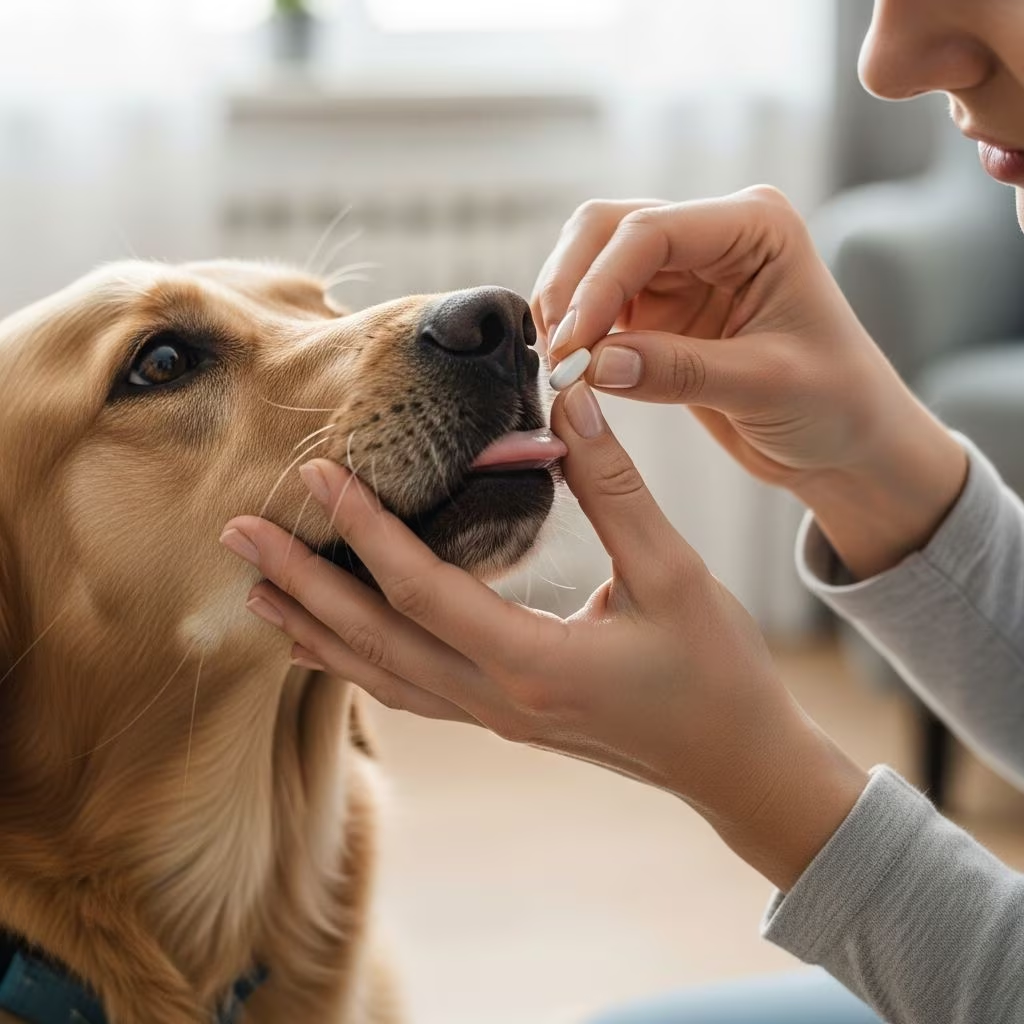
Giving your dog medication can feel like a challenging task, especially if your pet resists or refuses to take pills. Whether your veterinarian has prescribed antibiotics, pain relief, or other treatments, understanding the most effective administration methods will make the process smoother for both you and your pet. Different dogs respond to different approaches, and what works for one may not work for another. By exploring various strategies and remaining calm and patient, you can successfully deliver necessary medications while maintaining a positive relationship with your dog.
Understanding Why Medication Administration Matters
Proper medication administration is crucial for your dog’s recovery and overall health. When your veterinarian prescribes medication, they calculate specific dosages based on your dog’s weight, condition, and medical history. Ensuring your dog receives the complete dose as prescribed is essential for the medication to work effectively. Many dog owners worry about whether their pet has actually swallowed the medication, particularly if the dog attempts to spit it out or hides it. Taking the time to master proper administration techniques ensures your dog receives full therapeutic benefits and recovers more quickly from illness or injury.
The Food-Based Approach: Disguising Pills in Treats
One of the most straightforward methods for administering pills involves hiding them within food that your dog finds irresistible. This approach works exceptionally well for dogs who enjoy eating and aren’t overly suspicious about their food. The key is selecting appropriate carriers that will mask the pill while ensuring your dog consumes it completely.
Selecting the Right Food Vehicle
Several food options work particularly well for concealing medications. Soft foods that can be molded around the pill are ideal because they keep the medication fully enclosed until swallowing. Commercial pill pockets represent a convenient option designed specifically for this purpose, though you can also use readily available household foods. Wet dog food formed into small meatballs, creamy peanut butter on a small spoon, cream cheese, soft cheese pieces, lunch meat rolled into a ball, marshmallows, or cooked sweet potato all serve as effective pill carriers.
When selecting food items, keep several factors in mind. First, consider your dog’s dietary restrictions and any foods your veterinarian has advised you to avoid. Second, choose foods that your dog genuinely enjoys eating without hesitation. Third, recognize that some foods may be unsafe for dogs depending on their health status, so verify with your veterinarian before using any new food item as a pill vehicle.
Best Practices for Food-Based Administration
When using the food-hiding method, timing and execution significantly impact success rates. Offer the medicated food or treat when your dog is hungry, such as before their regular mealtime, rather than after they’ve already eaten. Hand-feed the medication-containing piece rather than leaving it in the bowl, allowing you to monitor whether your dog actually swallows it.
Watch your dog carefully after administration to ensure the pill hasn’t been spit out and hidden somewhere in your home. Some clever dogs have perfected the art of extracting pills and stashing them behind furniture or under beds. If your dog successfully removes pills from the food, you’ll need to switch to an alternative method or a different food vehicle.
Important Warnings About Crushing or Grinding Pills
While crushing a pill into powder might seem logical, this approach often backfires and should be avoided. Many medications have protective coatings that serve important purposes. Some coatings prevent the pill from dissolving prematurely in the stomach, allowing it to reach the intestines where it’s absorbed. Others mask bitter tastes that become obvious when the pill is crushed, making dogs refuse the medication. Additionally, crushing certain medications can render them ineffective or cause them to be absorbed too quickly, reducing their therapeutic value. Always ask your veterinarian before considering crushing or grinding any medication.
Direct Pilling: Step-by-Step Technique
When your dog refuses food-based methods or when dietary restrictions prevent their use, direct pilling becomes necessary. This technique involves placing the pill directly into your dog’s mouth. While it requires practice and confidence, most dog owners can master this method with proper instruction and patience.
Preparation and Mental Approach
Before attempting to pill your dog directly, prepare yourself mentally and physically. Wash and dry your hands thoroughly to improve your grip on the pill and prevent it from becoming slippery. Remain calm and confident throughout the process, as dogs readily sense anxiety and may resist more strongly if they detect your uncertainty. Your relaxed demeanor communicates to your dog that this is routine and non-threatening.
Build your dog’s tolerance for having their mouth handled before you ever need to administer medication. Practice gently opening your dog’s mouth, lifting their lips, and touching around their teeth during calm moments. This desensitization makes the actual pilling process far less stressful for your dog and easier for you.
The Pilling Sequence
Execute the direct pilling technique using this established sequence:
- Lubricate the pill: Coat the pill with a soft treat, butter, or oil to ease swallowing and reduce the gag reflex.
- Grip the pill: Hold the pill between your thumb and index finger on your dominant hand.
- Control the head: With your other hand, gently grasp your dog’s muzzle from above, placing your thumb behind the canine teeth on one side of the upper jaw and your fingers on the other side.
- Tilt the head back: Gently tilt your dog’s head upward so their nose points skyward. This positioning causes the jaw to open slightly.
- Open the mouth further: Use your little finger and ring finger to apply gentle downward pressure on the lower lip and front teeth, opening the mouth wider.
- Insert the pill: Quickly place the pill as far back on the tongue as possible, ideally beyond the hump of the tongue. Avoid placing your hand too far back, as this triggers a choking or gagging response.
- Close and secure: Close your dog’s mouth and hold it gently closed while returning their head to a normal position.
- Encourage swallowing: Gently rub your dog’s nose or throat, or blow lightly on their nose to trigger the swallowing reflex. Most dogs will lick their nose when they’ve swallowed successfully.
- Reward immediately: Provide positive reinforcement such as treats, praise, or play immediately after pilling to build positive associations with the process.
Administering Liquid Medications
Liquid medications require a different approach than pills or capsules. The technique for delivering liquids differs because tilting your dog’s head back can cause aspiration or gagging.
Proper Liquid Administration Technique
Unlike pill administration, liquid medication delivery requires you to keep your dog’s head in a neutral position rather than tilted back. Draw the correct dose into an oral syringe, then insert the soft plastic tip into the side of your dog’s mouth, just past the lower teeth. This positioning prevents the liquid from going down the windpipe while allowing it to flow into the mouth safely.
Squeeze the syringe slowly and gently, dispensing small amounts at a time. Pause between squirts to allow your dog to swallow the medication comfortably without gagging or choking. Never warm medication in the microwave before administration, even if it seems to be at room temperature, as excessive heat can damage the medication’s effectiveness and create safety hazards.
Managing Medication Administration Challenges
Not all dogs accept medication willingly or easily. Understanding how to handle common challenges will help you persevere when difficulties arise.
When Your Dog Spits Out Pills
Some dogs develop impressive techniques for extracting pills and expelling them. If your dog consistently spits out medication, explore these solutions. First, verify that the pill is being placed far enough back in the mouth—sometimes pills are ejected because they land too far forward on the tongue. Second, try wrapping the pill in different food vehicles if using the food-based method. Third, consider asking your veterinarian whether an alternative medication formulation exists, such as a chewable tablet or liquid version of the same drug.
Creating Positive Associations
Dogs can develop negative associations with medications, especially if administration becomes stressful or traumatic. Some dogs may begin to hide from their owners or avoid their food bowls if they fear medication administration. To prevent these associations, maintain a calm demeanor, use positive reinforcement generously, and never extend medication time unnecessarily. If your dog becomes extremely anxious or resistant, discuss alternative administration methods with your veterinarian or consult a veterinary behaviorist.
When to Seek Professional Help
If you feel nervous about your ability to administer medication safely, or if your dog becomes aggressive or extremely resistant, contact your veterinarian or veterinary technician for assistance. Many veterinary clinics can demonstrate proper techniques or administer medications for you if necessary. Attempting to force medication administration with an uncooperative dog risks injury to both you and your pet and can create lasting behavioral problems.
Important Considerations and Safety Guidelines
Reading and Understanding Prescription Instructions
Before administering any medication, carefully read the prescription label and understand the dosing instructions completely. Note whether the medication should be given with or without food, as this affects how your dog absorbs and benefits from the drug. Some medications work better on an empty stomach, while others require food to minimize gastrointestinal upset. If you have questions about administration, timing, or potential side effects, contact your veterinarian before giving the first dose.
Avoiding Negative Associations with Regular Foods
When hiding pills in food, be cautious about creating negative associations. If you regularly hide medication in your dog’s regular wet food, your dog may begin to refuse that food entirely, fearing it contains medication. Instead, reserve special treats or foods specifically for medication administration, keeping your dog’s regular meals separate and medication-free. This separation ensures your dog remains confident about eating their normal diet.
Dosing Accuracy
Accurate dosing is essential for medication effectiveness. Whether administering pills, capsules, or liquids, ensure you’re giving the precise amount prescribed. For liquids administered via syringe, measure carefully to the marked line. For pills, don’t attempt to split tablets unless your veterinarian specifically instructs you to do so, as some pills cannot be safely divided.
Frequently Asked Questions About Canine Medication Administration
What’s the easiest way to give my dog a pill?
For most dogs, hiding the pill in a special treat or favorite food is the easiest method. Commercial pill pockets, wet dog food formed into a ball, or soft cheese wrapped around the pill typically work well. Watch your dog immediately after offering the medicated food to confirm they’ve swallowed it.
Can I crush my dog’s medication to make it easier to give?
Crushing medication is generally not recommended and can be counterproductive. Many pills have protective coatings that aid absorption and mask bitter tastes. Crushing destroys these coatings, making the medication taste terrible and potentially rendering it ineffective. Always consult your veterinarian before crushing any medication.
How do I know if my dog has actually swallowed the pill?
If using the direct pilling method, your dog will typically lick their nose after swallowing. If using the food method, observe your dog immediately after they eat to see if they spit out the pill. For extra assurance, offer a small treat without medication immediately after, which reinforces that swallowing was successful.
What should I do if my dog refuses medication?
Try alternative food vehicles, different times of day, or consult your veterinarian about alternative formulations. If resistance persists, your veterinarian may administer medication at the clinic or recommend different dosing strategies.
Conclusion: Building Confidence in Medication Administration
Administering medication to your dog doesn’t have to be stressful for either of you. By understanding the various techniques available—from food-based hiding methods to direct pilling and liquid administration—you can select the approach that works best for your individual dog. Practice proper techniques, remain calm and confident, and always consult your veterinarian if you encounter difficulties. With patience and persistence, medication administration becomes a routine part of caring for your dog’s health and wellbeing.
References
- How to Give Your Dog Medicine: Expert Tips and Tricks — CareCredit. 2024. https://www.carecredit.com/well-u/pet-care/how-to-give-dog-medicine/
- Giving Pills to Dogs — VCA Animal Hospitals. 2024. https://vcahospitals.com/know-your-pet/giving-pills-to-dogs
- How to Give a Dog a Pill — Best Friends Animal Society. 2024. https://bestfriends.org/pet-care-resources/how-give-dog-pill
- Giving Your Dog Oral Medications — Cornell University College of Veterinary Medicine. 2024. https://www.vet.cornell.edu/hospitals/pharmacy/consumer-clinical-care-guidelines-animals/giving-your-dog-oral-medications
- How to Give a Dog a Pill Using Foods That Are Safe — PetMD. 2024. https://www.petmd.com/dog/care/how-give-dog-pill-using-foods-are-safe



