

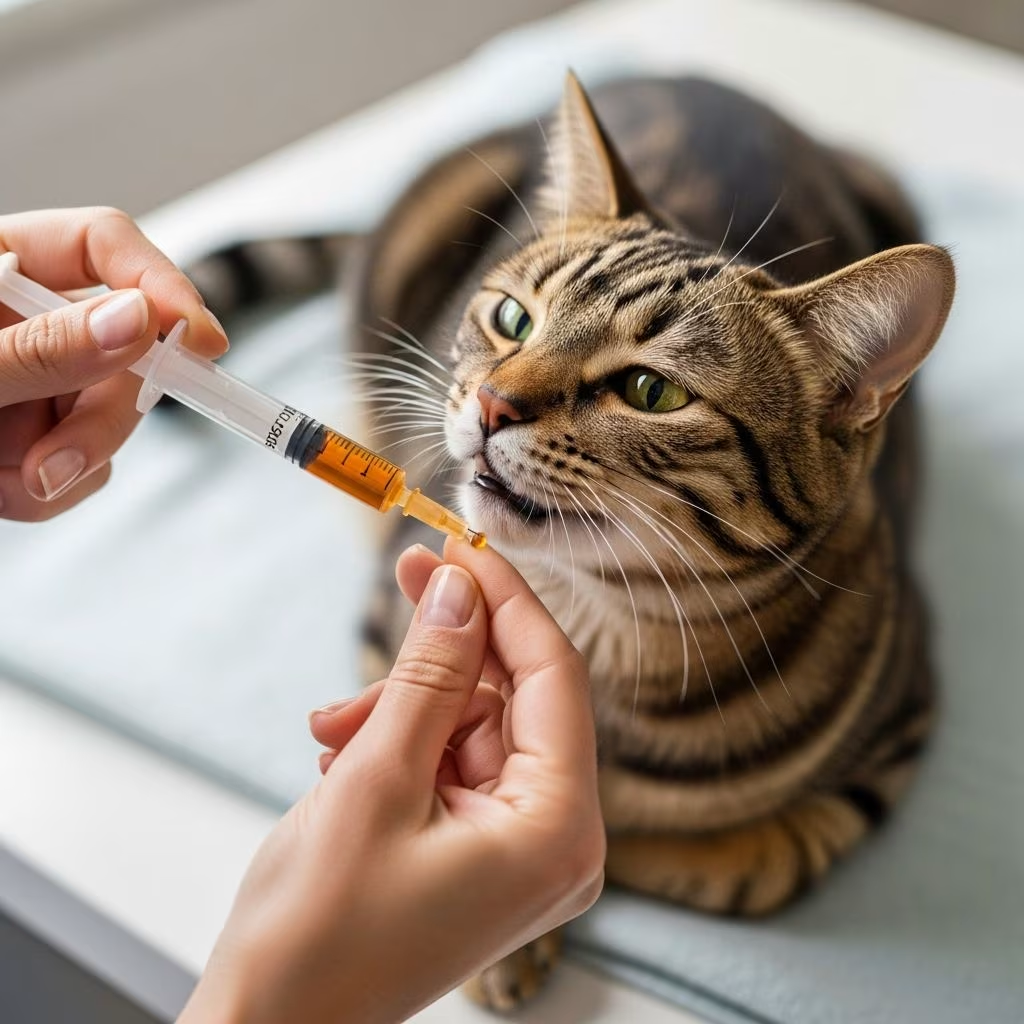
Lactulose serves as a key medication for cats facing constipation or elevated ammonia levels from liver conditions. This synthetic sugar draws water into the intestines to soften stool or traps toxins in the gut for elimination. Administering it requires precision to ensure effectiveness while minimizing stress for your pet.
Understanding Lactulose’s Role in Feline Health
Lactulose acts as an osmotic laxative, pulling fluid into the colon to promote softer, easier bowel movements. In cases of hepatic encephalopathy, it ferments in the gut to produce acids that bind ammonia, preventing its absorption into the bloodstream. Vets prescribe it for chronic constipation, megacolon, or liver dysfunction, often as a first-line treatment before more invasive options.
Cats metabolize lactulose poorly in the small intestine, allowing most to reach the large bowel intact where it exerts its effects. Effects typically appear within 24-48 hours for laxative action, making consistent dosing crucial. Always obtain a veterinary prescription, as off-label use demands professional oversight.
Determining the Right Dosage for Your Cat
Dosage varies by condition, cat’s weight, and response. For constipation, common guidelines suggest 1 ml per 10 lbs (4.5 kg) of body weight, given three times daily. Alternatively, flat doses of 2-3 ml every 8-12 hours suit most adult cats, adjustable based on stool consistency.
For hepatic encephalopathy, lower doses apply: 0.25-1 ml per cat, up to four times daily. Some sources recommend 1 ml per 2 lbs every 8 hours initially for severe cases, tapering as needed. Crystals offer an alternative at ¼-½ teaspoon per cat, mixed into food, equivalent to 1-2.5 ml liquid.
| Condition | Typical Dosage | Frequency | Notes |
|---|---|---|---|
| Constipation | 1 ml/10 lbs or 2-3 ml/cat | Every 8-12 hours | Adjust for stool quality; monitor for 24 hours |
| Hepatic Encephalopathy | 0.25-1 ml/cat | Up to 4 times daily | Weight-dependent; vet confirmation essential |
| Crystals (Constipation) | ¼-½ tsp/cat | 1-2 times daily | Mix in canned food |
Consult your vet before adjustments. Overdosing risks diarrhea; underdosing delays relief. Weigh your cat accurately and use a syringe for measurement.
Preparation Steps Before Giving Lactulose
Success starts with readiness. Gather a 1-3 ml oral syringe, clean towels, treats, and the medication. Shake the bottle well if it’s liquid form, as settling occurs. Select a quiet room to reduce anxiety. Have a helper if your cat resists handling.
- Verify the prescription label matches your cat’s details.
- Draw up the exact dose slowly to avoid air bubbles.
- Warm the liquid slightly in your hand for palatability, but never microwave.
- Position treats nearby for positive reinforcement.
Timing matters: Dose consistently, spacing by 8+ hours. If a dose is missed, give it promptly unless near the next one, then skip to avoid overlap.
Practical Techniques for Oral Administration
Most cats dislike lactulose’s sweet, sticky taste, so patience is key. Start with least invasive methods.
Food Mixing Method
Blend the dose into a small portion (1 tsp) of strong-flavored wet food like tuna or chicken pate. Hand-feed to confirm ingestion. This works for amenable cats but risks incomplete dosing if they eat selectively.
Slow Lick Technique
Hold your cat comfortably on your lap. Place the syringe tip at the front of the mouth, dispense a drop, and let them lick voluntarily. Repeat slowly, allowing swallows. This minimizes force and salivation.
Direct Syringe Delivery
Gently secure the head with one hand, tilting slightly upward. Insert the syringe into the diastema (gap behind canines) on the side. Depress plunger gradually in small bursts, aiming sideways, not down the throat. Pause for swallowing to prevent aspiration or choking.
- Use minimal restraint to avoid scratches.
- Rinse syringe immediately after with hot water.
- Follow with a favorite treat or play session.
Advanced Option: Flavored Compounding
For long-term needs, request compounded versions in flavors like fish or liver. Pharmacies create custom liquids or treats. Discuss pros (better compliance) and cons (cost, availability) with your vet.
Recognizing and Managing Side Effects
Common effects include gas, bloating, or loose stools from osmotic action. Excessive diarrhea signals overdose—reduce dose and notify your vet. Rare issues: dehydration, electrolyte imbalance, or vomiting, especially if underlying obstruction exists.
Monitor closely: No stool in 24-48 hours? Seek emergency care, as obstipation risks megacolon. For liver cases, watch for neurological signs like ataxia or seizures improving with treatment.
| Side Effect | Symptoms | Action |
|---|---|---|
| Diarrhea | Watery stools, urgency | Lower dose; hydrate; vet if persistent |
| Gas/Bloating | Flatulence, abdominal distension | Normal initially; resolves as gut adjusts |
| Vomiting | Nausea post-dose | Stop and consult vet; check for obstruction |
When to Seek Veterinary Intervention
Lactulose isn’t for every case. Avoid in intestinal blockages, dehydration, or diabetes (due to sugar content). If symptoms worsen—lethargy, no appetite, blood in stool—rush to the vet. Regular check-ups ensure proper liver/kidney function during therapy.
Combine with diet: High-fiber foods, increased water intake via fountains, or probiotics aid results. For megacolon, surgery may follow medical management.
Storage and Long-Term Management Tips
Store liquid at room temperature, away from light/heat; discard after expiration. Crystals keep indefinitely if dry. Track dosing in a log for vet reviews.
- Encourage exercise to stimulate bowels.
- Switch litters to softer types for comfort.
- Annual bloodwork for chronic users.
Frequently Asked Questions (FAQs)
How quickly does lactulose work in cats?
Expect softer stools in 12-48 hours. Adjust if no response.
Can I give lactulose with other medications?
Yes, but space antacids by 2 hours; vet approval needed.
Is lactulose safe for kittens or seniors?
Dose proportionally; vet guidance essential due to sensitivities.
What if my cat spits out the dose?
Recalculate remainder; don’t redose fully to avoid overdose.
Does lactulose cause dependency?
No, but taper under vet supervision for chronic use.
Holistic Support for Feline Digestive Wellness
Beyond medication, pumpkin puree (1 tsp daily), omega-3 supplements, and hydration boost efficacy. Stress reduction via pheromones prevents constipation triggers. Track weight, stool frequency/quality weekly for proactive care.
Empowering owners with knowledge ensures cats receive timely relief, improving quality of life. Partner with your vet for tailored plans, turning challenges into manageable routines.
References
- Lactulose Solution Laxative for Dogs and Cats — PetCareRx. Accessed 2026. https://www.petcarerx.com/lactulose-solution/11456
- How Do You Give a Cat Lactulose? (7 Vet Approved Methods) — Catster. Accessed 2026. https://www.catster.com/cat-health-care/how-do-you-give-a-cat-lactulose/
- Lactulose for Cats: Overview, Dosage & Side Effects — Cats.com. Accessed 2026. https://cats.com/lactulose-for-cats
- Lactulose Solution Laxative For Dogs and Cats — Medi-Vet. Accessed 2026. https://www.medi-vet.com/Lactulose-Solution-p/11312.htm
- Lactulose – Client Information Leaflet — Woodward Vets. Accessed 2026. https://www.woodward-vets.co.uk/images/downloads/medication-leaflets/Lactulose.pdf
- Practice Tips — PMC – NIH. 2009-09-01. https://pmc.ncbi.nlm.nih.gov/articles/PMC2764516/
- Constipation, Obstipation, and Megacolon in Small Animals — Merck Veterinary Manual. Accessed 2026. https://www.merckvetmanual.com/digestive-system/diseases-of-the-large-intestine-in-small-animals/constipation-obstipation-and-megacolon-in-small-animals



