

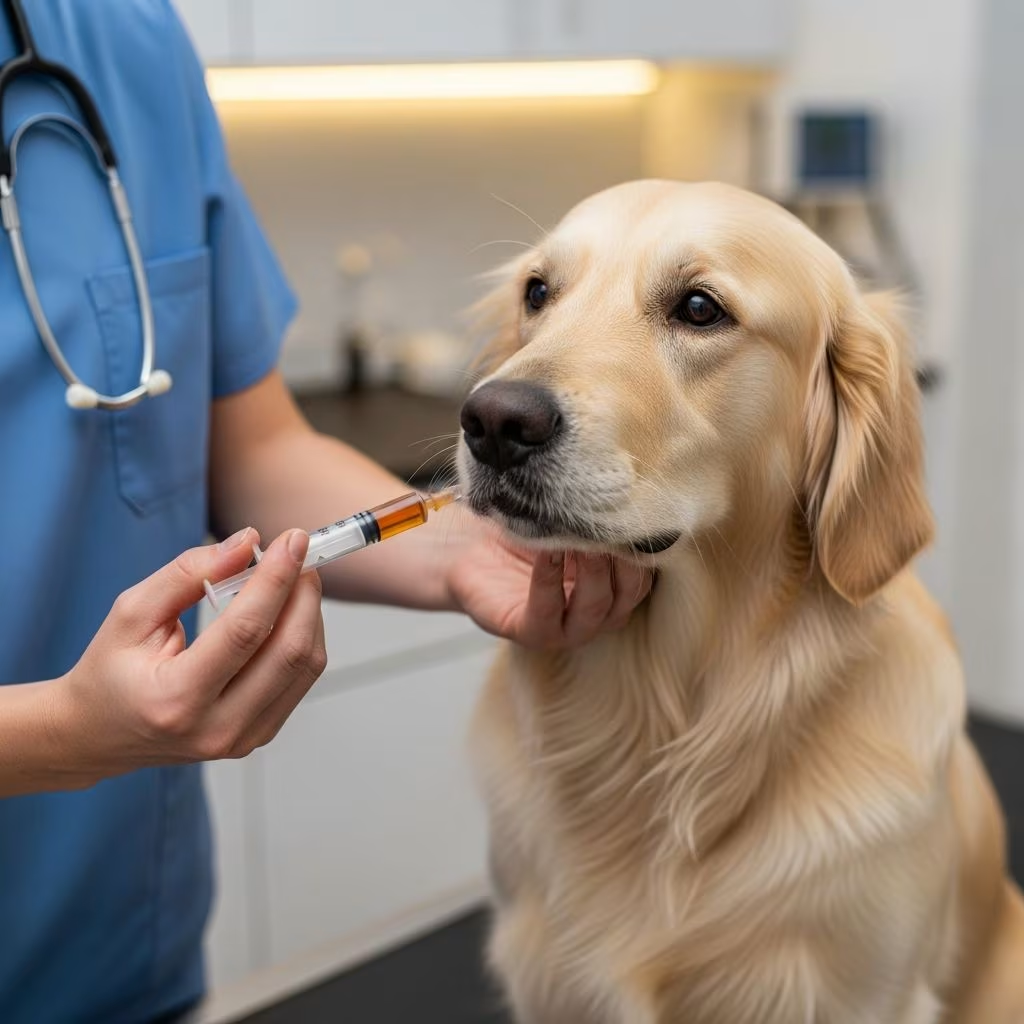
Antibiotics play a crucial role in treating bacterial infections in dogs, but their use must be precise to ensure effectiveness and curb resistance. Veterinary guidelines emphasize judicious application based on confirmed diagnoses and susceptibility testing.
Understanding When Antibiotics Are Necessary for Canines
Bacterial infections require antibiotics only when no other treatments suffice, prioritizing animal welfare while considering environmental impacts. Common indications include skin infections, urinary tract issues, respiratory conditions, and post-surgical complications in dogs.
- Confirm bacterial involvement via cytology or culture before starting therapy.
- Avoid routine use for viral or self-limiting conditions.
- Prioritize narrow-spectrum options to preserve normal flora.
For urinary tract infections (UTIs), guidelines recommend culture-guided therapy, as empirical choices like amoxicillin-clavulanate suit many cases but must align with susceptibility.
Key Principles of Antimicrobial Stewardship in Veterinary Practice
Stewardship involves committing to optimal use, preventing diseases, and evaluating outcomes. Veterinarians oversee all prescriptions under a valid client-patient relationship.
| Principle | Description | Application in Dogs |
|---|---|---|
| Judicious Selection | Choose based on evidence and testing | Use first-line drugs like penicillins for susceptible infections |
| Dosing Optimization | Maximize efficacy, minimize retreatment | Adjust for renal/hepatic function |
| Duration Control | Shortest effective course | Typically 3-7 days for uncomplicated UTIs |
| Avoid Critically Important Drugs | Reserve for human medicine priorities | No first-line fluoroquinolones or 3rd-gen cephalosporins |
These steps reduce resistance risks, with studies showing extended courses heighten side effects.
Common Antibiotics Prescribed for Dogs and Their Uses
Veterinarians select from approved drugs based on infection site and pathogen.
- Amoxicillin-Clavulanate: Broad-spectrum for skin, soft tissue, and UTIs; dose 12.5-25 mg/kg twice daily.
- Cephalexin: First-line for pyoderma; 22-30 mg/kg every 12 hours.
- Doxycycline: Effective against tick-borne diseases and some respiratory infections; 5-10 mg/kg daily.
- Clindamycin: Targets anaerobes and toxoplasmosis.
- Trimethoprim-Sulfamethoxazole (TMPS): For UTIs and protothecosis.
For severe sepsis, initial IV penicillin G or ampicillin combines with fluoroquinolones pending cultures. Urine pH influences choices: acid-active drugs like tetracyclines for acidic environments.
Proper Dosage, Administration, and Duration Guidelines
Accurate dosing prevents under- or overdosing. Always follow veterinary instructions, considering weight, age, and health status.
- Oral Administration: Give with food to reduce GI upset; follow doxycycline with water to avoid esophageal damage.
- IV for Critical Cases: Constant rate infusions for ampicillin in sepsis.
- Duration: Match infection type—short for UTIs (3-5 days post-resolution), longer (4-6 weeks) for discospondylitis.
Topical applications preferred for localized issues, minimizing systemic exposure. Prophylaxis limited to high-risk surgeries or immunocompromised dogs.
Recognizing and Managing Side Effects in Dogs
Antibiotics can cause vomiting, diarrhea, or allergic reactions. Monitor closely and report issues promptly.
- Gastrointestinal: Most common; probiotics may help restore flora.
- Allergic: Hives, facial swelling—discontinue immediately.
- Serious Risks: Enrofloxacin retinopathy in predisposed breeds; aminoglycoside kidney damage.
In UTIs, nitrofurantoin breakpoints guide safe use (≤8 μg/mL for dogs).
Surgical Prophylaxis: When and How to Use Antibiotics
Recent 2025 guidelines stress minimal prophylaxis, only for contaminated procedures. Strong recommendations against routine clean surgery use.
- Recommended: Cefazolin 20 mg/kg IV every 2 hours for high-risk cases.
- Avoid: Pre-dental prophylaxis unless immunocompromised; use chlorhexidine instead.
- Orthopedic: Benzylpenicillin for open fractures.
Evaluate response and culture results to refine therapy.
Preventing Antibiotic Resistance in Canine Care
Resistance arises from overuse; stewardship counters this by favoring narrow-spectrum, culture-directed therapy. Avoid 3rd/4th cephalosporins, fluoroquinolones as first-line.
Pet owners contribute by completing courses and storing meds properly.
Role of Diagnostics in Guiding Antibiotic Therapy
Culture and susceptibility testing are gold standards, especially for recurrent infections. Cytology aids initial empirical choices like cephalexin for cocci/rod skin infections.
Special Considerations for Common Canine Infections
Urinary Tract Infections
Lower UTIs: Amoxicillin-clavulanate 3x daily; upper require longer courses. Drainage essential for pyelonephritis.
Skin and Soft Tissue Infections
Clindamycin or cephalexin empirically; tetracyclines contraindicated in growing bones.
Respiratory and Bone Infections
Doxycycline for pneumonia; prolonged therapy for osteomyelitis.
Frequently Asked Questions (FAQs)
Can I give my dog human antibiotics?
No—doses and formulations differ; always use vet-prescribed meds.
How long do antibiotics take to work in dogs?
Improvement in 48-72 hours; full course prevents relapse.
What if my dog vomits after antibiotics?
Contact vet; may need anti-nausea or alternative.
Are antibiotics safe for puppies?
Yes, but avoid tetracyclines under 6 months due to tooth staining.
Should I use probiotics with antibiotics?
Often recommended to support gut health.
Consult a veterinarian for tailored advice. Proper antibiotic use safeguards your dog’s health and public health.
References
- Guidelines for antimicrobial use in dogs and cats — AMR Vet Collective, Swedish Veterinary Society. 2023. https://www.amrvetcollective.com/assets/guidelines/guide_comp.pdf
- Antimicrobial Use Guidelines for Treatment of Urinary Tract Disease — International Society for Companion Animal Infectious Diseases. 2011-07-28. https://pmc.ncbi.nlm.nih.gov/articles/PMC3134992/
- AAFP/AAHA Antimicrobial Stewardship Guidelines — American Animal Hospital Association / American Association of Feline Practitioners. 2022. https://www.avma.org/resources-tools/avma-policies/aafpaaha-antimicrobial-stewardship-guidelines
- Surgical Antimicrobial Prophylaxis Guidelines in Dogs and Cats — Worms & Germs Blog (ENOVAT). 2025-12. https://www.wormsandgermsblog.com/2025/12/articles/animals/cats/surgical-antimicrobial-prophylaxis-guidelines-dogs-and-cats/
- ISCAID Guidelines for Bacterial Urinary Tract Infections — International Society for Companion Animal Infectious Diseases. 2019. https://www.iscaid.org/guidelines



