

Understanding Adipose Lipoma Tumors in Dogs
Adipose lipoma tumors, commonly referred to as lipomas, are among the most frequently encountered benign tumors in dogs. These growths develop from fat cells and represent a significant portion of skin tumors identified in canine patients. Understanding what these tumors are, why they develop, and how they’re managed is essential for pet owners concerned about their dog’s health and well-being.
Lipomas are soft, fatty masses that develop beneath the skin’s surface. Unlike malignant tumors, benign lipomas do not spread to other parts of the body, making them generally less concerning from a cancer perspective. However, pet owners should still monitor these growths and work with their veterinarian to determine the best course of action.
What Are Adipose Lipoma Tumors?
Adipose lipoma tumors are benign growths composed entirely of fat cells. The term “adipose” refers to fatty tissue, while “lipoma” describes a benign tumor of this tissue type. These tumors form when fat cells begin replicating at a faster rate than normal, creating a localized accumulation of fatty tissue.
Most lipomas are slow-growing and soft to the touch, typically forming beneath the skin on the trunk, legs, and upper limbs. However, these tumors can also develop within the abdominal cavity, making them harder to detect without diagnostic imaging. The benign nature of most lipomas means they rarely cause immediate health concerns, though their size and location can influence their clinical significance.
Types of Adipose Tumors
Not all adipose tumors are identical. Veterinarians classify these growths into several categories based on their characteristics and behavior:
Simple Lipomas
Simple lipomas are the most common type and are entirely benign. These tumors have well-defined borders and do not infiltrate surrounding tissues. They typically grow slowly and have an excellent prognosis when surgically removed.
Infiltrative Lipomas
Infiltrative lipomas are more challenging to manage because they lack clear borders and become intertwined with surrounding tissues and muscles. These tumors cannot be removed in one piece like simple lipomas, making complete surgical excision more difficult and increasing the risk of recurrence.
Liposarcomas
Liposarcomas are malignant fatty tissue tumors and are quite rare in dogs. These tumors have a low potential for spreading to distant sites but have a higher likelihood of recurring locally. They typically develop in older male dogs and require aggressive treatment including wide surgical removal and often radiation therapy.
Diffuse Lipomatosis
This syndrome involves multiple lipomas developing throughout the body. While each individual tumor may be benign, the presence of numerous growths can present management challenges for both veterinarians and pet owners.
Risk Factors and Predisposition
Certain factors increase a dog’s likelihood of developing adipose tumors. Understanding these risk factors can help pet owners recognize which dogs require more careful monitoring.
Age: Lipomas are significantly more common in middle-aged and older dogs. As dogs age, the metabolic processes that regulate cell growth may become less efficient, potentially contributing to tumor development.
Weight: Overweight and obese dogs have a much higher incidence of adipose tumors compared to dogs maintained at healthy weights. The increased volume of adipose tissue in overweight dogs provides more opportunities for abnormal cell growth.
Gender: Female dogs are twice as likely to develop lipomas as male dogs. This increased prevalence in females may be related to hormonal factors and differences in metabolic regulation between sexes.
Breed Predisposition: Certain breeds show higher predisposition to developing lipomas. Breeds at increased risk include Doberman Pinschers, Labrador Retrievers, Miniature Schnauzers, and mixed-breed dogs. Shetland Sheepdogs and Beagles show particular predisposition to the malignant liposarcoma form.
Neutering Status: Neutered dogs have higher odds of developing lipomas, possibly due to the metabolic changes that occur following spaying or neutering procedures.
Symptoms and Clinical Presentation
Most dogs with lipomas show no symptoms in the early stages of tumor development. Pet owners typically discover these growths during petting or grooming when they notice an unusual lump beneath the skin. The following characteristics typically describe lipomas:
Physical Characteristics
- Soft, moveable lumps under the skin
- Well-defined, round or oval shapes
- Slow growth rate
- Usually painless unless pressed firmly
- Skin over the lipoma typically appears normal
When Symptoms Develop
While small lipomas rarely cause discomfort, larger tumors may interfere with a dog’s movement or functionality. Lipomas located on the legs or joints may restrict mobility, while those in the abdominal cavity could affect internal organ function. In rare cases, large lipomas may ulcerate or bleed, leading to skin damage and secondary infections. Extremely large tumors can even cause toxic effects that make the animal unwell.
Diagnosis of Adipose Tumors
Accurate diagnosis is crucial for determining whether a mass is a benign lipoma or a potentially more serious tumor type. Veterinarians employ several diagnostic approaches:
Physical Examination
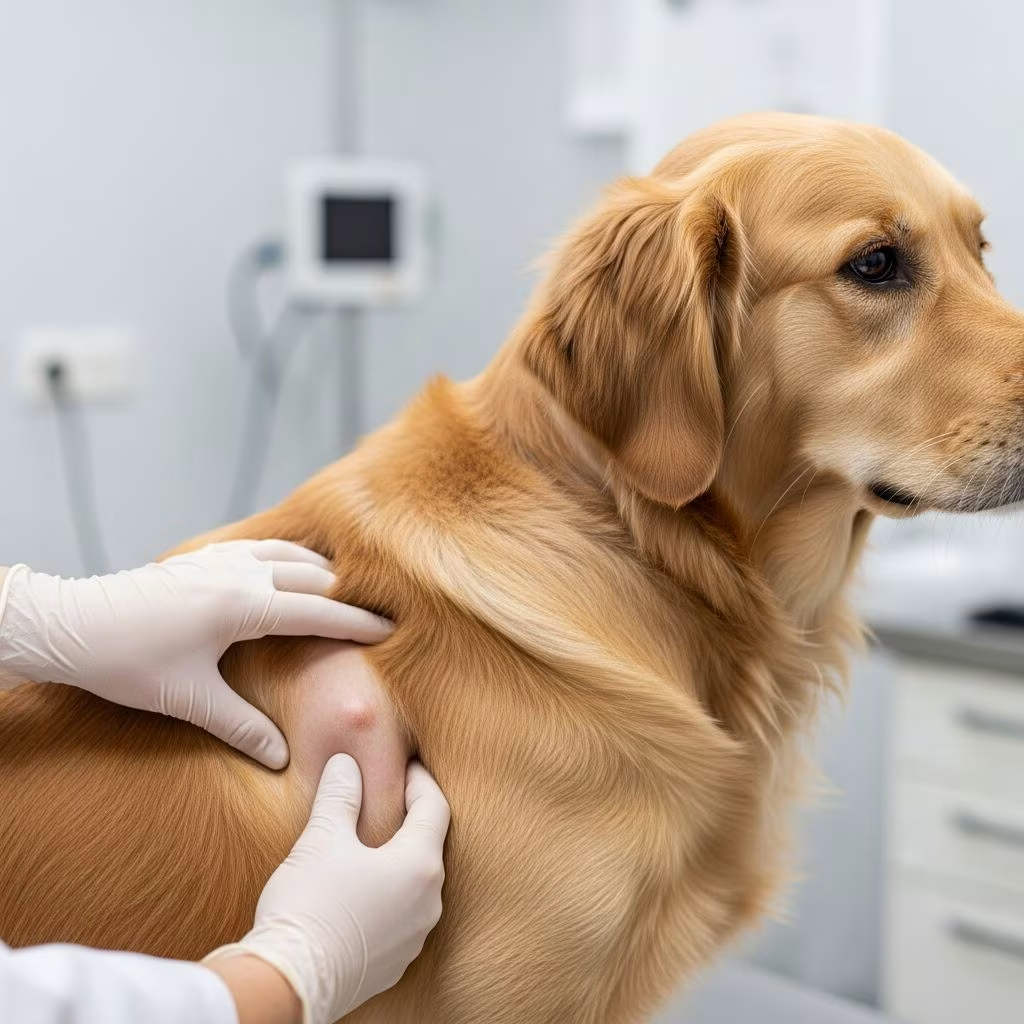
The initial step involves a thorough physical examination where your veterinarian palpates the mass to assess its characteristics, size, shape, and attachment to surrounding tissues. Simple lipomas typically feel soft, moveable, and well-defined, helping veterinarians make a preliminary diagnosis.
Fine Needle Aspiration (FNA)
This minimally invasive procedure involves inserting a thin needle into the mass to collect cells for microscopic examination. FNA is quick, relatively painless, and can help differentiate lipomas from other tumor types. However, it may not always provide definitive results.
Biopsy
Tissue biopsy provides more detailed information than FNA. Your veterinarian may perform a surgical biopsy, which involves removing a small tissue sample or the entire mass for laboratory analysis by a veterinary pathologist.
Diagnostic Imaging
Ultrasound and CT scans help veterinarians visualize the tumor’s extent, location, and relationship to surrounding tissues. This imaging is particularly valuable for infiltrative lipomas or tumors in complex anatomical locations, helping surgeons plan the most effective removal strategy.
Histopathology
This microscopic examination of specially prepared tissue sections provides the most definitive diagnosis. The pathologist determines whether the tumor is benign or malignant and provides prognostic information about the likelihood of recurrence or spread.
Treatment Options for Adipose Tumors
Treatment approaches vary depending on the tumor type, size, location, and impact on the dog’s quality of life. Your veterinarian will recommend the most appropriate strategy for your pet’s specific situation.
Benign Neglect (Watchful Waiting)
Many simple lipomas grow very slowly or stop growing altogether, remaining relatively stable for years. If the lipoma isn’t affecting your dog’s mobility or quality of life, your veterinarian may recommend a wait-and-watch approach. Regular monitoring helps ensure that any changes in growth rate or characteristics are detected early.
Surgical Removal
Surgical excision is the most definitive treatment for lipomas and the only approach that offers a permanent cure for simple lipomas. Most benign lipomas come out cleanly in one piece, making surgery relatively straightforward and curative. Weight loss before surgery can help the surgeon more clearly identify the tumor’s borders and ensure complete removal.
Surgical complexity increases with tumor location and type. Lipomas in the armpit area or other locations with important anatomical structures require more careful surgical planning. Infiltrative lipomas require wide surgical excision to remove tumor cells intertwined with surrounding tissues, though complete removal remains challenging.
Radiation Therapy
For malignant liposarcomas or cases where complete surgical removal isn’t possible, radiation therapy may be recommended. This treatment targets cancer cells and helps reduce recurrence rates, particularly when combined with surgery.
Combination Therapy
Aggressive malignant tumors like liposarcomas may require multiple treatment modalities. Your veterinarian may recommend surgery combined with radiation therapy and potentially chemotherapy, depending on the tumor’s extent and aggressiveness.
Amputation
In severe cases where tumors have infiltrated extensive tissue areas or caused significant functional impairment, amputation may be necessary to ensure the best long-term outcome for your pet.
Pre- and Post-Operative Care
If your veterinarian recommends surgical removal, proper preparation and aftercare significantly influence surgical success and healing.
Pre-Operative Preparation
Weight loss in the weeks before surgery can facilitate easier tumor identification and removal. Your veterinarian may recommend a weight loss diet starting several weeks before the scheduled procedure. Pre-operative bloodwork ensures your dog is healthy enough for anesthesia and surgery.
Post-Operative Management
Following surgical removal, keeping the incision clean and dry is essential. Your veterinarian will provide specific instructions about wound care, activity restriction, and medication administration. Most dogs recover well from lipoma removal within one to two weeks.
Prognosis and Outcomes
The prognosis for adipose tumors varies significantly based on tumor type. Simple lipomas have an excellent prognosis, with recurrence rates extremely low after complete surgical removal. However, new lipomas may develop in other body locations, requiring continued monitoring and evaluation of any new growths.
Infiltrative lipomas and liposarcomas have more guarded prognoses due to higher recurrence rates. Even with aggressive treatment, these tumors may recur locally, necessitating additional surgical interventions or ongoing monitoring. Distant metastasis is rare but possible, particularly with liposarcomas.
Prevention and Risk Reduction
While the underlying causes of adipose tumor development aren’t completely understood, several factors may reduce your dog’s risk:
Weight Management
Maintaining your dog at a healthy weight is perhaps the most important preventive measure. Regular exercise and appropriate nutrition help prevent obesity, which significantly increases lipoma risk. Consult your veterinarian about appropriate caloric intake and exercise levels for your specific dog.
Routine Veterinary Care
Regular veterinary examinations allow early detection of developing tumors. Early identification enables better treatment outcomes and more conservative management options. Monthly self-examinations where you carefully feel your dog’s skin for unusual lumps can also aid in early detection.
Breed-Specific Monitoring
If your dog belongs to a breed predisposed to lipomas, increased vigilance during veterinary check-ups and more frequent self-examinations are warranted.
Living with Your Dog’s Lipoma
Most dogs with lipomas live normal, healthy lives. Understanding your dog’s specific situation—including tumor type, size, and growth rate—allows you to make informed decisions about treatment. Work closely with your veterinarian to establish a monitoring schedule and discuss any changes in your dog’s condition.
Keep detailed records of when the lipoma was first noticed, its growth rate, and any associated symptoms. This information helps your veterinarian track changes and make the most appropriate recommendations for your pet’s ongoing care.
Frequently Asked Questions
Q: Are lipomas cancer?
A: Most lipomas are benign tumors and not cancer. However, a rare form called liposarcoma is malignant. Histopathology testing is the only way to definitively confirm whether a specific tumor is benign or malignant.
Q: How quickly do lipomas grow?
A: Most lipomas are slow-growing tumors. Many grow to a certain size then remain relatively stable. However, growth rates vary between individual dogs and tumor types.
Q: Do lipomas cause pain?
A: Small lipomas typically don’t cause discomfort unless pressed firmly. Large lipomas may interfere with movement or mobility, potentially causing pain or functional impairment.
Q: Can lipomas be prevented?
A: While prevention isn’t guaranteed, maintaining your dog at a healthy weight and providing routine veterinary care may help reduce lipoma development risk.
Q: Will my dog’s lipoma come back after surgery?
A: Simple lipomas rarely recur after complete surgical removal. However, new lipomas can develop in other body locations. Infiltrative lipomas and liposarcomas have higher recurrence rates.
Q: Do I need to treat my dog’s lipoma?
A: Not all lipomas require treatment. If the tumor isn’t affecting your dog’s mobility or quality of life, your veterinarian may recommend watchful waiting with regular monitoring.
References
- Lipomas in Dogs — Cornell University College of Veterinary Medicine. 2024. https://www.vet.cornell.edu/departments-centers-and-institutes/riney-canine-health-center/canine-health-information/lipomas-dogs
- Tumors of the Skin in Dogs – Dog Owners — Merck Veterinary Manual. 2024. https://www.merckvetmanual.com/dog-owners/skin-disorders-of-dogs/tumors-of-the-skin-in-dogs
- Fatty Tissue Tumors (Lipomas) in Dogs — Vetster. 2024. https://vetster.com/en/conditions/dog/fatty-tissue-tumors-lipomas
- Lipoma in Dogs: How Common Are They and What Breeds Are Affected? — Veterinary Ireland Journal. 2023. https://www.veterinaryirelandjournal.com/small-animal/79-lipoma-in-dogs-how-common-are-they-and-what-breeds-are-affected
- Lipomas in Dogs — PetCure Oncology. 2024. https://petcureoncology.com/lipomas-in-dogs/
- Adipose (Lipoma) Tumors in Dogs — Aurora Animal Clinic. 2024. https://www.auroraanimalclinic.com/resources/blog/june-2022/adipose-(lipoma)-tumors-in-dogs



