

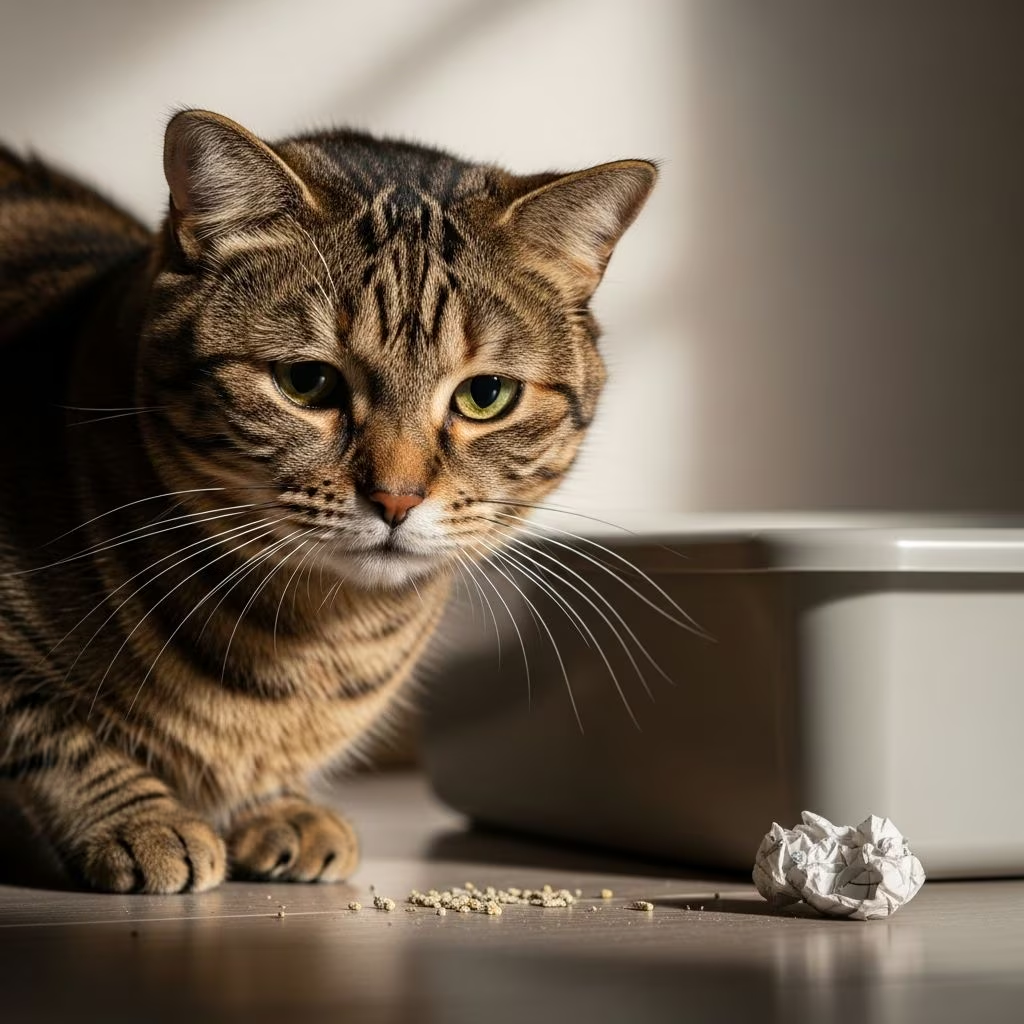
Litter box problems are among the most frequent complaints from cat owners, often leading to frustration and even relinquishment of pets. These issues can stem from medical conditions, environmental factors, or behavioral triggers. The key to resolution lies in a systematic approach: first ruling out health problems via veterinary consultation, then optimizing the litter box setup and environment. This guide covers diagnosis, practical solutions, and prevention strategies to help your cat return to consistent litter box use.
Medical Problems
Before addressing behavioral or environmental causes, a veterinary examination is essential. Cats may avoid the litter box due to painful conditions like urinary tract infections (UTIs), bladder stones, kidney disease, gastrointestinal issues, parasites, or food allergies. Signs include straining to urinate, blood in urine, frequent small voids, or vocalizing during elimination. A vet can perform diagnostics such as urinalysis, bloodwork, or imaging to identify and treat underlying issues. Once medical problems are resolved, litter box habits often normalize without further intervention. Ignoring this step risks masking serious health concerns that could worsen over time.
Available Resources
Consult reliable organizations for additional support:
- ASPCA Behavioral Helpline for expert advice on cat behavior issues.
- Your local SPCA or humane society for workshops and resources on feline care.
- Veterinarians specializing in behavior or certified animal behaviorists for personalized plans.
These resources provide evidence-based guidance tailored to common scenarios like multi-cat households or senior cats.
Why Cats May Not Use Their Litter Boxes
Cats are naturally fastidious, preferring clean, accessible elimination spots. Deviations often signal discomfort or dissatisfaction. Common reasons include an unappealing litter box (too dirty, wrong type, poor location), stress from household changes, inter-cat tension, or preference for alternative surfaces. Distinguishing between urine marking (small sprays on vertical surfaces for communication) and inappropriate elimination (full voids on horizontal surfaces as toileting) guides solutions. Marking is territorial, while elimination indicates aversion to the box.
Solving Litter Box Problems
Resolution requires patience and experimentation. Start with these foundational steps:
- Rule out medical issues: Schedule a vet visit immediately if symptoms like straining or blood appear.
- Number of boxes: Provide one litter box per cat plus one extra. In multi-cat homes, distribute boxes across rooms; adjacent boxes count as one.
- Cleaning routine: Scoop daily, empty and wash weekly with mild dishwashing liquid. Avoid scented cleaners, ammonia, or strong odors that repel cats.
- Box type and litter: Use uncovered boxes (covered ones trap odors and feel confining, especially in multi-cat setups). Experiment with litters: clumping, non-clumping, fine-grained sand, or clay. Depth of 2-4 inches preferred by most; shallower for others.
- Location: Place boxes away from food/water, noisy appliances (washer/dryer), or high-traffic areas. In multi-story homes, one per floor. If accidents occur in a spot, initially place a box there and gradually relocate.
Make soiled areas inaccessible (close doors, use foil or plastic covers). Use enzymatic cleaners to neutralize odors, preventing re-marking.
Litter Box Aversion
Aversion develops from negative associations, like pain during past eliminations or harassment by pets/children near the box. Signs: urinating beside the box, quick digging then exit, or avoidance. Solutions include switching litters, boxes, or locations; confining to a safe room with box, food, and water temporarily. Trauma from loud noises or self-cleaning mechanisms can also cause aversion—opt for manual, quiet boxes.
Inappropriate Site Preferences
Cats may prefer soft surfaces (laundry), hard floors, or specific textures over the litter box. Test by offering boxes with varied litters (fine clumping for soft prefs, thin layer or newspaper for hard). Place box near preferred site initially. Reasons include coarse litter, shallow depth, or liners that crinkle/noise.
Urine Marking (Spraying)
Common in unneutered cats or during stress (new pets, moves). Small amounts on vertical surfaces signal territory. Neuter/spay reduces incidence by 90%. Increase boxes/resources, reduce conflict (separate feeding/vertical space), use pheromone diffusers. Clean marks thoroughly with enzymatic products.
Stress and Anxiety-Related Problems
Household changes (moves, new animals, renovations) trigger elimination issues. Provide hiding spots, vertical territory, consistent routines. Pheromone products (Feliway) mimic calming scents. In multi-cat homes, ensure equal resources to minimize bullying.
Setting Up Your Cat’s Litter Box
Optimal setup prevents issues:
| Factor | Recommendations |
|---|---|
| Number | 1 per cat +1 extra, spread out |
| Placement | Quiet, accessible, away from food/noise; one per floor |
| Box Type | Large, uncovered; no liners/self-cleaning |
| Litter | Fine-grained, unscented, 2-4 inches deep; test varieties |
| Cleaning | Scoop daily, full clean weekly with mild soap |
For kittens/seniors: Low-sided boxes for easy access. Monitor for preferences via observation.
Litter Box Maintenance
Consistency is crucial. Daily scooping prevents overflow; weekly dumps eliminate bacteria buildup. Mild soap suffices—no bleach or ammonia, which mimic urine smells. Clumping litter allows less frequent full changes but still requires weekly washing. Dirty boxes are the top aversion cause.
Prevention Tips
- Introduce kittens to litter early with shallow boxes.
- Spay/neuter to curb marking.
- Monitor for stress; enrich environment with toys/scratchers.
- In multi-cat homes, watch for bullying at boxes.
Frequently Asked Questions (FAQs)
What if my cat suddenly stops using the litter box?
See a vet first to rule out medical issues like UTIs. Then optimize box setup.
How many litter boxes do I need for two cats?
Three: one per cat plus one extra, in separate locations.
Why does my cat pee on the bed but poop in the box?
Likely litter aversion or preference mismatch; try finer litter and new box.
Can covered litter boxes cause problems?
Yes, they trap odors and feel predatory; switch to open boxes.
How do I stop urine spraying?
Neuter, add boxes, reduce stress, clean enzymatically.
References
- Cat: Litter Box Problems — The Vets Animal Hospital. 2016. https://www.thevetsanimalhospital.com/wp-content/uploads/2016/02/cat_litter-box-problems.pdf
- Litter Box Problems — San Francisco SPCA. Accessed 2026. https://www.sfspca.org/resource/litter-box-problems/
- Litter Box Problems – Treating & Reducing Cat Inappropriate Urination — BC SPCA. 2017. https://spca.bc.ca/wp-content/uploads/Litter-box-problems-treating-and-reducing-cat-inappropriate-elimination.pdf
- Solving Litterbox Problems — Montgomery County Animal Services / Richmond SPCA. Accessed 2026. https://www.montgomerycountymd.gov/animalservices/Resources/Files/Solving%20Litterbox%20Problems%20PDF(1).pdf
- General Cat Care — ASPCA. Accessed 2026. https://www.aspca.org/pet-care/cat-care/general-cat-care
- Urine Marking in Cats — ASPCA. Accessed 2026. https://www.aspca.org/pet-care/cat-care/common-cat-behavior-issues/urine-marking-cats



