

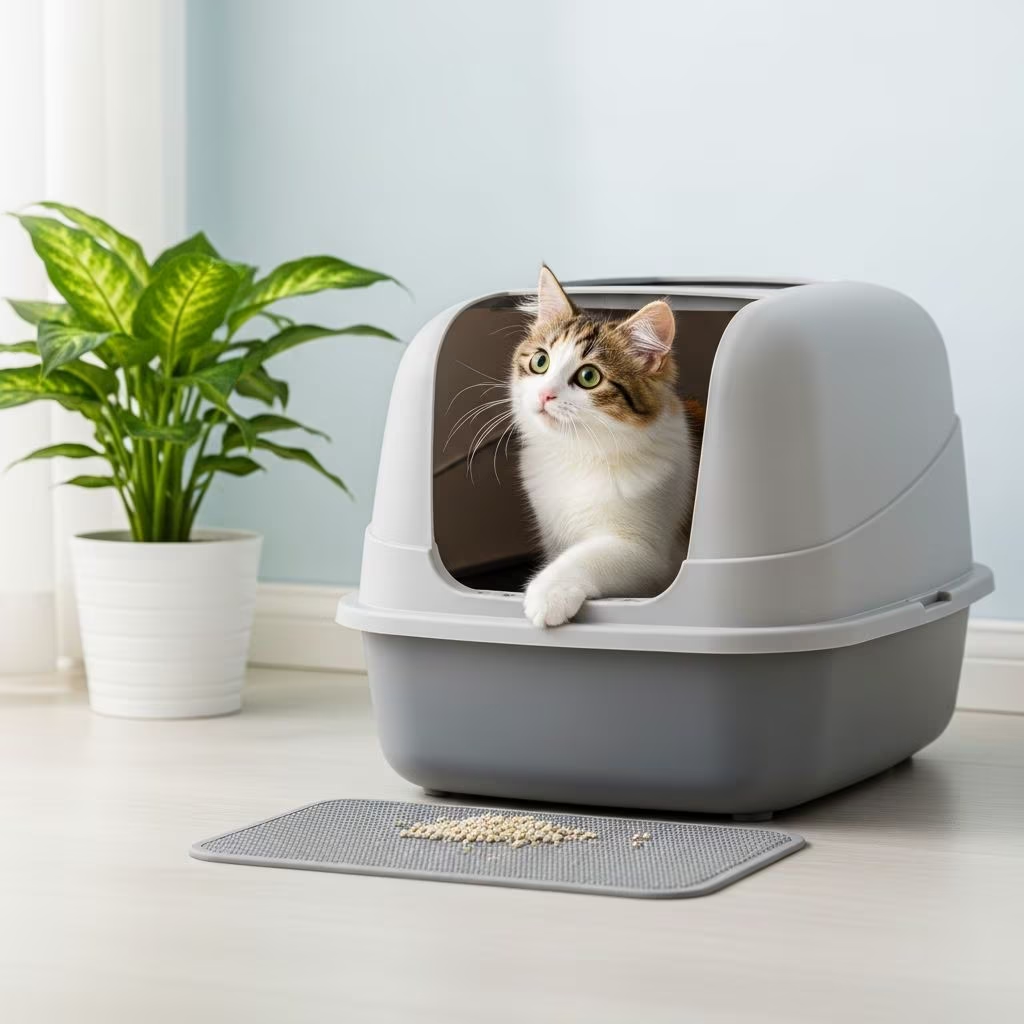
Cats are naturally fastidious animals that instinctively seek clean, private spots to eliminate. When they start avoiding the litter box and eliminating elsewhere, it signals an underlying issue that requires prompt attention. Litter box problems are among the most common reasons cats are surrendered to shelters, but most can be resolved with systematic troubleshooting. This guide covers medical causes, environmental adjustments, behavioral strategies, and prevention tips to help your cat return to proper litter box use.
Why Cats Abandon the Litter Box
Cats may stop using the litter box due to medical conditions, stress, or dissatisfaction with the box setup. Medical issues like urinary tract infections, bladder stones, diabetes, or arthritis make elimination painful, associating discomfort with the box. Stress from household changes, new pets, or territorial disputes can trigger avoidance. Environmental factors include dirty boxes, poor location, or unappealing litter types. Identifying the root cause is essential for effective resolution.
- Medical factors: Painful urination, constipation, or mobility issues prompt cats to seek alternative spots.
- Environmental dislikes: Dirty, covered, or poorly placed boxes deter use.
- Behavioral triggers: Anxiety or marking behaviors lead to inappropriate elimination.
Step 1: Rule Out Medical Problems
The first and most critical step is a veterinary examination. Never assume the issue is purely behavioral without a check-up, as untreated medical problems can worsen. Veterinarians assess for urinary tract diseases, kidney issues, gastrointestinal disorders, parasites, or food sensitivities. For instance, crystals in urine cause burning sensations, making cats reluctant to enter the box. Senior cats may have arthritis hindering box access. Bloodwork, urinalysis, and imaging pinpoint issues early.
Schedule an exam immediately if you notice straining, blood in urine, frequent small puddles, or vocalizing during elimination. Post-treatment, monitor for a week; persistence suggests environmental or behavioral fixes.
Optimizing Litter Box Setup
Once medical causes are ruled out, evaluate the litter box environment. Cats have specific preferences for number, size, location, litter type, and cleanliness.
Number of Litter Boxes
Provide one litter box per cat plus one extra. In a two-cat home, use three boxes; boxes in the same spot count as one. Multi-story homes need boxes on each level for accessibility. Extra boxes reduce competition and accommodate preferences for separate urination and defecation spots.
Litter Box Size and Type
Boxes should be large enough for comfortable turning—about 1.5 times the cat’s length. Avoid small, covered, or self-cleaning boxes, which trap odors, make noise, or feel confining. Uncovered, low-sided boxes suit kittens, seniors, or overweight cats. Remove hoods and liners, as plastic crinkles and catches claws.
Litter Type and Depth
Most cats prefer unscented, clumping litter with medium-fine texture, resembling sand. Fill to 2-3 inches deep for digging. Avoid scented, non-clumping, or crystal litters, which some reject. Test preferences by offering side-by-side boxes with different types; transition gradually if switching.
Location Guidelines
Place boxes in quiet, accessible spots away from food, water, noisy appliances like washers, or high-traffic areas. Avoid corners where cats feel trapped. If elimination occurs elsewhere, temporarily place a box there before gradually relocating.
| Factor | Best Practice | Common Mistakes to Avoid |
|---|---|---|
| Number | 1 per cat +1 extra | Too few boxes in multi-cat homes |
| Size | Large, uncovered | Covered or too small |
| Litter Depth | 2-3 inches | Too deep (>4 inches) or shallow |
| Location | Quiet, accessible | Near food or loud machines |
Cleaning Routines for Success
Cleanliness is paramount—cats shun soiled boxes. Scoop clumping litter daily (twice if multi-cat), dump entirely weekly, and wash with mild dish soap or baking soda. Avoid ammonia, bleach (unless diluted 1:10 and rinsed), or scented cleaners, which mimic urine smells or irritate sensitive noses. Enzymatic cleaners neutralize accident odors completely.
- Scoop solids and clumps daily.
- Weekly full dump and scrub.
- Use enzymatic sprays on soiled areas.
Cleaning Up Accidents
Prompt, thorough cleaning prevents re-marking. Urine soaks into fabrics; standard cleaners leave scents attracting repeats. Enzymatic cleaners break down proteins. For fabrics, soak with enzyme solution, blot, and launder. Make soiled areas unappealing: place food bowls, upside-down mats, foil, or sticky tape there. Motion lights deter dark-spot preferences.
Special Cases: Surface or Location Preferences
Cats developing substrate preferences (e.g., carpet over litter) or location fixations need targeted strategies. Place litter boxes on preferred surfaces initially, using matching litter (fine clumping for soft prefs). Gradually move boxes to ideal spots, inches daily. Discourage old sites with deterrents while providing litter choices side-by-side.
Stress and Behavioral Solutions
Anxiety from changes (moves, new pets) triggers avoidance. Identify stressors: inter-cat tension, loud noises, or isolation. Use pheromone diffusers, provide vertical spaces, and maintain routines. For multi-cat aggression, separate feeding and consult behaviorists. Positive reinforcement—treats near clean boxes—rebuilds habits.
Prevention Tips for New Cats
Prevent issues by setting up properly from day one. Confine new cats to a single room with box, food, and bed until consistent use (1-2 weeks). Use familiar litter from shelters. Monitor multi-cat intros slowly. Kittens learn from mothers; provide shallow boxes.
Frequently Asked Questions (FAQs)
Why is my cat peeing outside the box but pooping in it?
This often indicates urinary issues like infections—see a vet first. It could also mean litter preference for defecation only; add unscented clumping options.
How many litter boxes for 3 cats?
Minimum four: one per cat plus one extra, spread across rooms or floors.
My senior cat stopped using the box—what now?
Check for arthritis; use low-entry boxes. Rule out kidney disease.
Can diet affect litter box use?
Yes, food allergies or poor diet cause diarrhea, associating box with pain. Vet-recommended diets help.
What if problems persist after changes?
Consult a veterinary behaviorist for complex anxiety or marking.
This comprehensive approach resolves 90% of cases. Patience and consistency yield results within weeks. Track progress in a journal.
References
- Cat: Litter Box Problems — The Vets Animal Hospital. 2016. https://www.thevetsanimalhospital.com/wp-content/uploads/2016/02/cat_litter-box-problems.pdf
- Litter Box Problems — San Francisco SPCA. Accessed 2026. https://www.sfspca.org/resource/litter-box-problems/
- Tips for Resolving Litterbox Problems — Humane Society of Huron Valley (HSHV). Accessed 2026. https://www.hshv.org/tips-for-resolving-litterbox-problems/
- Litter Box Problems – Treating & Reducing Cat Inappropriate Urination — BC SPCA. Accessed 2026. https://spca.bc.ca/wp-content/uploads/Litter-box-problems-treating-and-reducing-cat-inappropriate-elimination.pdf
- Solving Litterbox Issues — Wisconsin Humane Society. Accessed 2026. https://www.wihumane.org/behavior/ask-the-experts/cat-behavior/solving-litterbox-problems



