

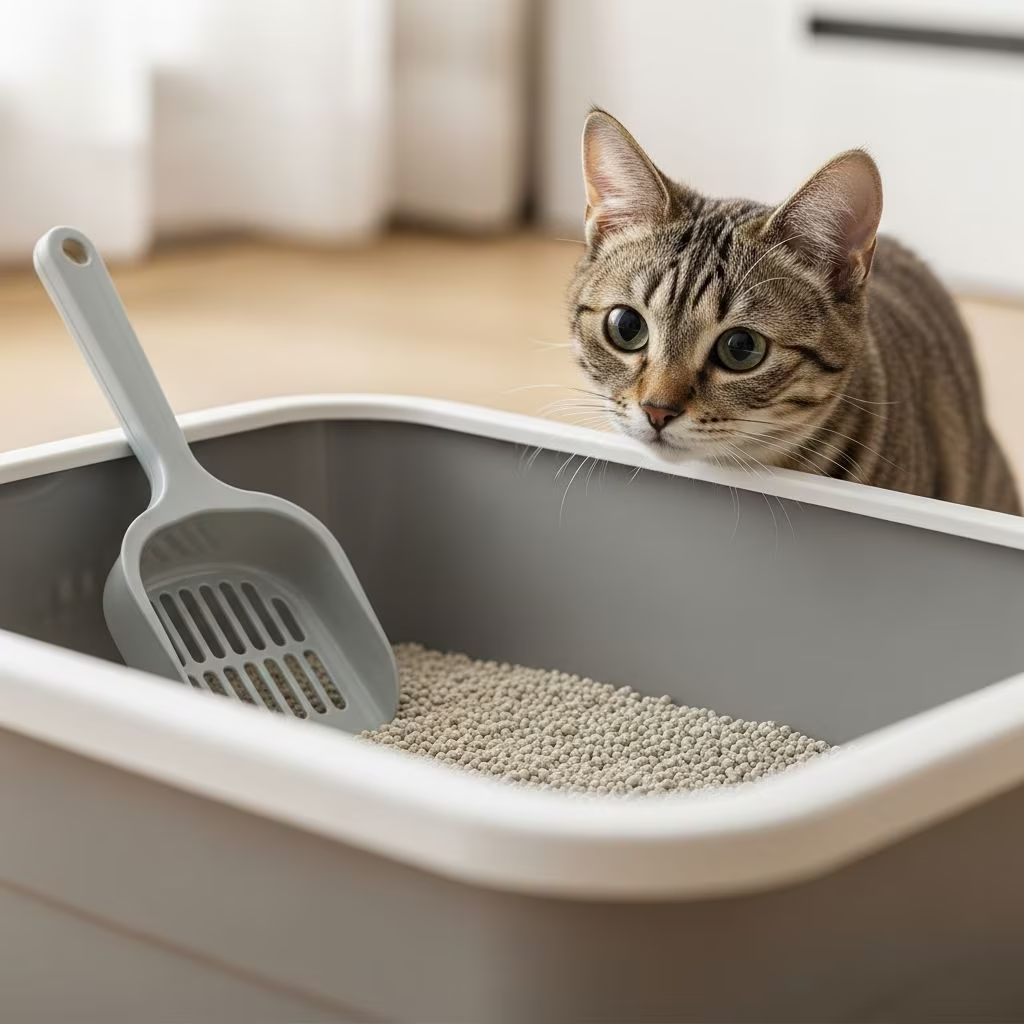
Litter box problems are among the most common reasons cats are surrendered to shelters, but most issues can be resolved with a systematic approach. Cats naturally eliminate in a litter box, so avoidance often signals an underlying medical condition, environmental stressor, or setup flaw. Start by ruling out health issues through a veterinary exam, then optimize the litter box environment and address behavioral triggers.
Medical Problems
The first step in addressing litter box avoidance is a thorough veterinary examination. Conditions like urinary tract infections, bladder stones, kidney disease, diabetes, hyperthyroidism, or gastrointestinal issues can cause pain or urgency that leads to elimination outside the box. For instance, cats with cystitis may strain or urinate small amounts beside the box, while those with diarrhea associate the box with discomfort. Symptoms include urinating beside the box, vocalizing during elimination, or straining without producing urine. A vet can diagnose via urinalysis, bloodwork, or imaging, and prescribe treatments like antibiotics or diet changes. Ignoring medical causes risks worsening the condition, as untreated infections can lead to kidney failure.
Even senior cats or those with arthritis may avoid boxes due to mobility issues. Painful conditions make digging or entering high-sided boxes difficult, so observe for signs like reduced appetite or lethargy alongside elimination changes. Post-treatment, monitor for relapse and maintain follow-ups. Studies show up to 50% of litter box issues stem from medical problems, emphasizing the vet visit as non-negotiable.
Box and Litter Preferences
Once medical issues are ruled out, evaluate the litter box setup. Cats are fastidious and have strong preferences for box type, litter texture, depth, and cleanliness. Common aversions include covered boxes, which trap odors and feel confining, especially in multi-cat homes; plastic liners that crinkle and snag claws; or scented litters overwhelming sensitive noses.
- Number of boxes: Provide one box per cat plus one extra. In a two-cat household, use three boxes in separate locations—boxes side-by-side count as one. Multi-story homes need boxes on each level for accessibility.
- Box type and size: Opt for large, open boxes; standard sizes suit kittens but not adults. For large cats, use low-sided Rubbermaid containers cut for entry. Avoid self-cleaning models with motors that startle cats.
- Litter type: Experiment with clumping, non-clumping, sand, clay, or fine-grained options. Cats preferring soft surfaces like laundry need deep (3-4 inches), fine litter mimicking soil. Those avoiding litter may like thin layers or newspaper.
- Litter depth: Most cats prefer 2-3 inches to dig, but test shallower for pickier ones.
Introduce changes gradually: place new boxes with preferred litter near soiling spots, transitioning over days. Track usage to identify favorites, as consistency prevents rejection.
Location of the Litter Box
Placement profoundly impacts usage. Ideal spots are quiet, low-traffic areas with multiple escape routes, away from food, water, washers, or dryers—noises and smells deter cats. Avoid corners if the cat prefers open spaces or vice versa.
In multi-cat homes, prevent ambushes by ensuring two exits. For houses with stairs, distribute boxes evenly. If a cat soils a specific room, temporarily place a box there, then relocate inches daily to desired spot while blocking the old area with foil or citrus scents. Motion lights help dark areas. Over time, this shapes habits without stress.
Keeping the Litter Box Clean
Cleanliness is paramount—cats shun soiled boxes, viewing laundry as a ‘clean’ alternative. Scoop solids and clumps daily, dump all litter weekly, and wash with mild dish soap (no harsh chemicals or scents). Dry fully before refilling to avoid dampness.
In multi-cat setups, more frequent scooping prevents territory disputes. Enzymatic cleaners treat lingering urine odors on floors, as residual scents attract repeat accidents. Plastic boxes absorb smells over time; replace annually. A clean routine reinforces the box as the preferred toilet.
Stress and Behavioral Issues
Stress triggers inappropriate elimination or marking (spraying small urine amounts on vertical surfaces). Causes include new pets, moves, visitors, or inter-cat tension. Marking communicates territory; distinguish by volume—puddles indicate toileting issues.
Reduce stress by: enriching environment with perches and toys; using pheromone diffusers; or separating conflicting cats with gradual reintroduction. For marking, neuter/spay if not done, as hormones fuel it. Block soiled areas and add boxes in safe spots. Behavioral consults help chronic cases.
Making Previously Soiled Areas Unpleasant
Eliminate attractants in accident spots. Clean thoroughly with enzymatic cleaners to erase scents. Make areas aversive using:
- Upside-down carpet runners or double-sided tape.
- Aluminum foil or plastic mats.
- Citrus peels, sprays, or motion-activated air puffs—cats detest citrus.
Close doors or use baby gates to restrict access. Combine with positive box reinforcement for quick results.
Special Considerations
Multi-Cat Households
Conflicts arise from insufficient boxes or bullying. Ensure n+1 boxes in varied locations; observe for staring or blocking. Vertical space reduces tension.
Senior or Special Needs Cats
Arthritic cats need low-entry boxes; obese ones larger sizes. Kittens require shallow boxes.
| Cat Profile | Box Type | Litter Depth | Number |
|---|---|---|---|
| Kitten | Small, low-sided | 1-2 inches | 2 (separate) |
| Adult | Large, open | 2-3 inches | n+1 |
| Senior/Large | Extra-large, low entry | Adjustable | n+1 per floor |
| Multi-cat | Open, multiple exits | Fine-grained | n+1, dispersed |
Frequently Asked Questions
Why is my cat peeing outside the litter box but pooping in it?
This often indicates a urinary issue like infection or stress-related marking. Vet check first; ensure box size allows full turns.
How many litter boxes do I need for 2 cats?
Three boxes in different rooms—one per cat plus one extra.
My cat uses the laundry—how to fix?
Use fine, deep litter; place box nearby; clean laundry area with enzymes.
Can covered boxes cause problems?
Yes, they trap smells and feel trapping; switch to open.
What if problems persist after changes?
Consult a veterinary behaviorist for stress or complex issues.
This guide equips you to resolve most litter box issues, fostering a harmonious home. Patience and consistency yield success—most cats return to proper use within weeks.
References
- Cat: Litter Box Problems — The Vets Animal Hospital. 2016. https://www.thevetsanimalhospital.com/wp-content/uploads/2016/02/cat_litter-box-problems.pdf
- Litter Box Problems — San Francisco SPCA. Accessed 2026. https://www.sfspca.org/resource/litter-box-problems/
- Litter Box Problems – Treating & Reducing Cat Inappropriate Urination — BC SPCA. 2017. https://spca.bc.ca/wp-content/uploads/Litter-box-problems-treating-and-reducing-cat-inappropriate-elimination.pdf
- Solving Litterbox Issues — Wisconsin Humane Society. Accessed 2026. https://www.wihumane.org/behavior/ask-the-experts/cat-behavior/solving-litterbox-problems
- Why Your Cat Hates the Litterbox — SPCA. Accessed 2026. https://spca.org/file/Why-Your-Cat-Hates-the-Litterbox.pdf
- Urine Marking in Cats — ASPCA. Accessed 2026. https://www.aspca.org/pet-care/cat-care/common-cat-behavior-issues/urine-marking-cats
- Preventing and Solving Litter Box Problems — Animal Humane Society. Accessed 2026. https://www.animalhumanesociety.org/resource/preventing-and-solving-litter-box-problems



