

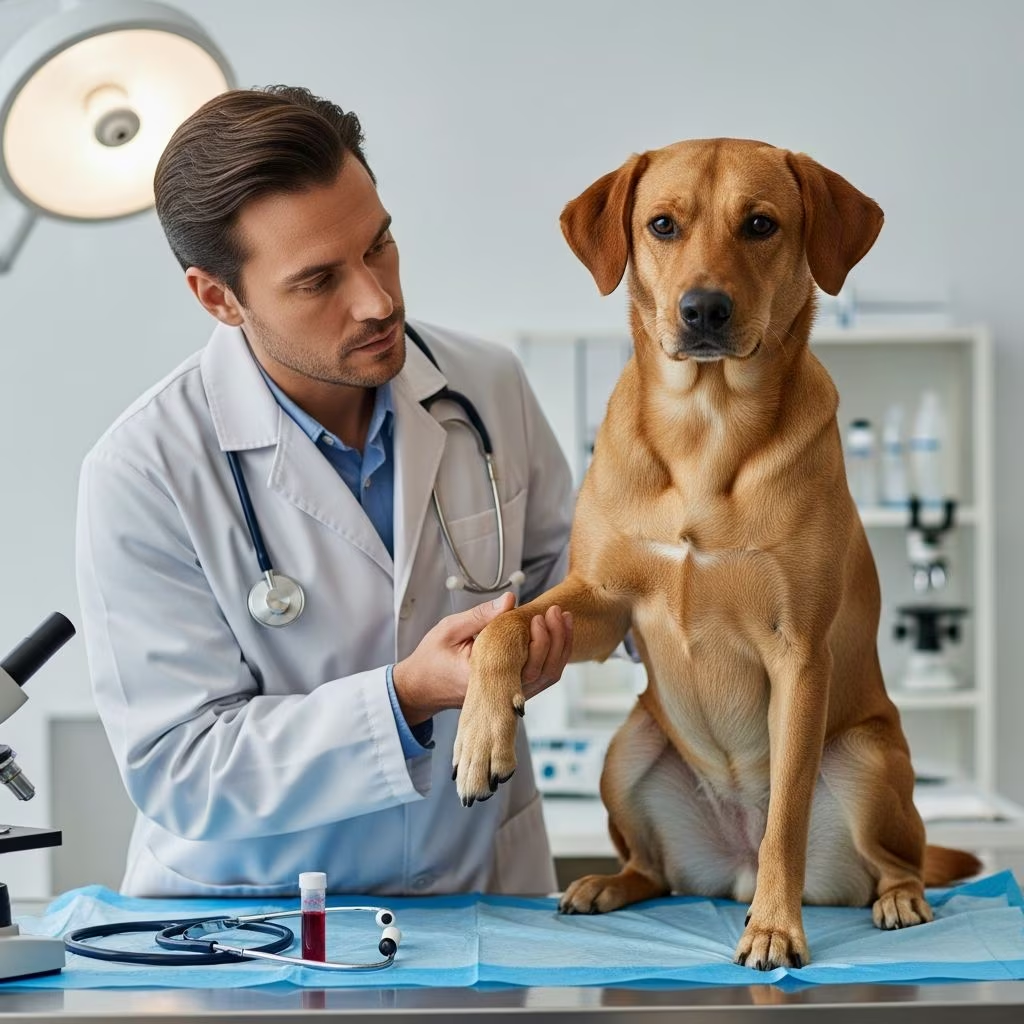
Canine Addison’s disease, also known as hypoadrenocorticism, occurs when a dog’s adrenal glands fail to produce sufficient hormones like cortisol and aldosterone. This condition leads to a range of subtle and severe symptoms that can be life-threatening if not addressed promptly. Early recognition and proper management allow most dogs to thrive with ongoing care.
Understanding the Adrenal Glands’ Vital Role
The adrenal glands, small organs located near the kidneys, are essential for hormone production. Cortisol manages stress responses, inflammation, and metabolism, while aldosterone maintains electrolyte balance, particularly sodium and potassium levels, crucial for hydration and heart function. When these glands underperform, dogs experience widespread physiological disruptions.
In healthy dogs, these hormones ensure the body copes with daily stresses, from exercise to illness. Deficiencies disrupt this balance, leading to weakness and organ strain.
Primary Symptoms to Watch For
Symptoms of Addison’s disease often develop gradually, mimicking other conditions, which complicates early detection. Common signs include:
- Lethargy and generalized weakness, especially after activity or stress
- Loss of appetite and gradual weight loss
- Vomiting, diarrhea, or regurgitation
- Increased thirst (polydipsia) and urination (polyuria)
- Shaking, trembling, or intermittent collapse
These vague indicators frequently lead to misdiagnosis as gastrointestinal issues or kidney problems. Owners might notice their dog avoiding play or seeming unusually fatigued.
The Devastating Addisonian Crisis
The most critical manifestation is the Addisonian crisis, a sudden, severe episode triggered by stress, infection, or dehydration. During a crisis, dogs exhibit extreme symptoms such as:
- Profound weakness or collapse
- Irregular or slow heart rate (bradycardia)
- Shock-like symptoms from severe dehydration and low blood pressure
- Seizures due to hypoglycemia (low blood sugar)
- Abdominal pain and pale gums
This emergency demands immediate veterinary intervention, as untreated crises have high mortality rates. Electrolyte imbalances, like hyperkalemia (high potassium), exacerbate heart arrhythmias.
Root Causes Behind Adrenal Failure
The primary cause in over 90% of cases is immune-mediated destruction, where the dog’s immune system attacks adrenal tissue. Other factors include:
| Cause Type | Description |
|---|---|
| Immune-mediated | Autoantibodies destroy adrenal cortex |
| Infections/Trauma | Bacterial, fungal infections or physical damage impair gland function |
| Tumors/Cancer | Masses infiltrate or compress adrenal glands |
| iatrogenic | Abrupt cessation of long-term steroids or Cushing’s treatment over-suppression |
Secondary hypoadrenocorticism arises from pituitary gland issues, reducing ACTH stimulation of adrenals.
Typical vs. Atypical Forms Explained
Addison’s presents in two main forms:
- Typical Addison’s: Both cortisol and aldosterone deficiencies, with classic electrolyte shifts (low sodium, high potassium).
- Atypical Addison’s: Isolated cortisol loss, aldosterone production intact initially. Symptoms overlap, but no early electrolyte changes; may progress to typical form.
Monitoring sodium:potassium ratios every 1-2 months is advised for atypical cases to detect progression.
Diagnostic Approaches for Confirmation
Veterinarians rely on a combination of tests:
- Bloodwork: Elevated potassium, low sodium, azotemia (kidney markers), hypoglycemia, anemia.
- ACTH Stimulation Test: Gold standard; measures cortisol response post-ACTH injection. Flat response confirms diagnosis.
- Baseline Cortisol: Low levels (<2 μg/dL) suggestive but not definitive.
- Imaging: Ultrasound to rule out tumors or structural issues; ECG for heart rhythm.
- Urinalysis: Checks concentration amid dilute urine.
These tests distinguish Addison’s from mimics like kidney disease or diabetes.
Emergency Stabilization Protocols
For crisis cases, hospitalization is mandatory. Protocols include:
- IV fluids (saline) to correct dehydration and electrolytes rapidly
- Dexamethasone or other glucocorticoids for cortisol support
- Insulin/glucose for hypoglycemia
- Anti-emetics, gastroprotectants, and pain relief
- Monitoring: Frequent blood draws for electrolytes, glucose, urine output
Stabilization typically takes 24-72 hours; dogs resume eating and normalize parameters before discharge.
Long-Term Management Strategies
While incurable, Addison’s is manageable lifelong with hormone replacement:
- Mineralocorticoid (Aldosterone): DOCP (Percorten-V/Zycortal) injections every 25-30 days; FDA-approved, can be owner-administered after training.
- Glucocorticoid (Cortisol): Daily oral prednisone (0.1-0.2 mg/kg) or prednisolone; adjust for stress (double dose pre-surgery/travel).
Regular check-ups (every 3-6 months) monitor electrolytes, adjust doses. Some dogs need fludrocortisone orally if injections unsuitable.
Breeds at Heightened Risk
Genetic predisposition affects certain breeds:
- Portuguese Water Dogs
- Great Danes
- Rottweilers
- Standard Poodles
- West Highland White Terriers
- Labrador Retrievers
Females are diagnosed twice as often as males, typically at 4-6 years old.
Living a Full Life with Addison’s
Treated dogs lead normal lifespans, engaging in activities with stress precautions. Owners should:
- Carry emergency prednisone doses
- Avoid abrupt changes in routine or medications
- Monitor for crisis triggers like heat, illness
- Join support groups for shared experiences
Prognosis excels with compliance; survival rates exceed 90% post-diagnosis.
Frequently Asked Questions (FAQs)
What triggers an Addisonian crisis?
Stress, infections, vomiting/diarrhea leading to dehydration, or missed treatments.
Can Addison’s be cured?
No, but hormone therapy controls it effectively lifelong.
How much does treatment cost?
Initial crisis: $1,000-$3,000; monthly: $50-$200 (injections/meds), varying by region.
Is diet important for Addison’s dogs?
Balanced diet with adequate salt; avoid extremes; consult vet for specifics.
Can vaccinated dogs get Addison’s?
Yes, unrelated to vaccines; primarily autoimmune.
Prevention and Owner Vigilance
No true prevention exists due to autoimmune roots, but breed awareness prompts early screening. Routine bloodwork for at-risk dogs aids detection. Educate on crisis signs and maintain treatment logs.
References
- Addison’s Disease in Dogs: Symptoms, Causes, and Treatment — GoodRx Pet Health. 2023. https://www.goodrx.com/pet-health/dog/addisons-disease-in-dogs
- Addison’s Disease in Dogs | VCA Animal Hospitals — VCA Canada. 2023. https://vcahospitals.com/know-your-pet/addisons-disease-in-dogs-overview
- Addison’s Disease in Dogs: Symptoms and More — PetMD. 2023. https://www.petmd.com/dog/conditions/endocrine/addisons-disease-dogs-symptoms-and-more
- Diagnosis and Management of Hypoadrenocorticism in Dogs — Today’s Veterinary Practice. 2022. https://todaysveterinarypractice.com/endocrinology/diagnosis-and-management-of-hypoadrenocorticism-in-dogs/
- Addison Disease (Hypoadrenocorticism) in Animals — Merck Veterinary Manual. 2023. https://www.merckvetmanual.com/endocrine-system/the-adrenal-glands/addison-disease-hypoadrenocorticism-in-animals



