

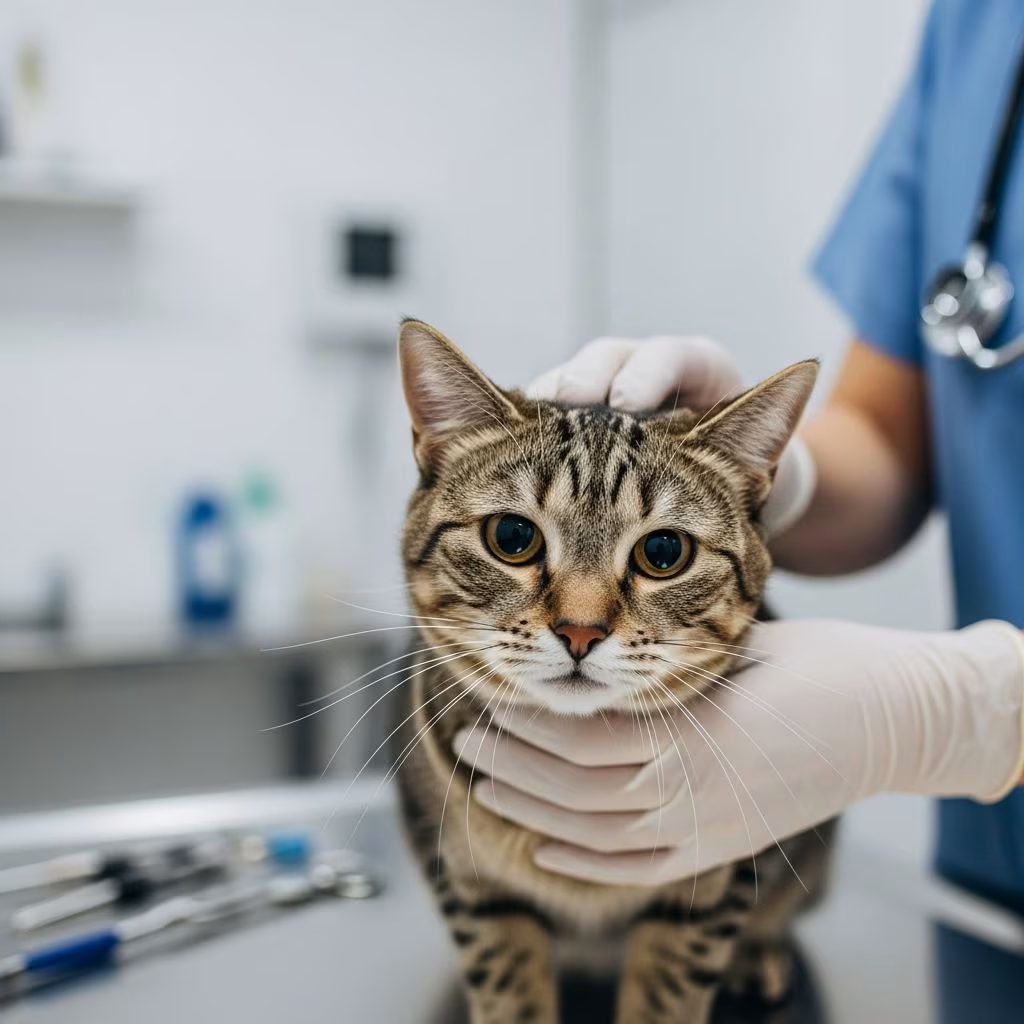
Understanding Addison’s Disease in Cats
Addison’s disease, medically known as hypoadrenocorticism, is a serious endocrine condition that affects the adrenal glands’ ability to produce essential hormones. While this condition is relatively common in dogs, it remains exceptionally rare in cats, with only approximately 40 documented cases in the past 40 years since its first description in 1983. Despite its rarity, cat owners and veterinarians should understand this potentially life-threatening condition to ensure prompt diagnosis and appropriate treatment when it occurs.
What Causes Addison’s Disease in Cats?
Addison’s disease develops when the adrenal glands fail to produce sufficient quantities of two critical hormones: cortisol and aldosterone. These hormones play vital roles in maintaining your cat’s metabolic function, stress response, and electrolyte balance. Several underlying causes can trigger this hormonal deficiency:
- Autoimmune disease: The cat’s immune system mistakenly targets and destroys the adrenal gland tissue, preventing normal hormone production.
- Adrenal gland cancer: Malignant tumors can damage the gland’s ability to function properly.
- Certain medications: Some drugs can interfere with adrenal gland function.
- Underlying diseases: Various systemic illnesses may compromise adrenal health.
Understanding the root cause is essential for your veterinarian to develop an appropriate treatment plan tailored to your cat’s specific situation.
Recognizing Symptoms of Feline Addison’s Disease
The symptoms of Addison’s disease in cats can develop gradually or appear suddenly, depending on the severity of the hormonal deficiency. Cat owners should remain vigilant for the following clinical signs:
- Weight loss and decreased appetite
- Lethargy and general malaise
- Muscle weakness
- Dehydration with increased thirst
- Increased urination frequency
- Nausea and vomiting
- Diarrhea or dark stools
- Abnormal skin color changes
- Abdominal pain
- Shaking or tremors
- In severe cases: shock, collapse, or seizures
It’s important to note that many of these symptoms overlap with other feline health conditions, making professional veterinary evaluation essential for accurate diagnosis. Affected cats often display a pattern of waxing and waning symptoms, with periods of apparent improvement followed by relapse.
How Veterinarians Diagnose Addison’s Disease
Diagnosing Addison’s disease requires a comprehensive approach combining physical examination, laboratory testing, and specific hormonal assessments. The diagnostic process typically includes:
Physical Examination
Your veterinarian will conduct a thorough physical exam, looking for signs of weight loss, muscle weakness, dehydration, abnormal skin pigmentation, and weakness. They may also note an abnormally slow heart rate or weak pulses in severely affected cats.
Blood Tests
Comprehensive blood work reveals important diagnostic clues:
- Complete Blood Cell Count (CBC): Identifies changes in white blood cell patterns and eosinophil elevation.
- Electrolyte panel: Reveals imbalances in potassium and sodium levels, which can affect heart rhythm.
- Blood urea nitrogen (BUN) and phosphorus: Elevated levels indicate kidney stress from dehydration.
- Other markers: Tests for anemia, infection, and inflammation.
ACTH Stimulation Test
This is the gold standard test for confirming Addison’s disease. The ACTH stimulation test measures your cat’s adrenal gland response to synthetic ACTH hormone injection. Low cortisol levels before and after stimulation confirm the diagnosis.
Urinalysis
Urine testing provides evidence of electrolyte imbalances and dehydration severity.
Imaging Studies
Abdominal ultrasound may be performed to identify any underlying causes such as tumors or to assess adrenal gland appearance.
Treatment Options for Feline Addison’s Disease
Although there is no cure for Addison’s disease, it is manageable with appropriate medical intervention, and affected cats can enjoy long, active, and happy lives. Treatment approaches vary depending on disease severity and presentation.
Acute Phase Treatment
Cats presenting in adrenal crisis require immediate emergency intervention:
- Intravenous fluid therapy: Restores proper hydration and corrects salt and sugar imbalances.
- Injectable steroids: Dexamethasone or other corticosteroids stabilize the cat’s condition.
- Electrolyte management: Potassium-lowering treatments if necessary.
- Blood transfusions: May be required for severe anemia.
- Hospitalization: Multiple days of intensive care monitoring.
Long-Term Chronic Management
Once stabilized, cats require lifelong hormone replacement therapy. Treatment typically involves two medications:
- Glucocorticoid replacement: Usually prednisone given orally daily, supplementing the cortisol deficiency.
- Mineralocorticoid replacement: Either fludrocortisone acetate (Florinef®) as daily oral tablets, or desoxycorticosterone pivalate DOCP (Percortin®) as monthly injections.
The choice between oral and injectable mineralocorticoid therapy depends on your cat’s tolerance and your veterinarian’s recommendation.
Monitoring and Dose Adjustment
Careful monitoring is essential for optimal management. Initially, veterinary visits occur monthly for bloodwork and dose adjustments. Electrolytes are typically checked at 14 and 28 days after starting treatment, with adjustments made accordingly. Once stable, most cats require blood testing every 6 months to ensure appropriate hormone levels and prevent medication side effects.
Long-Term Care and Monitoring Requirements
Cats with Addison’s disease require lifelong veterinary care and medication administration. Key aspects of long-term management include:
- Consistent medication timing: Administer medications at the same times each day as prescribed.
- Regular veterinary visits: Attend rechecks at intervals recommended by your veterinarian, decreasing frequency as the cat stabilizes.
- Bloodwork monitoring: Regular testing ensures medication doses remain appropriate.
- Stress management: Increase medication doses during stressful events such as veterinary visits, grooming, or household changes.
- Symptom observation: Monitor for lethargy, vomiting, diarrhea, or appetite changes indicating dose adjustment needs.
- Dietary management: Feed a healthy, balanced diet supporting overall health and reducing disease complications risk.
Can Addison’s Disease in Cats Be Prevented?
Since Addison’s disease is often caused by autoimmune dysfunction, complete prevention is not always possible. However, several preventive strategies may reduce your cat’s disease risk:
- Regular veterinary checkups: Early detection of symptoms enables prompt treatment.
- Proper nutrition: A well-balanced diet maintains overall health and strengthens immune function.
- Regular exercise: Physical activity supports metabolic health and disease resistance.
- Current vaccinations: Keeping vaccines up-to-date prevents infections that may stress the adrenal system.
- Toxin avoidance: Minimize exposure to environmental toxins or harmful substances that can damage the adrenal glands.
- Stress reduction: Create a calm, stable home environment supporting overall wellness.
Prognosis and Quality of Life
The long-term prognosis for cats with Addison’s disease is generally good when appropriately managed. Many cats experience complete resolution of their initial symptoms within several days to weeks of starting treatment. With consistent medication and regular monitoring, affected cats can enjoy normal lifespans with excellent quality of life. The key to success involves strict adherence to your veterinarian’s treatment protocols, consistent medication administration, and maintaining regular follow-up appointments.
Frequently Asked Questions About Feline Addison’s Disease
Q: How common is Addison’s disease in cats?
A: Addison’s disease is very rare in cats. Fewer than 40 documented cases have been reported in the past 40 years, making it an uncommon diagnosis despite being relatively more frequent in dogs.
Q: Can cats with Addison’s disease live normal lives?
A: Yes, cats with properly managed Addison’s disease can enjoy long, active, and happy lives. With lifelong medication and regular monitoring, they can live normal lifespans and maintain good quality of life.
Q: What is the difference between acute and chronic Addison’s disease presentation?
A: Acute presentation occurs when cats present in crisis with severe dehydration, weakness, and shock requiring emergency hospitalization. Chronic presentation develops gradually with waxing and waning symptoms of lethargy, appetite loss, and weight loss that may go unnoticed initially.
Q: Do cats need medication for life with Addison’s disease?
A: Yes, cats with Addison’s disease require lifelong medication to supplement the hormones their adrenal glands cannot produce. Stopping medication can result in life-threatening complications.
Q: What should I do if my cat shows Addison’s disease symptoms?
A: Contact your veterinarian immediately if your cat displays symptoms such as lethargy, appetite loss, weight loss, vomiting, or diarrhea. These symptoms require professional evaluation to rule out Addison’s disease and other serious conditions.
Q: How often does my cat need veterinary visits once diagnosed?
A: Initially, cats require monthly veterinary visits for bloodwork and medication adjustments. Once stabilized, visits typically decrease to every 3-6 months or as recommended by your veterinarian.
Q: Are there side effects from long-term steroid therapy?
A: When used at the lowest effective dose under veterinary supervision, steroid therapy for Addison’s disease typically causes minimal side effects. Regular monitoring ensures doses remain appropriate and side effect risks are minimized.
References
- Addison’s Disease in Cats: Symptoms, Diagnosis, and Treatment — PetCareRx. Accessed January 2026. https://www.petcarerx.com/article/addisons-disease-in-cats-symptoms-diagnosis-and-treatment/6522
- Addison’s Disease (Hypoadrenocorticism) in Cats — Vetster. Accessed January 2026. https://vetster.com/en/conditions/cat/addisons-disease-hypoadrenocorticism
- Addison’s Disease in Cats (Hypoadrenocorticism) — Lovejoy Behavioral Animal Hospital. Accessed January 2026. https://lbah.com/feline/addisons-disease-hypoadrenocorticism-in-cats/
- Addison’s Disease in Cats — PetMD. Accessed January 2026. https://www.petmd.com/cat/conditions/endocrine/addisons-disease-cats
- Addison’s Disease in Cats — VCA Animal Hospitals. Accessed January 2026. https://vcahospitals.com/know-your-pet/addisons-disease-in-cats
- Addison Disease (Hypoadrenocorticism) in Animals — Merck Veterinary Manual. Accessed January 2026. https://www.merckvetmanual.com/endocrine-system/the-adrenal-glands/addison-disease-hypoadrenocorticism-in-animals
- Hypoadrenocorticism in Cats: A 40-Year Update — PubMed Central, National Institutes of Health. 2024. https://pmc.ncbi.nlm.nih.gov/articles/PMC11437538/



