

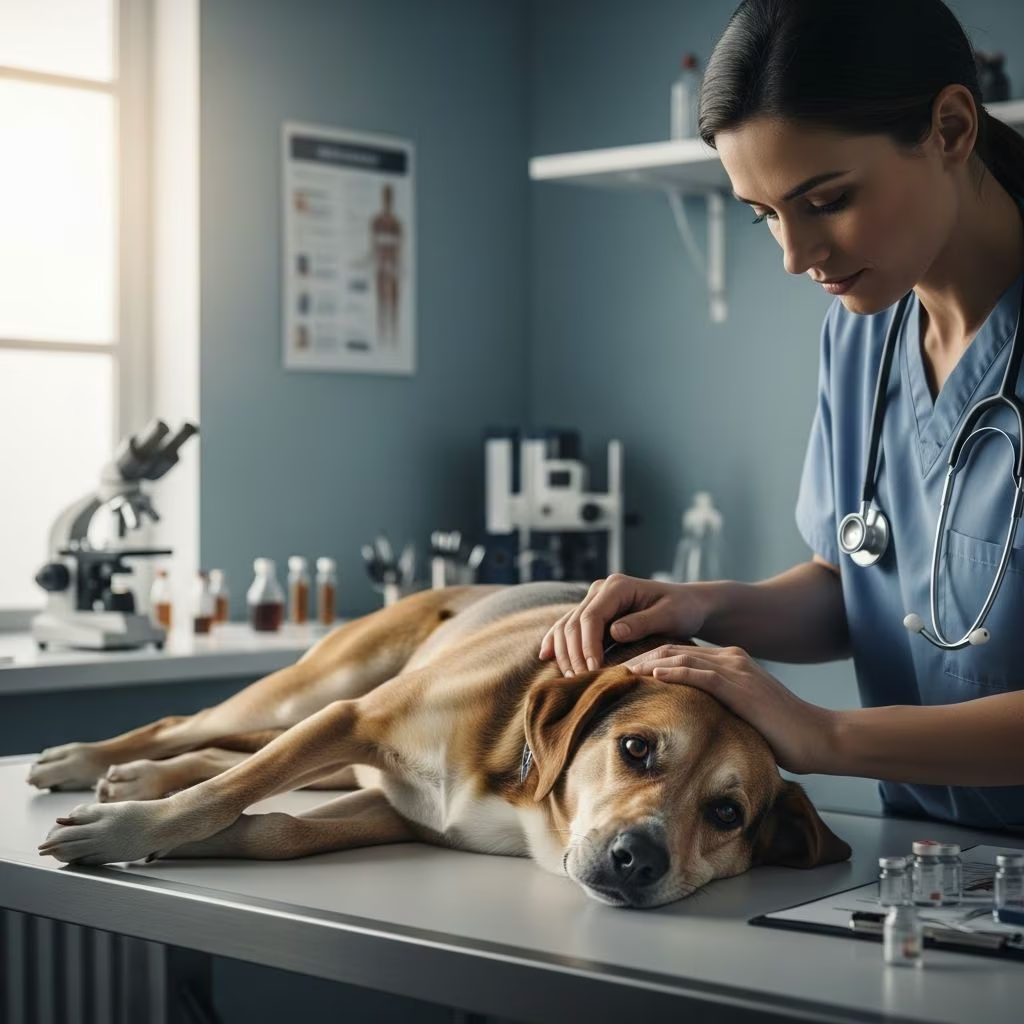
Addison’s Disease in Dogs: A Comprehensive Overview
Addison’s disease, medically known as hypoadrenocorticism, is an endocrine disorder that affects dogs when their adrenal glands fail to produce sufficient hormones. This condition occurs when the body doesn’t generate adequate amounts of cortisol and aldosterone, two critical hormones that regulate various bodily functions. While Addison’s disease may sound alarming, it is a manageable condition that allows most dogs to live normal, healthy lives with proper treatment and monitoring.
Understanding Addison’s Disease
The adrenal glands are small but vital organs located near the kidneys that produce hormones essential for maintaining electrolyte balance, managing stress responses, and regulating blood pressure. When these glands become damaged or fail to function properly, the result is Addison’s disease. This condition can affect dogs of any age, breed, or gender, though certain breeds may have a genetic predisposition to developing the disease.
There are two types of Addison’s disease in dogs: primary and secondary. Primary Addison’s disease occurs when the adrenal glands themselves are damaged and cannot produce hormones. Secondary Addison’s disease develops when the pituitary gland fails to stimulate the adrenal glands to produce hormones. Understanding which type your dog has is important for determining the most appropriate treatment plan.
Recognizing Symptoms of Addison’s Disease
The symptoms of Addison’s disease in dogs can be subtle and often mimic other common health conditions, making diagnosis challenging. Symptoms typically develop gradually over time, and many pet owners may not notice changes immediately. Common signs include:
- Lack of energy and lethargy
- Weight loss despite normal appetite
- Vomiting and diarrhea
- Increased thirst and urination
- Bloody stools
- Muscle weakness and shaking
- Weak or irregular pulse
- Abdominal pain
- Hair loss and skin pigmentation changes
- Low blood sugar (hypoglycemia)
These symptoms may come and go, fluctuating in intensity, which can make the condition particularly difficult to diagnose. Some dogs may appear to recover on their own, only to experience a relapse weeks or months later.
Atypical Addison’s Disease in Dogs
Atypical Addison’s disease represents a less severe form of the condition where dogs experience milder symptoms. Dogs with this presentation do not typically go into Addisonian crisis or experience severe dehydration or shock. Instead, they may present with chronic or intermittent gastrointestinal issues such as vomiting, diarrhea, loss of appetite, and lethargy. The challenges with atypical Addison’s disease lie in its diagnosis, as the subtle symptoms can be easily confused with other gastrointestinal or nutritional disorders.
Addisonian Crisis: An Emergency Situation
In some cases, Addison’s disease can progress to an acute, life-threatening condition known as Addisonian crisis or acute adrenal insufficiency. This emergency occurs when the body experiences extreme stress—such as illness, injury, or surgery—and the adrenal glands cannot produce sufficient cortisol to manage the crisis. During an Addisonian crisis, dogs may experience severe symptoms including profound weakness, shock, severe dehydration, collapse, and potentially death if not treated immediately.
Recognizing the signs of an Addisonian crisis is crucial for pet owners. If your dog shows signs of shock, extreme lethargy, or collapse, seek emergency veterinary care immediately.
Diagnosis of Addison’s Disease
Diagnosing Addison’s disease requires blood work and specific diagnostic tests. Your veterinarian will typically perform an ACTH stimulation test, which measures how the adrenal glands respond to stimulation. This test is the gold standard for diagnosing Addison’s disease and helps differentiate it from other conditions causing similar symptoms. Blood work may also reveal electrolyte imbalances, low blood sugar, and other abnormalities consistent with the disease.
Your veterinarian may recommend additional tests to rule out other conditions and get a complete picture of your dog’s health status before starting treatment.
Treatment Options for Addison’s Disease
The good news is that Addison’s disease in dogs is highly treatable. Once diagnosed, most dogs with Addison’s disease can be successfully managed with appropriate medication and veterinary care. The primary goal of treatment is to replace the deficient hormones through medication, allowing your dog to maintain normal hormone levels and function.
Hormone Replacement Therapy
The cornerstone of Addison’s disease treatment involves replacing the missing hormones. Dogs typically require replacement for both glucocorticoids (cortisol) and mineralocorticoids (aldosterone). Several medication options are available, and your veterinarian will determine which is best suited for your individual dog.
DOCP Injection Therapy: Desoxycorticosterone pivalate, commonly known as DOCP (brand names: Percorten®-V or Zycortal®), is an FDA-approved injectable medication that replaces the missing mineralocorticoid aldosterone. This injection is typically administered every 3–4 weeks, depending on individual patient needs. DOCP is often supplemented with an oral glucocorticoid such as prednisone. With proper training, many owners can administer DOCP injections at home, making treatment more convenient and reducing frequent veterinary visits.
Oral Medication Therapy: Some dogs do best on oral medications that replace both hormones. Fludrocortisone (brand name Florinef®) is a mineralocorticoid that also has some glucocorticoid activity and can be given orally. This option may be more suitable for dogs that do not tolerate DOCP injections or for owners who prefer oral medication administration.
Prednisone for Glucocorticoid Replacement: Oral prednisone is typically prescribed to replace cortisol deficiency. Starting doses are usually 0.5 to 1.0 mg/kg/day and are gradually lowered over several weeks as the dog transitions to home care. This medication is easy to administer and cost-effective compared to injectable alternatives.
Emergency Treatment for Addisonian Crisis
Dogs experiencing an Addisonian crisis require immediate hospitalization and intensive care. Emergency treatment includes intravenous fluid therapy to correct shock, severe dehydration, and electrolyte imbalances. IV glucocorticoids are administered promptly, with dexamethasone sodium phosphate being a common first-line treatment due to its rapid action. Additional supportive care may include antacids, anti-nausea medications, and supplemental glucose to correct hypoglycemia.
Once the acute crisis is stabilized, long-term hormone replacement therapy can begin.
Medication Dosing and Adjustments
Finding the correct medication dosage is crucial for optimal disease management. Your veterinarian will perform regular blood tests to monitor hormone levels and electrolyte concentrations, making adjustments as needed. Recent research has shown that lower-dose DOCP protocols may be equally effective while reducing the risk of over-treatment complications. It typically takes several weeks of trial and error to establish the perfect medication regimen for your dog.
After your dog’s diagnosis and initial treatment, your veterinarian will recheck blood work in about one month to ensure medication dosages are appropriate. Ongoing monitoring through regular veterinary check-ups and periodic blood tests is essential throughout your dog’s life.
Recovery and Long-Term Management
Most dogs who receive prompt diagnosis and treatment show noticeable improvement in symptoms within 24 hours. With appropriate therapy, the majority of dogs fully recover from an Addisonian crisis and return to their normal activities and quality of life. The key to successful management is consistent, lifelong treatment and monitoring.
Your dog’s diet and activity levels can typically remain unchanged, and most dogs resume completely normal lives even after experiencing a crisis. However, adherence to your veterinarian’s treatment plan is absolutely critical. If treatment is stopped or medications are not given as prescribed, symptoms will return and potentially lead to another crisis.
Living with Addison’s Disease
Managing Addison’s disease requires commitment from pet owners, but the condition should not significantly impact your dog’s quality of life. Here are essential guidelines for caring for a dog with Addison’s disease:
- Administer all medications exactly as prescribed by your veterinarian
- Attend all scheduled veterinary appointments for monitoring and blood work
- Never adjust medication doses without explicit veterinary instruction
- Keep medications organized and maintain a consistent administration schedule
- Watch for any changes in your dog’s condition and report them to your veterinarian
- Minimize stress when possible, as stress can trigger symptoms
- Maintain regular exercise and a balanced diet
- Keep emergency contact information for your veterinarian readily available
Cost Considerations
The cost of treating Addison’s disease varies depending on which medications are used. Prednisone is relatively inexpensive and easy to administer orally. However, DOCP injections, while highly effective, can be more costly due to medication expense and veterinary administration fees. The lifetime cost of treatment can impose a financial burden on some dog owners, which is why some veterinarians are exploring lower-dose protocols to reduce expenses while maintaining treatment efficacy.
Prognosis for Dogs with Addison’s Disease
The prognosis for dogs with properly managed Addison’s disease is excellent. Dogs without treatment or those who present in severe crisis can die quickly, making prompt intervention essential. However, with timely diagnosis and appropriate treatment, most dogs live normal lifespans with good quality of life. Regular veterinary care and medication compliance are the primary factors determining long-term success.
Frequently Asked Questions About Addison’s Disease in Dogs
Q: Is Addison’s disease curable in dogs?
A: No, Addison’s disease cannot be cured, but it can be effectively managed with lifelong hormone replacement therapy and regular veterinary monitoring. Most dogs live normal lives with proper treatment.
Q: How long do dogs with Addison’s disease live?
A: With appropriate treatment and management, dogs with Addison’s disease can live normal lifespans. The condition itself does not shorten lifespan when properly controlled.
Q: What happens if I miss a dose of my dog’s Addison’s medication?
A: Missing doses can cause symptoms to return. It’s important to maintain a consistent medication schedule. If you miss a dose, contact your veterinarian for guidance on whether to administer the missed dose or wait until the next scheduled time.
Q: Can DOCP injections be given at home?
A: Yes, with proper training from your veterinarian, DOCP injections can be administered at home. This can reduce the frequency of veterinary visits and make treatment more convenient.
Q: Do dogs with Addison’s disease need special diets?
A: In most cases, dogs with Addison’s disease can eat regular, balanced diets. Your veterinarian may recommend specific dietary adjustments based on your individual dog’s needs and any concurrent health conditions.
Q: Is Addison’s disease hereditary in dogs?
A: While Addison’s disease can have genetic predisposition in certain breeds, it is not always hereditary. Both genetic and environmental factors can contribute to its development.
Q: How often should a dog with Addison’s disease see the veterinarian?
A: Regular veterinary check-ups and blood work are essential. Your veterinarian will recommend a monitoring schedule, typically including initial checks one month after diagnosis, then periodic monitoring based on your dog’s response to treatment.
References
- Symptoms of Addison’s Disease in Dogs & How it is Treated — East of Austin Veterinary Hospital. 2024-07-15. https://www.eoah.com/site/blog/2024/07/15/addisons-disease-dogs-treatment
- Addison Disease (Hypoadrenocorticism) in Animals — Merck Veterinary Manual. https://www.merckvetmanual.com/endocrine-system/the-adrenal-glands/addison-disease-hypoadrenocorticism-in-animals
- Addison’s Disease in Dogs: Symptoms and More — PetMD. https://www.petmd.com/dog/conditions/endocrine/addisons-disease-dogs-symptoms-and-more
- New Dosage Protocol for Dogs with Addison’s Disease: A Randomized Controlled Clinical Trial — Michigan State University College of Veterinary Medicine. https://cvm.msu.edu/vetschool-tails/new-dosage-protocol-for-dogs-with-addisons-disease-a-randomized-controlled-clinical-trial
- Management of Hypoadrenocorticism (Addison’s Disease) in Dogs — National Institutes of Health National Center for Biotechnology Information. 2018. https://pmc.ncbi.nlm.nih.gov/articles/PMC6055912/
- Addison’s Disease in Dogs — VCA Animal Hospitals. https://vcahospitals.com/know-your-pet/addisons-disease-in-dogs-overview
- Diagnosis and Management of Hypoadrenocorticism in Dogs — Today’s Veterinary Practice. https://todaysveterinarypractice.com/endocrinology/diagnosis-and-management-of-hypoadrenocorticism-in-dogs/



