

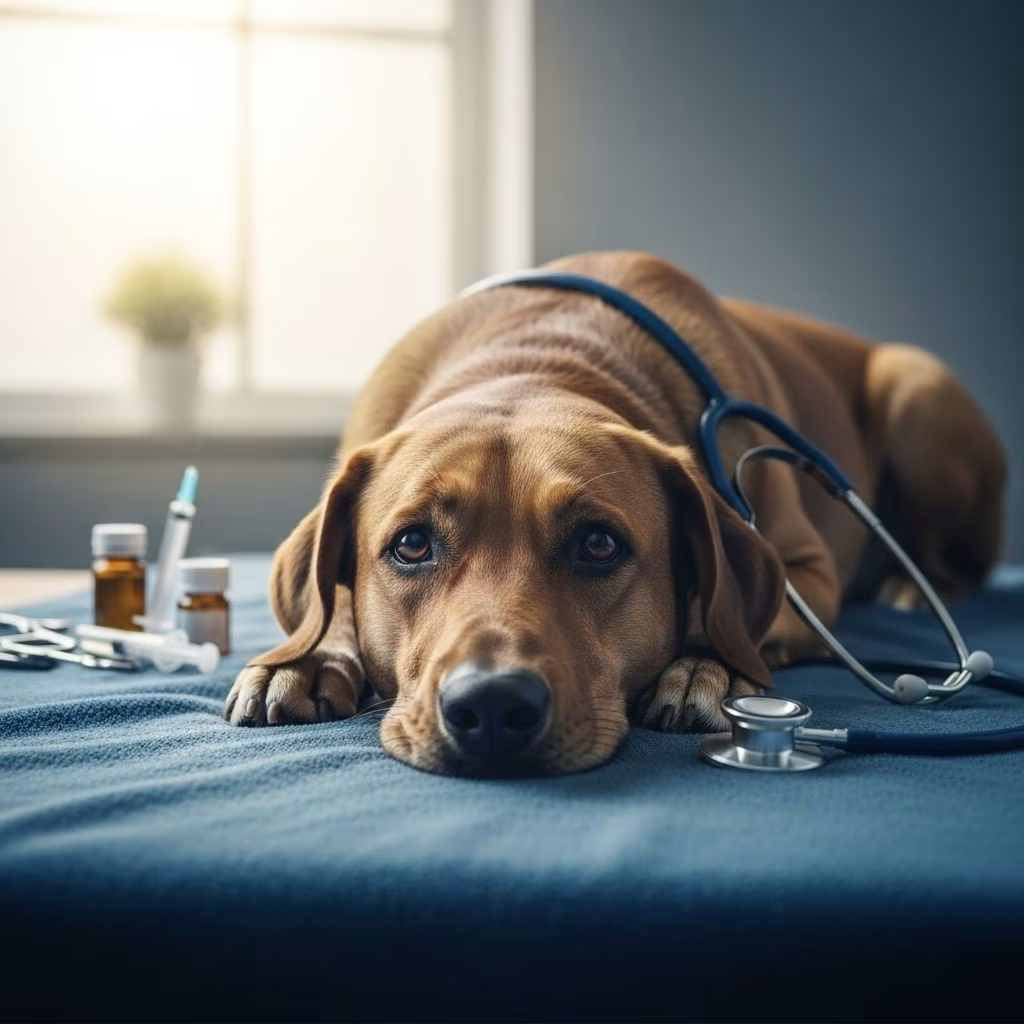
Addison’s Disease in Dogs: A Comprehensive Overview
Addison’s disease, medically known as hypoadrenocorticism, is an endocrine disorder affecting the adrenal glands in dogs. This condition develops when the adrenal glands fail to produce sufficient amounts of critical hormones, particularly cortisol and aldosterone. While the diagnosis can seem daunting, most dogs with Addison’s disease can be successfully managed with appropriate treatment and consistent care throughout their lives.
Understanding the Adrenal Glands and Their Function
The adrenal glands are small endocrine organs located near the kidneys that play a vital role in maintaining your dog’s health and well-being. These glands produce two essential hormones: cortisol and aldosterone. Cortisol helps regulate metabolism, manage stress responses, and maintain blood sugar levels, while aldosterone helps balance electrolytes and fluid levels in the body. When the adrenal glands malfunction, the body cannot maintain these critical hormonal balances, leading to the symptoms associated with Addison’s disease.
Recognizing Symptoms of Addison’s Disease
The symptoms of Addison’s disease in dogs can be quite varied and often develop gradually over time, making early diagnosis challenging. Some dogs may display symptoms intermittently, while others experience consistent problems. Common symptoms include:
- Lack of energy and lethargy
- Unexplained weight loss
- Vomiting and diarrhea
- Increased thirst and urination
- Bloody stools or gastrointestinal distress
- Trembling or shaking
- Weak or irregular pulse
- Abdominal pain
- Hair loss or changes in skin pigmentation
- Low blood sugar (hypoglycemia)
Many of these symptoms are nonspecific and could indicate other health conditions, which is why veterinary diagnosis is essential. Pet owners should note that symptoms may come and go and can vary in intensity.
Understanding Addisonian Crisis
One of the most critical aspects of Addison’s disease is the risk of an Addisonian crisis, a life-threatening emergency condition. An Addisonian crisis occurs when the dog’s body experiences sudden, severe stress that overwhelms the already compromised adrenal system. This can result in extreme dehydration, severe electrolyte imbalances, dangerous drops in blood pressure, and cardiovascular collapse. Dogs in an Addisonian crisis require immediate emergency veterinary care, including hospitalization and intensive supportive treatment. Without prompt intervention, this condition can be fatal.
How Addison’s Disease is Diagnosed
Veterinarians diagnose Addison’s disease through a combination of clinical signs, blood work, and specific diagnostic tests. The primary diagnostic test is the ACTH stimulation test, which measures how the adrenal glands respond to stimulation. In dogs with Addison’s disease, the adrenal glands fail to produce an appropriate hormonal response. Blood tests also reveal characteristic abnormalities including elevated potassium levels, low sodium levels, and low blood glucose. The combination of clinical symptoms and these diagnostic findings confirms Addison’s disease, allowing your veterinarian to begin appropriate treatment immediately.
Treatment Options for Addison’s Disease
Once diagnosed, most dogs with Addison’s disease can be successfully treated and managed. However, it’s important to understand that while Addison’s disease cannot be cured, it can be effectively managed with lifelong medication and regular veterinary monitoring. The goal of treatment is to replace the deficient hormones that the adrenal glands can no longer produce adequately.
Injectable Mineralocorticoid Replacement: DOCP
Desoxycorticosterone pivalate, commonly known as DOCP (brand names: Percorten®-V or Zycortal®), is an FDA-approved injectable medication specifically designed for treating Addison’s disease in dogs. This medication replaces the missing mineralocorticoid aldosterone and is typically injected every 3-4 weeks, depending on the individual patient’s needs. Many dog owners appreciate that with proper training, DOCP injections can be administered at home, providing convenience and reducing frequent veterinary visits. DOCP is often supplemented with an oral glucocorticoid to provide complete hormone replacement.
Oral Medication Alternatives
For some dogs, DOCP injections may not be the best option. Alternative oral medications are available that replace both mineralocorticoid and glucocorticoid hormones. Fludrocortisone (brand name Florinef®) is an oral medication that contains both hormone types and may be preferred for certain patients. Additionally, dogs with early-stage Addison’s disease typically receive oral steroids such as prednisone, sometimes combined with a monthly steroid injection at a veterinary hospital.
Emergency Treatment for Addisonian Crisis
Dogs presenting in an Addisonian crisis require immediate emergency hospitalization and intensive supportive care. Emergency treatment focuses on correcting life-threatening complications through intravenous fluid therapy to restore hydration and correct electrolyte imbalances, including dangerous elevations in potassium and reductions in sodium. Intravenous glucocorticoids, such as dexamethasone sodium phosphate, are administered promptly to provide immediate hormonal support. Additional supportive medications may include gastroprotectants for gastrointestinal protection, antiemetics to control nausea, and supplemental glucose to address hypoglycemia.
Long-Term Management and Monitoring
Successful management of Addison’s disease requires consistent medication administration and regular veterinary monitoring. After your dog receives an initial diagnosis and emergency treatment, your veterinarian will recheck blood work approximately one month after starting treatment to ensure medication dosages are appropriate for controlling the disease. This initial adjustment period often involves some trial and error as your veterinarian fine-tunes medication doses to achieve optimal hormonal balance for your individual dog.
It is essential for dog owners to understand that medications must be given exactly as prescribed and that regular veterinary check-ups are necessary. Missed doses or discontinued treatment will result in the return of symptoms. Many dogs require lifelong hormone replacement therapy with regular blood tests to monitor hormone levels and ensure medications remain at appropriate doses.
Recovery and Prognosis
The prognosis for dogs with Addison’s disease is generally favorable when the condition is properly diagnosed and treated. Most dogs who receive prompt treatment show noticeable improvement in their symptoms within 24 hours of beginning therapy. Dogs in Addisonian crisis are typically discharged 3-5 days after initial presentation, once they are stabilized and able to maintain hydration on their own. While dogs don’t recover from Addison’s disease in the traditional sense, they do achieve normal quality of life with proper management.
The majority of dogs resume normal lives, even after experiencing an Addisonian crisis. Your dog’s diet and activity levels can often remain unchanged, allowing them to enjoy the same lifestyle they had before diagnosis. Dogs with Addison’s disease can participate in normal activities, play, and enjoy their daily routines with their families.
Working with Your Veterinarian
Your veterinarian will discuss various Addison’s disease treatment options and determine which therapy is best suited for your dog’s specific needs, health status, and circumstances. Factors that influence treatment selection include the dog’s overall health, the stage of disease progression, the presence of additional health conditions, and practical considerations such as your ability to administer medications or attend regular veterinary appointments. Some dogs do better with injectable DOCP therapy, while others respond more favorably to oral medications. Your veterinarian’s expertise and ongoing relationship with your dog ensures the most appropriate treatment plan.
Important Considerations for Addison’s Disease Management
Never skip or adjust medications without veterinary guidance. It is absolutely essential for owners of dogs with Addison’s disease to take their dog in for regular examinations and avoid making any medication changes without explicit instructions from their veterinarian. Skipping doses or altering medication amounts can lead to relapse of symptoms or dangerous health complications.
Stress management. Since stress can trigger Addisonian crises, try to maintain a calm, stable environment for your dog. Minimize exposure to stressful situations whenever possible and maintain consistent routines.
Regular monitoring. Consistent veterinary check-ups and blood tests are essential components of long-term management. Regular blood work helps ensure medication doses remain appropriate as your dog ages or if their condition changes.
Frequently Asked Questions
Q: Is Addison’s disease in dogs curable?
A: No, Addison’s disease cannot be cured, but it can be effectively managed with lifelong hormone replacement therapy. Most dogs with proper treatment live normal, happy lives with appropriate medication and regular veterinary monitoring.
Q: How often does my dog need to see the veterinarian?
A: After the initial diagnosis and treatment period, most dogs require regular veterinary check-ups and blood work. Your veterinarian will establish an appropriate schedule based on your dog’s individual needs, typically involving check-ups every 6-12 months once the condition is stable.
Q: What happens if I miss a dose of my dog’s medication?
A: Missing a dose can allow symptoms to return. It’s important to maintain a consistent medication schedule. If you miss a dose, contact your veterinarian for guidance. Never double up on doses to make up for a missed one unless instructed by your veterinarian.
Q: Can my dog have an Addisonian crisis while on treatment?
A: While properly managed dogs on appropriate medication rarely experience Addisonian crises, stress, illness, or medication adjustments can potentially trigger a crisis. This is why consistent medication adherence and regular veterinary monitoring are crucial.
Q: Will my dog’s diet need to change?
A: In most cases, your dog’s diet can remain unchanged. However, your veterinarian may recommend specific dietary adjustments based on your dog’s individual health status and any concurrent health conditions.
Q: How much does Addison’s disease treatment cost?
A: Treatment costs vary depending on which medication is used, your geographic location, and your veterinarian’s fees. DOCP injections, given every 3-4 weeks, and oral medications represent ongoing expenses. Discuss costs with your veterinarian and explore options that fit your budget.
References
- Symptoms of Addison’s Disease in Dogs & How it is Treated — East Orange Animal Hospital. 2024-07-15. https://www.eoah.com/site/blog/2024/07/15/addisons-disease-dogs-treatment
- Management of hypoadrenocorticism (Addison’s disease) in dogs — PubMed Central, National Institutes of Health. https://pmc.ncbi.nlm.nih.gov/articles/PMC6055912/
- Addison Disease (Hypoadrenocorticism) in Animals — Merck Veterinary Manual, Merck & Co., Inc. https://www.merckvetmanual.com/endocrine-system/the-adrenal-glands/addison-disease-hypoadrenocorticism-in-animals
- Addison’s Disease in Dogs: Symptoms and More — PetMD. https://www.petmd.com/dog/conditions/endocrine/addisons-disease-dogs-symptoms-and-more
- Addison’s Disease in Dogs | VCA Animal Hospitals — VCA Animal Hospitals. https://vcahospitals.com/know-your-pet/addisons-disease-in-dogs-overview



