

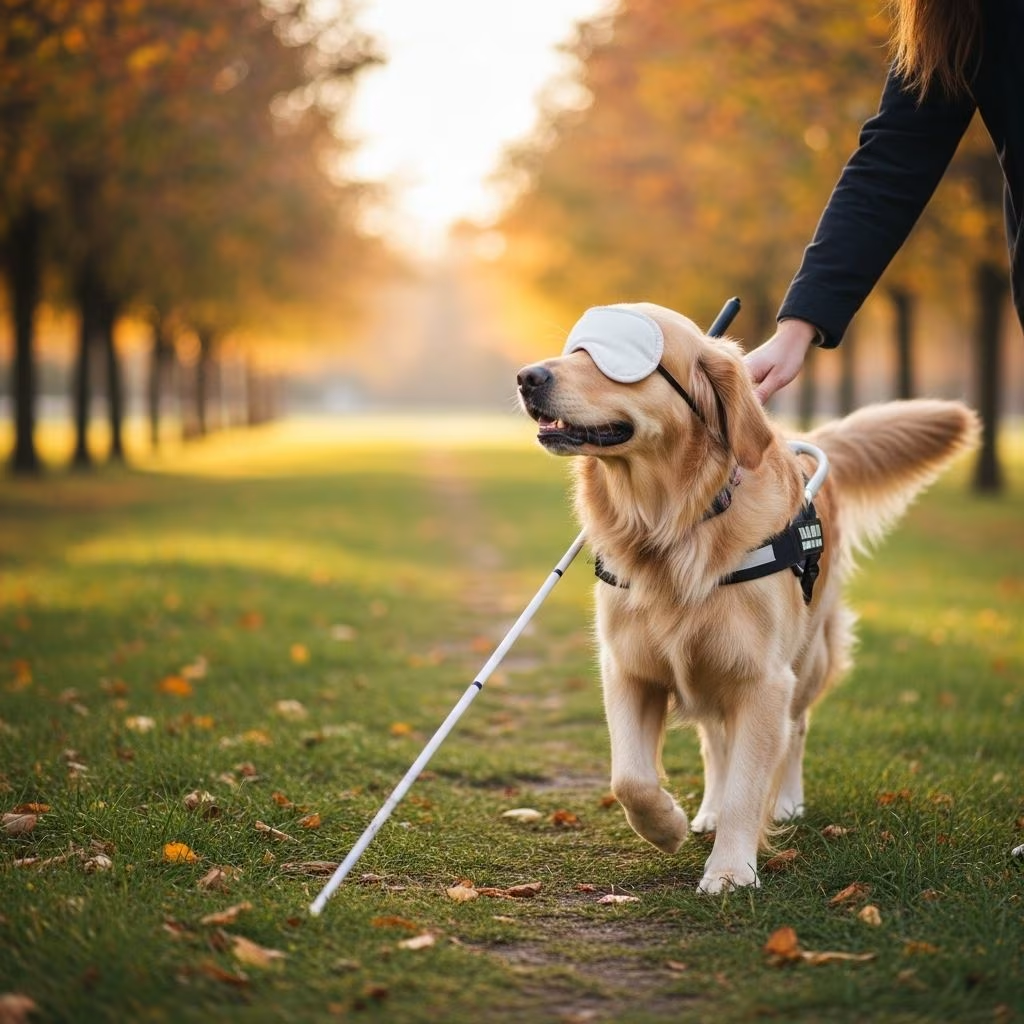
Blindness in dogs requires thoughtful adjustments to daily care, but with proper strategies, affected pets can lead joyful, active lives relying on their heightened senses of smell, hearing, and touch. Veterinary guidance emphasizes maintaining familiarity while enhancing safety and stimulation.
Recognizing Early Signs of Vision Impairment
Dogs may gradually or suddenly lose vision due to conditions like cataracts, glaucoma, or retinal issues. Key indicators include reluctance to navigate familiar areas, hesitation on stairs, widened stance for balance, or cloudy eyes. Owners often notice pets colliding with walls or furniture during routine activities.
Simple at-home tests can flag problems: the cotton ball test involves dropping a small piece of cotton from about a foot above the dog’s eye; normal vision prompts tracking movement. The menace response test requires swiftly approaching the eye with fingers (without touching); sighted dogs typically blink or withdraw. If symptoms appear, consult a veterinarian promptly for diagnosis, potentially involving blood tests, imaging, or referral to a veterinary ophthalmologist.
Consulting Veterinary Professionals
Immediate veterinary evaluation is crucial, as some causes like glaucoma cause pain alongside blindness and demand urgent treatment. Specialists in canine ophthalmology, certified by bodies like the American College of Veterinary Ophthalmologists, offer advanced diagnostics such as CT scans for brain-related issues. Treatment varies; while many cases result in permanent vision loss, pain management or enucleation surgery can restore comfort.
Post-diagnosis, vets provide tailored advice on lifestyle adaptations, emphasizing that blind dogs adapt remarkably using other senses. Regular check-ups monitor underlying health conditions contributing to vision decline.
Creating a Hazard-Free Indoor Environment
A consistent home layout is foundational for blind dogs’ confidence. Avoid rearranging furniture, as memorized paths via scent and touch become disorienting otherwise. Clear walkways of clutter like bags or cords to prevent trips.
- Install baby gates or fences at stairs, pools, or fireplaces to block falls.
- Use textured mats or carpet runners on slippery floors for traction.
- Pad sharp furniture edges within reach.
- Position bells or chimes on doors to signal openings via sound.
For unsupervised periods, designate a safe room or crate with familiar bedding and toys. This minimizes accidents during adjustment. Verbal cues like “step up” or “watch out” paired with gentle guidance build navigation skills over time.
Maintaining Daily Routines and Schedules
Blind dogs thrive on predictability. Feed, potty, and walk at fixed times daily, using the same routes initially. Fixed locations for bowls aid independence; if relocation is necessary, lead the dog there repeatedly with treats.
Scent markers like essential oils or baby powder at doorways or turns help orient pets. Soft radio near sleeping areas provides auditory anchors. Family consistency in commands and routines reinforces security.
Safe Outdoor Adventures and Exercise
Leashes or harnesses are essential outdoors to prevent disorientation into traffic or hazards. Opt for enclosed, familiar yards first, gradually introducing new secure areas after thorough scouting.
Avoid off-leash freedom unless GPS-tracked; always update microchips and ID tags. Fences around water bodies like pools avert drowning risks. Harness walking fosters bonding; incorporate voice commands for “left,” “right,” or “stop.”
Daily exercise sustains physical health and mental sharpness. Short, guided walks suffice initially, progressing as confidence grows.
Training Techniques Tailored for Vision Loss
Training persists post-blindness, leveraging touch, sound, and smell. Lure with treats, then fade to physical cues: shoulder tap for sit, back touch for down. Scent games—hiding treats in boxes or fabrics—engage noses.
Positive reinforcement builds self-assurance. Start in quiet spaces, expanding gradually. Many blind dogs excel in obedience, agility (with adaptations), or nosework.
| Cue Type | Sighted Dogs | Blind Dogs |
|---|---|---|
| Sit | Hand signal | Shoulder touch + verbal |
| Down | Hand signal | Back touch + verbal |
| Come | Visual beckon | Whistle + treat scent |
| Navigate | Pointing | “Left/Right” verbal + lead |
Enriching Playtime with Sensory Toys
Transition from visual toys to auditory or olfactory ones. Bells inside rubber balls allow tracking by sound; treat-dispensing puzzles challenge smell. Squeaky toys or crinkly fabrics provide tactile feedback.
Group play requires alerting others to the dog’s condition via collars or vests reading “Blind Dog—Approach Slowly.” This prevents startling jumps. Rotate toys to sustain interest, ensuring safety by supervising initially.
Nutrition and Health Management
Diet remains unchanged unless vet-recommended for underlying issues. Antioxidants supporting eye health benefit overall wellness, though post-blindness focus shifts to joint support for navigation strains. Monitor weight, as activity patterns may shift.
Annual exams track secondary conditions like diabetes or hypertension linked to vision loss causes. Pain-free eyes post-treatment enhance appetite and mobility.
Emotional Support and Adjustment Period
Owners often grieve vision loss, but dogs rebound quickly with patience. Provide calm reassurance; anxiety manifests as whining or pacing, eased by routines. Supervise closely early on, crawling at dog level to spot overlooked hazards.
Many report blind dogs gaining sharper hearing and smell, navigating adeptly within weeks. Celebrate small victories to foster positivity.
Common Challenges and Solutions
| Challenge | Solution |
|---|---|
| Bumping into objects | Bumper collar; clear paths; vet consult for pain. |
| Confusion from changes | Maintain layout; guided tours for alterations. |
| Outdoor fear | Harness walks; familiar enclosed spaces. |
| Lost interest in play | Scent/sound toys; short sessions. |
| Unsupervised safety | Crate/safe room; family communication. |
Frequently Asked Questions
Can blind dogs live normal lives?
Yes, with adaptations, blind dogs enjoy walks, play, and cuddles using other senses effectively.
Is surgery always needed for blind eyes?
No, only if painful; enucleation relieves discomfort without impacting adaptation.
How do I walk my blind dog safely?
Use a harness, verbal cues, and leashes in unfenced areas; GPS for security.
Can blind dogs be left alone?
Yes, in a secured, familiar space like a crate or gated room.
What toys suit blind dogs best?
Bell balls, treat puzzles, squeakers emphasizing sound and smell.
Long-Term Outlook and Resources
Blind dogs often outlive expectations, with quality of life dependent on owner vigilance. Connect with support groups or vets for ongoing tips. Proactive care transforms potential hardship into enriched companionship.
References
- Supporting a Blind Dog: Helping Dogs Adjust to Vision Loss — American Kennel Club. 2023-05-15. https://www.akc.org/expert-advice/health/supporting-blind-dogs-how-to-adjust/
- Blindness in Dogs — People’s Dispensary for Sick Animals (PDSA). 2024-02-10. https://www.pdsa.org.uk/pet-help-and-advice/pet-health-hub/symptoms/blindness-in-dogs
- How to Care for a Blind Dog: 30 Tips From a Veterinarian — ToeGrips for Dogs. 2023-11-20. https://toegrips.com/7-tips-living-blind-dog/
- 8 Signs Your Dog Is Going Blind (and How to Help Them) — GoodRx. 2024-08-05. https://www.goodrx.com/pet-health/dog/how-to-tell-your-dog-is-going-blind
- Caring for Your Blind Pet: Nine Tips to Improve Their Quality of Life — MedVet. 2023-07-12. https://www.medvet.com/blind-pet-safety-tips/



