

Acute Respiratory Distress Syndrome in Dogs: A Comprehensive Guide
Acute Respiratory Distress Syndrome (ARDS), commonly referred to as “shock lung,” represents one of the most critical and life-threatening respiratory conditions affecting dogs. This severe inflammatory lung disorder requires immediate veterinary intervention and intensive care management. ARDS develops when severe inflammation damages the delicate alveoli (air sacs) in the lungs, leading to fluid accumulation and severe oxygen insufficiency. Understanding this condition is essential for dog owners, as early recognition and prompt treatment significantly improve survival outcomes.
What is Acute Respiratory Distress Syndrome?
Acute Respiratory Distress Syndrome is a severe pulmonary condition characterized by rapid onset respiratory failure. The syndrome occurs when the lungs become severely inflamed, causing the alveoli to fill with fluid, which prevents oxygen from entering the bloodstream effectively. This life-threatening condition can develop in dogs of any age or breed, though certain underlying diseases increase susceptibility. ARDS represents a failure of the lungs to maintain adequate gas exchange, resulting in hypoxemia (low blood oxygen levels) that can quickly become fatal without intervention.
Causes of ARDS in Dogs
ARDS develops secondary to various underlying conditions that trigger a severe inflammatory cascade within the lungs. Understanding these causative factors helps veterinarians identify at-risk patients and implement preventive measures. The following conditions commonly precede ARDS development:
- Aspiration pneumonia from vomiting or regurgitation
- Sepsis from systemic infections or severe bacterial infections
- Pneumonia, both bacterial and viral
- Severe trauma or crush injuries
- Near-drowning or aspiration of saltwater or freshwater
- Severe pancreatitis
- Multiple transfusions
- Pulmonary contusions from blunt trauma
- Inhalation injuries from smoke or toxic gases
- Severe systemic disease or organ dysfunction
- Complications following surgery
- Peritonitis or other severe infections
Clinical Signs and Symptoms
Dogs experiencing ARDS typically present with acute and severe clinical manifestations that develop rapidly over hours to days. Recognizing these warning signs is crucial, as ARDS constitutes a medical emergency requiring immediate veterinary attention.
Primary Clinical Signs Include:
- Severe dyspnea (difficulty breathing) or rapid, labored breathing
- Tachypnea (rapid respiratory rate exceeding 40 breaths per minute)
- Increased respiratory effort with obvious abdominal breathing
- Cyanosis (bluish discoloration of gums and tongue) indicating severe hypoxemia
- Restlessness, anxiety, and agitation related to oxygen deprivation
- Pale or gray mucous membranes
- Crackling or wheezing sounds when breathing
- Reluctance to lie down or exercise intolerance
- Confusion or altered consciousness in severe cases
- Shock-like presentation with weak pulses and poor perfusion
Diagnosis of ARDS
Diagnosing ARDS requires a comprehensive approach combining clinical presentation, imaging studies, blood gas analysis, and laboratory findings. Early and accurate diagnosis is vital for initiating life-saving treatment promptly.
Physical Examination
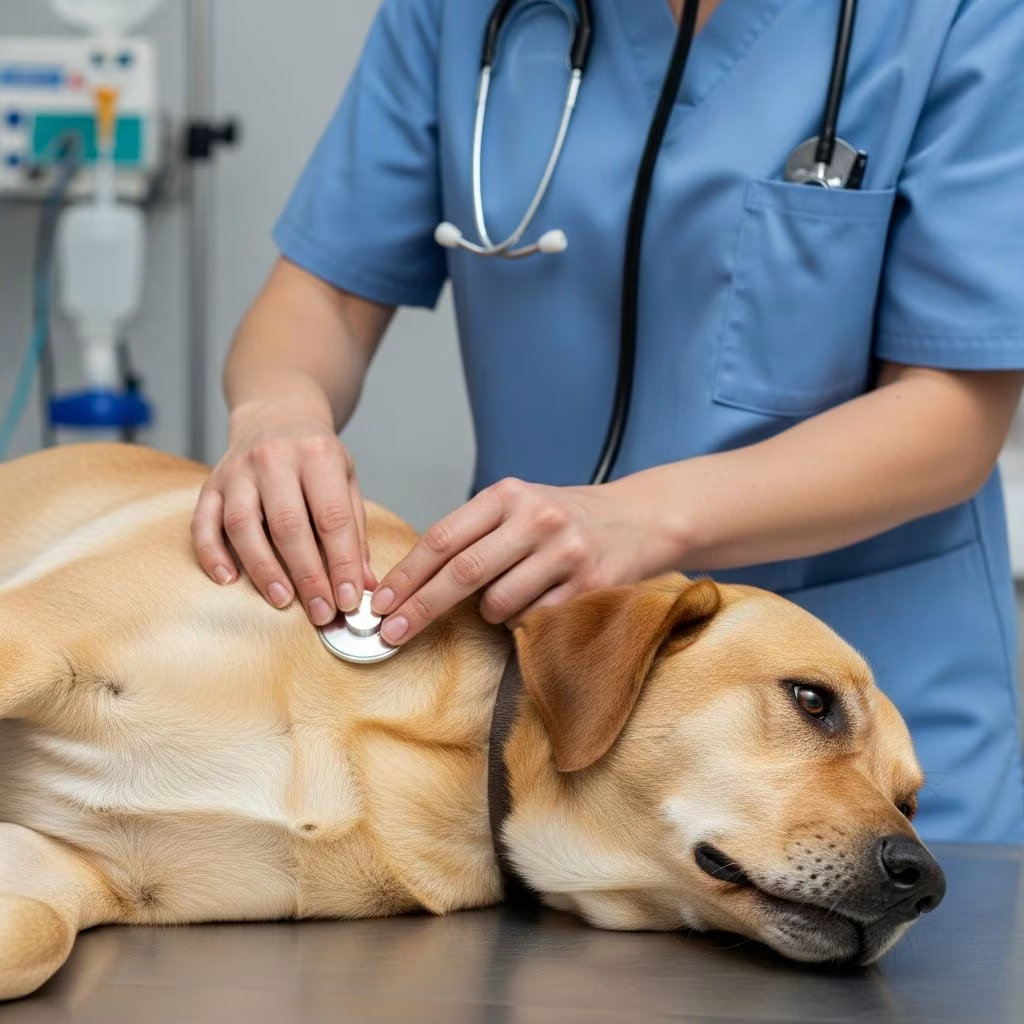
Veterinarians begin with a thorough physical examination, assessing respiratory effort, mucous membrane color, capillary refill time, and lung auscultation findings. The examination often reveals crackling sounds (crackles or rales) throughout the lungs, indicating pulmonary edema.
Thoracic Radiography
Chest radiographs represent a cornerstone diagnostic tool, typically revealing characteristic findings in ARDS. The radiographic appearance usually demonstrates diffuse bilateral alveolar infiltrates, often described as a “white-out” pattern. These infiltrates are typically more prominent in the ventral and dependent portions of the lungs due to gravity-dependent fluid distribution.
Arterial Blood Gas Analysis
Arterial blood gas (ABG) analysis provides essential objective data regarding oxygenation and ventilation status. Dogs with ARDS typically display severe hypoxemia (low PaO2 levels) despite supplemental oxygen therapy. The PaO2/FiO2 ratio (partial pressure of oxygen divided by fraction of inspired oxygen) serves as a critical marker; ratios below 300 indicate significant pulmonary dysfunction consistent with ARDS.
Laboratory Testing
Complete blood work including CBC and chemistry panel helps identify underlying causes such as infection, organ dysfunction, or metabolic abnormalities. Additional testing may include blood cultures if sepsis is suspected, and specific testing for underlying conditions like pancreatitis.
Additional Imaging
Computed tomography (CT) scans may provide more detailed information about lung involvement and help identify specific underlying causes. Ultrasound examination can assess for pleural effusion or other thoracic abnormalities.
Treatment and Management
The primary treatment philosophy for ARDS emphasizes supportive care while addressing the underlying disease process. The only known effective treatment for ARDS is time and supportive care, with treatment directed at the underlying cause of the severe inflammatory response.
Oxygen Therapy
Supplemental oxygen administration forms the foundation of ARDS management. Dogs suffering from ARDS often require supplemental oxygen to maintain healthy oxygen levels. Oxygen can be delivered through multiple methods depending on the patient’s needs and tolerance:
- Oxygen cages providing controlled FiO2 levels
- Nasal oxygen catheters for continuous delivery
- Face masks for more immediate oxygen delivery
- Flow-by oxygen as a gentler initial approach
Mechanical Ventilation
In severe cases, dogs often must be placed on a mechanical ventilator, which requires the dog to be fully anesthetized. A tube is passed into the trachea (windpipe) and the ventilator is used to breathe for the dog. The goal of this ventilation is to keep the body’s oxygen levels high enough for survival while treatment begins. Mechanical ventilation employs lung-protective strategies including lower tidal volumes, pressure limitation, and periodic recruitment maneuvers to minimize ventilator-induced lung injury.
Sedation and Anesthesia
Dogs requiring mechanical ventilation must be sedated or anesthetized to tolerate endotracheal intubation. Anxiolytic medications help reduce stress and oxygen demand during the critical stabilization phase. Sedation protocols are carefully balanced to maintain adequate anesthesia while preserving hemodynamic stability.
Fluid Management
Dogs with ARDS are typically hospitalized on IV fluids to address their underlying disease, which presents challenges for the veterinary team: those fluids that keep blood flowing to your dog’s tissues are the same fluids that can pool in the lungs. Therefore, fluid therapy in pets with ARDS is a challenging balancing act. Conservative fluid administration is often preferred, maintaining only adequate perfusion while avoiding fluid overload that exacerbates pulmonary edema. Careful monitoring of urine output, blood pressure, and pulmonary status guides fluid adjustments.
Nutritional Support
Dogs also often require supplemental nutrition. The increased effort required to breathe with ARDS involves significant energy exertion. Dogs with ARDS typically receive nutrition by feeding tube or by intravenous nutritional support. Enteral nutrition through feeding tubes is preferred when possible, as it maintains gastrointestinal function and is more physiologic than parenteral nutrition.
Treatment of Underlying Disease
Addressing the primary cause of ARDS is crucial for recovery. Treatment varies depending on the underlying condition and may include:
- Broad-spectrum antibiotics for infections or aspiration pneumonia
- Anti-inflammatory medications including corticosteroids
- Diuretic therapy when appropriate
- Supportive care for pancreatitis or other systemic conditions
- Pain management with appropriate analgesics
- Anticoagulation if pulmonary thromboembolism is present
Positioning and Nursing Care
Sternal recumbency (chest-down positioning) can significantly improve oxygenation in spontaneously breathing dogs with ARDS. Regular repositioning prevents pressure sores and facilitates fluid drainage from affected lung regions. Intensive nursing care including frequent monitoring, suctioning of airways when necessary, and maintenance of hygiene significantly impacts outcomes.
Prognosis and Recovery
The prognosis for ARDS in dogs has historically been poor, with previous studies reporting survival rates as low as 6 percent. However, advances in positive pressure ventilation and improvement in the supportive care of critically ill veterinary patients suggest the prognosis for ARDS may improve. Recent cases utilizing short-term positive pressure ventilation and intense critical nursing care demonstrate that recovery is possible, though challenging.
Recovery from ARDS is typically gradual, requiring weeks to months of intensive care and monitoring. Pets may show slow but steady improvements in respiratory function and overall health. Successful recovery depends on several factors including the underlying cause, severity of the initial presentation, access to intensive care facilities, and overall patient age and condition.
Prevention and Risk Reduction
While ARDS cannot always be prevented, certain measures reduce the risk of developing this life-threatening condition:
- Prompt treatment of respiratory infections and pneumonia
- Careful anesthetic management to prevent aspiration
- Appropriate fasting before anesthesia
- Careful positioning during recovery from anesthesia
- Rapid treatment of sepsis and systemic infections
- Management of predisposing conditions like pancreatitis
- Careful handling during trauma situations
Frequently Asked Questions
Q: What is the difference between ARDS and regular pneumonia?
A: While pneumonia involves infection and inflammation of lung tissue, ARDS is a severe systemic inflammatory response that damages the lungs’ delicate air sacs, often following or accompanying other serious conditions. ARDS can develop without infection and represents a more severe, life-threatening condition requiring intensive care management.
Q: Can ARDS be prevented?
A: While ARDS cannot always be prevented, prompt treatment of underlying conditions like infections, careful anesthetic management, appropriate fasting before surgery, and rapid treatment of sepsis can reduce the risk of ARDS development.
Q: How long does recovery from ARDS typically take?
A: Recovery is gradual and typically requires weeks to months of intensive care and monitoring. Some dogs may require mechanical ventilation for several days before weaning off respiratory support.
Q: Is mechanical ventilation always necessary for ARDS?
A: Not all ARDS cases require mechanical ventilation. Milder cases may respond to supplemental oxygen alone, though severe cases often require mechanical ventilation to maintain adequate oxygenation until the inflammatory process resolves.
Q: What should I do if my dog shows signs of respiratory distress?
A: Respiratory distress is a medical emergency. Contact your veterinarian or emergency veterinary clinic immediately. Time is critical in ARDS management, and prompt intervention significantly improves outcomes.
References
- Acute Respiratory Distress Syndrome (Shock Lung) in Dogs — VCA Animal Hospitals. Retrieved November 28, 2025. https://vcahospitals.com/know-your-pet/acute-respiratory-distress-syndrome-shock-lung-in-dogs
- Approach to Respiratory Distress in Dogs & Cats — Today’s Veterinary Practice. Retrieved November 28, 2025. https://todaysveterinarypractice.com/respiratory-medicine/approach-to-respiratory-distress-in-dogs-and-cats/
- Successful Treatment of Acute Respiratory Distress Syndrome in 2 Dogs — PubMed Central (NIH). PMCID: PMC3258830. Retrieved November 28, 2025. https://pmc.ncbi.nlm.nih.gov/articles/PMC3258830/
- ARDS in Dogs: Causes, Treatment and Signs — Animal Emergency & Urgent Care. Retrieved November 28, 2025. https://www.animalemergencyurgentcare.com/ards-in-dogs/
- Understanding ARDS in Pets: Causes, Treatment, and the Vital Role of Oxygen — Pawprint Oxygen. Retrieved November 28, 2025. https://pawprintoxygen.com/blogs/healthy-paws/understanding-ards-in-pets-2



