

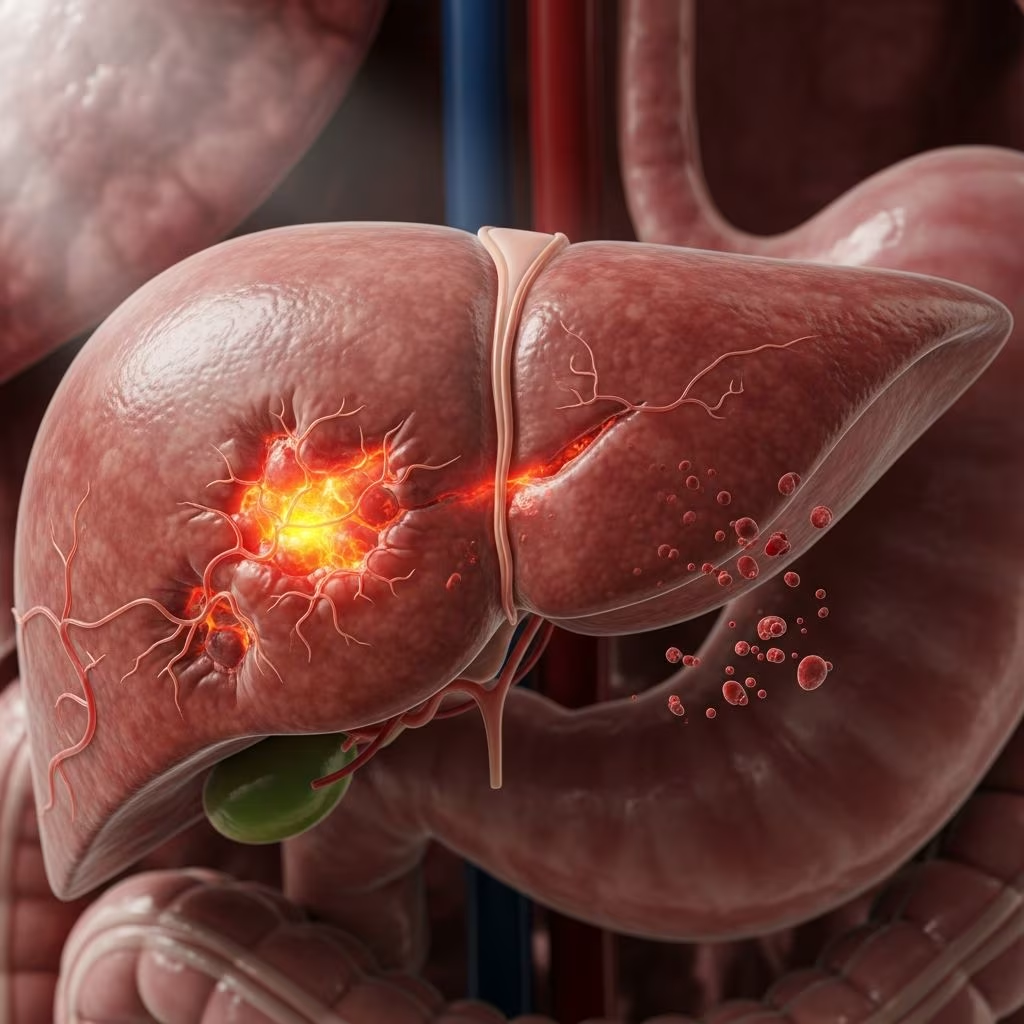
The liver performs over 500 vital functions, including detoxification, protein synthesis, and metabolism regulation. Acute liver failure occurs when this organ suddenly loses its ability to function, often within days, leading to a life-threatening emergency. Unlike chronic conditions that develop slowly, this rapid decline demands immediate medical intervention to prevent multi-organ shutdown.
Understanding the Liver’s Role and Acute Breakdown
The liver filters toxins from the blood, produces bile for digestion, stores vitamins, and regulates blood clotting. In acute liver failure, massive hepatocyte (liver cell) death overwhelms the organ’s regenerative capacity, causing toxins to accumulate and impair brain function, known as hepatic encephalopathy. This condition affects people without prior liver disease, striking healthy individuals and progressing from mild symptoms to coma in hours or days.
Distinguishing acute from chronic failure is crucial: chronic stems from long-term scarring (cirrhosis) due to alcohol or hepatitis, while acute hits abruptly. A variant, acute-on-chronic liver failure, precipitates in cirrhosis patients via sudden triggers like infection.
Primary Triggers of Sudden Liver Collapse
Multiple factors can initiate acute liver failure, with acetaminophen (paracetamol) overdose topping the list in the U.S. and Australia. A single large dose or repeated excess intake depletes glutathione, a protective antioxidant, leading to cell death. Seek emergency care immediately after suspected overdose, as treatments like N-acetylcysteine (NAC) can reverse damage if given promptly.
Viral infections contribute significantly: hepatitis A, B, E, Epstein-Barr, cytomegalovirus, and herpes simplex virus inflame the liver acutely. Autoimmune hepatitis, where the immune system attacks liver cells, and rare metabolic disorders like Wilson’s disease (copper accumulation) also provoke failure.
Prescription drugs pose risks, including antibiotics, NSAIDs, anticonvulsants, and herbal supplements like kava, ephedra, or comfrey, which contain hepatotoxins. Toxins from mushrooms or industrial chemicals, vascular issues like Budd-Chiari syndrome (vein thrombosis), and pregnancy complications further heighten vulnerability.
| Cause Category | Examples | Prevalence Notes |
|---|---|---|
| Drug Overdose | Acetaminophen, antibiotics, NSAIDs | Most common in U.S. |
| Viral Infections | Hepatitis A/B/E, herpes viruses | Rare but severe |
| Toxins/Herbs | Mushrooms, kava, comfrey | Often overlooked |
| Other | Autoimmune, Wilson’s disease, vascular | Genetic or idiopathic |
Recognizing Critical Warning Signs
Early detection hinges on spotting subtle changes before coma sets in. Common initial symptoms include profound fatigue, weakness, nausea, and loss of appetite. Jaundice—yellowing of skin and eyes from bilirubin buildup—appears soon after, alongside upper right abdominal pain.
As toxins accumulate, hepatic encephalopathy manifests as confusion, disorientation, drowsiness, or personality changes. Advanced stages bring musty breath, tremors, seizures, and coma. Fluid retention causes ascites (abdominal swelling), easy bruising from clotting factor deficits, and bleeding tendencies. Kidney failure often follows, especially post-overdose. Infections in blood, lungs, or urinary tract complicate 50-80% of cases.
- Early Stage: Fatigue, nausea, jaundice, abdominal discomfort
- Progressive: Confusion, ascites, bruising, itchy skin
- Severe: Encephalopathy, bleeding, multi-organ failure
Diagnostic Approaches for Rapid Confirmation
Diagnosis combines clinical evaluation, blood tests, and imaging. Elevated liver enzymes (ALT/AST), bilirubin, and prolonged prothrombin time signal failure. Ammonia levels rise with encephalopathy, while low albumin indicates synthetic dysfunction. Ultrasound detects structural issues; CT/MRI assesses damage extent. In overdoses, drug levels guide NAC therapy. Liver biopsy, if feasible, confirms cell death patterns, though coagulopathy often contraindicates it.
Urgent Treatment Strategies
Treatment prioritizes stabilization in an intensive care unit (ICU). For acetaminophen overdose, NAC replenishes glutathione intravenously. Activated charcoal absorbs toxins if given early; gastric lavage clears mushroom poisons.
Supportive care includes IV fluids for hydration, laxatives/enemas to reduce gut-derived toxins, and glucose control. Antibiotics combat infections; ventilators aid breathing in coma. Antivirals like entecavir or tenofovir target hepatitis.
Extracorporeal support devices like MARS (molecular adsorbent recirculating system) temporarily filter toxins, bridging to transplant. Liver transplantation remains definitive for irreversible cases, with living-donor partial transplants viable. Prognosis improves with early intervention: 60-80% survive with medical management alone if transplant-ineligible.
Prevention: Safeguarding Liver Health
Avoiding triggers is paramount. Adhere to medication doses—never exceed acetaminophen’s 4g daily limit, and consult doctors on interactions. Limit alcohol, vaccinate against hepatitis A/B, and scrutinize herbal supplements. Manage chronic conditions like obesity or autoimmune diseases promptly to avert progression.
For high-risk groups (e.g., heavy drinkers, diabetics), regular liver function tests enable early detection. Public awareness campaigns emphasize poison control hotlines: in Australia, call 13 11 26 for overdoses.
Prognosis and Long-Term Outlook
Mortality reaches 80% without transplant, but survival exceeds 70% post-transplant. Factors like young age, non-acetaminophen cause, and low encephalopathy grade predict better outcomes. Survivors may fully recover if damage reverses, though some develop chronic issues requiring monitoring.
Frequently Asked Questions (FAQs)
What is the most common cause of acute liver failure?
Acetaminophen overdose leads in many countries, treatable with NAC if caught early.
Can acute liver failure happen to healthy people?
Yes, it often strikes without prior liver disease, triggered by drugs or viruses.
How quickly does acute liver failure progress?
Symptoms can escalate from jaundice to coma in days or less.
Is liver transplant always needed?
No, medications suffice for overdoses or infections; transplant for irreversible cases.
How can I prevent it?
Follow dosing guidelines, avoid toxins, vaccinate, and limit alcohol.
References
- Liver Failure: Causes, Symptoms, & Treatments — Gastrosav. 2023. https://www.gastrosav.com/blog/liver-failure-causes-symptoms-treatments/
- Liver Failure – Liver and Gallbladder Disorders — Merck Manuals. 2025-01-01. https://www.merckmanuals.com/home/liver-and-gallbladder-disorders/manifestations-of-liver-disease/liver-failure
- Guide to Acute Liver Failure — Columbia Surgery. 2024. https://columbiasurgery.org/conditions-and-treatments/acute-liver-failure
- Liver failure – symptoms — Healthdirect (Australian Government). 2025. https://www.healthdirect.gov.au/liver-failure
- Liver Failure – End Stage Liver Disease — UChicago Medicine. 2024. https://www.uchicagomedicine.org/conditions-services/liver-diseases-hepatology/liver-failure
- Acute liver failure – Symptoms and causes — Mayo Clinic. 2025-08-15. https://www.mayoclinic.org/diseases-conditions/acute-liver-failure/symptoms-causes/syc-20352863



