

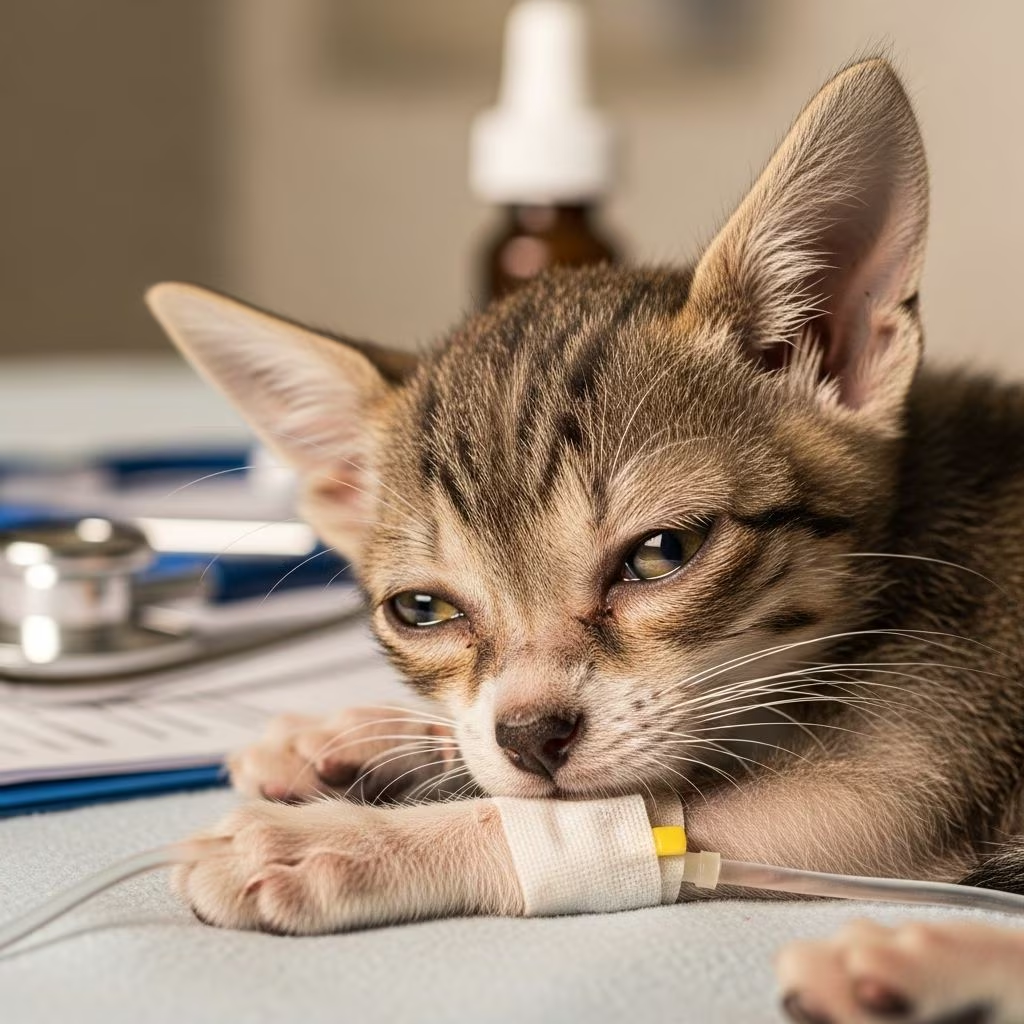
The liver stands as a cornerstone organ in small animals like dogs and cats, handling critical tasks such as detoxification, protein synthesis, and nutrient metabolism. When this vital organ suddenly shuts down, known as acute or fulminant hepatic failure, it triggers a cascade of life-threatening complications. This condition demands immediate veterinary attention, as survival hinges on swift diagnosis and aggressive supportive care.
Why the Liver Matters and When It Fails Abruptly
In dogs and cats, the liver processes toxins, produces clotting factors, and regulates blood sugar levels. Acute failure occurs without prior chronic disease, often within days, leading to multi-organ dysfunction. Unlike gradual decline, this rapid onset overwhelms the body’s reserves, causing symptoms from mild lethargy to coma.
Pet owners might first notice vague signs, but progression is fast. The liver’s regenerative capacity offers hope, yet only if intervention prevents irreversible damage.
Primary Triggers of Sudden Liver Collapse
Several factors precipitate this emergency. Toxins top the list, with substances like xylitol in sugar-free products causing massive hepatocyte death in dogs. Infectious agents, notably leptospirosis, provoke inflammatory storms that impair liver function alongside kidney damage.
- Toxins: Acetaminophen, rodenticides, and blue-green algae blooms deliver direct cellular toxicity.
- Infections: Leptospira bacteria and viruses like feline infectious peritonitis erode liver tissue.
- Nutritional Issues: In cats, prolonged fasting triggers hepatic lipidosis, where fat accumulates and starves hepatocytes of oxygen.
- Vascular Disruptions: Congenital portosystemic shunts (PSS) bypass the liver, leading to toxin buildup, especially in small breeds like Yorkshire terriers.
- Ischemia: Reduced blood flow from heatstroke or shock mimics failure patterns seen in lab models.
Breeds like Miniature Schnauzers and Maltese are prone to shunts, while Scottish Terriers face vacuolar hepatopathy risks.
Recognizing the Warning Signs Early
Symptoms start subtly but escalate quickly. Initial indicators include vomiting, diarrhea, and appetite loss. As failure advances, jaundice yellows gums and eyes, while abdominal swelling signals fluid buildup.
| Stage | Common Symptoms | Associated Risks |
|---|---|---|
| Early | Lethargy, weakness, poor eating | Hypoglycemia, especially in small breeds |
| Moderate | Vomiting, jaundice, bleeding tendencies | Coagulopathy from low clotting factors |
| Severe | Seizures, coma, neurological oddities | Hepatic encephalopathy (HE) from ammonia |
Hepatic encephalopathy confuses owners, mimicking drunkenness with ataxia, head pressing, and drooling. In cats, arginine deficiency from fasting worsens this. Hypoglycemia poses extra danger to puppies or toy breeds, aping neurological issues.
Diagnostic Strategies for Rapid Confirmation
Vets prioritize speed. Bloodwork reveals skyrocketing enzymes (ALT, AST over 1,000 U/L), bilirubin spikes, and low albumin. Coagulation tests show prolonged prothrombin times, a failure hallmark.
Ultrasound detects shunts (portal vein:aorta ratio <0.65), microhepatica, or clots. In leptospirosis suspects, PCR or serology guides therapy. Protein C levels below 70% flag PSS over hypoplasia.
- Bile acids: Elevated post-meal confirms dysfunction.
- Ammonia: High levels support HE diagnosis.
- Imaging: Rules out masses or portal hypertension signs like slow portal flow (<10 cm/s).
Biopsy risks bleeding in coagulopathic patients, so it’s selective.
Emergency Stabilization and Supportive Protocols
Treatment targets survival until regeneration kicks in. Hospitalization in ICU settings is standard, with 24/7 monitoring. IV fluids correct dehydration, electrolytes, and glucose crashes.
Antibiotics combat infections, while plasma transfusions supply clotting factors. N-acetylcysteine neutralizes toxins, SAMe and silymarin protect cells.
Addressing Hepatic Encephalopathy
HE demands specifics: lactulose traps ammonia in the gut, neomycin or metronidazole reduces producers. Enemas clear toxins fast. Protein-restricted diets prevent overload.
Nutritional Rescue
Anorexic cats need feeding tubes for high-calorie, low-fat formulas to reverse lipidosis. Dogs benefit from balanced support, avoiding copper excess.
Other Interventions
Abdominocentesis drains ascites for comfort. Antiemetics, antacids (famotidine), and sucralfate shield the GI tract. Ursodeoxycholic acid aids mild bilirubin cases.
Prognosis Factors and Long-Term Outlook
Survival odds improve with early care; toxin cases rebound well if detoxed promptly. Costs range $500-$2,500 initially, $1,000+/day for ICU. Regeneration shines – many pets normalize post-crisis.
Poor signs include coma, severe coagulopathy, or renal failure. PSS surgery boosts outcomes in shunts.
Preventive Steps for Pet Owners
Avoid toxins: secure human meds, chocolates, xylitol. Vaccinate against lepto. Feed cats regularly to dodge lipidosis. Monitor small breeds for shunt signs like stunted growth.
FAQs on Acute Liver Failure in Pets
What is the most common cause in dogs?
Toxins like xylitol or infections such as leptospirosis frequently trigger sudden failure.
Can cats recover from fatty liver linked to this?
Yes, with aggressive feeding and support, many reverse hepatic lipidosis.
How do I know if it’s HE versus other issues?
Neurological signs plus high ammonia and liver enzymes point to HE; hypoglycemia mimics it.
Is home treatment possible?
No – ICU-level care is essential for survival.
What breeds are at higher risk?
Small ones like Yorkies, Pugs for shunts; all young or toy breeds for hypoglycemia.
Recent Advances and Research Directions
Models in pigs and dogs refine therapies, testing ischemia or toxin doses for better interventions. Focus grows on renal-liver links, as hypovolemia worsens both.
References
- Acute Hepatic (Liver) Failure in Dogs and Cats — Embrace Pet Insurance. 2023. https://www.embracepetinsurance.com/health/hepatic-(liver)-failure-acute
- Liver Failure in Dogs — PetMD. 2024-02-15. https://www.petmd.com/dog/conditions/endocrine/liver-failure-dogs
- Diagnostic approach to liver disease — Vet Times. 2023-05-10. https://www.vettimes.com/news/vets/small-animal-vets/diagnostic-approach-to-liver-disease
- Preclinical models of acute liver failure: a comprehensive review — PMC (NCBI). 2021-12-01. https://pmc.ncbi.nlm.nih.gov/articles/PMC8667744/
- Acute liver disease and hepatoencephalopathy (Proceedings) — dvm360. 2022. https://www.dvm360.com/view/acute-liver-disease-and-hepatoencephalopathy-proceedings
- Hepatic Failure — Veterian Key. 2023-08-20. https://veteriankey.com/hepatic-failure-2/



