

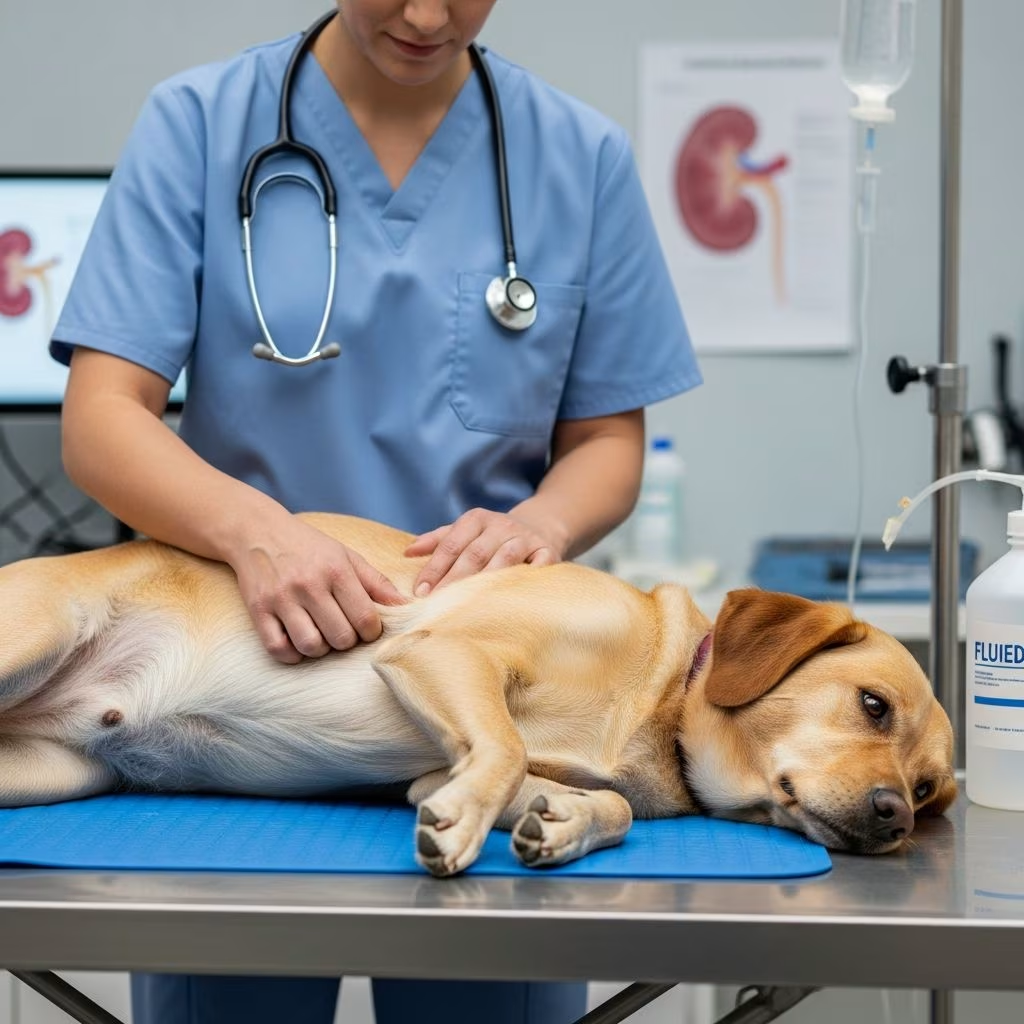
Understanding Acute Kidney Injury in Dogs
Acute kidney injury (AKI), also known as acute renal failure, is a sudden and rapid decline in kidney function that occurs over hours to days in dogs. This serious medical condition requires immediate veterinary attention and can be life-threatening if left untreated. Unlike chronic kidney disease, which develops gradually over months or years, acute kidney injury develops suddenly in a previously healthy dog or causes a rapid worsening of clinical signs in dogs with existing kidney problems.
The kidneys play a critical role in filtering waste products from the blood and regulating fluid balance, electrolytes, and blood pressure in your dog’s body. When kidney function suddenly declines, dangerous levels of toxins and waste accumulate in the bloodstream, leading to serious systemic complications. Understanding the signs, causes, and treatment options for acute kidney injury can help you recognize this emergency and get your dog the care needed to survive.
What Causes Acute Kidney Injury in Dogs?
Acute kidney injury in dogs can result from various underlying causes, which veterinarians categorize into three main groups: pre-renal (reduced blood flow to kidneys), intrinsic renal (direct kidney damage), and post-renal (obstruction of urine flow).
Common Causes Include:
- Toxin ingestion: Antifreeze (ethylene glycol), grapes, raisins, chocolate, xylitol-containing products, lilies (especially in cats), and certain medications
- Ischemia and inflammation: Shock, severe dehydration, heat stroke, or prolonged anesthesia that reduces blood flow to the kidneys
- Infections: Bacterial infections, leptospirosis, or other infectious diseases affecting kidney tissue
- Medications: NSAIDs, aminoglycosides, and other nephrotoxic drugs
- Urinary obstruction: Blockages preventing urine flow from the kidneys
- Severe trauma: Crush injuries or severe accidents causing muscle breakdown (rhabdomyolysis)
- Pancreatitis: Inflammation of the pancreas affecting kidney function
Clinical Signs of Acute Kidney Injury
The clinical signs of acute kidney injury develop rapidly, typically appearing within hours to a few days of the triggering event. These symptoms can range from mild to severe depending on the degree of kidney function loss.
Early Signs:
- Excessive thirst (polydipsia)
- Increased or decreased urination (polyuria or oliguria)
- Lethargy and depression
- Loss of appetite or significant decrease in food intake
Progressive Signs:
- Vomiting
- Pale mucous membranes or pale gums
- Breath with a chemical or ammonia-like odor
- Blood in the urine (hematuria)
- Mouth ulcers or sores
- Uncoordinated movement, stumbling, or drunken-like behavior
- Diarrhea
- Difficulty breathing
Severe Cases:
In severe acute kidney injury, dogs may develop anuria (complete cessation of urine production), severe dehydration, electrolyte imbalances, seizures, or loss of consciousness. These critical signs indicate the need for intensive emergency care and advanced therapies.
Diagnosis of Acute Kidney Injury
Prompt diagnosis is essential for successful treatment of acute kidney injury. Your veterinarian will perform a comprehensive evaluation including physical examination, blood work, urinalysis, and imaging studies.
Diagnostic Tests:
- Blood work (chemistry panel): Measures creatinine and blood urea nitrogen (BUN) levels, which indicate kidney function; also assesses electrolyte levels, blood glucose, and liver function
- Complete blood count (CBC): Evaluates red and white blood cells and platelets to assess overall health and identify infections or anemia
- Urinalysis: Examines urine for protein, blood, casts, and other abnormalities indicating kidney damage
- Urine culture: Identifies bacterial infections if present
- Blood pressure measurement: High blood pressure is common with kidney injury
- Ultrasound or radiographs: Imaging studies to visualize kidney size, structure, and detect obstruction or other abnormalities
- ECG: May be performed to monitor heart rhythm, as electrolyte imbalances can affect cardiac function
Treatment for Acute Kidney Injury
Treatment of acute kidney injury focuses on supportive care, addressing any underlying cause, and stabilizing your dog while allowing kidney function to recover. Most dogs with acute kidney injury require hospitalization and intensive monitoring.
Primary Treatment Approaches:
Intravenous Fluid Therapy
Intravenous fluids represent the cornerstone of acute kidney injury treatment. IV fluids restore hydration, flush toxins and waste products through the kidneys, and restore normal blood pressure. Your veterinary team will carefully monitor urine production throughout fluid therapy, as increased urine output typically indicates improvement in kidney function. The type and rate of fluid administration will be adjusted based on your dog’s response and laboratory values.
Medications
Depending on the underlying cause and clinical status, your veterinarian may prescribe:
- Antibiotics: If bacterial infection is suspected or confirmed
- Anti-nausea medications: To control vomiting and improve appetite
- Gastrointestinal protectants: To prevent or treat stomach and intestinal ulcers, common complications of kidney injury
- Pain relievers: To manage discomfort
- Blood pressure medications: To manage hypertension
- Electrolyte supplements: As needed to correct imbalances
Nutritional Support
Because kidney failure depletes the body’s resources and affected dogs often refuse to eat, a temporary feeding tube may be recommended. This ensures your dog receives adequate calories and nutrients to support recovery. Once appetite returns, the feeding tube can be removed and normal feeding resumed.
Monitoring and Supportive Care
During hospitalization, veterinary staff will closely monitor your dog’s heart rate, blood pressure, body temperature, and overall condition. Blood work will be performed regularly to track kidney function, electrolyte levels, and other important parameters. Medications and fluid rates will be adjusted based on these results to optimize recovery.
Advanced Treatment: Dialysis
Not all dogs respond adequately to IV fluid therapy alone. In cases of severe acute kidney injury, advanced therapies become necessary to keep your dog stable while the kidneys recover. These advanced interventions are typically available at specialty veterinary centers and emergency hospitals.
When Dialysis is Considered:
- Severely elevated kidney values in a critically ill patient when no underlying cause can be identified
- Life-threatening electrolyte abnormalities, particularly dangerously high potassium levels
- Fluid accumulation in the lungs (pulmonary edema)
- Complete lack of urine production (anuria)
- Failure to show improvement in laboratory values despite adequate IV fluid therapy
Types of Dialysis:
Hemodialysis involves filtering blood directly through an external machine to remove waste products and excess fluid. This may be performed as continuous renal replacement therapy (CRRT) or intermittent hemodialysis (IHD). Hemodialysis is highly effective but requires specialized equipment and trained personnel.
Peritoneal dialysis uses the dog’s own peritoneal membrane (lining of the abdominal cavity) as a filter. Sterile fluid is instilled directly into the abdomen through a catheter, where it absorbs waste products and excess electrolytes before being drained and replaced. This procedure can be performed at many emergency veterinary hospitals and may be continued at home with proper training.
Prognosis and Recovery
The prognosis for acute kidney injury depends on several factors, including the severity of the injury, the underlying cause, the dog’s age and overall health status, and how quickly treatment is initiated. Dogs that receive prompt, aggressive treatment have significantly better survival rates than those with delayed treatment.
Factors that may negatively impact prognosis include advanced age, severe dehydration, anuria (no urine production), anemia, electrolyte abnormalities, metabolic acidosis, and involvement of other organ systems. However, many dogs with acute kidney injury can recover completely if the kidneys were not permanently damaged and the underlying cause is successfully treated.
Prevention of Acute Kidney Injury
While not all cases of acute kidney injury can be prevented, you can take steps to reduce your dog’s risk:
- Keep antifreeze, grapes, raisins, chocolate, and other toxins away from your dog
- Ensure your dog has constant access to fresh, clean water
- Prevent heat stress and dehydration during hot weather
- Use NSAIDs only under veterinary supervision, at the lowest effective dose, for the shortest duration necessary
- Keep your dog current on vaccinations to prevent infectious diseases like leptospirosis
- Monitor your dog closely after anesthesia or surgical procedures
- Seek immediate veterinary care for trauma, shock, or other acute illnesses
Frequently Asked Questions
Q: Is acute kidney injury the same as chronic kidney disease?
A: No. Acute kidney injury develops suddenly over hours to days, while chronic kidney disease develops gradually over months to years. However, dogs with chronic kidney disease can develop acute kidney injury on top of their existing condition.
Q: Can acute kidney injury be cured?
A: If the underlying cause is identified and treated promptly, and if kidney damage is not permanent, many dogs can recover completely from acute kidney injury. However, recovery depends on the severity of the injury and how quickly treatment is initiated.
Q: How long does treatment typically last?
A: Hospitalization for acute kidney injury may last several days to weeks, depending on the severity and response to treatment. Some dogs may require outpatient follow-up care and monitoring after discharge.
Q: What is the survival rate for dogs with acute kidney injury?
A: With prompt, aggressive treatment, many dogs survive acute kidney injury. However, survival rates vary depending on the underlying cause, severity of injury, and individual factors. Dogs treated with advanced therapies like dialysis may have higher survival rates.
Q: Will my dog need ongoing medication after recovery from acute kidney injury?
A: This depends on whether the kidneys have fully recovered and whether there was any permanent damage. Your veterinarian will discuss long-term monitoring and any necessary medications during recovery and follow-up appointments.
Q: How can I prevent acute kidney injury in my dog?
A: Prevent toxin exposure, maintain proper hydration, avoid unnecessary NSAID use, keep vaccinations current, and seek prompt veterinary care for acute illnesses or injuries.
References
- Acute Kidney Injury in Dogs: Clinical and Clinicopathologic Features — National Center for Biotechnology Information (NCBI). 2023. https://pmc.ncbi.nlm.nih.gov/articles/PMC8965273/
- Acute Kidney Injury in Dogs and Cats — VetSpecialists. 2020. https://www.vetspecialists.com/vet-blog-landing/animal-health-articles/2020/04/07/acute-kidney-injury-in-dogs-and-cats
- Acute Kidney Failure in Dogs: Signs and Treatment — BluePearl Pet Hospital. 2024. https://bluepearlvet.com/medical-articles-for-pet-owners/acute-kidney-failure-in-dogs/
- Acute Kidney Failure in Dogs — Greeley Vets. 2024. https://www.greeleypetvet.com/site/blog/2024/06/15/acute-kidney-failure-dogs
- Managing Acute Renal Failure in Dogs — DVM360. 2024. https://www.dvm360.com/view/your-guide-managing-acute-renal-failure



