

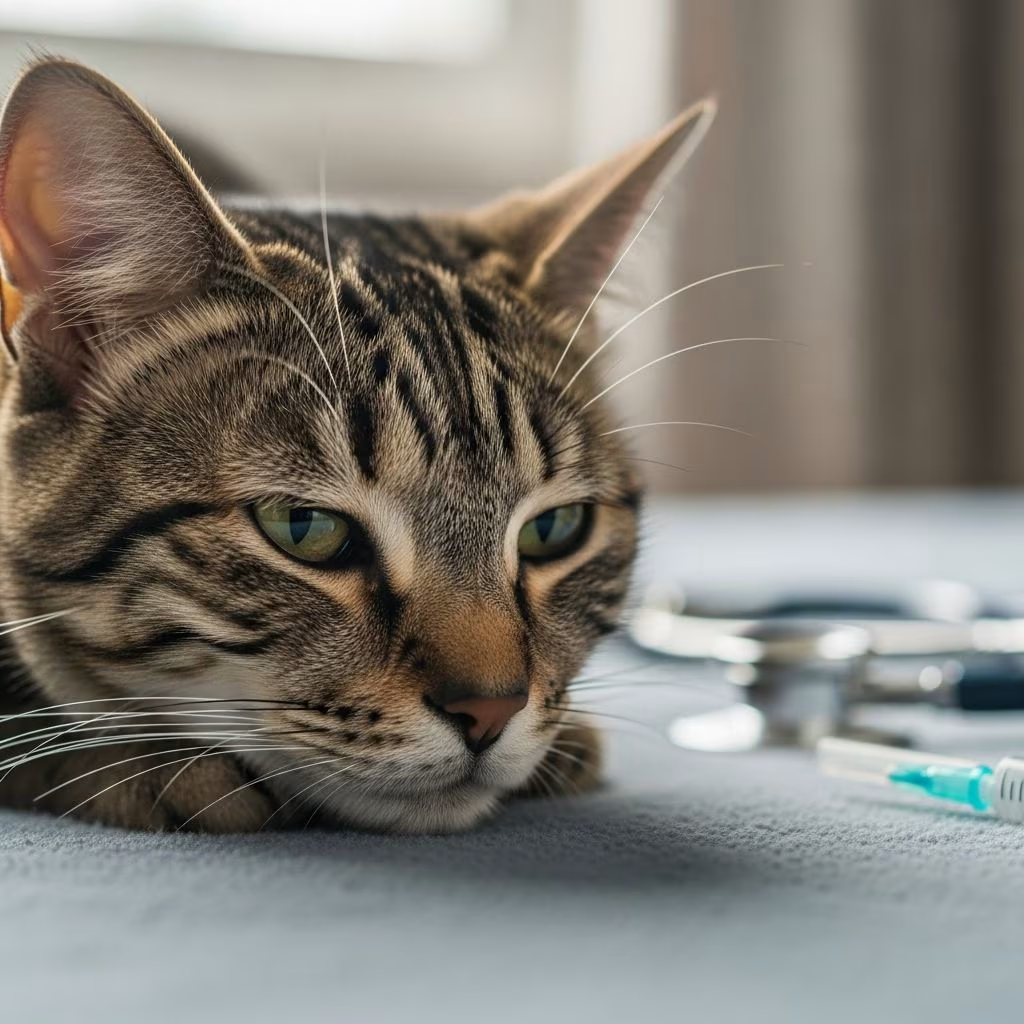
Understanding Acute Kidney Failure in Cats
Acute kidney failure, medically termed acute kidney injury (AKI), represents a sudden and dramatic decline in kidney function that can develop within hours or days. Unlike chronic kidney disease which develops gradually over months or years, acute kidney failure in cats is a medical emergency requiring immediate veterinary intervention. The kidneys are vital organs responsible for filtering waste products from the blood and producing urine, maintaining electrolyte balance, regulating blood pressure, and producing hormones that stimulate red blood cell production. When kidney function suddenly deteriorates, these critical processes are disrupted, leading to the rapid accumulation of toxic waste products in the bloodstream.
Prompt recognition of acute kidney injury is essential to maximize the chance of a favorable outcome. The condition can progress rapidly, and delayed treatment significantly reduces the likelihood of recovery. Understanding the signs, causes, and available treatment options empowers cat owners to seek emergency care when needed and work effectively with their veterinary team to support their pet’s recovery.
Causes of Acute Kidney Failure in Cats
Acute kidney injury in cats can result from various underlying causes, which are often categorized into pre-renal, intrinsic renal, and post-renal categories. Pre-renal causes involve decreased blood flow to the kidneys and include severe dehydration, shock, or cardiac failure. Intrinsic renal causes involve direct damage to kidney tissue and may include toxic exposures, infections, or ischemic injury. Post-renal causes involve obstruction of urine flow and include urinary blockages or ruptured bladders.
Common toxic exposures that precipitate acute kidney failure include ethylene glycol (found in antifreeze), medications such as certain antibiotics or nonsteroidal anti-inflammatory drugs (NSAIDs), and household chemicals. Infections such as pyelonephritis (kidney infection) or sepsis can also trigger acute kidney injury. Trauma, severe dehydration from vomiting or diarrhea, and urinary tract obstructions represent other significant risk factors. Certain medications and environmental toxins may cause direct nephrotoxic effects, making prevention and awareness of household hazards crucial for cat owners.
Clinical Signs and Symptoms
The clinical presentation of acute kidney failure in cats can vary depending on the severity and progression of the disease. However, certain symptoms should alert owners to seek immediate veterinary care.
Early Signs
In the early stages of acute kidney failure, cats may exhibit sudden onset of decreased appetite or complete anorexia, lethargy or listlessness, and increased thirst or polyuria. These initial signs may be subtle and develop over a short period. Vomiting, sometimes tinged with blood, frequently occurs due to uremia—the accumulation of toxic waste products in the bloodstream.
Severe Symptoms
As the condition progresses, cats may develop more alarming symptoms indicating an emergency situation. These include repeated vomiting, extreme fatigue, and a wobbly or unsteady gait. In severe cases, seizures or sudden blindness may occur due to significant toxin buildup in the bloodstream and associated metabolic disturbances. Cats with severe kidney failure may develop notably bad breath with an ammonia-like odor, reflecting the accumulation of nitrogenous wastes. Some cats may cry constantly due to significant pain caused by kidney swelling, while others may collapse entirely.
Diagnostic Approach
Accurate diagnosis of acute kidney failure requires a comprehensive diagnostic approach utilizing multiple testing modalities. Veterinarians will perform thorough physical examinations and recommend specific diagnostic tests based on clinical presentation.
Laboratory Testing
Blood tests are fundamental in diagnosing acute kidney failure. Serum creatinine and blood urea nitrogen (BUN) levels are elevated in AKI, reflecting decreased glomerular filtration rate and accumulation of nitrogenous waste products. Blood tests also evaluate electrolyte levels, particularly potassium, which frequently becomes elevated in acute kidney injury. Phosphorus and calcium levels are assessed, as mineral imbalances are common complications. Complete blood cell counts may reveal anemia, which often develops secondary to kidney disease due to decreased erythropoietin production.
Urinalysis provides critical information about kidney function and urine concentration ability. In acute kidney failure, urine specific gravity is typically inappropriately dilute despite systemic dehydration. Urine may contain protein, blood cells, or casts, indicating tubular damage. Acid-base status evaluation determines the degree of metabolic acidosis, which frequently accompanies acute kidney injury.
Imaging Studies
X-rays and ultrasound imaging are valuable diagnostic tools for evaluating kidney structure and identifying potential causes of acute kidney failure. Abdominal ultrasound can reveal kidney size, echogenicity changes, and structural abnormalities. Imaging may identify urinary tract obstructions, fluid accumulation in the abdomen, or other complications. In cases of suspected toxin ingestion, imaging helps exclude alternative diagnoses.
Additional Diagnostics
Tissue biopsy may be performed in selected cases to obtain a definitive diagnosis of the underlying kidney pathology, though this is typically reserved for cases where the diagnosis remains unclear after initial testing. Blood pressure measurement is essential, as hypertension commonly develops secondary to acute kidney injury and requires treatment.
Treatment Approaches for Acute Kidney Failure
Treatment of acute kidney failure in cats is multifaceted and tailored to the underlying cause and severity of the condition. The primary goals of treatment include stabilizing the patient, addressing the underlying cause, correcting metabolic abnormalities, managing clinical signs, and supporting recovery of renal function.
Intravenous Fluid Therapy
Intravenous fluid therapy represents the cornerstone of treatment for acute kidney injury. This staple of kidney disease management keeps cats hydrated and helps the kidneys flush toxins and waste products from the blood. IV fluid therapy also aids in preventing constipation, which commonly develops secondary to kidney disease-related dehydration. Most commonly, replacement solutions such as PlasmaLyte A, lactated Ringer’s solution, or Normosol-R are chosen during initial management. Normal saline 0.9% may be considered in cats with severe hyperkalemia, though caution must be exercised as this solution can acidify the blood in patients that are frequently acidemic. As most cats with acute kidney injury present with some degree of dehydration, correcting this is crucial to ensure adequate renal blood flow and optimize kidney perfusion.
Initial fluid therapy often involves crystalloid fluid boluses to rapidly restore circulating volume. The rate and composition of fluid administration are carefully adjusted based on serial monitoring of electrolytes, acid-base status, and urine output. Careful monitoring is essential to ensure appropriate fluid use, as volume overload can develop if excessive fluids are administered.
Electrolyte and Acid-Base Management
Electrolyte and acid-base abnormalities are common in patients with acute kidney injury and must be addressed. Hyperkalemia (elevated potassium) is particularly concerning as it can precipitate dangerous cardiac arrhythmias. Treatment of severe hyperkalemia may include administration of medications such as calcium gluconate (which stabilizes cardiac myocytes), glucose with insulin, beta-agonists, or potassium-binding resins. In refractory cases, dialysis may be necessary. Correcting potassium decreases or excesses, as well as maintaining appropriate calcium and phosphorus balance, are critical components of management.
Metabolic acidosis frequently accompanies acute kidney injury and is typically addressed through intravenous fluid therapy with appropriate electrolyte composition. More directed treatments may be necessary in cases of severe acid-base derangements.
Blood Pressure Management
Blood pressure should be evaluated in acute kidney injury patients at presentation and throughout their hospitalization. Hypertension is common and requires treatment. Amlodipine, a dihydropyridine calcium channel blocker, is considered the first-line treatment for hypertension in cats. However, caution must be exercised when decreasing blood pressure to avoid inducing hypotension, which could compromise renal perfusion. Angiotensin-converting enzyme inhibitors such as enalapril or benazepril are not recommended in critically ill acute kidney injury patients due to their negative effect on glomerular filtration rate; these agents should be reserved for stable patients after recovery from acute kidney injury.
Management of Gastrointestinal Complications
Vomiting and anorexia are common complications associated with uremia in acute kidney failure and are frequently the reason for presentation. The causes of these complications are multifactorial. Uremic toxins stimulate peripheral and central receptors that trigger nausea, which can be treated by various antiemetic medications including metoclopramide, dolasetron, ondansetron, and maropitant. The kidneys are important for elimination of gastrin, a stimulator of gastric acid secretion; hypergastrinemia can cause gastric inflammation, and ulceration is common in acute kidney injury patients.
Antacids such as omeprazole or famotidine are administered to patients with uremia and gastrointestinal ulceration or hemorrhage. Prokinetics such as metoclopramide may be administered to patients with regurgitation or ileus. Pain relief should be provided to painful patients, using agents other than NSAIDs due to their detrimental effects on the kidneys.
Supportive Medications and Supplements
Specialized supplements or medications for anemic pets support red blood cell production. Appetite stimulants such as mirtazapine may help encourage eating. Antibiotics are administered when appropriate, such as in cases of pyelonephritis or sepsis. Additional supportive care may include warming devices for hypothermic patients and analgesia administration.
Hospitalization and Home Care
Hospitalization is common for acute kidney failure, particularly in the initial phases of treatment. During hospitalization, cats receive intensive monitoring and management of fluid balance, electrolytes, and urine output. Veterinarians closely track vital signs and laboratory parameters to adjust treatment as needed.
Urine production must be closely monitored in patients with acute kidney injury. If there is concern about low urine output, a urinary catheter should be placed to quantify production. Identification of oliguria (significantly reduced urine output) or anuria (absent urine output) in the face of adequate hydration is an emergency situation and carries a guarded prognosis. If medical treatments are not successful in stimulating urine production, renal replacement therapy becomes necessary.
Even in chronic kidney failure, some pets benefit from initial IV fluids and hospital care as a jump start to their ongoing home therapies. Once the acute crisis is managed and the cat is stable, treatment may transition to home-based supportive care including subcutaneous fluid administration, dietary management, and oral medications.
Renal Replacement Therapy
Renal replacement therapy (RRT) is indicated for cats with acute kidney injury that are oliguric or anuric despite appropriate medical therapy, those with refractory hyperkalemia or acid-base disturbances, patients experiencing volume overload, or for removal of certain dialyzable toxins such as ethylene glycol. These therapies essentially allow stabilization of the patient while awaiting renal recovery or, in the case of toxin removal, may prevent development of disease by removal of harmful substances.
Renal replacement therapy is available at only a limited number of referral institutions but represents the best option when certain complications of acute kidney injury develop. It can take the form of peritoneal dialysis, intermittent hemodialysis, or continuous renal replacement therapy. The prognosis for cats receiving renal replacement therapy is considerably better than for those managed with medical therapy alone, with reported survival rates for cats receiving RRT of 44-60%. However, it is important to recognize that the cats receiving dialysis would likely die without that therapy. Despite appropriate therapy, residual kidney disease or incomplete recovery is common and affects about 50% of patients that survive an acute kidney injury event.
Prognosis and Recovery
The prognosis for cats with acute kidney injury is guarded and depends on multiple factors including the exact underlying cause, the severity of azotemia (elevated nitrogen waste levels), the presence of oliguria or anuria, and the responsiveness to initial treatment. Cats with oliguria or anuria have a significantly worse prognosis than those with normal or increased urine production. The cause of acute kidney failure also influences outcomes, with some causes (such as toxin ingestion) potentially having better outcomes if identified and treated promptly compared to others.
With proper treatment and supportive care, many cats can recover renal function or at least stabilize at a level compatible with quality of life. However, some cats may develop residual chronic kidney disease following recovery from the acute event, requiring ongoing management and dietary modifications.
Prevention and Emergency Response
Prevention Strategies
Preventing acute kidney failure involves eliminating exposure to known nephrotoxins, ensuring cats have access to fresh water at all times, maintaining appropriate body weight and overall health, and regular veterinary check-ups. Particular attention should be paid to preventing access to antifreeze, certain medications, and other toxic substances. Maintaining urinary tract health and promptly treating urinary infections can help prevent infection-related acute kidney injury.
Emergency Response
If acute kidney failure is suspected, move your cat to a quiet area away from other pets and loud noises, as stress can worsen symptoms. Keep them comfortable on a soft surface and limit handling to necessary care only. If your cat is conscious and able to swallow, you may offer small amounts of water, but never force fluids as this could cause choking. Contact your veterinarian immediately for instructions on feeding or giving fluids to your cat with suspected kidney failure. Emergency veterinary care should be sought without delay.
Frequently Asked Questions
Q: How quickly does acute kidney failure develop in cats?
A: Acute kidney failure can develop within hours to days, representing a sudden decline in kidney function. This rapid progression distinguishes it from chronic kidney disease, which develops gradually over months or years.
Q: What is the difference between acute and chronic kidney failure in cats?
A: Acute kidney failure develops suddenly and may be reversible with prompt treatment. Chronic kidney disease develops gradually over time and is typically irreversible, though it can be managed to maintain quality of life.
Q: Can cats recover from acute kidney failure?
A: Yes, many cats can recover renal function with prompt and appropriate treatment. However, some may develop residual chronic kidney disease following the acute event, affecting about 50% of survivors.
Q: What is the role of IV fluids in treating acute kidney failure?
A: Intravenous fluid therapy is the cornerstone of treatment for acute kidney injury. It restores hydration, maintains renal blood flow, helps flush toxins from the blood, and corrects electrolyte and acid-base abnormalities.
Q: Is dialysis an option for cats with acute kidney failure?
A: Yes, dialysis (renal replacement therapy) is available at specialized referral institutions and is indicated for cats that are oliguric or anuric despite medical therapy or have other severe complications. It can significantly improve outcomes in selected cases.
Q: What should I do if I suspect my cat has acute kidney failure?
A: Seek emergency veterinary care immediately. Place your cat in a quiet, comfortable area away from stress. Avoid forcing fluids or food. Provide your veterinarian with information about any possible toxin exposure or recent illness. Time is critical in acute kidney failure treatment.
References
- Feline acute kidney injury: 2. Approach to diagnosis, treatment and management — National Center for Biotechnology Information (NCBI). 2024. https://www.ncbi.nlm.nih.gov/pmc/articles/PMC11112173/
- Kidney Failure in Cats: Symptoms, Treatment & More — Bond Vet. 2024. https://bondvet.com/blog/kidney-failure-in-cats
- A Renal Emergency! Acute Kidney Injury in Cats and Dogs — Veterinary Internal Medicine Nursing. 2024. https://www.veterinaryinternalmedicinenursing.com/blog/acute-kidney-injury
- Kidney Failure in Cats: Symptoms, Stages and Causes — PetMD. 2024. https://www.petmd.com/cat/conditions/urinary/kidney-failure-in-cats
- Renal Failure in Cats: Urgent Signs and What to Do Immediately — Grayson Valley Small Animal Surgery (GSVS). 2024. https://gsvs.org/blog/renal-failure-cats-emergency/
- Cat Kidney (Renal) Failure Symptoms and Causes — WebMD Pets. 2024. https://www.webmd.com/pets/cats/kidney-failure-uremia-symptoms-cats
- Acute Kidney Failure in Cats — Joii Pet Care. 2024. https://www.joiipetcare.com/blogs/health-conditions/acute-kidney-failure-in-cats



