

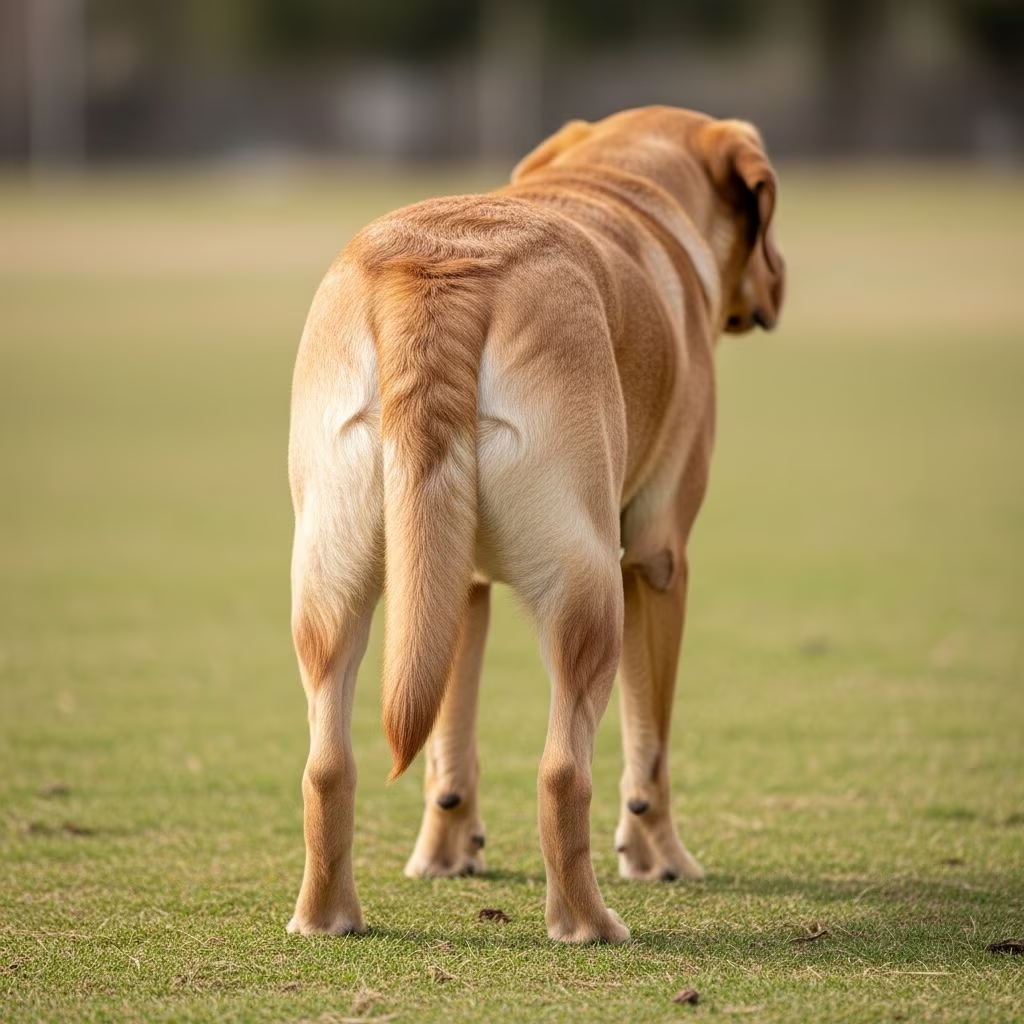
Acute Caudal Myopathy: Understanding Limber Tail in Dogs
Limber tail, medically known as acute caudal myopathy, is a condition that affects a dog’s ability to move their tail normally. This condition has several colloquial names including swimmer’s tail, cold tail, limp tail, sprained tail, and rudder tail—many of which describe the characteristic appearance of the affected tail. The condition is characterized by a sudden onset of tail limpness or dysfunction, often described by pet owners as their dog “losing their wag.” While this condition can be concerning for dog owners, the good news is that most dogs recover fully with appropriate rest and medical care.
Limber tail is particularly common in large-breed, young adult, athletic, hunting, and working dogs, such as Labrador Retrievers and Pointers. Although the condition can be painful during the acute phase, it typically does not result in long-term complications for most affected dogs. Understanding the causes, recognizing the clinical signs, and knowing appropriate treatment options are essential for any dog owner whose pet may develop this condition.
What Causes Limber Tail?
Acute caudal myopathy is thought to result from overexertion and sudden muscle injury to the tail. The tail contains muscles situated within a tight, inflexible layer of tissue called fascia. When these muscles become overworked, they may become inflamed and swollen. In this confined anatomical space, swelling can create pressure that restricts blood flow to the affected area—a process similar to localized compartment syndrome. This mechanism explains why even mild overexertion can lead to significant pain and dysfunction.
Several factors can increase the risk of developing limber tail, particularly at the beginning of hunting or training seasons or in early spring when dogs may not be adequately conditioned. Swimming places additional strain on the tail because dogs use their tails as rudders to steer and maintain balance in the water. Cold water may exacerbate the condition, making spring and fall swimming particularly risky. Additionally, a genetic predisposition is suspected in some breeds, such as Labrador Retrievers.
Common Triggers of Limber Tail
Several specific situations can precipitate the development of acute caudal myopathy:
– Prolonged swimming, especially in cold water- Intense exercise or excessive tail wagging- Long periods of confinement in a crate or transport vehicle- Exposure to cold, wet, or windy weather- Sudden increase in activity without proper prior conditioning
Dogs may not show symptoms immediately after the triggering event. Many pet owners notice that their dog acts fine during and immediately after activity but wakes up in pain the next day—much like muscle soreness experienced by humans after intense exercise. This delayed onset can make it challenging to connect the symptoms to the specific activity that caused the injury.
Recognizing Clinical Signs of Limber Tail
Clinical signs of acute caudal myopathy typically develop within a few hours to a day after the triggering event. Pet owners should be alert to the following symptoms:
– A suddenly limp tail that hangs straight down- A stiff tail base with a flaccid tip- Pain when the tail is touched or moved- Reluctance or inability to wag the tail- Restlessness, vocalizing, or difficulty sitting, lying down, or rising- Chewing or licking at the tail- Slightly raised hair at the base of the tail
Beyond these tail-specific signs, affected dogs may exhibit behavioral changes due to discomfort. Dogs use their tails for balance, so difficulty rising or finding a comfortable sitting position is common. The pain can be substantial enough that affected dogs may lose their appetite and appear lethargic. Some dogs may even have difficulty defecating due to pain associated with tail movement and positioning.
Diagnosing Acute Caudal Myopathy
While a tentative diagnosis can be made based on the patient’s recent activity history and clinical presentation, a thorough physical examination by a veterinarian is essential to confirm the diagnosis and rule out other conditions. During the examination, your veterinarian will carefully palpate the tail starting at the base near the pelvis and proceeding down its entire length to locate areas of discomfort and assess for other abnormalities.
Your veterinarian may need to rule out other medical conditions that can produce similar symptoms, including tail fractures, lower back pain from intervertebral disk disease or osteoarthritis, infection or inflammation of the anal glands, and prostate disease. In some cases, radiographs may be recommended to exclude structural problems such as fractures or bone disease.
Treatment Options for Limber Tail
Treatment for acute caudal myopathy focuses on reducing inflammation, managing pain, and allowing the muscles adequate time to heal. The standard treatment approach includes several components:
Rest and Activity Restriction
The foundation of treatment is rest and restricted activity for several days. Reducing movement helps the strained muscles recover more quickly and prevents exacerbation of the injury. This can be challenging with active dogs that naturally want to engage in normal activities, so pet owners must exercise patience and consistency during the recovery period.
Pain Management Medications
Non-steroidal anti-inflammatory drugs (NSAIDs) prescribed by your veterinarian are a cornerstone of treatment, helping to reduce inflammation and manage pain. Common NSAIDs used for dogs include carprofen and other similar medications. For more severe cases, your veterinarian may prescribe additional medications such as muscle relaxers to further support recovery. In some cases, veterinarians may prescribe gabapentin, which is increasingly used for limber tail because it often has fewer side effects than NSAIDs and can help calm energetic dogs that struggle to rest.
Thermal Therapy
Warm compresses applied to the tail for 10–15 minutes at a time, if tolerated by your dog, can help soothe sore muscles and reduce discomfort. Some veterinarians may also recommend ice packs in certain cases, so it is important to follow your veterinarian’s specific recommendations regarding thermal therapy.
Medication Safety
It is critical that pet owners only use medications prescribed by their veterinarian. Over-the-counter pain relievers from your home medicine cabinet are not safe for dogs and should never be administered without explicit veterinary guidance.
Prognosis and Recovery Timeline
The prognosis for acute caudal myopathy is excellent. Most dogs recover fully within a few days to two weeks, depending on the severity of the injury and their compliance with rest recommendations. While the recovery period can be frustrating for active dogs and their owners, the condition is typically self-limiting and does not result in permanent disability for the vast majority of affected dogs.
A small percentage of dogs may experience a mild, long-term change in how they hold their tail after recovery, though this is typically cosmetic in nature and not associated with pain or dysfunction. For most dogs, once they have recovered, they can return to their normal activities without restriction.
Preventing Acute Caudal Myopathy
Prevention strategies can significantly reduce the risk of your dog developing limber tail. These evidence-based approaches are particularly important for dogs at higher risk, such as hunting dogs, working breeds, and athletic dogs:
Gradual Conditioning
Conditioning your dog gradually before intense exercise is one of the most effective prevention strategies. Rather than allowing your dog to jump into activities “full bore,” introduce exercise slowly and progressively. For hunting dogs, start preparing them well before the season begins, or maintain conditioning throughout the year. Do not expect your dog to transition from a sedentary “couch potato” lifestyle to intensive field activities in a single day.
Swimming Safety
Limit long swimming sessions, particularly in cold water. While swimming is excellent exercise, prolonged sessions—especially in cold water during spring and fall—increase the risk of limber tail due to the stress on tail muscles used for rudder-like steering and balance in the water.
Crate and Travel Management
Ensure that crate sizes are appropriate for your dog’s comfort, and allow breaks every few hours during long travel. Extended confinement can contribute to tail strain and muscle fatigue.
Weather Considerations
Avoid strenuous activity in cold, wet, and windy weather. These environmental conditions appear to increase the risk of developing limber tail, possibly through a combination of muscle tension and exposure effects.
Recovery and Rest
Provide adequate rest and recovery time after heavy exercise. Just as human athletes require recovery days, dogs need time for their muscles to repair and strengthen between intense activities. Overtraining without sufficient recovery increases injury risk across all muscle groups, including the tail.
Frequently Asked Questions About Limber Tail
Q: Can limber tail happen to any breed of dog?
A: Although limber tail can occur in any breed, it is most common in large-breed, young adult, athletic, hunting, and working dogs such as Labrador Retrievers, Pointers, Setters, and Hounds. A genetic predisposition is suspected in some breeds.
Q: Is limber tail painful?
A: Yes, limber tail can be quite painful, especially in the acute phase. The pain can be substantial enough to cause affected dogs to lose their appetite, act lethargically, and have difficulty with normal activities like sitting or defecating.
Q: How quickly do symptoms appear after an activity?
A: Clinical signs typically develop within a few hours to a day after the triggering event. Many dogs appear fine immediately after the activity but wake up with symptoms the next morning, similar to delayed-onset muscle soreness in humans.
Q: How long does recovery take?
A: Most dogs recover fully within a few days to two weeks with appropriate rest and anti-inflammatory medication. Recovery time depends on the severity of the injury and the dog’s compliance with activity restriction.
Q: Will my dog’s tail be permanently affected?
A: The vast majority of dogs make complete recoveries with no permanent effects. A small percentage may have a mild, long-term cosmetic change in tail position, but this is typically not painful or functionally limiting.
Q: Can limber tail recur?
A: Recurrence is possible, especially if the same triggers are encountered again. However, proper conditioning, gradual introduction of activities, and awareness of risk factors can minimize the likelihood of recurrence.
Q: What should I do if my dog shows signs of limber tail?
A: Contact your veterinarian for a proper diagnosis and treatment plan. Do not administer any over-the-counter medications. Your veterinarian will likely recommend rest, anti-inflammatory medication, and possibly thermal therapy or other supportive care.
Q: Does my dog need to stop doing activities they love after recovering from limber tail?
A: No. Once your dog has recovered, they can typically return to their favorite activities without restriction. The condition does not permanently limit dogs from doing the activities that bring them joy and enrichment.
References
- Limber Tail in Dogs (Acute Caudal Myopathy) — Cornell University College of Veterinary Medicine, Riney Canine Health Center. 2025. https://www.vet.cornell.edu/departments-centers-and-institutes/riney-canine-health-center/canine-health-information/Limber-tail-in-dogs
- Acute Caudal Myopathy: Limber Tail — Northern Veterinary Clinic. 2025. https://northernveterinaryclinic.com/acute-caudal-myopathy-limber-tail/
- Acute Caudal Myopathy (Limber Tail) — Clarksville Animal Hospital. 2025. https://www.clarksvilleanimalhospital.com/acute-caudal-myopathy-limber-tail
- What is Limber Tail in Dogs? — American Animal Hospital Association (AAHA). 2025. https://www.aaha.org/resources/limber-tail-in-dogs/
- What is Limber Tail? — Sahara Pines Animal Hospital. 2025. https://saharapinesah.com/blog/limber-tail/
- Limber Tail Syndrome: What is Limp Tail in Dogs? — Toe Grips. 2025. https://toegrips.com/limber-tail-syndrome/



