

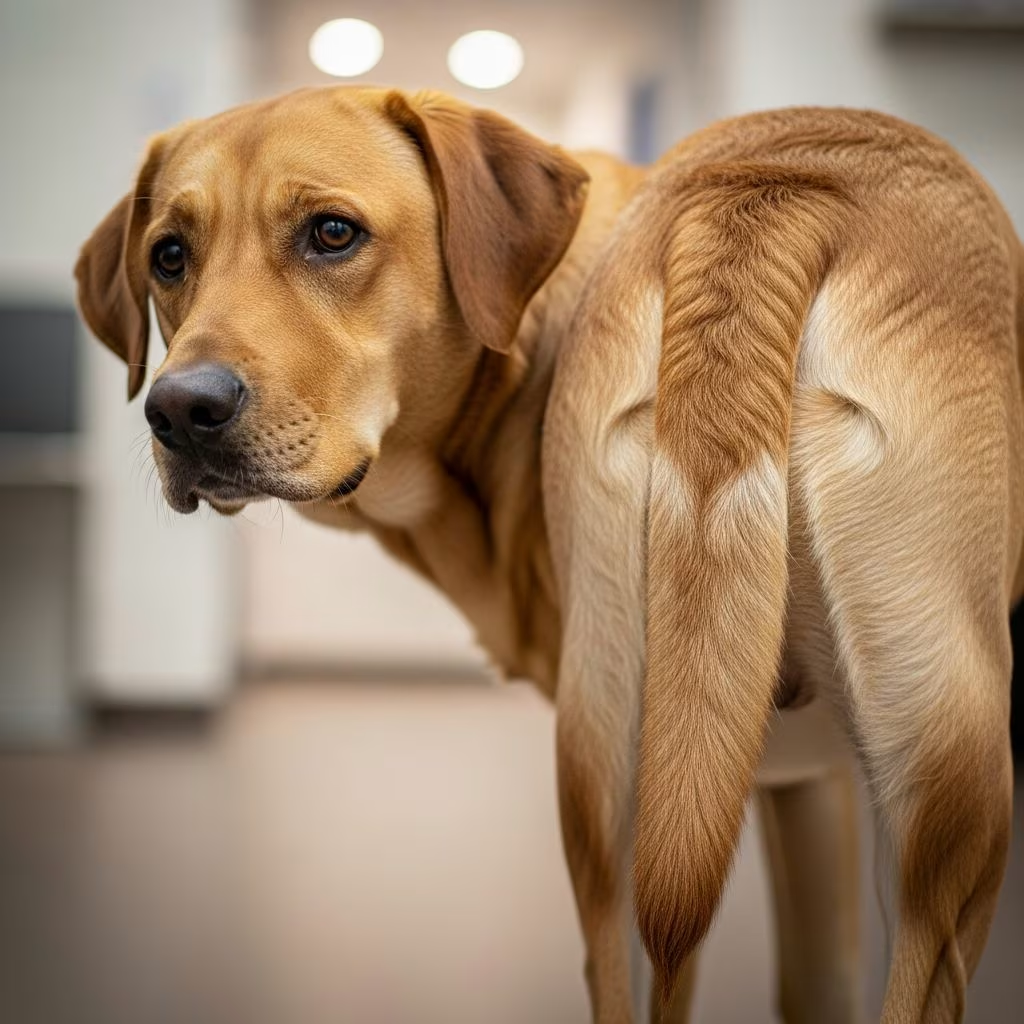
What Is Acute Caudal Myopathy (Limber Tail)?
Acute caudal myopathy, commonly known as limber tail, is a temporary condition affecting the muscles of a dog’s tail. This disorder is characterized by a sudden onset of pain and weakness in the tail, causing it to hang limply or become immobile. The condition is also referred to by several other names, including swimmer’s tail, cold water tail, dead tail, limp tail, rudder tail, broken wag, flaccid tail syndrome, and sprained tail.
Who Is at Risk?
Limber tail is most commonly seen in working dogs and active hunting breeds, such as Labrador Retrievers, English Pointers, English Setters, Foxhounds, and Beagles. However, any breed can be affected, especially if they engage in intense physical activity or are exposed to cold water or cold weather. Large breed dogs are more susceptible, but smaller breeds can also develop this condition.
Causes of Limber Tail
Acute caudal myopathy typically results from overuse of the tail, leading to a strain or sprain of the muscle groups used for tail wagging. Common scenarios that can trigger limber tail include:
- Vigorous play within the previous 24 hours
- Prolonged swimming, especially in cold water
- Active hunting within the past few days
- Extended crate confinement
- Exposure to very cold weather
Dogs may appear fine immediately after the activity but will wake up in pain the next day. The key risk factors are overexertion and exposure to cold conditions.
Symptoms of Limber Tail
The symptoms of limber tail can vary but generally include:
- Tail is painful to touch
- Tail is completely or partially limp
- Inability to wag the tail
- Whining or whimpering
- Licking or chewing at the tail
- Lethargy
- Difficulty rising or sitting comfortably
- Restlessness and inability to settle
- Reluctance to eat or squat to urinate or defecate
The tail may droop limply between the dog’s rear legs or stick straight out behind for a short distance before drooping. The pain can be substantial enough to make the dog lethargic and reluctant to eat.
Diagnosis of Limber Tail
Diagnosing limber tail involves a thorough physical examination and a detailed history of the dog’s recent activities. Your veterinarian will carefully feel the tail, starting at the base and proceeding down the entire length, to locate the discomfort and rule out other problems. X-rays may be taken to assess for any other injuries, such as fractures or dislocations.
Differential Diagnosis
Other medical problems that can mimic the symptoms of limber tail include:
- Tail fracture or dislocation
- Lower back problems such as intervertebral disc disease, arthritis, or other spinal cord disease
- Infection or inflammation of the anal glands
- Prostate disease
- Infection or inflammation of the skin under or around the tail
A thorough examination by your veterinarian is essential to rule out these other conditions.
Treatment of Limber Tail
Uncomplicated acute caudal myopathy is treated with rest and anti-inflammatory pain medication, such as meloxicam (brand name Metacam®). Only use medication that has been prescribed by your veterinarian. Most dogs recover within a few days to a week. In more severe cases, prescription muscle relaxers may be necessary. Ice or hot packs may also be recommended to alleviate inflammation and discomfort.
Prevention of Limber Tail
Since overuse of the muscles is the primary cause, prevention involves taking it easy and gradually introducing your dog to new activities. Instead of allowing the dog to jump into an activity full bore, introduce it slowly. Condition them with short amounts of exercise, training, or swimming to build up their endurance and stamina. Allow ample time to rest in between. For hunting dogs, start preparing them well before the season or keep them conditioned throughout the year. Don’t expect your dog to go from couch potato to field champion in one day.
Prognosis
The prognosis for dogs with limber tail is generally excellent. Most dogs recover spontaneously within a few days to weeks. Anecdotal reports suggest that anti-inflammatory drugs administered within 24 hours after onset can help speed recovery. Just because your dog developed limber tail once does not mean it will happen again when he returns to his favorite activities. You do not need to prevent your dog from doing the things he loves.
FAQs
Q: Is limber tail a true medical condition?
A: Yes, limber tail is a true medical condition known as acute caudal myopathy. It is caused by overuse of the tail muscles, leading to a strain or sprain.
Q: Can any breed of dog get limber tail?
A: While limber tail is more common in working and hunting breeds, any breed can be affected, especially if they engage in intense physical activity or are exposed to cold water or cold weather.
Q: How is limber tail diagnosed?
A: Limber tail is diagnosed through a thorough physical examination and a detailed history of the dog’s recent activities. X-rays may be taken to rule out other injuries.
Q: What is the treatment for limber tail?
A: Treatment involves rest and anti-inflammatory pain medication. In more severe cases, muscle relaxers may be prescribed. Ice or hot packs can also help alleviate inflammation and discomfort.
Q: How can I prevent limber tail in my dog?
A: Prevention involves gradually introducing your dog to new activities, conditioning them with short amounts of exercise, and allowing ample time to rest in between. For hunting dogs, start preparing them well before the season or keep them conditioned throughout the year.
References
References
- Acute Caudal Myopathy (Limber Tail) – VCA Animal Hospitals — VCA Animal Hospitals. 2023. https://vcahospitals.com/know-your-pet/acute-caudal-myopathy-limber-tail
- Acute Caudal Myopathy: Limber Tail – Northern Veterinary Clinic — Northern Veterinary Clinic. 2023. https://northernveterinaryclinic.com/acute-caudal-myopathy-limber-tail/
- Limber tail syndrome – Wikipedia — Wikipedia. 2023. https://en.wikipedia.org/wiki/Limber_tail_syndrome



