

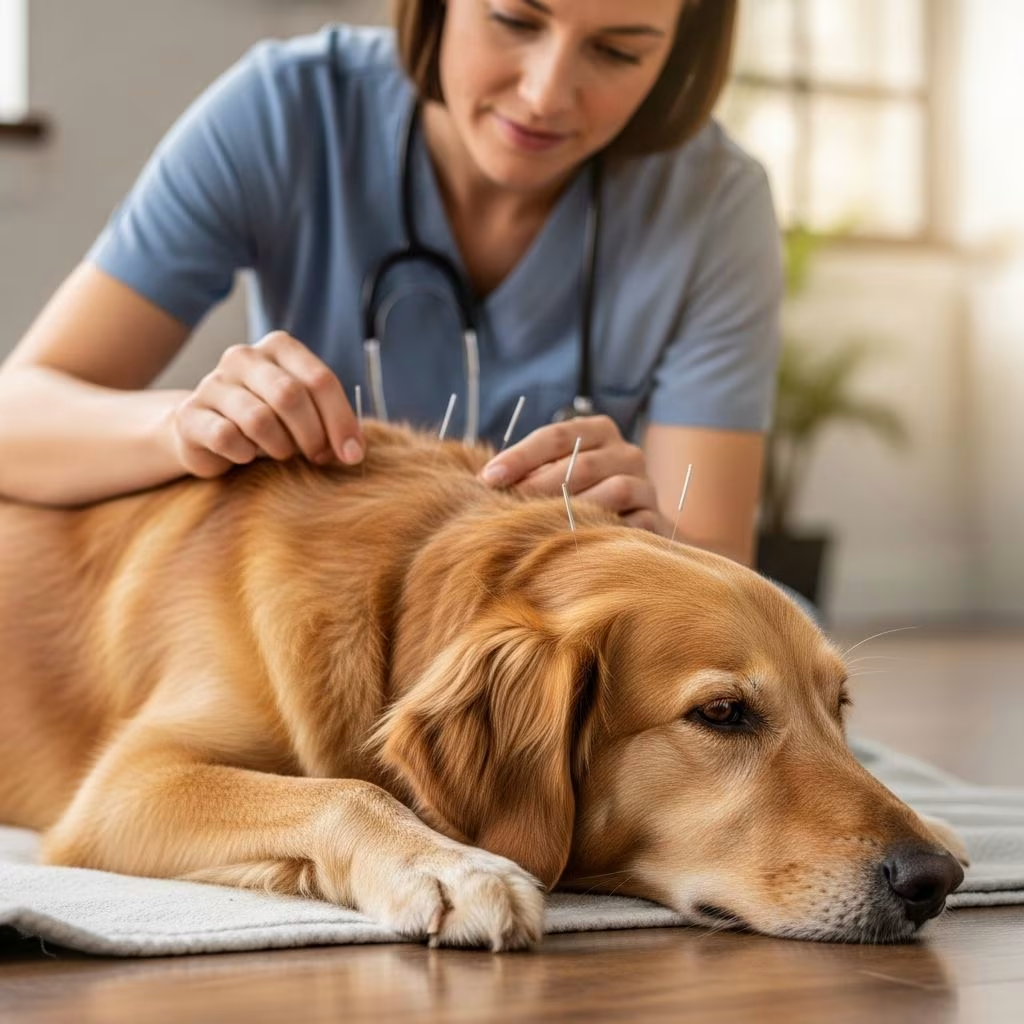
Veterinary acupuncture offers dogs a gentle, non-invasive way to manage pain, promote healing, and improve overall health. This ancient practice, adapted for modern pet care, stimulates specific body points to trigger natural recovery processes, making it an excellent complement to conventional treatments.
Understanding the Foundations of Canine Acupuncture
Acupuncture involves inserting thin needles into precise points on a dog’s body to balance energy flow and stimulate physiological responses. In veterinary practice, it targets meridians—pathways believed to connect organs and systems—enhancing circulation, reducing inflammation, and releasing endorphins, the body’s natural painkillers.
For dogs, sessions typically last 20-60 minutes, depending on the condition. Certified veterinary acupuncturists, often with additional training in Traditional Chinese Veterinary Medicine (TCVM), assess each patient individually. Techniques may include dry needling, electroacupuncture (mild electrical stimulation), or aquapuncture (injections of vitamin B or saline into points).
Key Health Benefits for Your Canine Companion
Research and clinical observations highlight acupuncture’s versatility in addressing common dog ailments. Here’s a breakdown of its primary advantages:
- Pain Management: It excels in chronic conditions like arthritis, hip dysplasia, and back pain by boosting endorphins and anti-inflammatory responses, often reducing reliance on medications.
- Digestive Support: Stimulates gut motility and secretions, aiding issues like diarrhea, irritable bowel syndrome, and nausea.
- Respiratory Improvement: Calms immune overreactions in asthma or allergies, easing breathing through anti-inflammatory effects.
- Accelerated Healing: Increases blood flow to injured areas, speeding tissue repair post-surgery or injury while detoxifying the body.
- Skin Condition Relief: Reduces itching and promotes healing in dermatitis, hot spots, and lick granulomas by addressing nerve pain and boosting circulation.
Proven Results in Musculoskeletal and Neurological Conditions
A study on dogs with neurological and musculoskeletal diseases found acupuncture, alone or with analgesics, significantly lowered pain scores and enhanced quality of life. Musculoskeletal cases showed marked gains in pain indices (P=0.003) and locomotion (P=0.045).
| Condition | Acupuncture Outcome | Supporting Evidence |
|---|---|---|
| Hip Dysplasia | 65% pain reduction, improved mobility in 83% of dogs | Gold implants at acupoints |
| Intervertebral Disc Disease (IVDD) | Faster ambulation and pain sensation recovery | Electroacupuncture + standard care |
| Arthritis/Back Pain | Decreased medication needs, better joint function | Improved blood flow and muscle relaxation |
These findings underscore acupuncture’s role in multimodal therapy, particularly for aging or active dogs prone to joint issues.
Integrating Acupuncture with Traditional Veterinary Care
Far from replacing conventional medicine, acupuncture enhances it. For cancer patients undergoing chemotherapy, it mitigates side effects like nausea and pain. Post-surgical dogs recover quicker with less opioid use, while seniors gain mobility without gastrointestinal risks from long-term drugs.[10]
Veterinarians recommend starting with a full exam to rule out underlying issues. Acupuncture suits dogs intolerant to meds or those needing holistic options. Sessions are spaced weekly initially, then biweekly for maintenance.
Real-World Applications: Conditions Acupuncture Treats Best
Orthopedic Challenges
Dogs with hip dysplasia, degenerative joint disease, or tendon injuries benefit from reduced lameness and restored gait. Acupuncture relaxes tense muscles and improves oxygen delivery to joints.
Neurological Support
For paralysis, nerve injuries, or IVDD, it accelerates deep pain sensation recovery when combined with steroids or opioids.
Gastrointestinal and Respiratory Aid
Normalize digestion in IBS or chronic diarrhea; soothe allergic asthma by modulating immunity.
Skin and Behavioral Boosts
Halts lick granuloma cycles by numbing irritated nerves; reduces anxiety in sports dogs via endorphin release.[10]
What to Expect During Your Dog’s First Session
Preparation is minimal—fasting isn’t required, but a calm demeanor helps. The vet palpates points, inserts needles (often painless due to thin gauge), and monitors relaxation. Some dogs sleep through it; mild soreness is rare.
Frequency varies: acute issues may need 2-3 sessions weekly; chronic ones, 1-2 monthly. Track progress via mobility, appetite, and pain scales. Combine with diet, exercise, and herbs for optimal results.
Finding a Qualified Veterinary Acupuncturist
Seek board-certified professionals via the American Board of Veterinary Practitioners (ABVP) or Chi University directories. Credentials like Certification in Veterinary Acupuncture (CVA) ensure expertise. Initial consultations cover history, exams, and tailored plans.
- Verify TCVM training
- Check references and success rates
- Discuss integration with your primary vet
Potential Limitations and Safety Considerations
While safe, acupuncture isn’t a cure-all. Evidence is promising but limited by few large-scale studies; results vary by condition and dog. Contraindications include infections at needle sites, extreme weakness, or coagulopathies. Always consult vets for personalized advice.
FAQs: Common Questions on Dog Acupuncture
Is acupuncture painful for dogs?
No, most dogs tolerate it well; needles are hair-thin, and many relax or sleep.
How many sessions does my dog need?
Typically 4-6 initial treatments, then maintenance as needed.
Can puppies or seniors receive acupuncture?
Yes, adapted for age—gentler for pups, supportive for elders.
Does insurance cover it?
Some pet plans do; check providers like Trupanion.[10]
What if my dog is needle-shy?
Alternatives like laser or aquapuncture work effectively.
Empowering Your Dog’s Health Journey
Incorporating acupuncture can transform your dog’s comfort and vitality. Pet owners report brighter eyes, peppier steps, and fewer vet visits. Discuss with your vet to see if it’s right for your furry friend.
References
- Effect of acupuncture on pain and quality of life in canine neurological and musculoskeletal diseases — PMC/NCBI. 2017-08-01. https://pmc.ncbi.nlm.nih.gov/articles/PMC5556488/
- 5 Health Benefits of Acupuncture for Dogs — Voorhees Veterinary Center. 2024-03-22. https://www.voorheesvet.com/site/blog/2024/03/22/five-health-benefits-acupuncture-dogs
- 5 Health Benefits of Acupuncture for Dogs — Northeast Veterinary Referal Hospital. 2023-09-15. https://www.northeast-vet.com/site/pet-care-blog-plains-vet/2023/09/15/health-benefits-acupuncture-dogs
- 5 Health Benefits of Acupuncture in Dogs — Legacy Animal Medical Center. 2023-05-15. https://www.legacyamc.com/site/blog/2023/05/15/five-health-benefits-acupuncture-dogs
- Acupuncture/Acupressure for Dogs — VCA Animal Hospitals. N/A. https://vcahospitals.com/know-your-pet/acupuncture-acupressure-for-dogs
- Does Acupuncture Work for Dogs? 4 Reasons to Consider — Yankee Hill Veterinary Hospital. N/A. https://yankeehillvet.com/acupuncture-for-pets/does-acupuncture-work-for-dogs-4-reasons-you-should-consider-dog-acupuncture/



