

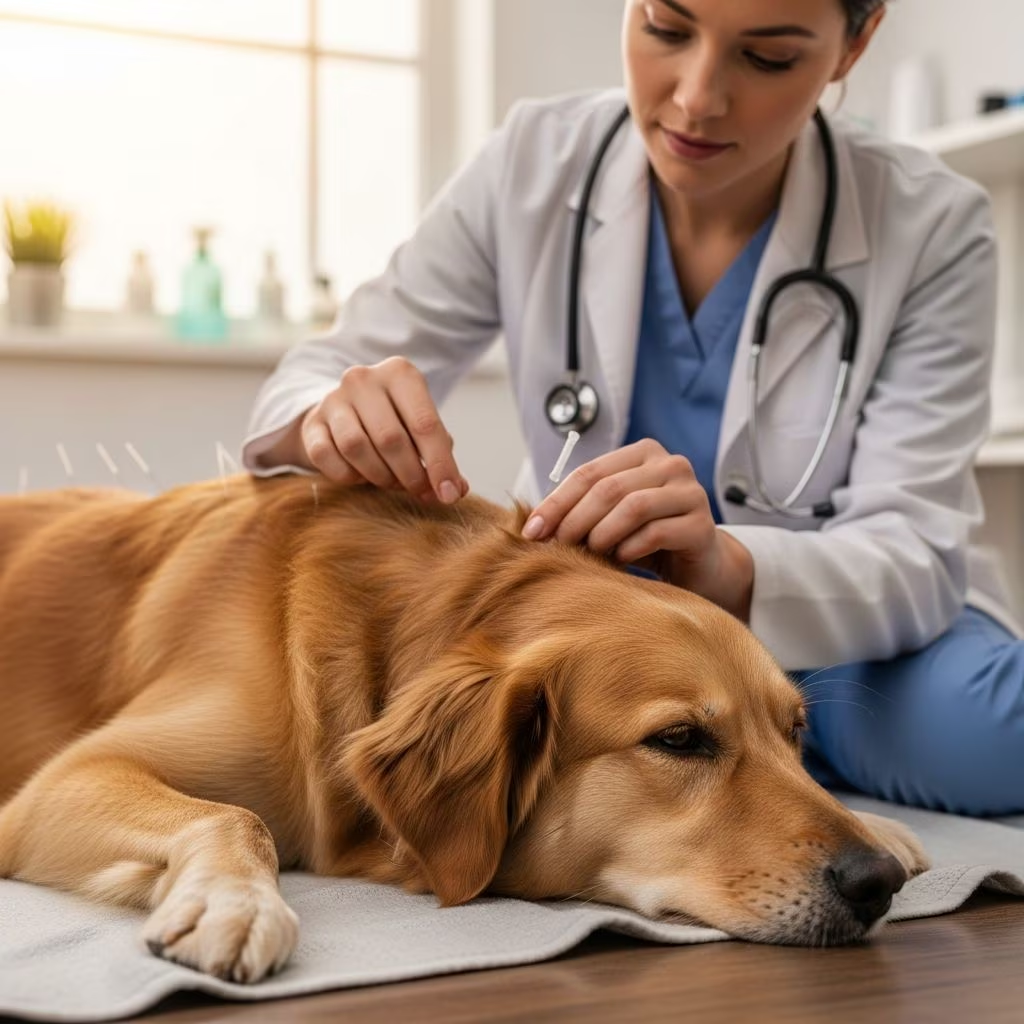
Veterinary acupuncture offers dogs a gentle, non-invasive way to manage pain, boost recovery, and improve overall well-being. This ancient practice, adapted for modern pet care, stimulates specific body points to trigger natural healing responses, making it ideal alongside conventional treatments.
Understanding the Basics of Canine Acupuncture
Acupuncture involves inserting ultra-thin, sterile needles into precise points on a dog’s body to balance energy flow and promote physiological changes. In veterinary medicine, certified professionals use it to address imbalances causing discomfort or illness. Unlike human sessions, dog treatments are quicker, often lasting 20-45 minutes, with dogs typically relaxing or sleeping through them.
The technique draws from Traditional Chinese Veterinary Medicine (TCVM), viewing health as harmony between yin and yang forces. Modern science supports this through evidence of endorphin release, better circulation, and reduced inflammation. It’s safe for most dogs, including seniors and those with chronic conditions, with minimal risks like brief soreness.
Key Benefits for Pain Management and Mobility
**Pain relief** stands as the top reason owners turn to acupuncture for dogs. It activates the body’s natural painkillers, endorphins, and anti-inflammatories, easing chronic issues without drugs’ side effects like organ strain.
- Arthritis and joint inflammation respond well, with improved movement and less stiffness.
- Hip dysplasia sees pain drops up to 65% via techniques like gold implants.
- Back pain and intervertebral disc disease (IVDD) show faster recovery when combined with meds.
A study on dogs with neurological and musculoskeletal disorders found acupuncture alone or with analgesics significantly lowered pain scores and enhanced quality of life, especially for musculoskeletal cases. Owners report dogs playing longer, climbing stairs easier, and showing brighter demeanors.
Boosting Digestion and Gut Health
Dogs with tummy troubles gain from acupuncture’s ability to normalize digestive secretions and circulation. It tackles issues like irritable bowel syndrome, chronic diarrhea, nausea, and poor appetite by calming the gut and reducing spasms.
| Condition | Acupuncture Effect | Observed Improvements |
|---|---|---|
| Irritable Bowel Syndrome | Stimulates secretions | Reduced diarrhea frequency |
| Chronic Nausea | Increases blood flow | Better appetite and regularity |
| Post-Surgery Digestion | Relaxes GI tract | Faster return to normal eating |
Sessions target abdominal points, leading to noticeable calm in restless pups and steadier stools within weeks.
Enhancing Respiratory Wellness
For dogs battling allergies, asthma, or breathing woes, acupuncture calms the immune system and cuts inflammation. It eases airway constriction, reduces mucus, and soothes overactive responses to triggers like pollen or smoke.
- Immune-modulating effects lower allergic reactions.
- Anti-inflammatory action opens airways for easier breaths.
- Complements meds, potentially reducing dosage needs.
Vets note calmer breathing patterns post-treatment, with fewer coughing fits and improved stamina during walks.
Accelerating Injury Recovery and Healing
Acupuncture speeds tissue repair by ramping up blood flow, oxygen delivery, and waste removal. It’s a go-to for post-op recovery, sports injuries, or wounds, promoting faster ambulation and less scarring.
In tendon strains or fractures, targeted points enhance circulation, vital for mending. It also aids detox by stimulating natural elimination, clearing toxins that slow healing. Dogs post-surgery often need fewer pain meds and regain strength quicker.
Addressing Skin Conditions Effectively
Skin woes like hot spots, lick granulomas, allergic dermatitis plague many dogs. Acupuncture interrupts itch-lick cycles by numbing nerves, boosting circulation for healing, and balancing immunity.
- Hot spots shrink as inflammation drops.
- Granulomas heal without constant licking.
- Dermatitis flares lessen in frequency.
Improved blood flow nourishes skin, while endorphins curb self-trauma behaviors.
When to Consider Acupuncture for Your Dog
Not every dog needs it, but it’s perfect for:
- Seniors with age-related aches.
- Cancer patients easing chemo side effects.
- Anxious pups alongside behavior therapy.
- Athletic dogs preventing strains.[10]
Consult a vet first to rule out contraindications like acute infections or bleeding disorders. It’s most effective in multimodal plans with diet, exercise, and meds.
The Treatment Experience: What to Expect
First visits include a TCVM exam assessing tongue, pulse, and gait. Treatments use dry needling, electroacupuncture (mild currents), or aquapuncture (injections). Pups rarely mind; many doze off.
Sessions occur weekly at first, then biweekly, with results building over 4-6 visits. Track progress via pain scales, mobility logs, or owner notes. Costs range $75-150 per session, often pet insurance-covered.
Finding a Qualified Veterinary Acupuncturist
Seek Diplomates from the American Board of Veterinary Practitioners (ABVP) or International Veterinary Acupuncture Society (IVAS) certified. Check credentials, experience with dogs, and reviews. Holistic clinics often integrate it seamlessly.
Real Owner Stories and Vet Insights
Many report transformations: a limping Lab chasing balls again, a Collie with IVDD walking steadily. Vets praise its drug-sparing role, ideal for long-term management.
Potential Drawbacks and Safety Notes
Side effects are rare—mild fatigue or soreness in 1-2% of cases. Avoid in pregnant dogs or those with pacemakers. Always pair with diagnostics; it’s complementary, not curative alone.
FAQs
Is acupuncture painful for dogs?
No, most dogs find it relaxing. Needles are hair-thin, causing no discomfort.
How many sessions does my dog need?
Typically 4-10 initial treatments, then maintenance every 1-3 months.
Does insurance cover dog acupuncture?
Many plans do; check for holistic therapy riders.
Can puppies or tiny breeds get acupuncture?
Yes, adjusted for size and age, from 8 weeks up.
What’s the difference between acupuncture and acupressure?
Acupressure uses finger pressure instead of needles, great for home use.
Integrating Acupuncture into Daily Care
Combine with weight management, joint supplements, hydrotherapy, and laser therapy for synergy. Owners can learn acupressure points for between-session support, enhancing outcomes.
Holistic diets rich in omega-3s amplify anti-inflammatory effects. Regular check-ups ensure tailored adjustments.
References
- Effect of acupuncture on pain and quality of life in canine osteoarthritis and chronic musculoskeletal pain: a pilot study — PMC/NCBI. 2017-08-01. https://pmc.ncbi.nlm.nih.gov/articles/PMC5556488/
- 5 Health Benefits of Acupuncture for Dogs — Voorhees Veterinary Hospital. 2024-03-22. https://www.voorheesvet.com/site/blog/2024/03/22/five-health-benefits-acupuncture-dogs
- 5 Health Benefits of Acupuncture for Dogs — Northeast Veterinary Referal Hospital. 2023-09-15. https://www.northeast-vet.com/site/pet-care-blog-plains-vet/2023/09/15/health-benefits-acupuncture-dogs
- 5 Health Benefits of Acupuncture in Dogs — Legacy Animal Medical Center. 2023-05-15. https://www.legacyamc.com/site/blog/2023/05/15/five-health-benefits-acupuncture-dogs
- Acupuncture/Acupressure for Dogs — VCA Animal Hospitals. Accessed 2026. https://vcahospitals.com/know-your-pet/acupuncture-acupressure-for-dogs



