

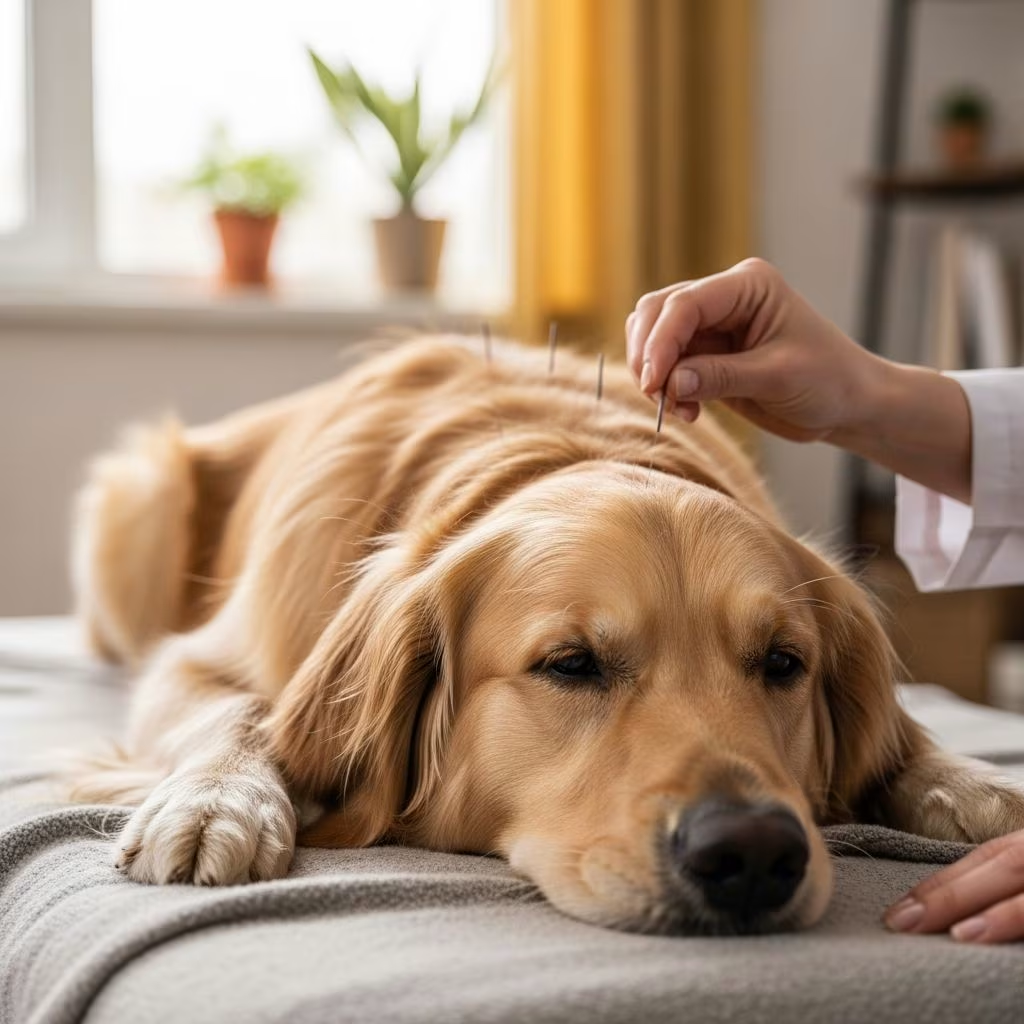
Acupuncture offers dogs a non-invasive way to manage pain and improve quality of life, particularly for chronic conditions like arthritis and post-surgical recovery. This ancient practice, adapted for veterinary use, stimulates specific body points to promote natural healing.
Historical Roots and Modern Veterinary Application
Originating from traditional Chinese medicine thousands of years ago, acupuncture involves inserting fine needles into precise points to balance the body’s energy flow, known as qi. In modern veterinary care, it has evolved into a science-backed complementary therapy. Studies show it effectively reduces pain and enhances mobility in dogs with musculoskeletal and neurological issues.
Veterinarians integrate acupuncture with conventional treatments, using it to lessen reliance on medications. For instance, it helps dogs with osteoarthritis by alleviating inflammation and improving joint function.
Key Conditions Treated with Canine Acupuncture
Acupuncture addresses a range of canine health issues, providing relief where drugs alone fall short. Common applications include:
- Arthritis and Joint Pain: Reduces stiffness and discomfort, enhancing daily movement.
- Post-Operative Recovery: Speeds healing and controls surgical pain.
- Cancer-Related Symptoms: Eases nausea, fatigue, and appetite loss from treatments, without claiming to cure the disease.
- Neurological Disorders: Improves nerve function and reduces chronic pain in conditions like intervertebral disc disease.
- Metabolic Imbalances: Supports dogs with diabetes, hypothyroidism, or Cushing’s disease by regulating hormonal responses.
Research confirms that acupuncture, alone or combined with analgesics, significantly lowers pain scores and boosts owner-reported quality of life in affected dogs.
How Acupuncture Sessions Work for Dogs
A typical session lasts 20-60 minutes in a calm clinic environment. The veterinarian first assesses the dog’s condition through physical exams and history review. Then, using sterile, hair-thin needles, they target acupoints along meridians—pathways believed to connect organs and systems.
Dogs often relax or sleep during treatment, showing minimal reaction to needle insertion due to the needles’ finesse. Sessions are spaced weekly initially, then less frequently as improvement occurs. Electroacupuncture or laser variants may supplement for sensitive pets.
| Session Aspect | Details |
|---|---|
| Preparation | Calm room, gentle handling; no sedation usually needed. |
| Needle Use | Sterile, single-use; 10-30 points per session. |
| Duration | 20-60 minutes; needles left in 10-30 minutes. |
| Frequency | 1-2 times weekly, tapering over 4-10 weeks. |
Proven Benefits Backed by Evidence
Clinical studies highlight acupuncture’s efficacy. A peer-reviewed trial found it reduced pain and improved locomotion faster in dogs with musculoskeletal problems than neurological ones, often allowing lower drug doses. The Merck Veterinary Manual notes benefits like pain relief, reduced inflammation, and better circulation.
Owners report dogs showing increased energy, better appetite, and easier mobility post-treatment. For cancer patients, it mitigates chemotherapy side effects like nausea. Long-term, it supports holistic wellness, potentially extending comfortable lifespans.
Safety Profile: Low Risks with Proper Practice
Veterinary acupuncture is remarkably safe, with few adverse effects when performed by certified professionals. The American Kennel Club emphasizes its minimal invasiveness and low risk.
Common Mild Reactions
- Temporary Soreness: Brief discomfort at needle sites, resolving quickly.
- Fatigue or Drowsiness: Pets may rest more for 24 hours as the body adjusts.
- Slight Bleeding: Minimal pinpoint spots from needle removal.
Rare Complications and Prevention
Serious issues like infection or nerve irritation are exceedingly uncommon due to sterile protocols and expert anatomic knowledge. A ‘healing crisis’—temporary symptom flare-up—can occur as toxins clear, lasting 1-2 days.
To minimize risks:
- Choose vets certified by IVAS or AAVA.
- Monitor post-session changes and report concerns promptly.
- Avoid if skin infections are present.
Finding and Selecting a Qualified Acupuncturist
Seek veterinarians with acupuncture credentials from recognized bodies like the International Veterinary Acupuncture Society (IVAS) or American Academy of Veterinary Acupuncture (AAVA). Verify experience with canine cases and review client testimonials.
Initial consultations often include a full health evaluation. Discuss integrating with your dog’s primary care for optimal results.
Real-World Outcomes and Owner Experiences
Many dogs show noticeable gains after 3-5 sessions. For example, arthritic seniors regain playfulness, while post-op pups heal faster. Combining with physical therapy amplifies effects. Track progress via mobility scales or pain diaries for best adjustments.
Integrating Acupuncture into Comprehensive Care
Acupuncture shines in multimodal plans alongside diet, exercise, and meds. It reduces pharmaceutical needs, curbing side effects. Consult your primary vet before starting to ensure compatibility.
Frequently Asked Questions (FAQs)
Is acupuncture painful for dogs?
No, most dogs relax or sleep through sessions; needles are too fine to cause significant pain.
How many sessions does my dog need?
Typically 4-10 initial weekly visits, then maintenance monthly.
Can all dogs receive acupuncture?
Most yes, but consult for aggressive, needle-phobic, or coagulopathy cases.
Does insurance cover dog acupuncture?
Some pet plans do; check providers like Trupanion or ASPCA.
What if symptoms worsen after a session?
Contact your vet; it may be a short healing crisis or need technique tweak.
Preparing Your Dog for Success
Before sessions, withhold food if advised, ensure a calm transport, and note symptoms. Post-care: light walks, hydration, and rest. Celebrate small wins like steadier steps.
Acupuncture empowers dogs to thrive despite ailments, blending tradition with evidence-based care.
References
- Are There Any Side Effects or Risks of Pet Acupuncture? — RehabVet. 2023. https://rehabvet.com/blog/are-there-any-side-effects-or-risks-of-pet-acupuncture/
- Acupuncture For Dogs: Everything You Need to Know — American Kennel Club. 2023. https://www.akc.org/expert-advice/health/acupuncture-for-dogs/
- Dog Worse After Acupuncture: What Should I Do? — Mill Plain Veterinary Clinic. 2024-05-15. https://www.millplainvet.com/site/blog/2024/05/15/dog-worse-after-acupuncture
- Myths and Facts About Veterinary Acupuncture — Pittsboro Animal Hospital. 2023-09-30. https://www.pittsboroanimalhospital.com/site/blog/2023/09/30/myths-facts-veterinary-acupuncture
- Acupuncture in Veterinary Patients — Merck Veterinary Manual. 2023. https://www.merckvetmanual.com/therapeutics/integrative-complementary-and-alternative-veterinary-medicine/acupuncture-in-veterinary-patients
- Effect of acupuncture on pain and quality of life in canine neurological and musculoskeletal diseases — PMC/NCBI. 2017-08-02. https://pmc.ncbi.nlm.nih.gov/articles/PMC5556488/
- Acupuncture for Dogs: What You Need to Know — Hill’s Pet. 2023. https://www.hillspet.com/dog-care/healthcare/acupuncture-for-dogs



