

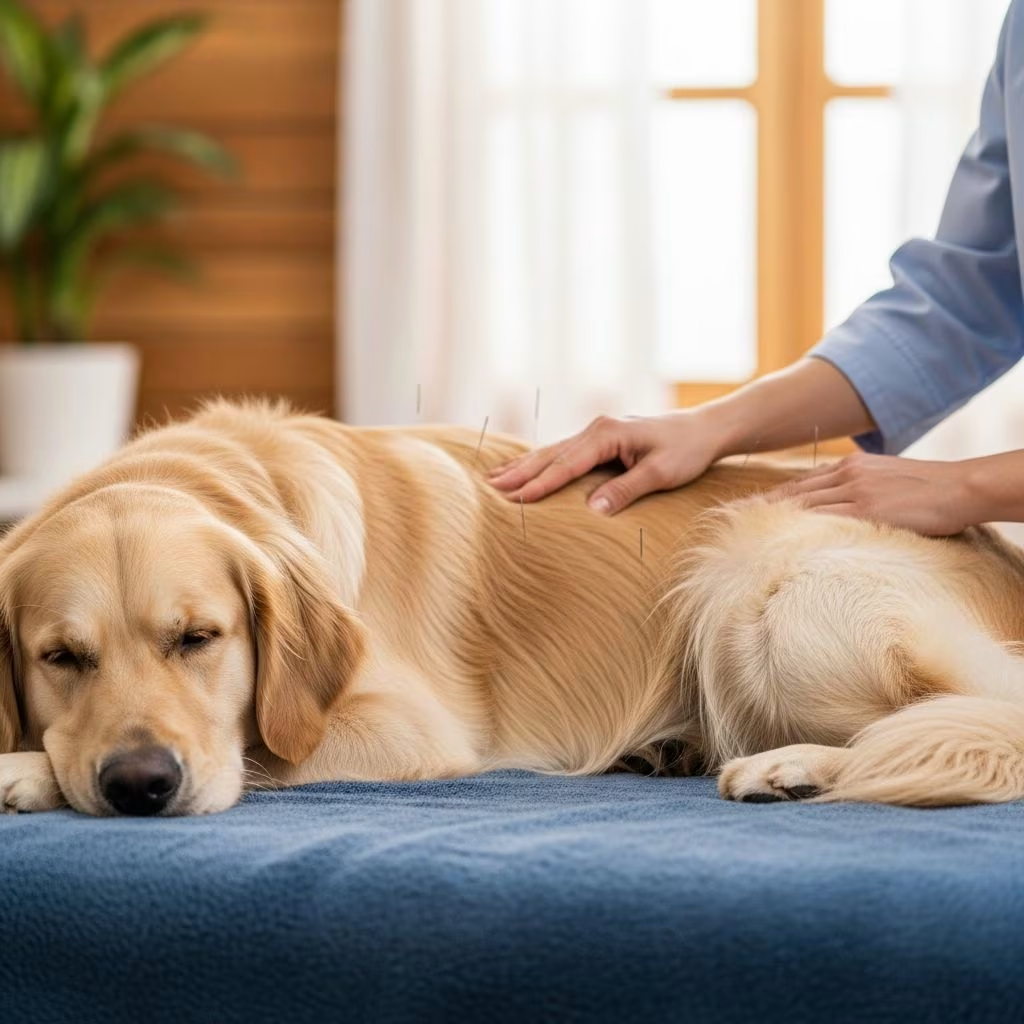
Understanding Acupuncture and Acupressure for Dogs
Acupuncture is an ancient therapeutic practice originating from traditional Chinese medicine that has been adapted for companion animals over thousands of years. This treatment involves the insertion of extremely thin needles into specific points on a dog’s body to activate their natural healing abilities and manage pain and discomfort. Rather than relying solely on pharmaceutical interventions, acupuncture offers pet owners a complementary approach that can work alongside conventional veterinary treatments to enhance overall healing and reduce a dog’s reliance on certain medications.
The practice has gained significant recognition in veterinary medicine, with many board-certified veterinary acupuncturists incorporating this modality into their treatment protocols. Understanding how acupuncture works and when it may be beneficial for your dog can help you make informed decisions about your pet’s health and wellness.
How Does Acupuncture Work?
The mechanism behind acupuncture is both fascinating and well-documented in veterinary research. When needles are inserted into specific acupuncture points, they are believed to stimulate what traditional Chinese medicine calls “chi” or vital energy flowing along meridians throughout the body. From a modern physiological perspective, these acupuncture points correlate with areas where bundles of blood vessels and nerves intersect, making them strategic locations for therapeutic intervention.
The insertion of needles at these precise locations triggers several beneficial physiological responses. The needles enhance blood circulation throughout the affected area and beyond, which increases oxygen delivery to tissues and facilitates the removal of waste products more efficiently. Additionally, acupuncture stimulates the nervous system and prompts the body to release endogenous pain-relieving substances, including endorphins, and anti-inflammatory mediators that reduce a dog’s discomfort.
By activating somatic afferent nerve fibers in nearby tissues, acupuncture essentially “resets” the body’s pain perception and promotes the animal’s innate healing mechanisms. This multifaceted approach makes acupuncture particularly valuable for dogs experiencing chronic pain or those who may not tolerate traditional pain medications well.
Types of Acupuncture and Related Therapies
Veterinarians have developed several variations of acupuncture therapy, each offering unique advantages depending on your dog’s specific needs and temperament.
Dry Needle Acupuncture
Dry needle acupuncture is the most traditional form, involving the placement of a single sterile needle into a specific acupuncture point. The needle remains in place for a designated period, typically 15 to 30 minutes, while the body’s natural healing processes are activated. This technique is highly effective for most dogs and provides the most direct stimulation of acupuncture points.
Acupressure
Acupressure offers a less invasive alternative to needle insertion by applying manual pressure to acupuncture points using fingers or thumbs. This technique is particularly preferred for dogs that may be needle-phobic, locations on the body that are difficult to access with needles, or dogs with anxiety about traditional acupuncture. While slightly less intense than needle acupuncture, acupressure can still provide meaningful therapeutic benefits and is often used as a complementary approach.
Electroacupuncture and Laser Acupuncture
Electroacupuncture involves attaching small electrical leads to acupuncture needles to deliver gentle electrical stimulation, enhancing the therapeutic effect. This technique has shown particular promise for dogs with serious spinal cord conditions and intervertebral disc disease. Laser acupuncture uses focused light energy to stimulate acupuncture points without needle insertion, making it an excellent option for needle-phobic dogs while still providing deeper tissue effects than manual acupressure.
Additional Modalities
Other specialized techniques include aquapuncture, where tiny amounts of fluid are injected at acupuncture points to provide prolonged stimulation, and moxibustion, which applies heat from specific herbs to needles to further stimulate therapeutic points.
What Conditions Can Acupuncture Treat in Dogs?
Acupuncture has demonstrated effectiveness for an impressive range of canine health conditions. The versatility of this treatment makes it a valuable addition to comprehensive veterinary care protocols.
Orthopedic and Joint Conditions
Acupuncture is particularly effective for dogs suffering from arthritis and joint inflammation. Dogs with hip dysplasia or degenerative joint disease are excellent candidates for acupuncture therapy, as the treatment improves blood flow and reduces inflammation in affected joints. Research has shown that dogs with cranial cruciate ligament (CCL) disease treated with acupuncture achieved quicker improvements in pain and function compared to those receiving conservative therapy alone.
Spinal and Back Problems
Dogs experiencing chronic back pain, intervertebral disc disease (IVDD), and other serious spinal cord conditions may benefit significantly from acupuncture treatment. Studies indicate that acupuncture, particularly when combined with electroacupuncture, improves analgesia and accelerates the recovery of motor functions in dogs with IVDD. Paraplegic dogs treated with a combination of dry needle acupuncture, electroacupuncture, and conventional medications showed significantly less pain and recovered to ambulation at faster rates than those receiving medication alone.
Skin and Dermatological Conditions
Lick granulomas, which are lesions that develop on a dog’s legs from continuous licking, can be difficult to treat with conventional methods alone. Acupuncture serves as an excellent complement to antibiotics and anti-inflammatory medications for this condition. Additionally, acupuncture can help address skin allergies and various dermatological conditions by regulating immune function and reducing inflammation.
Metabolic and Systemic Conditions
Acupuncture is believed to help manage metabolic disorders by regulating the endocrine system, improving digestion, and relieving oxidative stress. The improved blood flow and oxygenation promoted by acupuncture support overall metabolic health and the removal of toxins and metabolic waste.
Additional Treatable Conditions
The breadth of conditions that respond to acupuncture treatment extends to:
- Mobility issues and ACL injuries
- Musculoskeletal pain in the neck and back
- Respiratory problems such as asthma
- Cancer-related pain and chemotherapy side effects
- Acute and chronic conditions unresponsive to traditional medicine
Benefits of Acupuncture for Dogs
The advantages of acupuncture extend well beyond simple pain relief, offering multiple benefits that make it an attractive option for many pet owners.
Improved Blood Circulation and Healing
By enhancing blood flow to affected areas, acupuncture increases oxygen delivery to tissues and removes waste products more efficiently. This improved circulation supports the body’s natural healing processes and can accelerate recovery from injury or illness.
Muscle Relaxation and Pain Relief
Acupuncture relaxes muscles both at the site of needle insertion and elsewhere throughout the body, relieving pain caused by muscle tension and spasms. The cumulative release of endorphins provides natural pain relief without the potential side effects associated with pharmaceutical pain medications.
Reduction in Medication Dependency
By stimulating the release of naturally occurring pain-relieving and anti-inflammatory substances, acupuncture may decrease the amount of pain medication required to manage a dog’s condition. This can be particularly beneficial for dogs with chronic conditions who might otherwise require long-term medication with potential organ-related side effects.
Safety and Minimal Side Effects
Acupuncture appears to have no systemic side effects and can be safely combined with conventional medical therapies. Unlike many pain medications that require monitoring of organ function through routine laboratory testing, acupuncture poses no risk to internal organs and does not interact adversely with other medications or supplements.
Holistic Approach to Healing
For dogs that don’t tolerate traditional therapies well, acupuncture offers a gentle, non-invasive alternative that addresses healing from a holistic perspective.
Treatment Protocols and Session Frequency
The structure of acupuncture treatment is carefully designed to maximize benefits while minimizing unnecessary sessions. A veterinary acupuncturist will outline a specific treatment protocol tailored to your dog’s individual condition and response to therapy.
Typically, treatment involves one to three sessions per week for several weeks, depending on the severity of the condition and the dog’s response. The effects of acupuncture are cumulative, meaning repeated sessions provide increasing benefits. However, the goal of any treatment protocol is to achieve the greatest degree of improvement and then maintain that level with the fewest treatments necessary. As your dog’s condition improves, the frequency of sessions is gradually tapered off until an optimal maintenance schedule is established.
This individualized approach ensures that each dog receives the appropriate level of care while avoiding unnecessary treatments and optimizing the benefits of therapy.
Combining Acupuncture with Traditional Medicine
One of the greatest strengths of acupuncture is its ability to work synergistically with conventional veterinary treatments. Since acupuncture and medical therapy can be safely used together, a combination approach often provides the best results. When neither method can provide the desired response alone, the complementary nature of these therapies creates a more comprehensive treatment plan.
Many veterinarians who practice acupuncture believe it is an effective adjunctive therapy to routine treatments, particularly for managing chronic pain and improving overall quality of life. This integrated approach allows pet owners to maximize their dog’s healing potential while minimizing reliance on medications that might carry additional health considerations.
Potential Side Effects and Considerations
While acupuncture is remarkably safe, pet owners should be aware of potential temporary effects following treatment sessions. Some dogs may experience mild soreness or stiffness following an acupuncture treatment, while others may appear tired or lethargic. These symptoms typically resolve within 24 to 48 hours and represent the body’s natural response to the therapeutic stimulation.
It’s important to note that not all dogs respond identically to acupuncture treatment. While many dogs experience substantial improvements in pain and mobility, some may experience only moderate benefits. Individual variation in response does not diminish the value of acupuncture as a therapeutic option but rather highlights the importance of working with an experienced veterinary acupuncturist who can assess your dog’s specific situation and adjust treatment protocols accordingly.
Effectiveness and Research Evidence
The effectiveness of veterinary acupuncture is well-documented, with research demonstrating that acupuncture is very effective for pain management at multiple levels: local, segmental, and suprasegmental. Studies comparing acupuncture with conventional treatments show comparable or superior outcomes in many cases, particularly when acupuncture is combined with other modalities.
For many specific diseases and conditions, acupuncture produces tremendous improvements in how dogs function and move, sometimes enabling significant reductions in other medications that dogs must take long-term. This evidence-based approach to acupuncture has led to increased adoption by veterinary professionals and greater recognition as a legitimate therapeutic modality rather than an alternative practice.
Frequently Asked Questions
Q: Is acupuncture painful for dogs?
A: No, acupuncture is virtually painless for most dogs. The needles used are extremely thin, and skilled veterinary acupuncturists insert them gently. Dogs typically become very relaxed during treatment as endorphins are released.
Q: How long does each acupuncture session take?
A: Most acupuncture sessions last between 15 to 30 minutes, with needles remaining in place during this time. The entire appointment, including consultation and assessment, may take longer.
Q: Can acupuncture replace my dog’s current medications?
A: Acupuncture may help reduce the amount of medication your dog requires, but it should not replace prescribed treatments without veterinary guidance. Acupuncture works best as a complementary therapy combined with traditional medicine.
Q: How long before I see results from acupuncture?
A: Some dogs show improvement after the first session, while others may require several sessions before significant benefits become apparent. Most dogs show noticeable improvement within 2 to 4 weeks of regular treatment.
Q: Are there any breeds or ages that shouldn’t receive acupuncture?
A: Acupuncture can be beneficial for dogs of most ages and breeds. However, your veterinarian should assess your dog’s individual health status to determine if acupuncture is appropriate for their specific situation.
Q: What should I expect after my dog’s first acupuncture session?
A: Some dogs may feel sore or stiff, while others may feel tired following treatment. These symptoms typically resolve within 24 to 48 hours. Your dog may also show gradual improvement in mobility and comfort over subsequent sessions.
References
- Acupuncture/Acupressure for Dogs — VCA Animal Hospitals. 2024. https://vcahospitals.com/know-your-pet/acupuncture-acupressure-for-dogs
- Evidence-Based Application of Acupuncture for Pain Management in Dogs — National Center for Biotechnology Information (NCBI). 2022. https://pmc.ncbi.nlm.nih.gov/articles/PMC9227989/
- Dog Acupuncture — Reata Veterinary Hospital. 2024. https://www.reataveterinaryhospital.com/services/dogs/acupuncture-0
- Use of Veterinary Acupuncture for Pain Management — Berkeley Dog and Cat. 2022-07-20. https://www.berkeleydogandcat.com/site/blog/2022/07/20/veterinary-acupuncture-for-pain-management
- Acupuncture in Veterinary Patients: Mechanisms of Action — Merck Veterinary Manual. 2024. https://www.merckvetmanual.com/therapeutics/integrative-complementary-and-alternative-veterinary-medicine/acupuncture-in-veterinary-patients
- Veterinary Acupuncture For Dogs — The Drake Center. 2024. https://www.thedrakecenter.com/services/dogs/acupuncture
- Acupuncture for Dogs & Cats — Cranberry Holistic Pet Care. 2024. https://cranberryholisticvet.com/services/pet-acupuncture



