

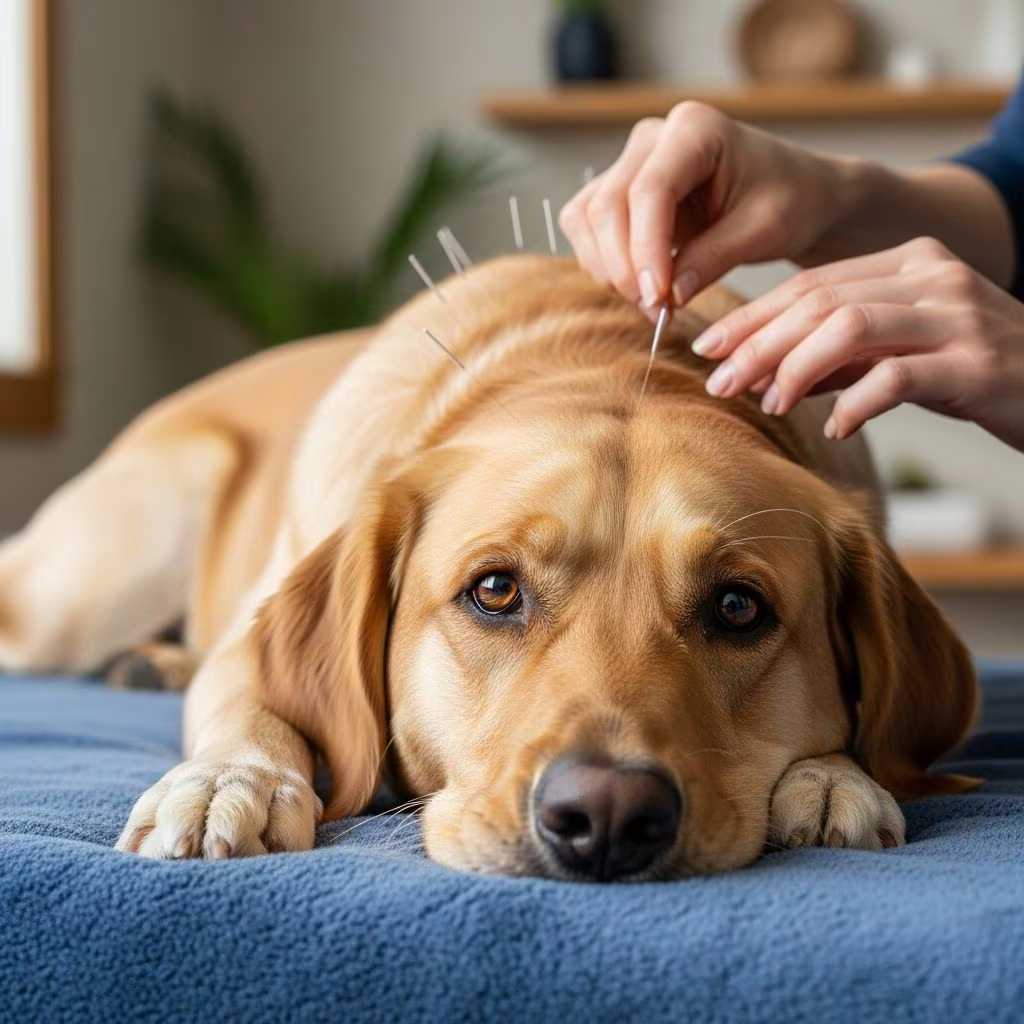
Understanding Acupuncture and Acupressure for Dogs
Acupuncture and acupressure represent important components of Traditional Chinese Veterinary Medicine (TCVM), offering dog owners alternative and complementary approaches to managing their pets’ health and wellness. These ancient techniques, developed thousands of years ago, have gained recognition in modern veterinary medicine as effective tools for pain management, inflammation reduction, and overall healing support. Whether your dog is struggling with arthritis, recovering from injury, or dealing with chronic pain, these therapies may provide meaningful relief and improve quality of life.
What is Acupuncture?
Acupuncture is rooted in the philosophy of Traditional Chinese medicine, which holds that illness results from an imbalance of vital energies, or “chi,” within the body. This ancient healing practice works by restoring energy balance to promote natural healing and wellness.
The technique involves inserting fine needles into the dog’s body at specific locations called acupuncture points, where nerves and blood vessels converge. In Traditional Chinese Veterinary Medicine, these points are organized into patterns known as “meridians,” believed to be channels that transmit energy throughout the dog’s body. When needles are placed at these strategic points, they are thought to guide vital energy along the meridians, enhancing circulation and stimulating the body’s natural healing mechanisms.
The physiological effects of acupuncture are significant and well-documented. The inserted needles enhance blood circulation, which improves the body’s ability to heal by delivering more oxygen to tissues and removing waste products efficiently. Additionally, acupuncture stimulates the nervous system and increases the release of anti-inflammatory and pain-relieving substances, reducing your dog’s overall discomfort.
What is Acupressure?
Acupressure offers a less invasive alternative to traditional acupuncture. Rather than inserting needles, this technique involves applying pressure to acupuncture points using fingers or hands. This gentler approach is particularly beneficial for locations that are difficult to reach with needles or for dogs that may not tolerate needle insertion well.
Laser acupuncture is another variation that uses targeted laser energy to stimulate acupuncture points, providing deeper tissue effects than acupressure alone and appealing to needle-phobic dogs.
How Acupuncture and Acupressure Help Your Dog
Acupuncture and acupressure work through multiple mechanisms to improve your dog’s health:
- Enhanced blood flow: Improved circulation delivers oxygen more effectively to tissues and removes metabolic waste products more efficiently.
- Muscle relaxation: Acupuncture can relax muscles where the needle is inserted and in other areas of the body, relieving pain caused by muscle tension.
- Pain relief: By stimulating the release of naturally occurring pain-relieving and anti-inflammatory substances, acupuncture may decrease the amount of pain medication needed to treat chronic conditions.
- Nervous system stimulation: The treatment activates somatic afferent nerve fibers, selectively stimulating mechanoreceptors to enhance endogenous analgesic mechanisms.
- Minimal side effects: Acupuncture appears to have no systemic side effects, making it an excellent option for dogs who don’t tolerate traditional therapies.
Combining Acupuncture with Traditional Medical Therapy
One of the most significant advantages of acupuncture is its compatibility with conventional veterinary medicine. Acupuncture and medical therapy can be safely used together, which is particularly beneficial when neither method alone can provide the desired response. Many veterinarians who practice acupuncture believe it is an effective adjunctive therapy to routine treatments. As with most medical protocols, a combination of treatments often provides the best results.
This integrative approach is especially valuable for dogs with complex conditions or those not responding optimally to single-therapy approaches. Research has demonstrated that dogs treated with acupuncture combined with conventional therapy often achieve quicker and more significant improvements compared to those receiving conventional treatment alone.
Conditions That Benefit from Acupuncture
Acupuncture has proven effective in treating a wide range of canine health conditions, particularly those involving pain, inflammation, and mobility issues.
Arthritis and Joint Inflammation
Acupuncture is frequently used to treat dogs with arthritis and joint-related problems. Dogs with hip dysplasia or degenerative joint disease are excellent candidates for this therapy. Clinical trials have indicated that acupuncture is highly useful for pain management in dogs with hip osteoarthritis, particularly in medium to large breed dogs that commonly develop this painful chronic condition.
Back Pain and Spinal Conditions
Dogs with chronic back pain and even those with serious spinal cord conditions may significantly benefit from acupuncture treatment. Research shows that electroacupuncture has been particularly effective at improving analgesia and accelerating the recovery of motor functions in dogs with intervertebral disc disease (IVDD). Studies have demonstrated that dogs receiving electroacupuncture combined with conventional medical treatment show shorter recovery times and higher success rates for ambulation compared to those receiving conventional treatment alone.
Lick Granulomas
Lick granulomas are lesions on the legs of dogs that result from continuous licking, creating irritated sores and exposing superficial nerve endings. These lesions are often challenging to heal, and acupuncture may serve as an excellent complement to antibiotics and anti-inflammatory medications.
Other Treatable Conditions
Beyond orthopedic issues, acupuncture can address various other health concerns in dogs:
- Mobility issues, including ACL injuries
- Musculoskeletal pain affecting neck and back regions
- Skin allergies and dermatological conditions
- Respiratory problems such as asthma
- Cancer and symptoms associated with chemotherapy
- Acute and chronic conditions not responding to traditional medicine
- Support for dogs currently undergoing traditional medical treatment
What to Expect During Acupuncture Treatment
The Initial Consultation
Your dog’s first appointment with a veterinary acupuncturist involves a thorough general medical assessment. Before the appointment, your primary care veterinarian will send comprehensive medical records to the acupuncturist, including your dog’s complete history, relevant laboratory results, X-rays, and current medical therapy documentation. This preparation ensures the acupuncturist is fully informed about your dog’s condition.
During the initial visit, the veterinary acupuncturist will perform their own physical examination, discuss available treatment options, and explain exactly what occurs during an acupuncture session.
Treatment Progression and Frequency
The effects of acupuncture treatment are cumulative, so repeated sessions provide additional benefits beyond single treatments. The goal is to achieve the greatest degree of improvement while maintaining that level with the fewest treatments necessary. This individualized approach ensures your dog receives optimal care without unnecessary procedures.
Possible Side Effects
There are few side effects associated with acupuncture. However, some dogs may experience mild soreness or stiffness following a treatment session, while others may appear tired. These symptoms typically resolve within 24 to 48 hours and are generally considered positive signs that the treatment is stimulating the body’s healing response.
Safety and Effectiveness
Acupuncture stands out as a remarkably safe therapeutic option for dogs. While traditional pain medications and anti-inflammatory drugs are generally safe, they may affect organ function, requiring veterinarians to closely monitor organ function through routine laboratory testing to minimize risk. In contrast, acupuncture appears to have no systemic side effects, making it particularly valuable for dogs with organ sensitivities or those requiring long-term pain management.
The non-invasive nature of acupressure and laser acupuncture makes these options especially appealing for dogs that are needle-phobic or have anxiety related to traditional acupuncture needles.
Holistic Approach to Canine Health
Acupuncture represents part of a broader holistic approach to treating dogs as whole organisms rather than focusing solely on individual symptoms. This integrative perspective considers how various organ systems support musculoskeletal function and overall health. For example, if your dog has a lameness problem, a holistic veterinarian considers not just the sore leg but the organ systems supporting bone health, examining the entire body to correct underlying problems and maintain long-term wellness.
Frequently Asked Questions
Q: Is acupuncture painful for dogs?
A: Acupuncture needles are extremely fine, and most dogs tolerate the procedure well. Many dogs relax during treatment. If your dog is particularly anxious about needles, acupressure or laser acupuncture may be better alternatives.
Q: How long does each acupuncture session last?
A: Treatment sessions typically last 20 to 30 minutes, though this can vary based on your dog’s specific condition and response to treatment. Your veterinary acupuncturist will provide specific timing recommendations.
Q: How many treatments does my dog need?
A: The number of treatments varies depending on your dog’s condition, severity, and response to therapy. Some dogs show improvement after a few sessions, while others benefit from ongoing periodic treatments. Your acupuncturist will develop a treatment plan tailored to your dog’s needs.
Q: Can acupuncture cure my dog’s condition?
A: Acupuncture is typically used as a complementary therapy to manage symptoms and improve quality of life rather than as a cure. It works best in combination with appropriate conventional medical treatment and lifestyle modifications.
Q: Is acupuncture suitable for older dogs?
A: Yes, acupuncture is often particularly beneficial for older dogs experiencing age-related conditions like arthritis and degenerative joint disease. However, your veterinarian should evaluate your senior dog’s overall health before beginning treatment.
Q: Are there any dogs that shouldn’t receive acupuncture?
A: While acupuncture is generally safe, certain conditions may contraindicate treatment. Dogs with severe bleeding disorders, certain skin conditions, or those in critical condition may not be suitable candidates. Your veterinarian will assess whether acupuncture is appropriate for your dog.
References
- Acupuncture/Acupressure for Dogs — VCA Animal Hospitals. Accessed November 2025. https://vcahospitals.com/know-your-pet/acupuncture-acupressure-for-dogs
- Evidence-Based Application of Acupuncture for Pain Management in Veterinary Patients — National Center for Biotechnology Information. 2022. https://pmc.ncbi.nlm.nih.gov/articles/PMC9227989/
- Dog Acupuncture Services — Reata Veterinary Hospital. Accessed November 2025. https://www.reataveterinaryhospital.com/services/dogs/acupuncture-0
- Acupuncture in Veterinary Patients: Mechanisms of Action — Merck Veterinary Manual. Accessed November 2025. https://www.merckvetmanual.com/therapeutics/integrative-complementary-and-alternative-veterinary-medicine/acupuncture-in-veterinary-patients
- Pet Acupuncture Services — Cranberry Holistic Pet Care. Accessed November 2025. https://cranberryholisticvet.com/services/pet-acupuncture



