

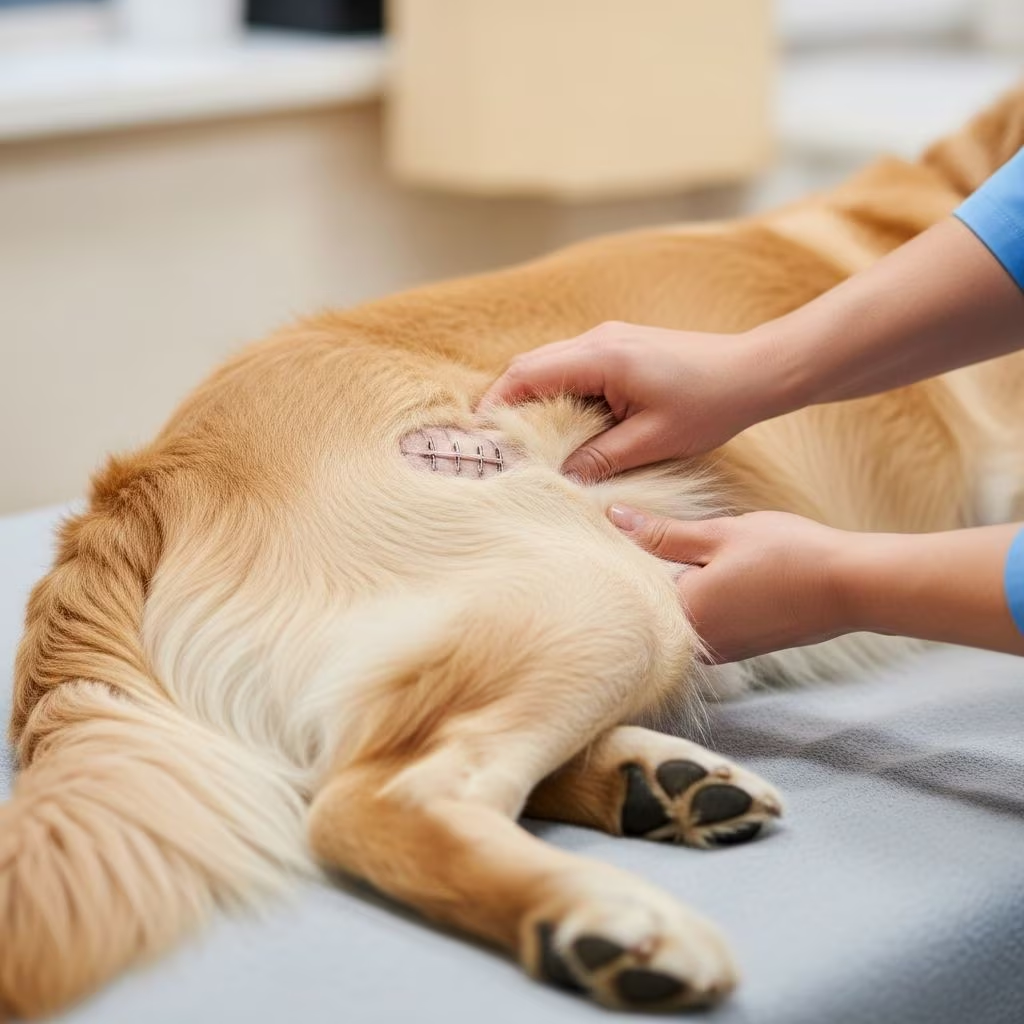
Hip dysplasia affects many dogs, particularly larger breeds, leading to painful joints and often requiring surgical intervention like triple pelvic osteotomy (TPO). Post-surgery, acupressure offers a gentle, non-invasive way to accelerate recovery, alleviate discomfort, and restore mobility. This complementary therapy stimulates specific points to enhance blood flow, reduce inflammation, and promote natural healing, making it an excellent addition to veterinary care.
Understanding Hip Dysplasia and Surgical Options
Hip dysplasia is a congenital condition where the hip joint fails to develop properly, causing instability, cartilage damage, and eventual osteoarthritis. Large breeds such as German Shepherds and Labrador Retrievers are prone, with symptoms including limping, difficulty rising, and reduced activity.
Surgery becomes necessary in severe cases, especially in young dogs. Procedures like TPO realign the pelvis to improve joint coverage, preventing further degeneration. While effective, recovery involves pain management, restricted movement, and physical therapy to rebuild strength. Acupressure complements these by targeting pain and tension without drugs.
Benefits of Acupressure in Post-Op Recovery
Acupressure applies firm pressure to meridian points, akin to acupuncture but needle-free, making it ideal for home use. For post-surgical dysplastic dogs, it provides multiple advantages:
- Pain Reduction: Stimulates endorphin release and blocks pain signals, similar to acupuncture’s effects in clinical trials where dogs showed less lameness after weekly sessions.
- Improved Circulation: Enhances blood and qi (vital energy) flow to surgical sites, aiding tissue repair and reducing swelling.
- Muscle Relaxation: Relieves spasms around the hips, promoting easier movement and preventing compensatory injuries.
- Faster Healing: Boosts nutrient delivery to joints, supporting recovery without medication side effects.
- Enhanced Mobility: Dogs often stand more steadily and walk with less hesitation after consistent sessions.
Studies and cases confirm these benefits; for instance, acupuncture reduced hind limb sensitivity in dysplastic dogs after just three sessions, with acupressure offering comparable results at home.
Key Acupressure Points for Surgical Healing
Select points based on the dog’s tolerance and surgical site. Start with general points before progressing to hip-specific ones. Use firm, circular pressure for 30-60 seconds per point, 2-3 times daily. Always consult a vet acupuncturist first.
| Point | Location | Primary Benefits |
|---|---|---|
| BL 17 | Lateral to the 7th thoracic vertebra’s spinous process | Boosts blood circulation and qi to hips; aids post-op tissue repair |
| BL 60 | Thinnest part of the hock, lateral side | Relieves widespread pain (“Aspirin Point”); eases surgical discomfort |
| LV 3 (Great Pouring) | Midway between paw top and ankle; both hind legs | Draws energy upward to hips; reduces stiffness with sweeping motions |
| GB 29 / GB 30 | Hip region (avoid fresh incisions) | Targets hip joints directly for pain and mobility once tolerated |
| BL 54 | Near hip, outer edge | Supports joint stability and reduces inflammation |
Begin sessions with 5-10 minutes, gradually increasing as the dog relaxes. Bilateral treatment ensures balance, crucial for bilateral dysplasia.
Step-by-Step Guide to Home Acupressure Sessions
- Prepare the Environment: Choose a quiet space with your dog calm, perhaps after a walk or meal. Use treats to associate positively.
- Warm-Up Massage: Gently stroke from head to tail, then focus on hindquarters without pressure to desensitize.
- Locate Points: Use anatomical guides or vet demos. Feel for tender spots indicating blockages.
- Apply Pressure: Thumb or fingers in circles; for LV 3, sweep upward firmly for 1 minute per leg.
- Monitor Response: Watch for relaxation (sighs, licking lips) or discomfort (pulling away). Stop if painful.
- End with Cool-Down: Light petting to integrate effects. Hydrate and rest the dog.
Consistency yields results; owners report noticeable improvements in 1-2 weeks.
Integrating Acupressure with Other Therapies
Acupressure shines in multimodal plans. Combine with:
- Physical Therapy: Hydrotherapy or controlled exercises to build muscle without strain.
- Supplements: Glucosamine, omega-3s for joint support, reducing NSAID reliance.
- Weight Management: Essential to lessen hip stress; aim for ideal body condition.
- Acupuncture: Professional sessions (1-2x weekly initially) enhance home acupressure.
A case of a German Shepherd with dysplasia showed mobility gains post-acupuncture, mirroring acupressure outcomes when surgery isn’t viable.
Real-Life Success Stories and Evidence
Clinical evidence supports acupressure’s kin, acupuncture. A randomized trial found weekly treatments reduced pain and lameness in dysplastic dogs over 5 weeks. Anecdotes abound: one dog post-gold bead implants (permanent acupressure) maintained comfort for years alongside massage.
YouTube demos illustrate techniques; sweeping LV 3 bilaterally helped dogs tolerate hip points better over sessions. Trigger point therapy further aids chronic pain.[10]
Safety Precautions and When to Seek Help
Acupressure is safe but not for all. Avoid if:
- Infection or open wounds near points.
- Extreme pain or aggression during touch.
- Without vet clearance post-surgery.
Signs of issues: lethargy, swelling increase, or refusal to bear weight—contact your vet immediately. Pregnant dogs or those with cancer need professional oversight.
Long-Term Management for Dysplastic Dogs
Post-recovery, continue acupressure 2-3x weekly to prevent flare-ups. Pair with low-impact exercise like swimming. Regular vet check-ups monitor progress. Many dogs enjoy active lives years post-surgery with holistic support.
Frequently Asked Questions (FAQs)
Can I do acupressure myself on my recovering dog?
Yes, after vet training. Start simple and observe responses.
How soon after surgery can I begin acupressure?
Typically 1-2 weeks, post-stitch removal; confirm with surgeon.
Will acupressure replace pain meds?
It may reduce them but not always eliminate; integrate under guidance.
What if my dog hates the pressure?
Build tolerance with general massage first; use lighter touch.
Is acupressure proven for hip dysplasia?
Supportive evidence from acupuncture trials shows pain relief and mobility gains.
References
- Hip Dysplasia and Osteoarthritis GSD — CuraCore VET. 2018-03-27. https://curacore.org/vet/2018/03/27/32080-2/
- Integrative Treatments for Canine Hip Dysplasia — IVC Journal. N/A. https://ivcjournal.com/integrative-treatments-for-canine-hip-dysplasia/
- Does Acupuncture Help Dogs with Hip Dysplasia? — Peaceful Vet Care. N/A. https://www.peacefulvetcare.com/post/does-acupuncture-help-dogs-with-hip-dysplasia
- How We Treated Bella’s Canine Hip Dysplasia Naturally — Ortho Dog. N/A. https://orthodog.com/blogs/recovery-tails/how-we-treated-bella-s-canine-hip-dysplasia-naturally
- Post-Operation Acupressure for Dysplastic Dogs — Whole Dog Journal. N/A. https://www.whole-dog-journal.com/health/post-operation-acupressure-for-dysplastic-dogs/
- Dog Acupressure for Hip Dysplasia: Great Pouring — YouTube (Transcript). N/A. https://www.youtube.com/watch?v=evxKk3hMgTU
- Acupuncture Pain Relief — Canine Arthritis Management. N/A. https://caninearthritis.org/article/acupuncture-pain-relief/



