

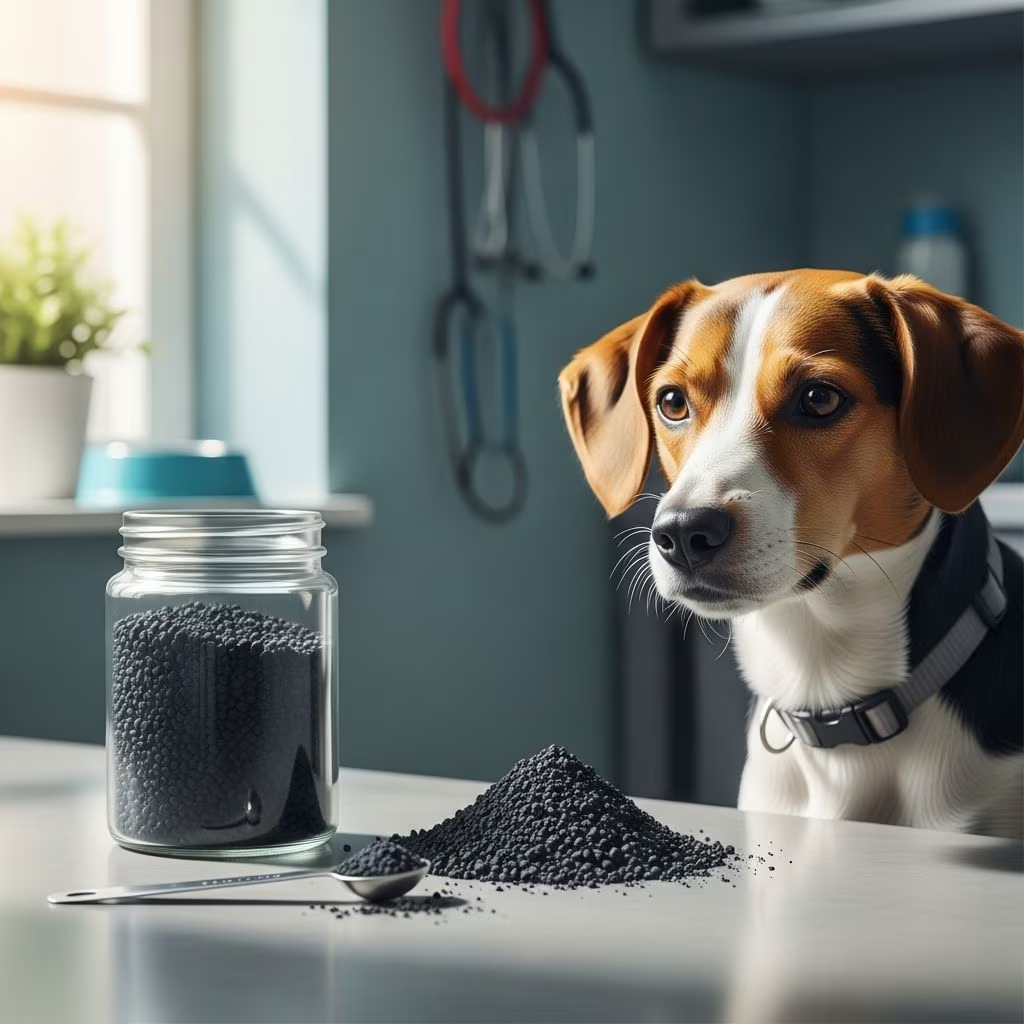
Activated Charcoal for Pets: A Comprehensive Guide
Activated charcoal is a commonly used emergency treatment for acute poisoning cases in dogs and cats. When pets accidentally ingest toxic substances, activated charcoal can play a critical role in reducing the absorption of harmful toxins into the bloodstream. However, this treatment requires careful veterinary administration and carries specific guidelines that pet owners must understand to ensure their animals receive safe and effective care.
What Is Activated Charcoal and How Does It Work?
Activated charcoal is a specially treated form of carbon that has been processed to have numerous tiny pores, dramatically increasing its surface area. When given orally to pets, this porous substance works through a process called adsorption—not absorption. The toxins bind to the surface of the charcoal particles, preventing them from being absorbed through the gastrointestinal tract into the bloodstream. The charcoal, along with the bound toxins, then passes through the digestive system and is eliminated in your pet’s feces.
This decontamination method is particularly valuable because it acts locally within the gastrointestinal tract before toxins can enter the systemic circulation. The charcoal essentially traps harmful substances and escorts them safely out of the body, significantly reducing the toxic effects of poisoning.
When Is Activated Charcoal Most Effective?
Timing is absolutely critical when using activated charcoal for pet poisoning. The treatment is most effective when administered within one hour of toxin ingestion. This narrow window exists because toxins begin absorbing into the bloodstream almost immediately after ingestion. The sooner activated charcoal is given, the more toxins it can bind before they enter systemic circulation.
Studies show that activated charcoal loses significant effectiveness after four hours have passed since the pet consumed the toxic substance. After this timeframe, the majority of toxins may have already been absorbed, making the charcoal unable to prevent poisoning effects.
Common Toxins That Respond to Activated Charcoal
Activated charcoal is effective against a wide range of poisoning scenarios, including:
– Over-the-counter medications such as ibuprofen, acetaminophen (Tylenol), and aspirin- Prescription medications including antidepressants, beta-blockers, and sedatives- Pesticides and rodenticides commonly used in household pest control- Toxic plants such as lilies, philodendrons, and dieffenbachia- Insecticides and other household chemicals- Non-steroidal anti-inflammatory drugs (NSAIDs)
Limitations of Activated Charcoal Treatment
While activated charcoal is a valuable emergency tool, it cannot bind to every type of toxin. Understanding its limitations is crucial for proper emergency response. Pet owners and veterinarians must recognize when alternative treatments are necessary.
Toxins That Activated Charcoal Cannot Neutralize
Activated charcoal is ineffective against several categories of harmful substances:
– Alcohols such as ethanol and methanol- Heavy metals including lead, mercury, and arsenic- Corrosive substances like bleach and battery acid- Xylitol (artificial sweetener toxic to dogs)- Mineral acids such as hydrochloric acid and sulfuric acid- Salt and sodium (including homemade playdough and paintballs)- Gasoline and petroleum products
In these cases, veterinarians must employ alternative treatment strategies such as induced vomiting, gastric lavage (stomach pumping), intravenous fluids, or specialized antidotes depending on the specific toxin involved.
Why Veterinary Supervision Is Essential
Activated charcoal should never be administered to pets without direct veterinary guidance and supervision. Veterinarians must carefully evaluate multiple critical factors before determining whether this treatment is appropriate for an individual animal.
Veterinary Assessment Factors
Before administering activated charcoal, veterinarians consider:
– The specific type of toxin ingested and whether charcoal can effectively bind it- Your pet’s body weight and overall health status- The time elapsed since toxin ingestion- Appropriate dosage calculation based on your pet’s size- Your pet’s current neurological status and ability to protect their airway- Any underlying gastrointestinal conditions or perforations- Concurrent medications that may interact with the charcoal
Incorrect administration or dosing can result in serious complications that delay proper treatment and potentially harm your pet. A physical examination is vital before treatment begins to identify any contraindications that might make activated charcoal unsafe.
Serious Risks and Side Effects
Although activated charcoal is generally considered safe when properly administered, improper use carries significant risks. Pet owners must understand these potential complications to recognize when professional help is needed.
Aspiration Pneumonia
The most serious risk associated with activated charcoal administration is aspiration pneumonia. This occurs when activated charcoal is inhaled into the lungs instead of being swallowed into the stomach. If your pet is vomiting, giving activated charcoal substantially increases the risk of aspiration. When charcoal enters the respiratory tract, it causes lung inflammation (pneumonitis) that can severely compromise your pet’s breathing and potentially require emergency veterinary intervention.
Other Potential Side Effects
Additional side effects that may occur include:
– Vomiting after administration- Constipation (especially with repeated dosing)- Diarrhea (if a cathartic agent is used alongside the charcoal)- Dehydration- Electrolyte abnormalities- Corneal abrasions from direct contact with the charcoal
Fortunately, complications from activated charcoal administration remain relatively infrequent when given under proper veterinary supervision. Veterinarians often administer antiemetic medications prior to giving activated charcoal to reduce vomiting risk.
When Activated Charcoal Should Be Avoided
Certain medical conditions and situations make activated charcoal treatment unsafe and contraindicated. Veterinarians will not recommend this treatment in these scenarios:
Gastrointestinal Perforations or Obstructions
If your pet has a perforation (hole) or obstruction (blockage) in the stomach or intestines, administering activated charcoal can worsen the situation dramatically. The charcoal can become lodged in the obstruction or leak through the perforation into the abdominal cavity, causing severe internal complications that may require emergency surgery.
Neurologic Compromise
Pets exhibiting neurologic signs such as disorientation, tremors, seizures, or decreased gag reflex should not receive activated charcoal. Altered mental status significantly compromises a pet’s ability to protect their airway and dramatically increases aspiration risk.
Active Vomiting
Veterinarians typically avoid administering activated charcoal to actively vomiting pets due to substantial aspiration risk. Your veterinarian may first stabilize your pet and control vomiting before considering charcoal administration.
Activated Charcoal Is Not a Replacement for Complete Treatment
It is critically important to understand that activated charcoal is not an antidote to poisoning. This treatment is a supportive decontamination measure that must often be combined with other therapeutic interventions. Activated charcoal may be used alongside induced vomiting, intravenous fluid therapy, specific antidotes, or other treatments depending on the toxin involved.
Complete veterinary care addressing the specific toxin exposure remains essential. Activated charcoal can only prevent absorption of toxins that remain in the gastrointestinal tract—it cannot reverse toxin effects that have already occurred in the body’s tissues and organs.
Medication Interactions
Activated charcoal can absorb oral medications in addition to toxins. If your pet takes daily medications, discuss with your veterinarian whether dosing adjustments are necessary. Generally, regular medications should be given at least two to four hours after activated charcoal administration, or your veterinarian may temporarily switch your pet to intravenous medication administration until the charcoal has cleared the system.
Practical Guidance for Pet Owners
What to Do If Your Pet Is Poisoned
If you believe your pet has ingested something toxic:
– Contact your veterinarian or emergency veterinary clinic immediately- Have information ready about what was ingested and when- Do not attempt to administer any treatment at home, including over-the-counter activated charcoal- Over-the-counter activated charcoal capsules are not effective for treating pet poisoning and should not be used- Seek emergency care even if your pet shows no symptoms yet
Activated Charcoal Safety Facts
Activated charcoal has a wide safety margin when professionally administered. Doses of 15 grams per kilogram are not fatal. However, this safety profile applies only when given under appropriate veterinary supervision with proper dosing and in appropriate clinical situations.
Frequently Asked Questions
Q: Does activated charcoal work for all types of poisoning?
A: No. Activated charcoal is ineffective against alcohol, heavy metals, corrosive substances, and xylitol poisoning. If your pet has contacted any of these substances, contact an emergency veterinary clinic immediately for alternative treatments.
Q: How long after ingestion is activated charcoal still effective?
A: Activated charcoal is most effective when given within one hour of toxin ingestion. It loses effectiveness after four hours have passed. After this timeframe, toxins have likely been absorbed into the bloodstream.
Q: Can I give my pet activated charcoal at home?
A: No. Over-the-counter activated charcoal capsules are not effective against pet poisoning and should never be administered without veterinary supervision. Professional assessment and dosing are essential.
Q: What are the most serious side effects of activated charcoal?
A: The most serious risk is aspiration pneumonia, which occurs when activated charcoal is inhaled into the lungs instead of being swallowed. This can cause severe lung inflammation and breathing difficulties.
Q: Can activated charcoal replace other veterinary treatments?
A: No. Activated charcoal is a supportive decontamination treatment that may need to be combined with induced vomiting, IV fluids, gastric lavage, or other therapies depending on the specific toxin involved.
Q: Should activated charcoal be given to vomiting pets?
A: No. Vomiting significantly increases the risk of aspiration pneumonia. Your veterinarian will likely stabilize your pet and control vomiting before considering activated charcoal administration.
Q: What should I do if I suspect my pet has been poisoned?
A: Contact your veterinarian or emergency veterinary clinic immediately. Do not attempt home treatment. Time is critical—ideally, professional care should be sought within one hour of toxin ingestion for activated charcoal to be most effective.
References
- Activated Charcoal For Cats and Dogs: Poisoning and Toxicity – A Guide for Pet Parents — Vetic. 2024. https://vetic.in/blog/pet-health/activated-charcoal-in-pet-poisoning-and-toxicity-a-guide-for-pet-parents/
- Activated Charcoal for Dogs and Cats — PetMD. 2024. https://www.petmd.com/emergency/activated-charcoal-dogs-cats
- Activated Charcoal — MSPCA-Angell. 2024. https://www.mspca.org/angell_services/activated-charcoal/
- Activated Charcoal for Dogs: Uses, Dosage, Side Effects — GoodRx. 2024. https://www.goodrx.com/pet-health/dog/activated-charcoal-for-dogs
- When and How to Use Activated Charcoal — DVM360. 2024. https://www.dvm360.com/view/when-and-how-use-activated-charcoal
- Treating Toxins with Activated Charcoal in Dogs and Cats — ASPCApro. 2024. https://www.aspcapro.org/resource/treating-toxins-activated-charcoal-dogs-and-cats
- Questions to Help You Use Activated Charcoal Safely in Animals — ASPCApro. 2024. https://www.aspcapro.org/resource/questions-help-you-use-activated-charcoal-safely-animals



