

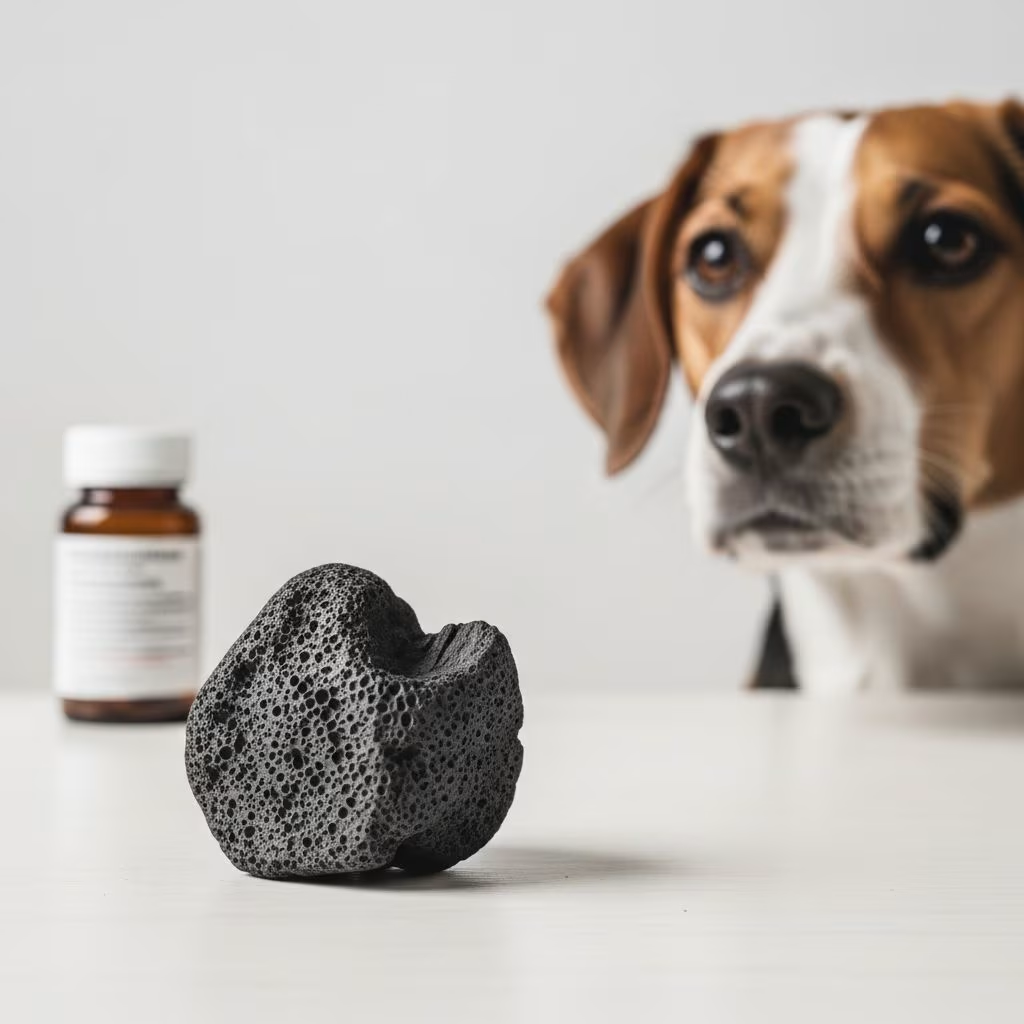
What Is Activated Charcoal for Dogs?
Activated charcoal is a specially processed form of carbon that has been treated to increase its surface area and create numerous tiny pores. This unique structure makes it highly effective at binding toxins and preventing them from being absorbed into your dog’s bloodstream. When a dog ingests activated charcoal following exposure to certain poisons, the charcoal travels through the gastrointestinal tract and adheres to harmful substances, ultimately preventing the body from absorbing these toxins.
The activation process creates a porous structure that dramatically increases the charcoal’s ability to bind to various toxic compounds. This makes activated charcoal a valuable emergency treatment option for veterinarians when dealing with certain types of poisoning in dogs. However, it’s crucial to understand that activated charcoal is not a universal antidote and comes with specific risks that make professional veterinary guidance absolutely essential.
How Does Activated Charcoal Work in Dogs?
The mechanism of action for activated charcoal is straightforward yet highly effective for compatible toxins. Once ingested, the charcoal enters the gastrointestinal tract where it binds to toxin molecules through a process called adsorption. This is different from absorption—rather than the body taking in the toxins, the charcoal traps them on its surface, preventing systemic absorption.
The porous nature of activated charcoal means it has an enormous surface area relative to its volume. A single gram of activated charcoal can have a surface area of up to 3,000 square meters. This expansive surface provides countless binding sites for toxic molecules, making it exceptionally efficient at capturing and holding harmful substances until they pass through your dog’s digestive system and are eliminated in the stool.
When administered promptly—ideally within 30 minutes to a few hours of toxin ingestion—activated charcoal can significantly reduce the amount of poison absorbed into the bloodstream. The sooner it’s given after exposure, the more effective it tends to be, as toxins that have already entered the bloodstream cannot be captured by the charcoal.
Which Toxins Does Activated Charcoal Effectively Treat?
Activated charcoal is effective for binding to a specific range of toxins. Understanding which poisonings respond well to charcoal treatment helps veterinarians make informed decisions about whether this treatment is appropriate for your dog’s situation.
Activated charcoal works well for the following toxins:
- Ibuprofen and other NSAIDs
- Acetaminophen (Tylenol)
- Chocolate
- Marijuana and cannabis products
- Some rodenticides and insecticides
- Certain prescription medications, including antidepressants
- Some over-the-counter medications
These are among the most common accidental ingestions seen in dogs, making activated charcoal a frequently valuable tool in emergency veterinary medicine.
Which Toxins Does Activated Charcoal NOT Treat?
Equally important is understanding which toxins do NOT bind well to activated charcoal. Giving charcoal for these types of poisonings is not only ineffective but can delay necessary treatment and may even cause harm.
Activated charcoal does not bind effectively to:
- Alcohol
- Xylitol (artificial sweetener)
- Bleach and other corrosive substances
- Antifreeze
- Batteries and caustic materials
- Gasoline and petroleum products
- Heavy metals such as lead or iron
If your dog has ingested any of these substances, activated charcoal will not help and may complicate diagnosis or treatment. This is why immediate veterinary evaluation is critical—your vet needs to identify what toxin your dog was exposed to before deciding on treatment.
Can You Give Your Dog Activated Charcoal at Home?
Do not give your dog activated charcoal unless a veterinarian specifically recommends it. While activated charcoal is available for purchase over the counter in pet stores and online, this accessibility does not mean it’s safe to use without professional guidance.
Veterinarians emphasize that over-the-counter activated charcoal products are not comparable to pharmaceutical-grade formulations available in veterinary hospitals. Store-bought versions may not be properly dosed for your dog’s specific weight and condition, and dosing errors can create serious health risks.
Additionally, administering activated charcoal without professional veterinary assessment can delay appropriate and necessary medical care. If your dog has ingested something potentially toxic, the correct first step is to contact your veterinarian or emergency animal hospital immediately—not to administer home treatments.
When Should Activated Charcoal NOT Be Given to Dogs?
There are several critical situations where giving activated charcoal is unsafe and could create life-threatening complications for your dog.
Situations When Charcoal Is Contraindicated:
- Extensive vomiting or lethargy: If your dog is already vomiting or appears lethargic, there’s a serious risk of aspiration—charcoal entering the lungs instead of the stomach, potentially causing aspiration pneumonia
- Dehydration: Activated charcoal pulls fluid from the body into the gastrointestinal tract, which worsens existing dehydration
- Recent abdominal surgery: Dogs that have had recent surgery on their digestive tract should not receive activated charcoal
- Possible intestinal obstruction: If there’s any chance of a blockage, charcoal could worsen the situation
- Toxins incompatible with charcoal: If the ingested substance doesn’t bind to charcoal, treatment is ineffective
- Too much time has passed: If several hours have passed since toxin ingestion, charcoal won’t help
- Neurological symptoms: Seizures, collapse, tremors, disorientation, or other nervous system signs indicate altered mental status and increased aspiration risk
- Decreased gag reflex: This impairs your dog’s ability to protect their airway
What Are the Side Effects of Activated Charcoal in Dogs?
When used correctly under veterinary supervision, activated charcoal is generally well tolerated by most dogs. However, side effects can occur, particularly if the charcoal is administered improperly or if your dog is already ill.
Common Side Effects Include:
- Vomiting: One of the most frequent side effects, which increases aspiration risk
- Diarrhea: Particularly if a cathartic agent is used alongside the charcoal
- Constipation: The most commonly reported side effect, sometimes resulting in black-colored stools
- Dehydration: Charcoal draws fluid into the gastrointestinal tract
- Unusual behavior: Disorientation, agitation, or confusion may occur
- Aspiration pneumonia: A serious lung infection that occurs if charcoal is inhaled into the lungs rather than swallowed into the stomach
Serious Complications to Monitor:
One significant concern with activated charcoal is the potential development of hypernatremia, or elevated blood sodium levels. This occurs because charcoal pulls fluid from the body into the gastrointestinal tract, which concentrates blood sodium levels. Hypernatremia can cause life-threatening neurological complications including brain swelling and seizures.
Symptoms of hypernatremia typically appear within 2 to 3 hours of charcoal administration and may initially present as facial and ear twitching. This side effect is more common in small dogs receiving multiple doses, but it can occur with single or multiple doses in any dog.
Important Medication Interactions
If your dog is on daily medications, it’s essential to inform your veterinarian before administering activated charcoal. In most cases, activated charcoal will absorb oral medications just as it absorbs toxins. This means your dog’s regular medications may become ineffective.
To prevent medication absorption, your veterinarian may recommend:
- Waiting at least 2 to 4 hours after activated charcoal administration before giving regular medications
- Temporarily switching medications to intravenous (IV) administration
- Adjusting medication dosing schedules
Always discuss your dog’s current medications with your vet before any charcoal treatment is administered.
How Long Does Activated Charcoal Stay Effective?
The effectiveness of activated charcoal is time-limited. The effects typically last 4 to 6 hours but may persist up to 12 hours. After this window, activated charcoal is no longer effective at binding toxins and additional doses should not be given without explicit veterinary direction.
The timeline for administering activated charcoal is critical—the sooner it’s given after toxin ingestion, the more effective it will be. Most veterinarians recommend administration within 30 minutes to a few hours of exposure for optimal results.
What Should You Do If Your Dog Ingests Something Toxic?
If you know or even suspect your dog has ingested something toxic, don’t wait for symptoms to develop. Contact your veterinarian or emergency animal hospital immediately.
Important points to remember:
- Don’t delay seeking help: Toxins like ibuprofen, xylitol, and grapes can cause internal damage hours or even days before physical signs appear
- Provide information: Tell your vet what your dog ate, approximately how much, and when it happened
- Bring packaging: If possible, bring the container or packaging of what was ingested
- Let professionals decide: Allow your veterinarian to determine whether activated charcoal or other treatments are appropriate
- Follow veterinary recommendations: Use only prescribed treatments and dosages
Combination Treatments
In some situations, your veterinarian may choose to give your dog a combination activated charcoal product that includes additional ingredients your dog may need to recover from the poisoning. These formulations are specifically designed and dosed by pharmaceutical standards to work together safely and effectively. Over-the-counter combination products may not meet the same standards, which is why veterinary-prescribed treatments are strongly preferred.
Key Takeaways
- Activated charcoal can be an effective emergency treatment for certain toxins in dogs, but only under veterinary supervision
- Activated charcoal doesn’t work for all toxins and can be dangerous if given incorrectly
- Never use store-bought activated charcoal without explicit veterinary guidance
- Aspiration pneumonia and hypernatremia are serious potential complications
- Contact your vet immediately if your dog ingests something potentially toxic—don’t wait for symptoms
- Your dog’s regular medications may be affected by charcoal administration
Frequently Asked Questions
Q: Is activated charcoal safe for all dogs?
A: Activated charcoal can be safe when administered by a veterinarian for appropriate toxins in suitable candidates. However, it’s not safe for dogs with vomiting, lethargy, dehydration, neurological symptoms, or those who have ingested incompatible toxins.
Q: How quickly should activated charcoal be given after toxin ingestion?
A: Ideally within 30 minutes to a few hours of ingestion. The sooner it’s administered, the more effective it is. After several hours, effectiveness decreases significantly.
Q: Can I give my dog activated charcoal from a health food store?
A: No. Veterinarians strongly advise against using store-bought activated charcoal without veterinary consultation. Over-the-counter products may not be properly dosed and could pose serious risks if given incorrectly or for incompatible toxins.
Q: What is aspiration pneumonia and why is it a risk with activated charcoal?
A: Aspiration pneumonia occurs when charcoal accidentally enters the lungs instead of the stomach, typically when a dog is vomiting or lethargic. This causes lung inflammation and can lead to serious breathing difficulties and infection requiring emergency treatment.
Q: Will activated charcoal interfere with my dog’s medications?
A: Yes, activated charcoal typically absorbs oral medications just as it absorbs toxins. Your veterinarian may need to adjust medication timing or switch to IV administration during charcoal treatment.
Q: What should I do if my dog shows side effects after receiving activated charcoal?
A: Contact your veterinarian right away. Side effects such as vomiting, unusual behavior, or signs of aspiration warrant immediate professional attention as they may indicate serious complications.
Q: Is there a risk of overdose with activated charcoal?
A: Yes, improper dosing based on your dog’s weight and condition can lead to serious complications. This is why veterinary-prescribed dosing is essential rather than guessing with store-bought products.
References
- Activated Charcoal for Dogs: Uses, Dosage, and Safety — Chewy Education. 2024. https://www.chewy.com/education/dog/health-and-wellness/activated-charcoal-for-dogs
- Activated Charcoal for Dogs and Cats: Poisoning and Toxicity — PetMD Emergency. 2024. https://www.petmd.com/emergency/activated-charcoal-dogs-cats
- Activated Charcoal For Dogs: When To Use It — Kingsdale Animal Hospital. 2024. https://www.kingsdale.com/activated-charcoal-for-dogs-when-to-use-it
- Activated Charcoal — VCA Animal Hospitals. 2024. https://vcahospitals.com/know-your-pet/activated-charcoal
- Questions to Help You Use Activated Charcoal Safely in Animals — ASPCA Pro. 2024. https://www.aspcapro.org/resource/questions-help-you-use-activated-charcoal-safely-animals



