

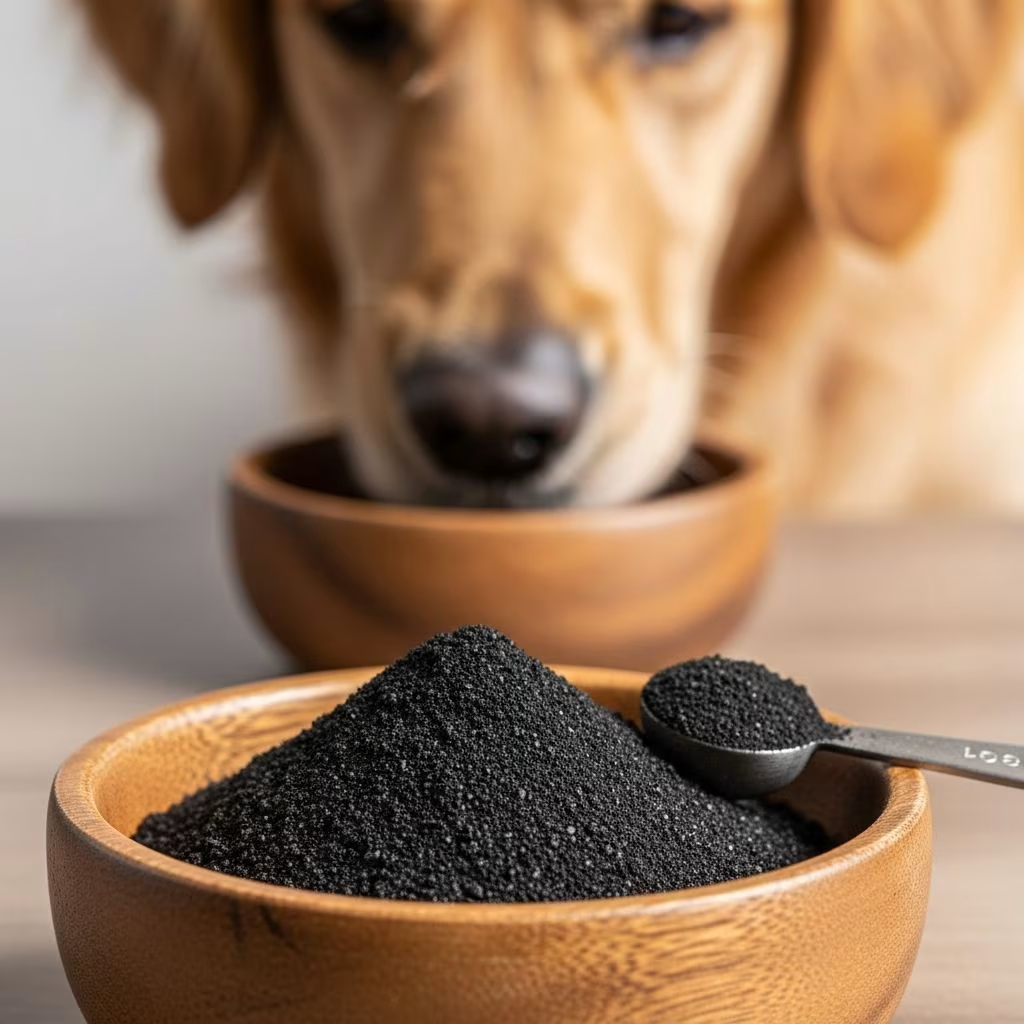
Activated charcoal serves as a vital tool in veterinary medicine for dogs that have ingested certain toxins, binding harmful substances in the gastrointestinal tract to prevent absorption into the bloodstream. This treatment is most effective when administered promptly under professional supervision, potentially reducing the severity of poisoning from items like medications or chocolate.
Understanding the Mechanism of Activated Charcoal
Activated charcoal is produced by heating carbon-rich materials at high temperatures to create a highly porous structure with an expansive surface area, often exceeding 1000 square meters per gram. This porosity allows it to adsorb—rather than absorb—toxins, trapping them on its surface like a sponge captures dirt.
In a dog’s digestive system, the charcoal passes through the stomach and intestines, capturing organic compounds such as drugs, pesticides, and plant toxins before they can enter the bloodstream. Its effectiveness peaks within the first hour post-ingestion and diminishes after 4-6 hours as it transits the gut. Veterinary toxicologists often recommend multiple doses in sustained-release toxin cases, but single doses suffice for most acute exposures.
Common Toxins That Respond to Charcoal Treatment
Not all poisons bind effectively to activated charcoal, but it excels against many household and environmental threats. Here’s a breakdown:
- Human Medications: Over-the-counter drugs like ibuprofen, acetaminophen, and antidepressants bind well, mitigating liver and kidney damage.
- Chocolate: Theobromine in cocoa is readily adsorbed, preventing cardiac and neurological symptoms.
- Rodenticides and Insecticides: Many anticoagulant rodenticides and organophosphates are neutralized effectively.
- Plants and Foods: Certain plants like lilies (for cats, but analogous in dogs) and harmful human foods respond positively.
A table summarizing toxin categories:
| Toxin Type | Examples | Effectiveness |
|---|---|---|
| Medications | NSAIDs, Acetaminophen | High |
| Foods | Chocolate, Xylitol (limited) | Moderate to High |
| Poisons | Rat bait, Pesticides | High |
| Chemicals | Cleaners, Lawn products | Variable |
Toxins Where Charcoal Falls Short
Activated charcoal cannot bind inorganic or water-soluble substances effectively. Avoid it for:
- Caustic agents like battery acid, drain cleaners, or mineral acids, which cause direct tissue burns rather than systemic toxicity.
- Hydrocarbons such as gasoline, petroleum distillates, or alcohol, which pass through the gut too quickly.
- Heavy metals (lead, iron), salts, antifreeze (ethylene glycol), and bleach, as they do not adsorb well.
In these scenarios, inducing vomiting or other decontamination methods may be preferable, always per veterinary direction.
Veterinary Dosage and Administration Protocols
Dosage varies by dog’s weight, toxin amount, and type. Standard guidelines suggest 1-4 grams per kilogram of body weight, often given as a suspension in water or syrup. For a 20 kg dog, this equates to 20-80 grams, split into doses if needed.
Forms include powder mixed with water, pastes, gels, or pre-made suspensions like ToxiBan. Administer orally via syringe, ensuring the dog is alert and can swallow to avoid aspiration.
- Timing: Ideal within 1 hour; up to 4 hours for some toxins.
- Frequency: Single dose usually; repeat every 4-6 hours for 2-3 doses in prolonged cases.
- Duration in System: Effects last 4-12 hours, with black stools persisting 24-48 hours.
Never administer at home without vet approval, as toxicologists from ASPCA or Pet Poison Helpline provide precise calculations.
Potential Risks and Side Effects
While generally safe with a wide margin (non-fatal even at 15 g/kg), complications can arise.
- Vomiting and Aspiration: Up to 20% of dogs vomit, risking inhalation of charcoal slurry leading to pneumonia, especially in sedated dogs (e.g., marijuana exposure). Contraindicated in sleepy, recumbent, or swallowing-impaired pets.
- Gastrointestinal Issues: Diarrhea, constipation, dehydration from black, tarry stools.
- Other: Mouth staining, rare electrolyte shifts like mild hyponatremia (not clinically significant).
Monitor for dehydration and respiratory distress post-administration.
When to Rush to the Vet: Emergency Signs
If you suspect poisoning—symptoms like vomiting, tremors, lethargy, seizures—contact a vet or poison hotline immediately (ASPCA: 888-426-4435). Provide details on substance, amount, time ingested, and dog’s weight. Even if charcoal is used, full supportive care (IV fluids, monitoring) may be needed.
Keep the National Poison Control number handy and have charcoal on hand only if vet-preapproved for emergencies.
Prevention: Keeping Toxins Out of Reach
Proactive measures trump treatment:
- Store medications, cleaners, chocolate, and rodenticides securely.
- Use pet-safe rodenticides and avoid toxic plants.
- Educate family on dog-safe homes; consider microchipping for lost pets prone to scavenging.
Regular vet checkups and pet insurance cover poisoning incidents.
FAQs on Activated Charcoal for Canine Toxin Management
Can I buy activated charcoal over-the-counter for my dog?
Yes, but do not use without vet guidance. Professional dosing prevents harm.
How quickly does it work?
It binds toxins immediately in the gut but requires passage time; effects wane after 4-6 hours.
Will my dog’s poop be black forever?
No, black stools last 1-2 days as charcoal exits.
Is it safe for puppies or senior dogs?
Yes, with adjusted dosing, but aspiration risk is higher in compromised pets.
What if more than 4 hours have passed?
Charcoal may still help minimally, but prioritize symptomatic treatment.
Expert Insights from Veterinary Toxicology
Veterinarians emphasize charcoal’s role as an adjunct, not a cure-all. ASPCA pros note benefits outweigh risks when toxin adsorption is likely. Studies confirm low complication rates with proper use. Always integrate with diagnostics like bloodwork.
This guide empowers informed pet parents, but veterinary consultation remains paramount for your dog’s health.
References
- Activated Charcoal For Dogs: When To Use It — Kingsdale Animal Hospital. 2023. https://www.kingsdale.com/activated-charcoal-for-dogs-when-to-use-it
- Activated Charcoal for Dogs — Whole Dog Journal. 2023. https://www.whole-dog-journal.com/health/activated-charcoal-for-dogs/
- Activated Charcoal for Dogs: Uses, Dosage, Side Effects — GoodRx. 2024. https://www.goodrx.com/pet-health/dog/activated-charcoal-for-dogs
- What Is Activated Charcoal for Dogs? — Chewy. 2024. https://www.chewy.com/education/dog/health-and-wellness/activated-charcoal-for-dogs
- Activated Charcoal for Dogs and Cats — PetMD. 2024. https://www.petmd.com/emergency/activated-charcoal-dogs-cats
- Treating Toxins with Activated Charcoal in Dogs and Cats — ASPCApro. 2023. https://www.aspcapro.org/resource/treating-toxins-activated-charcoal-dogs-and-cats
- Activated Charcoal — VCA Animal Hospitals. 2024. https://vcahospitals.com/know-your-pet/activated-charcoal



