

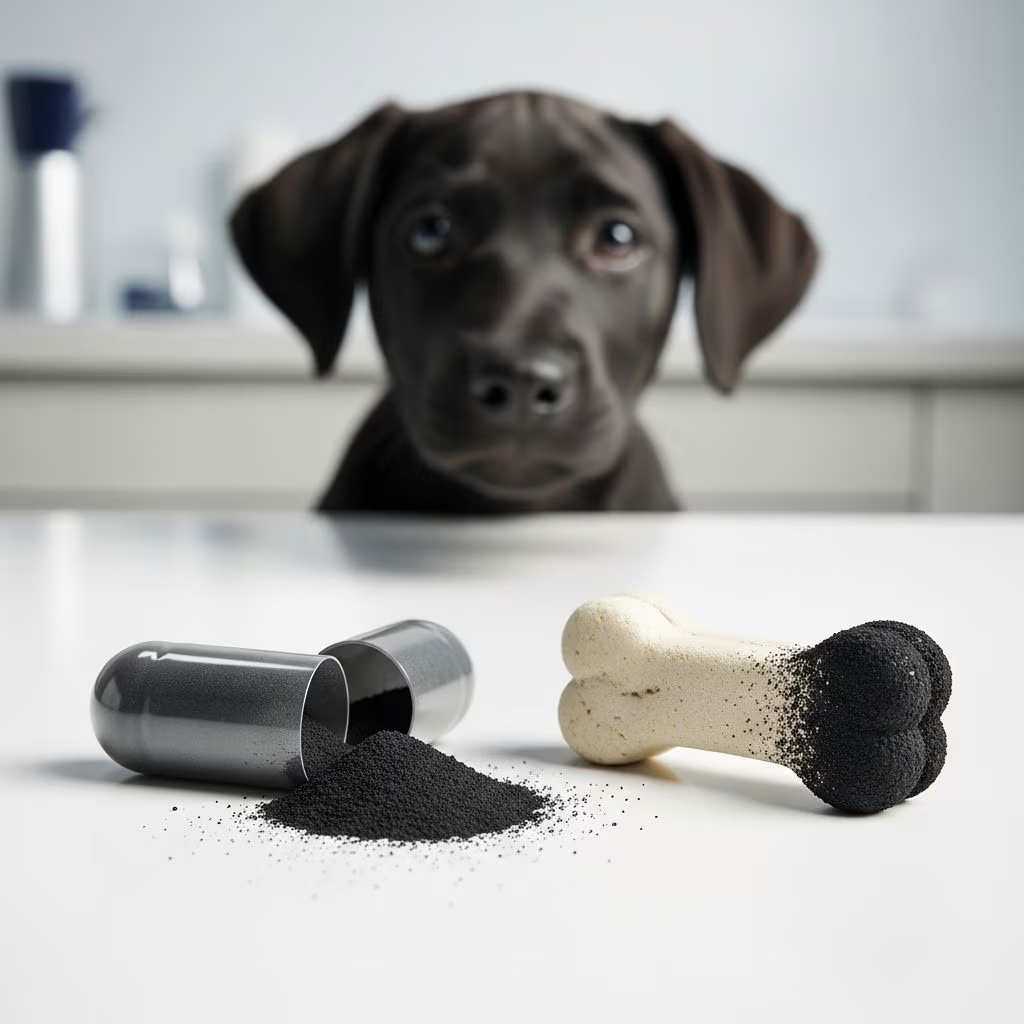
Activated charcoal serves as a vital tool in veterinary medicine for dogs that have ingested certain toxins, working by binding harmful substances in the gastrointestinal tract to prevent absorption into the bloodstream. This treatment is most effective when administered promptly under professional supervision, but it carries risks such as vomiting and aspiration pneumonia if misused.
Understanding the Science Behind Activated Charcoal
Activated charcoal is produced by heating carbonaceous material in the presence of oxygen, creating a highly porous structure with an expansive surface area that adsorbs—rather than absorbs—toxins. In dogs, it traps chemicals like medications or plant toxins within its pores as it passes through the digestive system, excreting them in stool rather than allowing systemic uptake.
The adsorption process relies on weak chemical bonds forming between the charcoal and toxin molecules, making it selective for organic compounds but less effective against metals or strong acids. Veterinary toxicologists often recommend it for recent ingestions, typically within the first hour, as efficacy diminishes after 4 hours when toxins may already be absorbed.
When Activated Charcoal Proves Most Beneficial
Veterinarians commonly deploy activated charcoal for acute poisoning cases involving substances like chocolate, ibuprofen, acetaminophen, rodenticides, and certain insecticides. For instance, theobromine from chocolate binds effectively, reducing cardiac and neurological symptoms.
- Human medications: NSAIDs and painkillers like acetaminophen are prime candidates due to their rapid adsorption.
- Household hazards: Some cleaners and rodenticides respond well if caught early.
- Plants and foods: Marijuana or grapes may benefit, though xylitol does not bind reliably.
Timing is critical; administer within 1 hour for optimal results, and multiple doses may be needed for sustained-release toxins.
Toxins That Activated Charcoal Cannot Handle
Not all poisons succumb to this treatment. Substances like alcohols, heavy metals (lead, iron), ethylene glycol (antifreeze), and caustic agents (battery acid, gasoline) pass through unbound or require different interventions.
| Toxin Type | Examples | Reason for Ineffectiveness |
|---|---|---|
| Caustics | Battery acid, bleach | Causes burns; charcoal obscures diagnosis |
| Heavy Metals | Lead, iron supplements | Poor binding affinity |
| Alcohols/Solvents | Antifreeze, gasoline | Does not adsorb hydrocarbons |
| Salt-Based | Playdough, paintballs | Ionic nature prevents binding |
Consult poison control hotlines like ASPCA for toxin-specific advice before proceeding.
Potential Risks and Side Effects in Canine Patients
While generally safe at proper doses, activated charcoal can induce vomiting, leading to black, tarry stools for 1-2 days and risks of dehydration or constipation. The gravest concern is aspiration pneumonia, where vomited charcoal enters the lungs, causing severe inflammation.
Avoid use in sedated, obtunded, or seizing dogs, as they cannot protect their airways. Rapid administration exacerbates this risk, potentially necessitating nasogastric tubes in clinical settings.
- Vomiting or diarrhea: Common, managed supportively.
- Black stools: Harmless indicator of transit.
- Aspiration: Life-threatening; monitor closely.
Veterinary Dosage Protocols and Administration
Dosage varies by dog size and toxin load, typically 1-4 grams per kg of body weight, given as powder mixed with water, paste, or suspension. Repeat doses every 4-6 hours for up to 24-48 hours in select cases.
Professionals calculate precisely: for a 10kg dog, 10-40g initial dose. Products with sorbitol aid passage but increase diarrhea risk. Home use is discouraged without vet direction to avoid overdose or underdose.
Step-by-Step Emergency Response for Pet Owners
- Confirm ingestion and note time/substance.
- Contact vet or poison hotline immediately (ASPCA: 888-426-4435).
- Do not induce vomiting unless instructed.
- Follow guidance on charcoal if recommended; transport to clinic.
- Monitor for symptoms like tremors or lethargy.
Keep vet details handy and childproof toxins to prevent incidents.
Forms of Activated Charcoal Available for Pets
Veterinary formulations include suspensions (ToxiBan), gels, powders, and pastes. Over-the-counter human versions may suffice emergently but lack ideal particle size or additives.
- Suspension: Easiest oral delivery.
- Powder: Mixable but messy; stains fabrics.
- Paste/Gel: Portable for clinics.
Effects last 4-12 hours; subsequent doses target ongoing absorption.
Myths and Misconceptions About Detox Use
Some owners use charcoal for bloat, flatulence, or chronic detox, but evidence lacks for non-acute issues. It’s not a cure-all and can interfere with medications if given concurrently. Myth: Safe for all poisons—reality: selective efficacy.
FAQs on Activated Charcoal for Dogs
Can I give my dog activated charcoal at home?
Only if directed by a vet; self-administration risks complications like aspiration.
How soon after poisoning is it effective?
Best within 1 hour; minimal benefit after 4 hours.
Will it make my dog’s poop black?
Yes, expect dark stools for 24-48 hours.
Is it safe for puppies or small breeds?
Yes, with weight-based dosing under supervision.
What if my dog vomits after getting it?
Monitor and contact vet; re-dosing may be needed.
Preventing Toxin Exposure: Proactive Strategies
Secure medications, chocolates, and rodenticides. Use pet-safe cleaners and educate family on hazards. Regular vet checkups and microchipping aid recovery.
In poisoning scenarios, rapid action with activated charcoal can avert severe outcomes, but professional oversight ensures safety. Always prioritize veterinary consultation over home remedies.
References
- Activated Charcoal For Dogs: When To Use It — Kingsdale Animal Hospital. 2023. https://www.kingsdale.com/activated-charcoal-for-dogs-when-to-use-it
- Activated Charcoal for Dogs — Whole Dog Journal. 2023. https://www.whole-dog-journal.com/health/activated-charcoal-for-dogs/
- Activated Charcoal for Dogs: Uses, Dosage, Side Effects — GoodRx. 2024-01-15. https://www.goodrx.com/pet-health/dog/activated-charcoal-for-dogs
- What Is Activated Charcoal for Dogs? Does My Dog Need It? — Chewy. 2023. https://www.chewy.com/education/dog/health-and-wellness/activated-charcoal-for-dogs
- Activated Charcoal for Dogs and Cats — PetMD. 2024. https://www.petmd.com/emergency/activated-charcoal-dogs-cats
- Activated Charcoal — VCA Animal Hospitals. 2023. https://vcahospitals.com/know-your-pet/activated-charcoal
- Questions to Help You Use Activated Charcoal Safely in Animals — ASPCA Pro. 2023. https://www.aspcapro.org/resource/questions-help-you-use-activated-charcoal-safely-animals



